‘0-100km/h in 1 second Tesla Roadster’: Why tyre grip becomes a problem when cars accelerate this fast

Tyres hit a strict physical friction limit at 1.26 g, causing wheelspin. The Tesla Roadster bypasses this grip ceiling using cold-gas thrusters to achieve sub-one-second acceleration without rubber.
The absolute grip ceiling
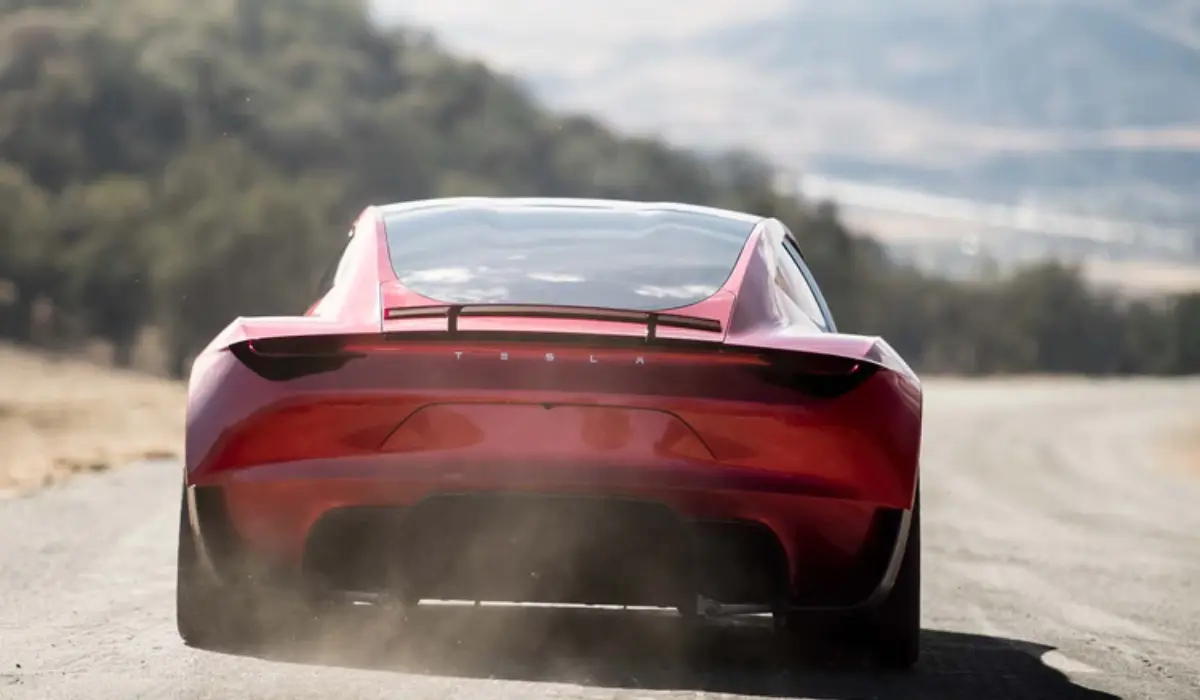
Every car tyre has a physical traction limit dictated by its coefficient of friction with the road surface. Standard performance tyres can only generate enough grip to accelerate a car at roughly 1.26 g. Once the engine applies more force than this friction limit, the rubber simply breaks loose.
Massive G-force requirements
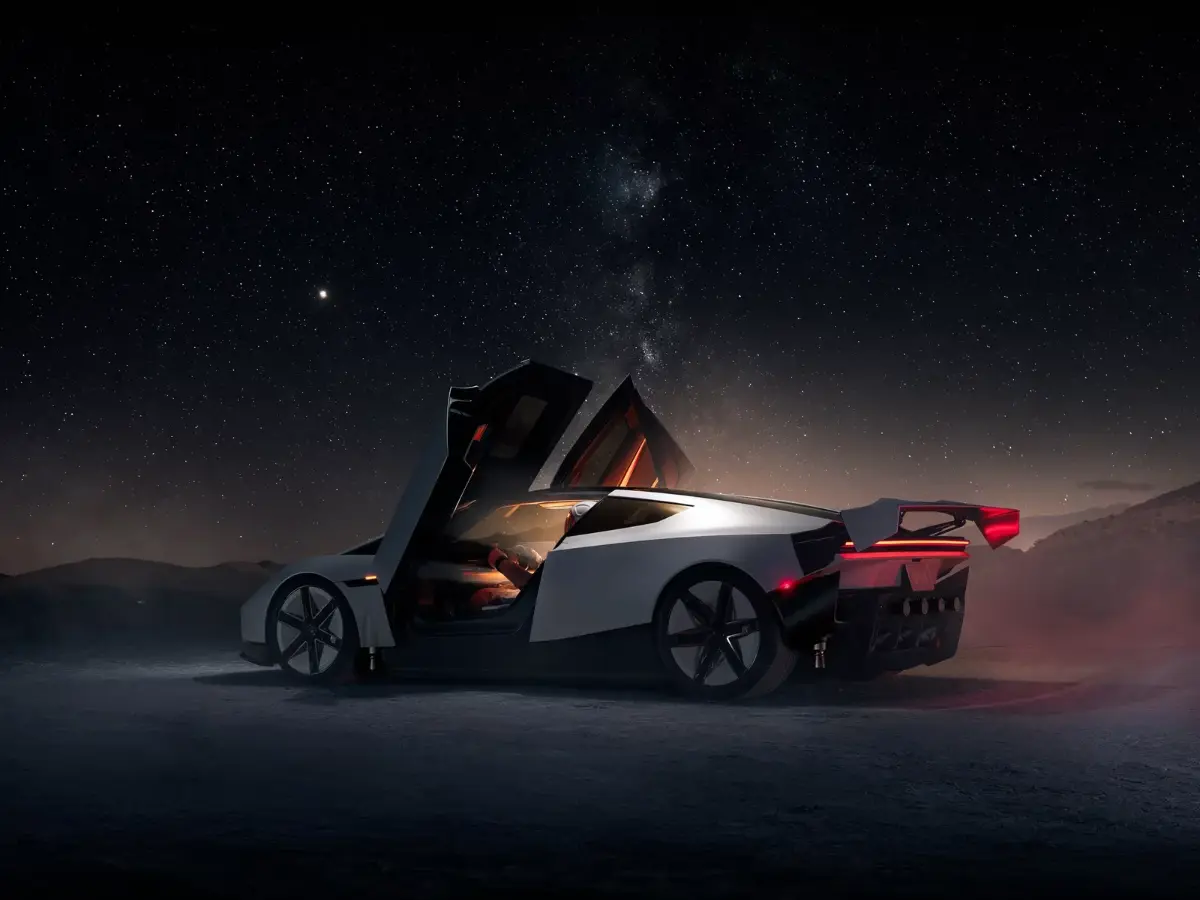
Accelerating from zero to 100 km/h in under one second requires an immense average acceleration of more than 3.38 g. This physical demand is nearly three times higher than what modern performance tyres can actually handle. No matter how powerful the electric motors are, rubber alone cannot transfer that energy.
Breaking the traction limit
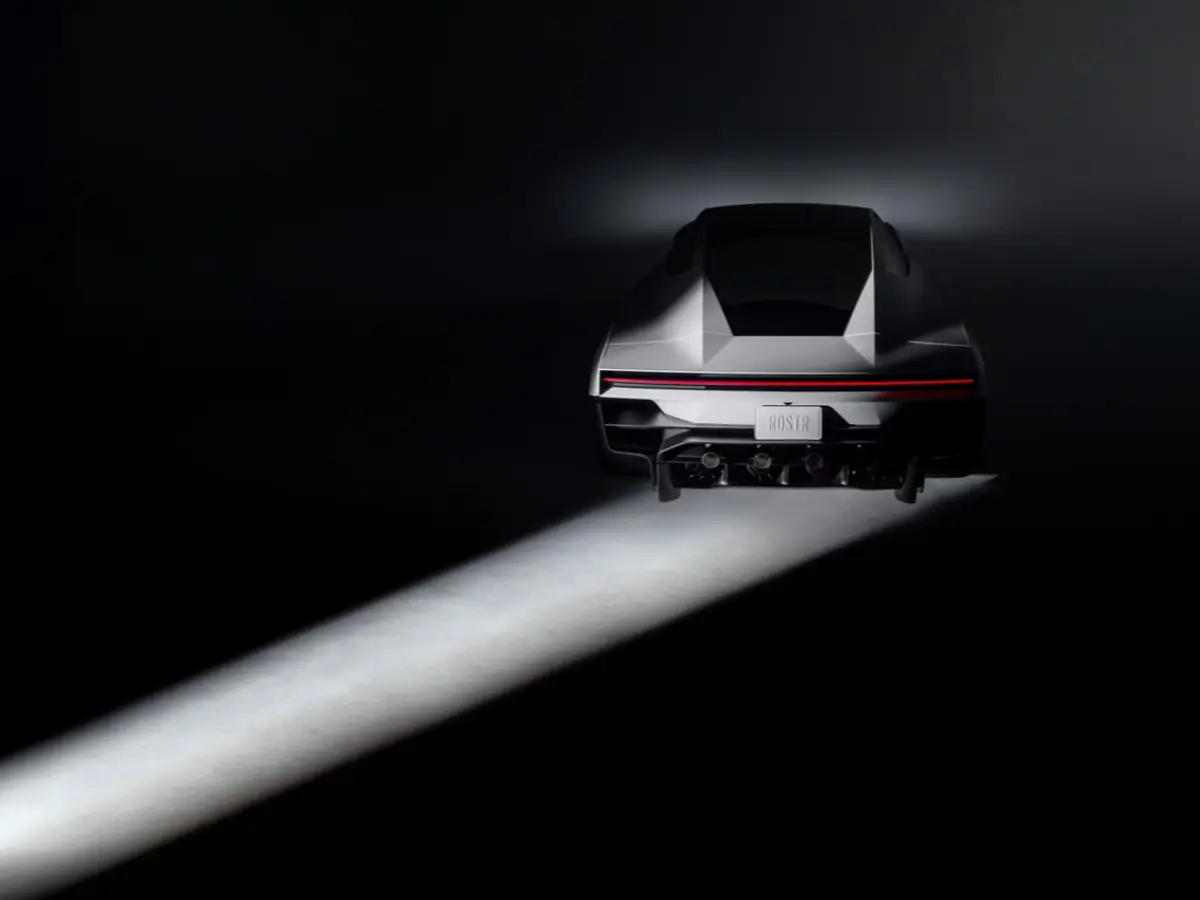
When an electric motor delivers instant torque that exceeds the tyre's maximum grip capacity, the wheels will aggressively spin in place. The vehicle wastes its massive horsepower burning rubber instead of moving forward. Without additional help, standard acceleration hits a hard physical wall at around two seconds.
The zero speed problem
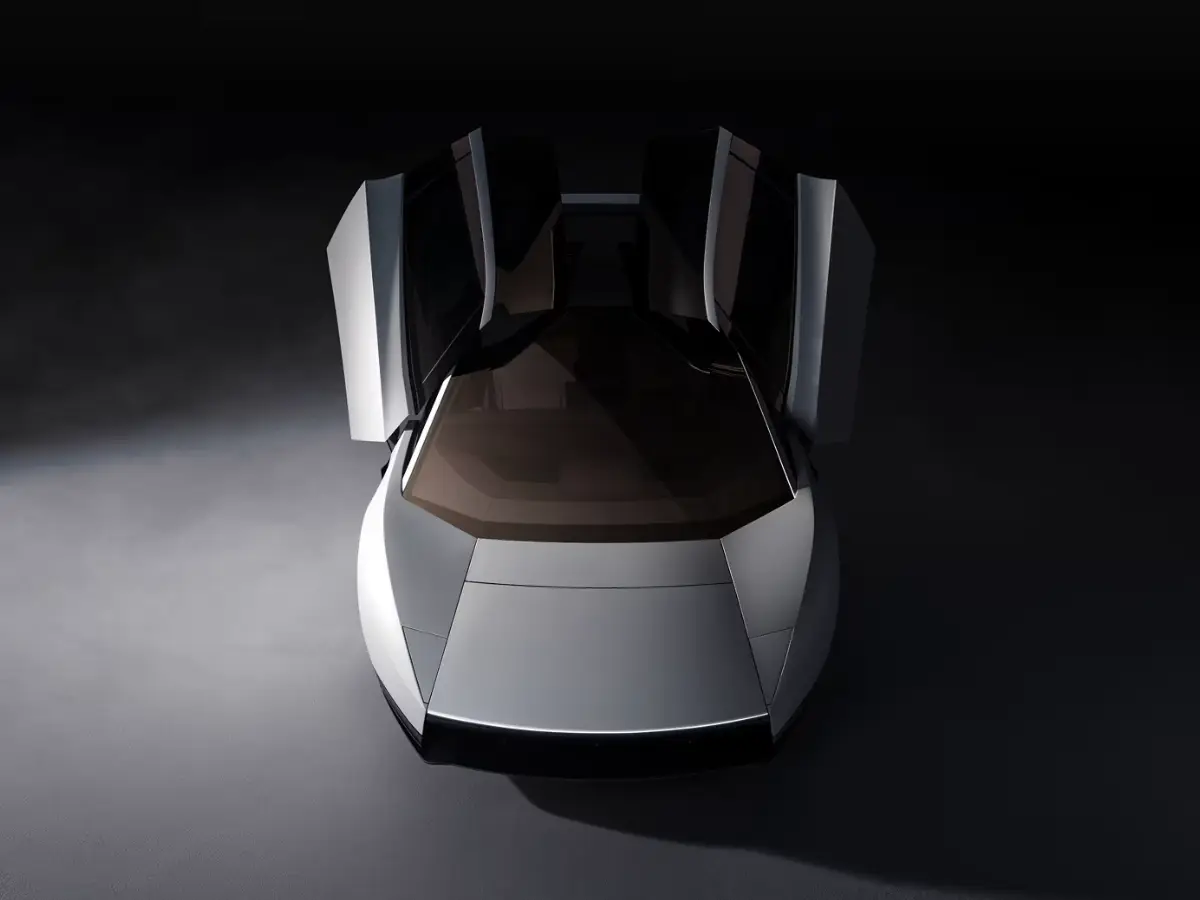
Automakers typically use aerodynamic wings to create downforce, pushing the tyres harder into the asphalt to increase grip. However, wings require fast-moving air to function, meaning they provide absolutely zero downforce from a standstill. Generating extra grip at zero speed requires entirely different engineering solutions.
Rockets bypass the road
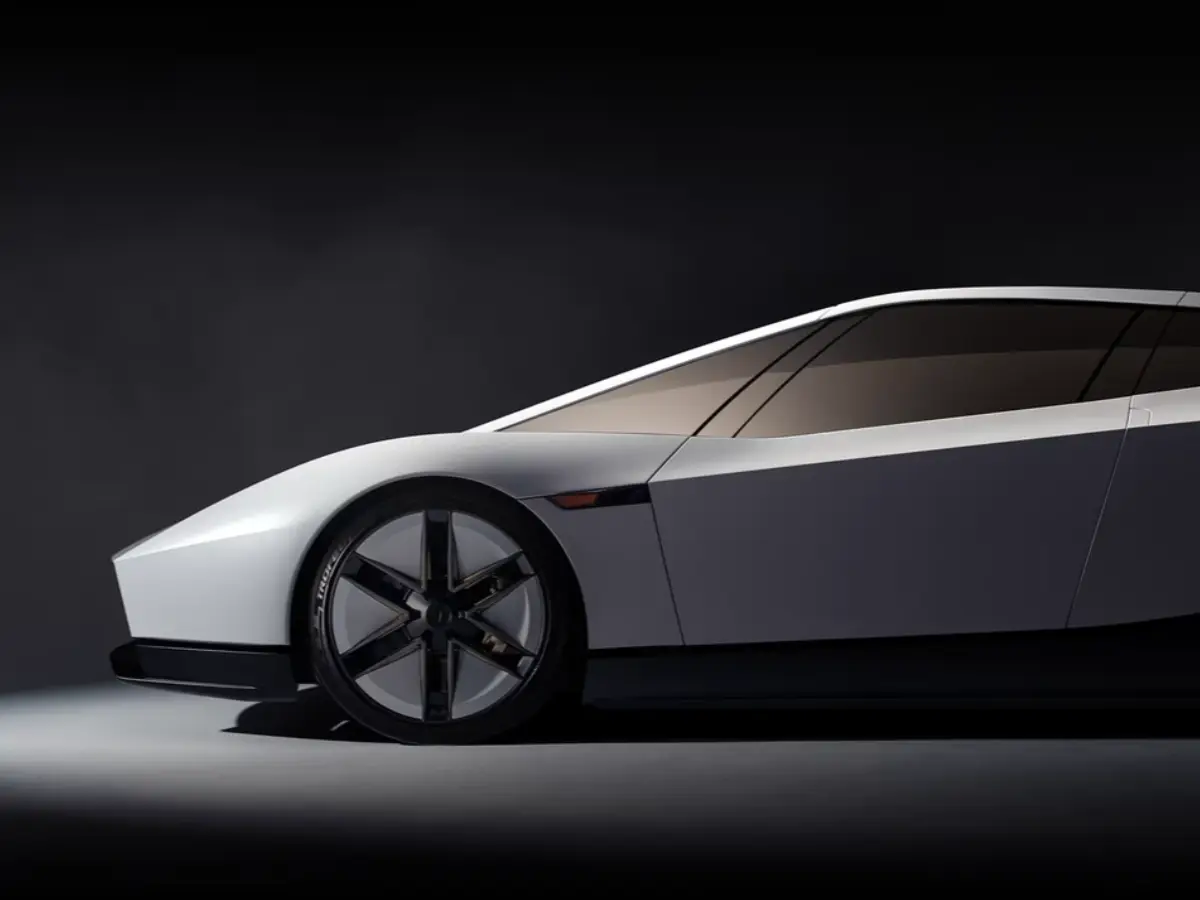
To break the sub-one-second barrier, the Tesla Roadster uses cold-gas thrusters to push against the surrounding air rather than the asphalt. By ejecting highly compressed air at supersonic speeds, the car generates forward thrust entirely independently of tyre grip. This allows the vehicle to accelerate without wheelspin.
)
)
)
)
)