How can cold-gas thrusters push a Tesla Roadster through the air?

Tesla has finally unveiled its next-generation Roadster, featuring SpaceX cold-gas thrusters that allow the electric sports car to hover, perform aerial flips, and hit 60 mph in under one second.
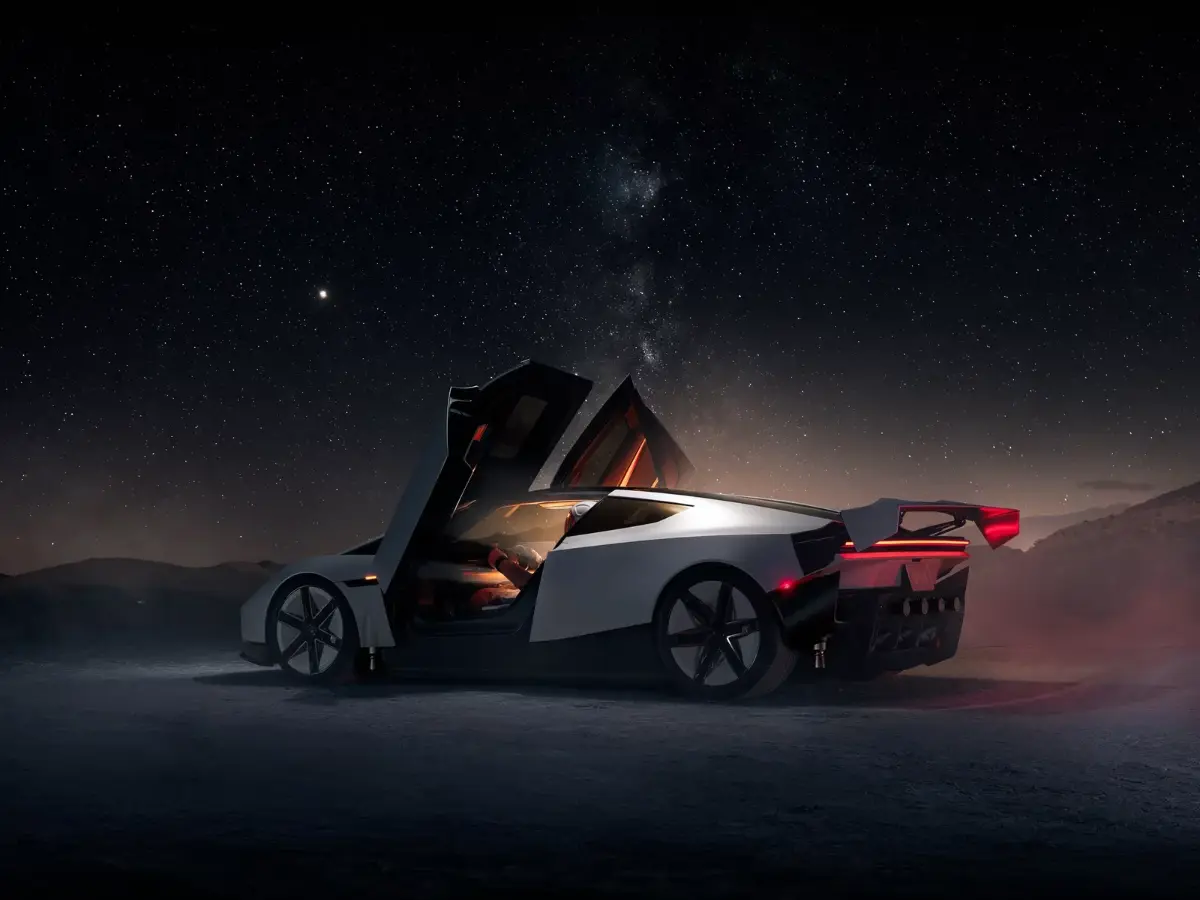
SpaceX rocket thrusters
The new Tesla Roadster is equipped with a specialised package of cold-gas thrusters developed in collaboration with SpaceX. These ultra-high-pressure air tanks provide short bursts of forward momentum and upward lift without needing traditional jet fuel. The car recharges these air tanks automatically.
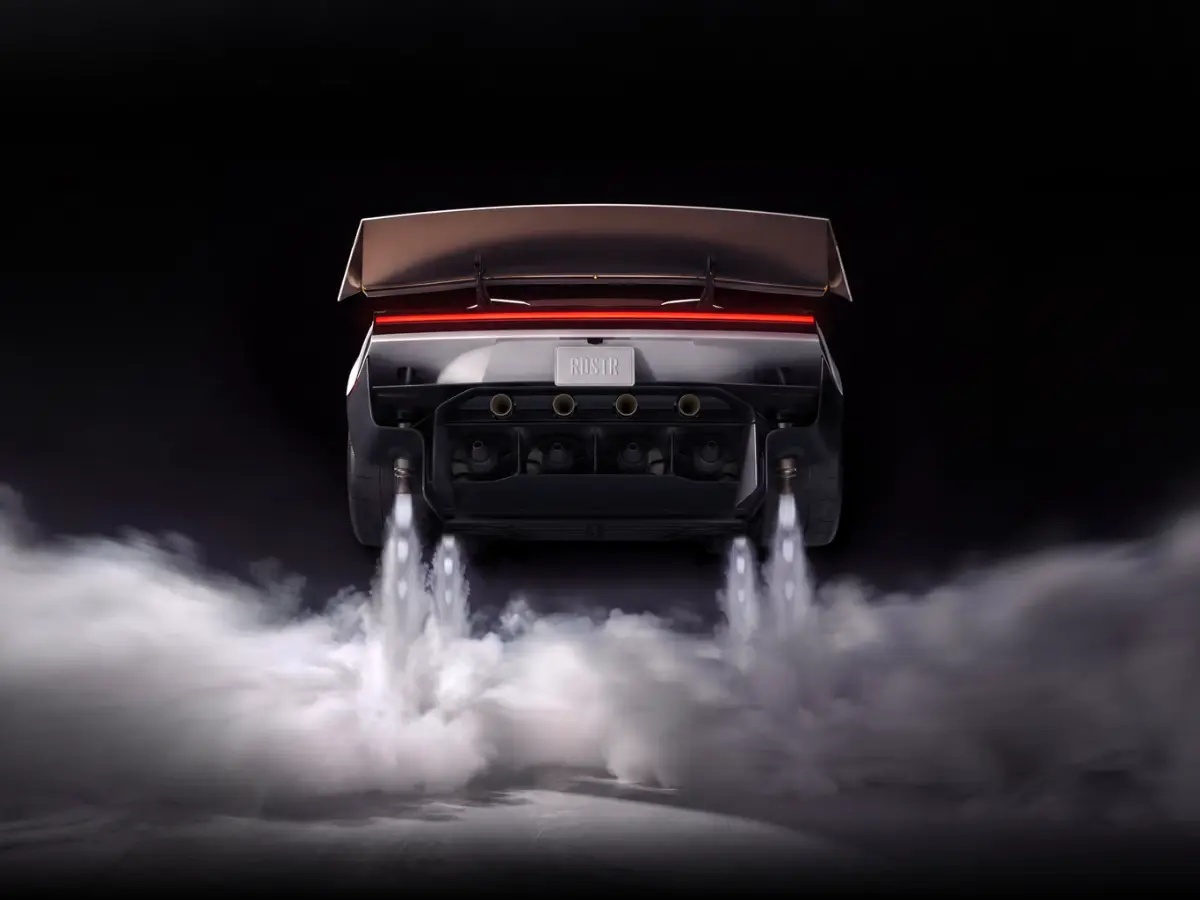
Actual flight capabilities
During its dramatic unveiling, the Roadster demonstrated genuine aerial mobility by using its built-in thrusters to jump over a truck and other vehicles. The sports car successfully turned in mid-air, performed a twisting barrel roll, and landed safely back on the tarmac.
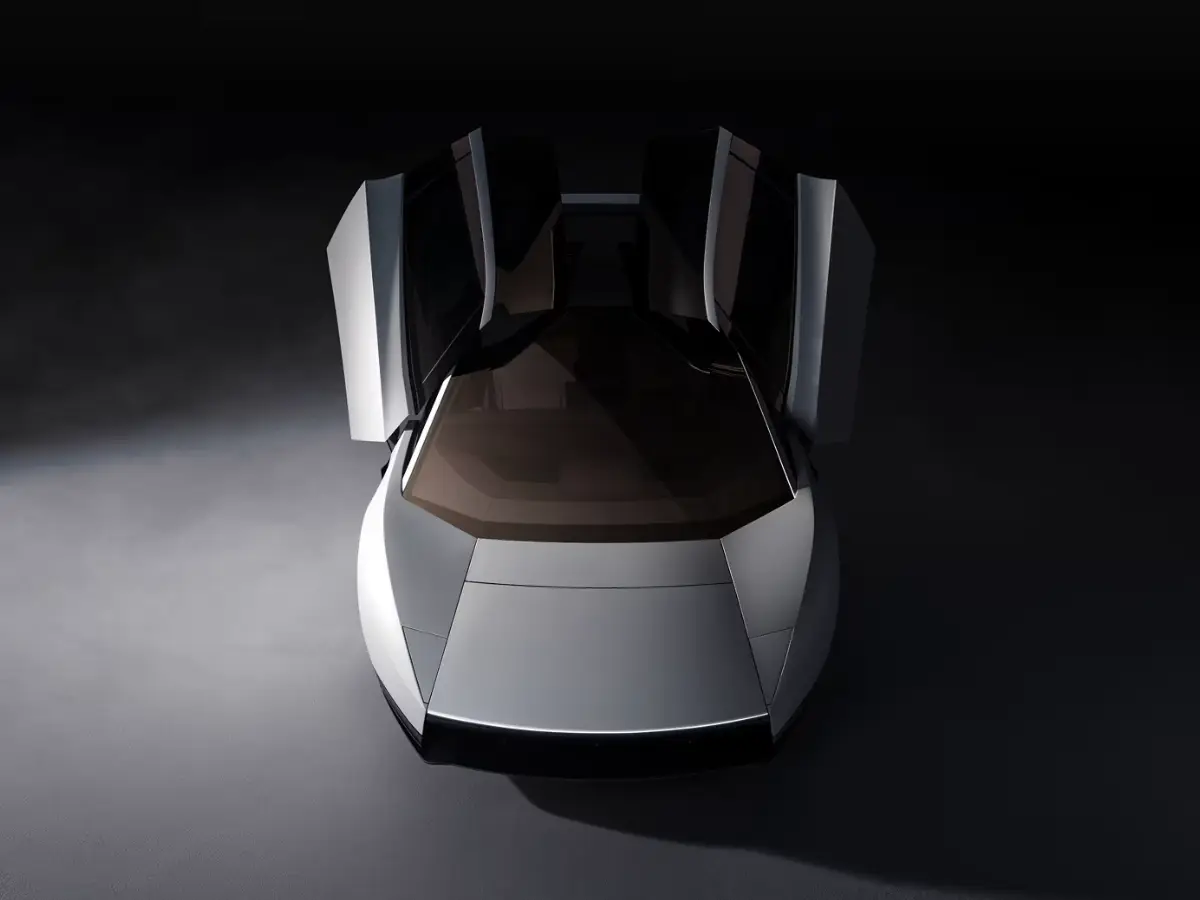
Driving completely upside down
Besides aerial leaps, the vehicle features a powerful multi-mode suction system integrated into its chassis. This unique aerodynamic technology allowed the Roadster prototype to physically drive completely upside down along a specially constructed ramp during the Texas demonstration event.
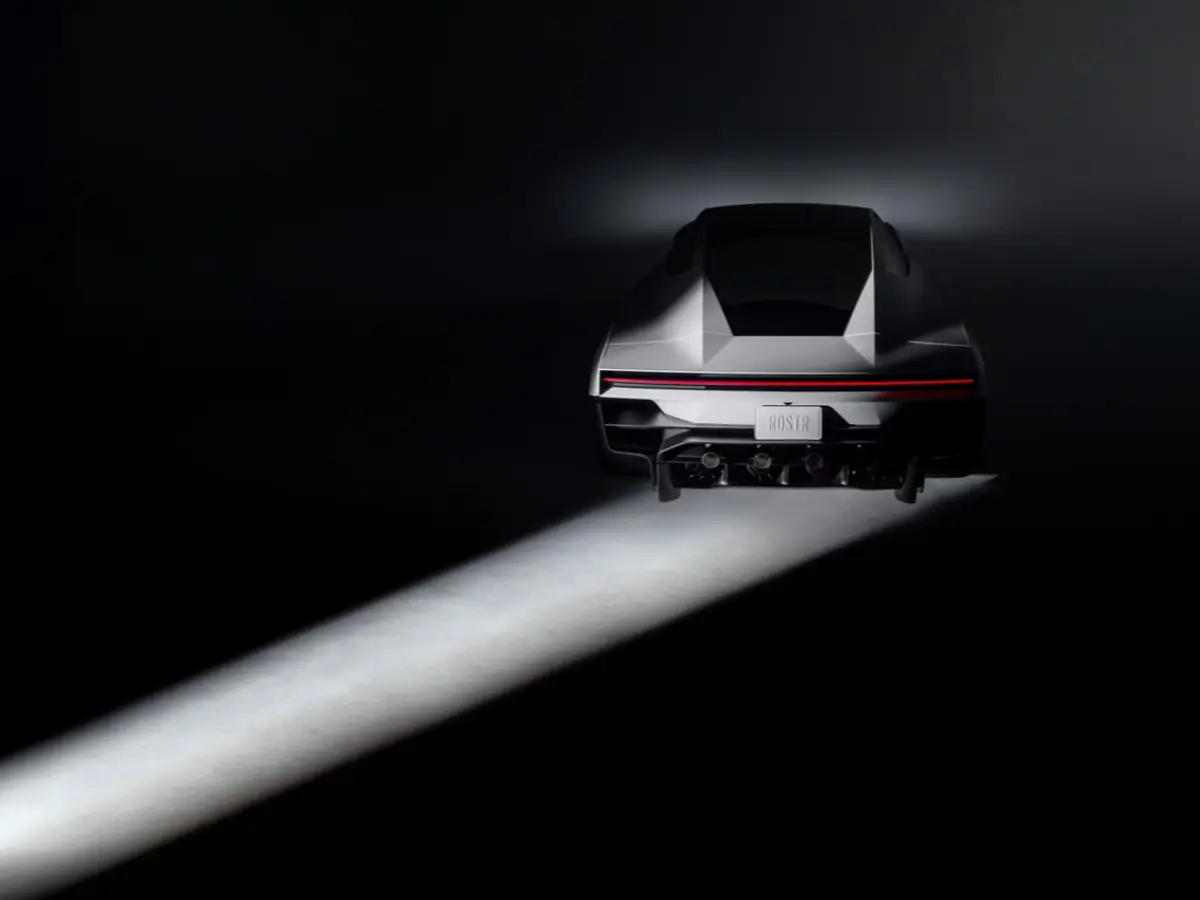
Unmatched acceleration speeds
By combining traditional electric motors with rocket propulsion, the Roadster achieves unmatched acceleration figures on the ground. Elon Musk demonstrated the vehicle hitting 60 miles per hour in just 0.8 seconds. The company ultimately aims to reach a top speed exceeding 383 miles per hour.
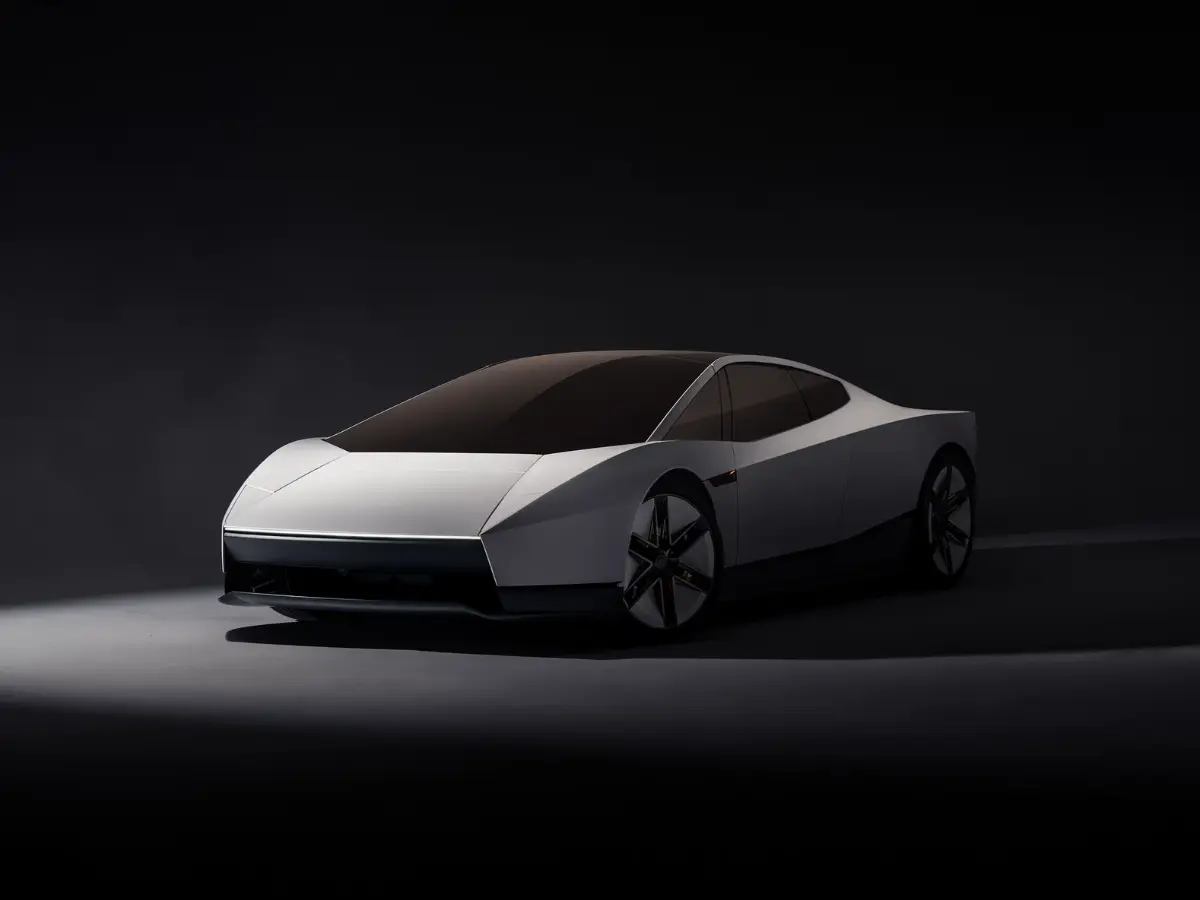
Expected 2028 production
Despite showing a fully functional flying prototype, the company confirmed that commercial manufacturing is still years away. Production for the two-seater vehicle is officially scheduled to begin in 2028. The legal and regulatory challenges of driving a flying car on public roads remain completely unresolved.
)
)
)
)
)