India's tryst with LPG: How the red cylinders became nation's main cooking fuel. A lookback amid Iran war shortage news

&imwidth=600&imheight=450&format=webp&quality=medium "India's tryst with LPG: How the red cylinders became nation's main cooking fuel. A lookback amid Iran war shortage news")
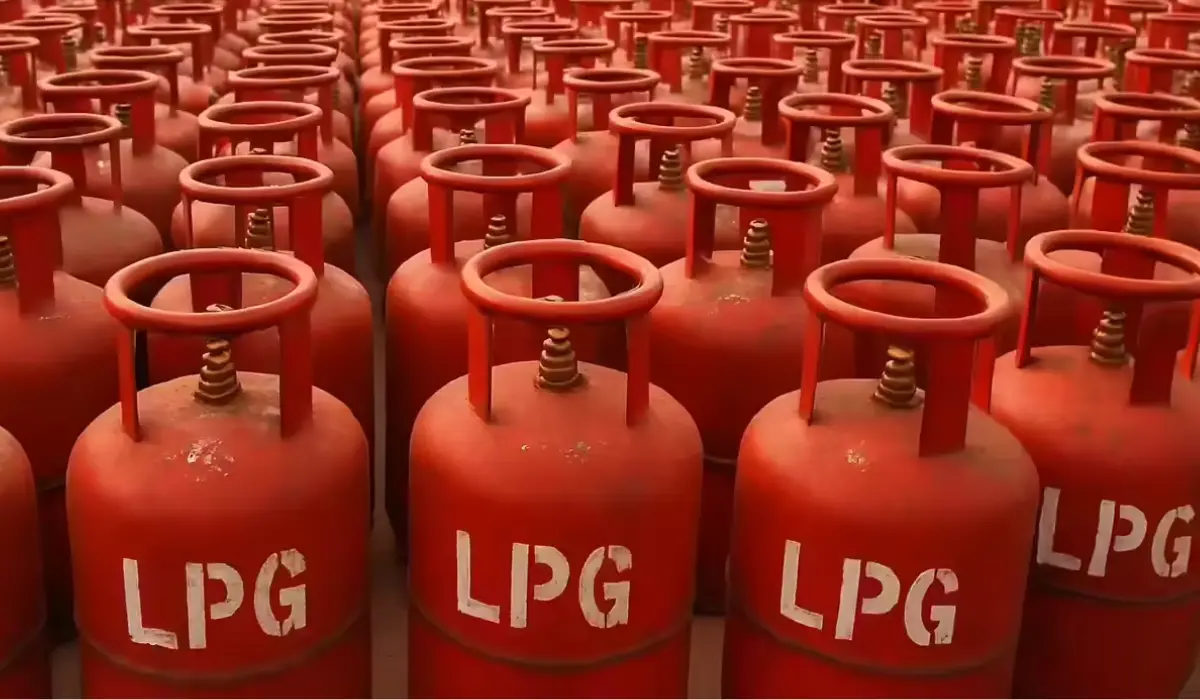
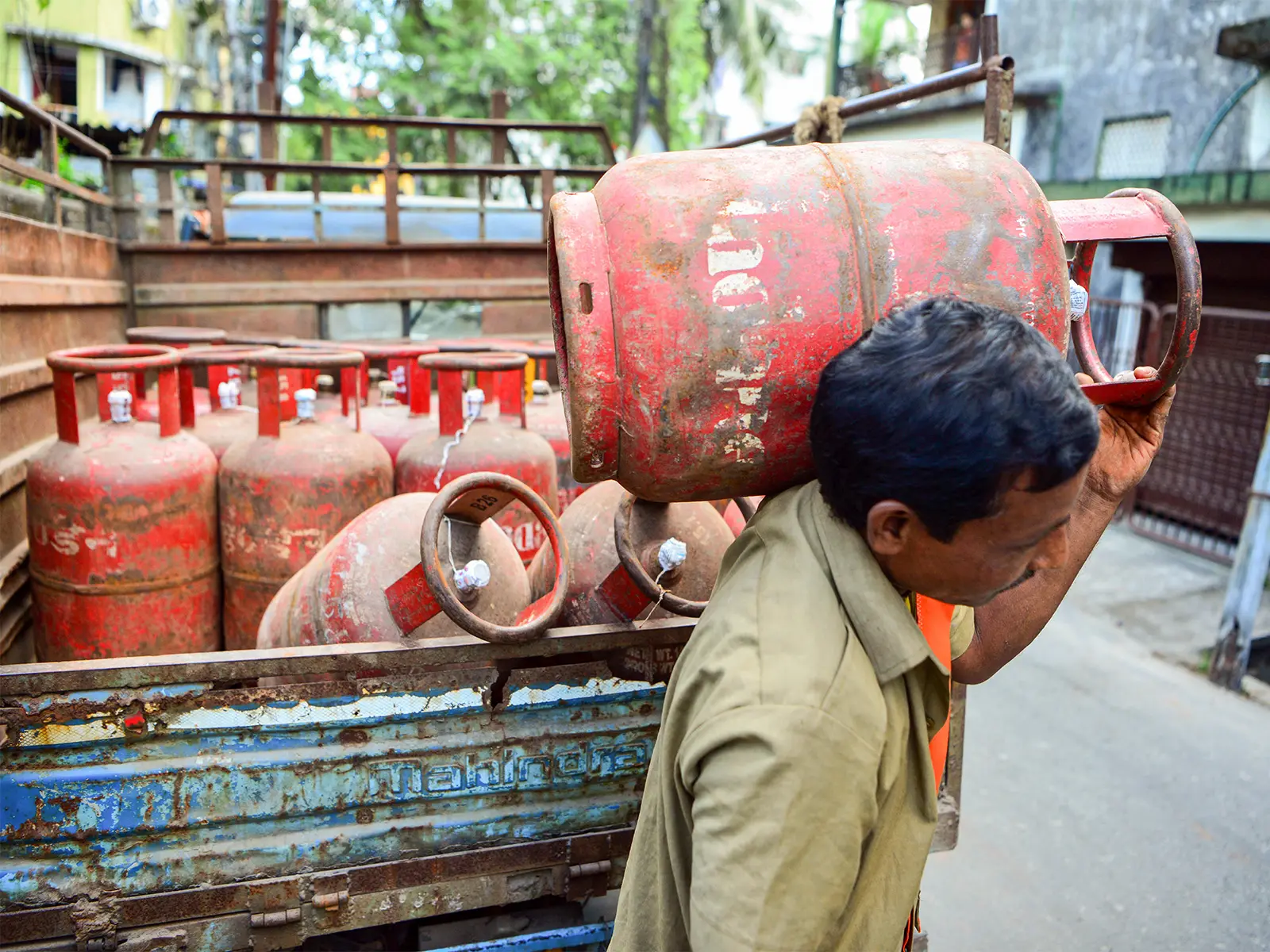
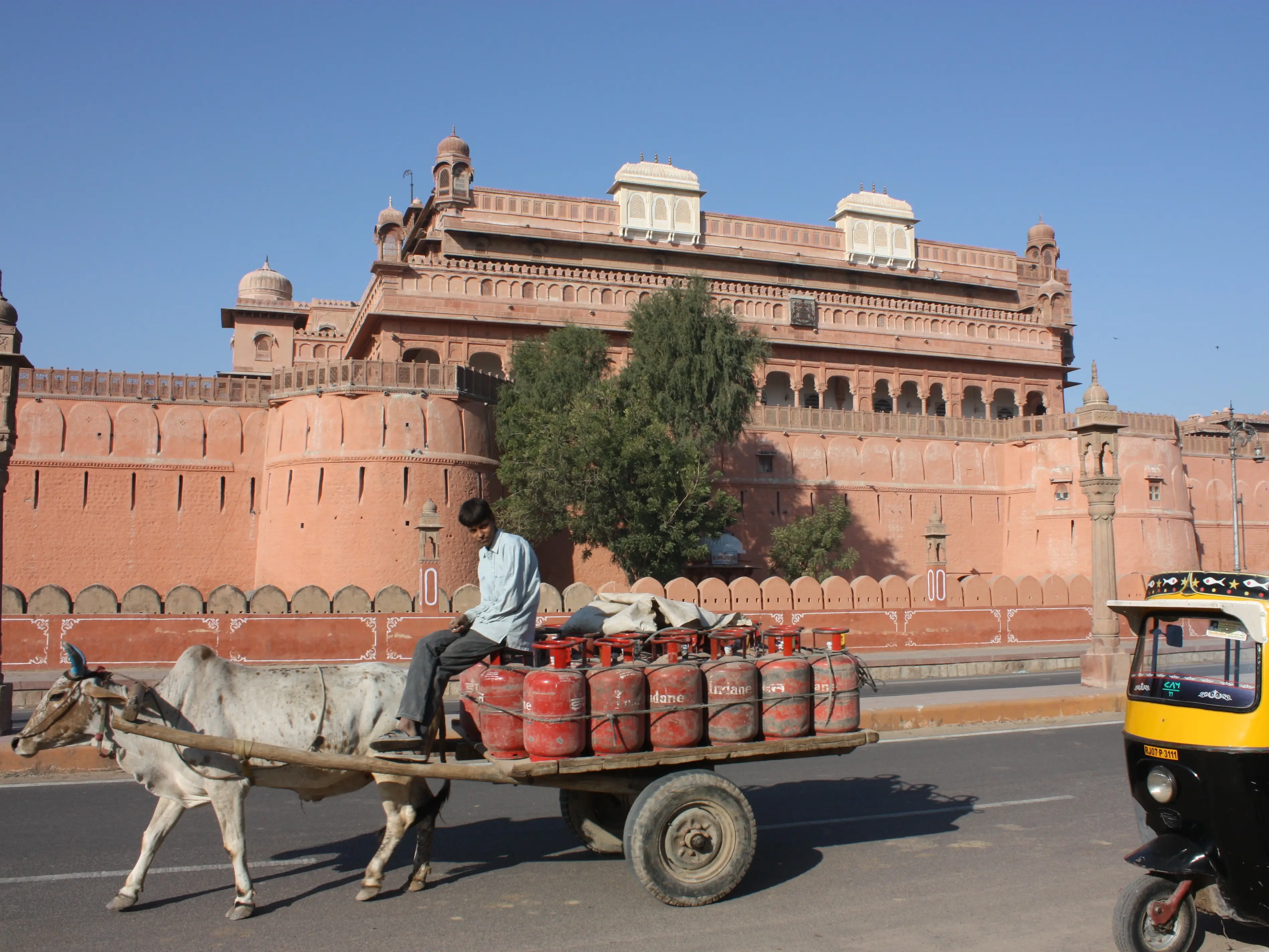
LPG became the most ubiquitous cooking fuel of India in past two decades Photograph: (Others)
It's only at crisis times like this that we wonder how LPG became India’s main cooking fuel. Once used mostly by urban and affluent households, LPG saw nationwide adoption through subsidies and schemes. Here is that story
LPG is at the heart of India's domestic cooking solutions. Its availability is not a crisis until it is, because it has become overwhelmingly used in households and commercial outlets. As the Iran war is straining the LPG supply chain, it is interesting to ask: How did LPG become India's main cooking fuel? From where is India getting LPG? What percentage of India's cooking fuel is LPG? Does India produce LPG? Here is what you should know about India's tryst with LPG:
How India embraced LPG as the main cooking fuel
Liquefied Petroleum Gas became India's dominant cooking fuel as a result of long-term subsidies, the creation of infrastructure, and the massive government push through the Pradhan Mantri Ujjwala Yojana (PMUY) since 2016.
Before the red cylinders became ever-present, rural cooking used wood, dung, crop residue, timber and coal, among others. Earlier, LPG was largely used in urban or middle-class households. But that changed in the last decade.
Also read: LPG consumption across India: Top states using the most cylinders, from Uttar Pradesh to West Bengal
Burshane: The first brand of LPG
Trending Stories
&im=FitAndFill=(700,400))
)
)
)
)
)
)
)
)
)
)
)
)
)
)
)
)
)
)
)
)
)
)
)
)
)
)
)
)
)
)
)
&im=FitAndFill=(700,400))
)
)
LPG was introduced in India in December 1955 by Burmah Shell, from which evolved BPCL, under the brand Burshane. Mumbai saw the first packed LPG cylinders of Burshane, followed later by cities in Gujarat and Maharashtra. M/s L.D. Bhave & Sons, India's first dedicated LPG distributor, began operations in Pune in January 1956.
The first major LPG brand, Indane, was launched by Indian Oil in Kolkata in October 1965. India manufactured its first local gas cylinder in 1967.
But these were the days when LPG was seen as an urban fuel. It was not so popular due to high costs, the lack of enough bottling plants, a shortage of cylinders, and challenges in distribution. There was also the fear of cylinder blasts, which made many people see LPG as unsafe.
LPG usage grew in the 1990s
With the liberalisation era of the 1990s, public sector oil marketing companies like Indian Oil, Bharat Petroleum, and Hindustan Petroleum expanded LPG networks.
The two and a half decades between 2000 and 2015 saw the growth of rural usage of LPG. The 2009 Rajiv Gandhi Gramin LPG Vitaran Yojana (RGGLVY) set up rural LPG distributors even in remote areas.
Direct Benefit Transfer for LPG changed the game
Even though subsidies on LPG cylinders had existed for decades for domestic use, they were benefiting mostly higher-income urban users. The DBTL, known locally as ‘PAHAL’, short for Pratyaksh Hanstantrit Labh, was introduced by the Narendra Modi government to curb leakages through cash transfers of the government subsidy directly to beneficiary bank accounts. Equally important was the "GiveItUp" scheme aimed encouraging affluent users to voluntarily give up their subsidies. Once the subsidies were rationalised, millions of poor households also moved to LPG as their cooking fuel.
Also read: How do LPG, LNG, PNG and CNG fuel India’s homes, transport and industry? Know the differences
The Pradhan Mantri Ujjwala Yojana and the rural expansion of LPG in India
Modi launched PMUY on 1 May 2016, giving deposit-free LPG connections to women from Below Poverty Line (BPL) households, including a gas stove and a first refill subsidy of 1,600 rupees. The scheme benefited lower castes and tribes, forest dwellers, migrants, and other marginalised groups.
Ujjwala 2.0, launched in August 2021, simplified the eligibility criteria for LPG connections. Ujjwala reduced indoor air pollution, empowered women by saving time, and helped address air pollution and deforestation.
By 2024, India had 328.3 million active domestic LPG consumers, nearly doubling from 166.3 million in 2016. National LPG coverage jumped from around 62 per cent in 2016 to near-saturation today.
Household LPG consumption went up by more than 50 per cent by 2019 and has grown ever since.
LPG is now the primary cooking fuel for most Indians
The National Sample Survey Office Comprehensive Annual Modular Survey of 2022–23 showed that 63 per cent of Indian households use clean fuels, overwhelmingly LPG, as their primary cooking fuel: 93 per cent in urban areas and around 50 per cent in rural areas.
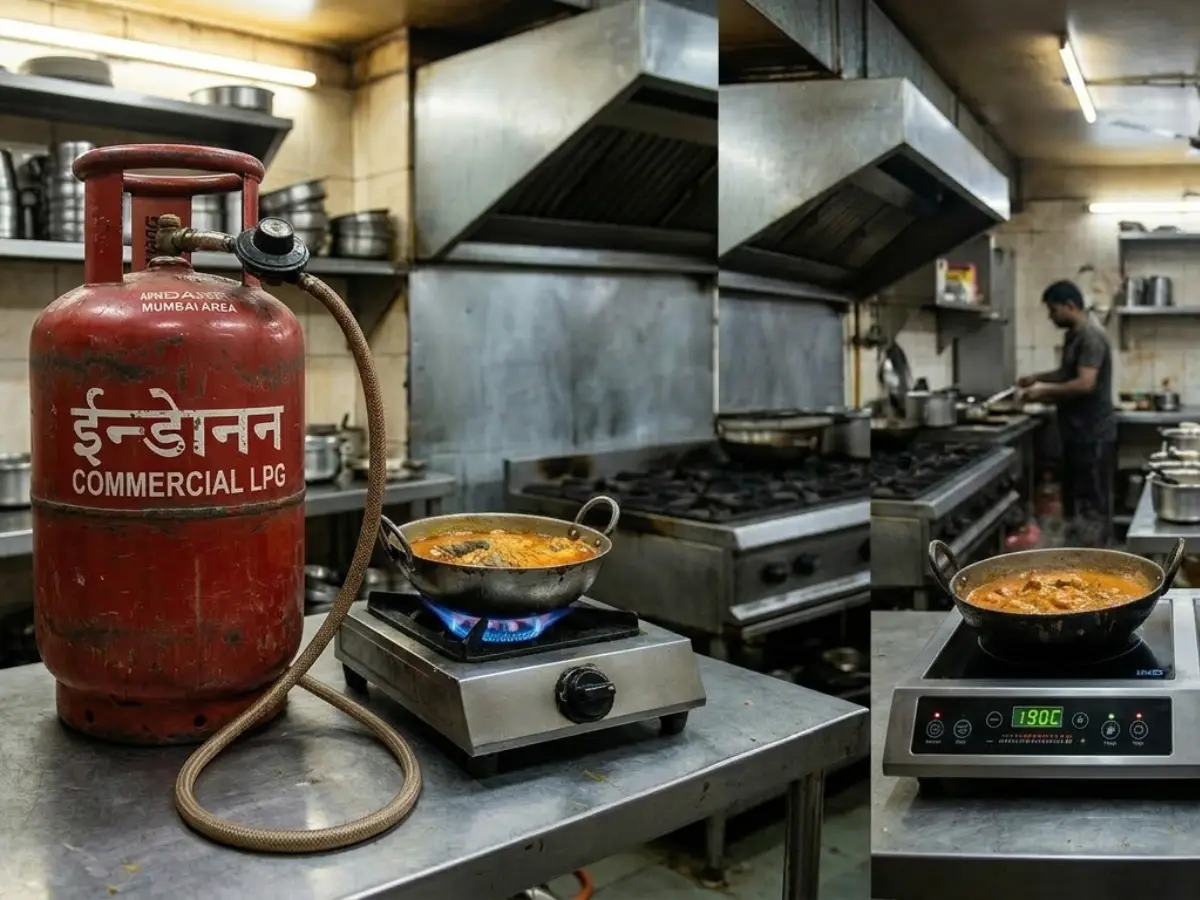
Nearly all LPG in India goes to household cooking, making it the nation's main cooking fuel by a wide margin. An estimated 16 per cent of LPG use is in commercial and industrial sectors.
However, nearly 37 per cent of households, mostly in rural areas, still use solid biomass fuels. Many rural and urban households also mix their fuels, combining LPG with wood or other biomass fuels or induction cooking.
India's LPG production capacity
India produces LPG domestically as a by-product of crude oil refining at public sector refineries of IOCL, BPCL and HPCL, as well as at private facilities such as Reliance Industries' Jamnagar complex.
In FY 2024–25, domestic LPG production was around 40 per cent, about 12.8 million metric tonnes (MMT) out of total consumption of 31.3 MMT.
The government is confident about the supply amid the Iran war because it can boost domestic production of LPG when required by diverting refinery streams of propane and butane from petrochemicals. India can also diversify its LPG imports from sources such as the US Gulf Coast.
Why the Iran war is affecting LPG supplies to India
In different years, India imports between 59 and 67 per cent of LPG. The Middle East accounted for more than 90 per cent of LPG imports in 2024. Qatar is often the largest single supplier. Other major suppliers are the UAE and Saudi Arabia. A large percentage of LPG shipments from the Middle East to India pass through the Strait of Hormuz, which is a flashpoint in the Iran war. As tensions rose, several Gulf nations have either reduced production or curbed shipments of LPG. Indian LPG consumers are now slowly feeling the pinch.