LPG cylinder shortage: 5 simple hacks to make your cooking gas last longer

When global energy prices rise, the impact is often felt in domestic kitchens through higher refill costs or supply pressure.
West Asia tensions ripple into Indian kitchens
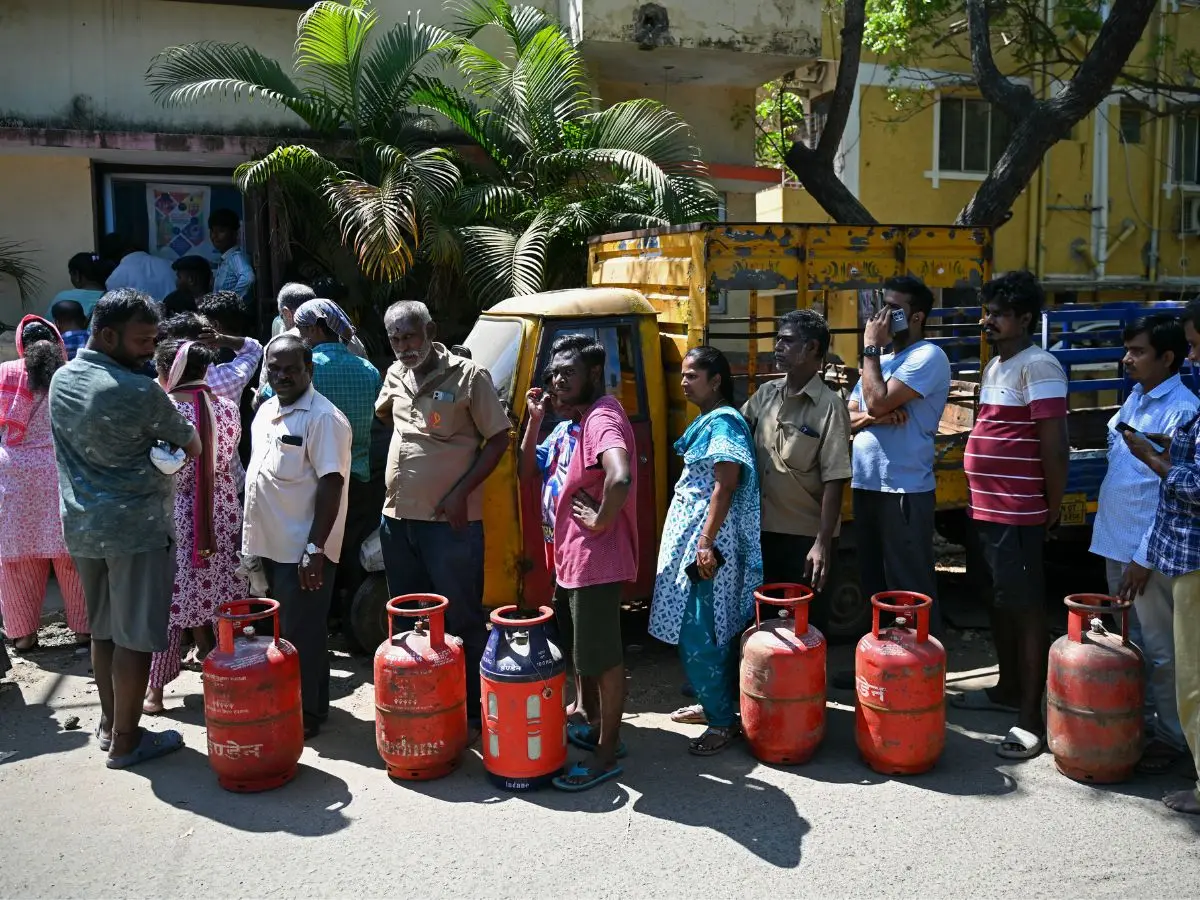
Rising tensions in West Asia are beginning to affect everyday life in India, particularly in household kitchens. Reports of shortages of commercial LPG cylinders in several cities have triggered concerns about supply and prices. The disruption follows the conflict involving US, Iran and Israel, which has unsettled global fuel markets and raised fears about the availability of cooking gas. While the Indian government has assured citizens that domestic LPG supply remains secure, some local reports suggest tighter availability in certain areas.
Supply disruption and price concerns
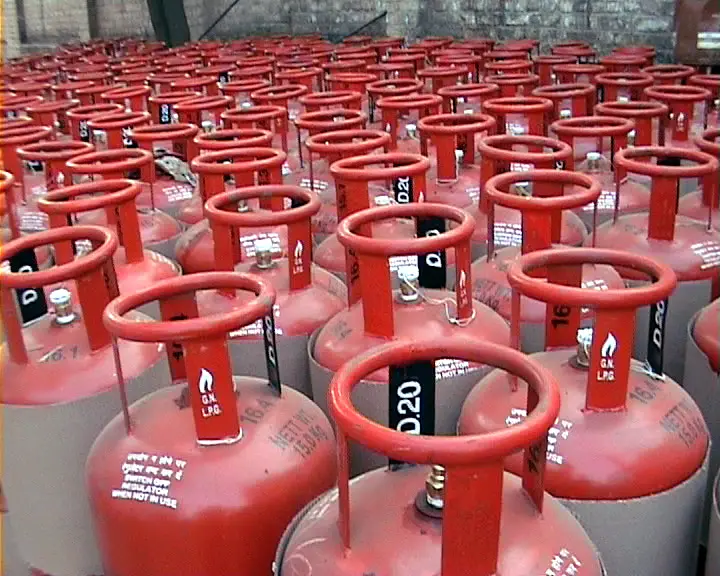
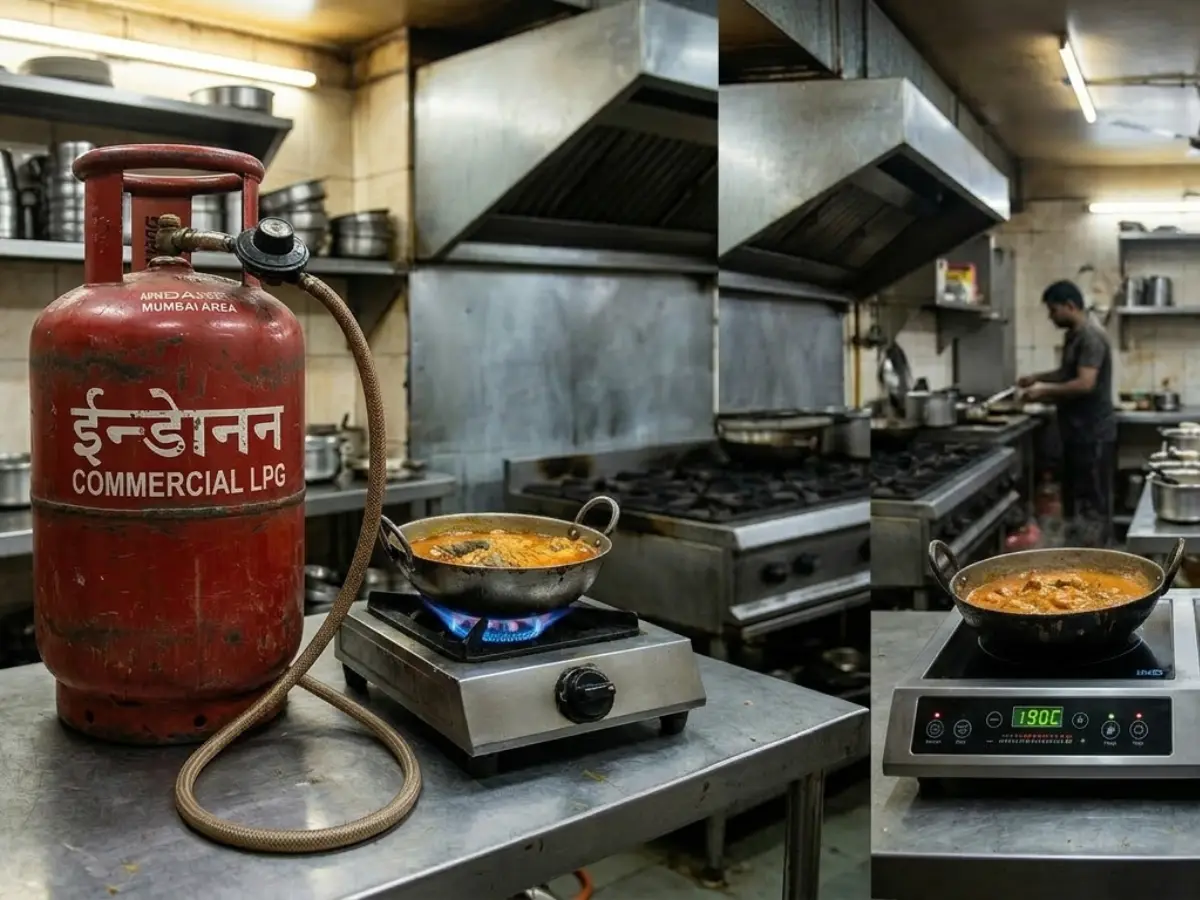
The pressure on supply has been felt most strongly in the commercial sector. Restaurants, food vendors and small eateries have reported delays in receiving cylinders. In some localities, residents have also reported longer queues outside gas agencies. There have been claims that LPG cylinders are being sold at higher prices in the black market in certain areas, reflecting the anxiety surrounding supply.
Why households are trying to save LPG
India is one of the world’s largest consumers of liquefied petroleum gas, reportedly using about 31.3 million tonnes of LPG each year, widely used for cooking in both urban and rural households. When global energy prices rise, the impact is often felt in domestic kitchens through higher refill costs or supply pressure. Efficient consumption therefore not only helps households manage costs but also reduces pressure on supply chains during periods of disruption..
1. Use pressure cookers whenever possible
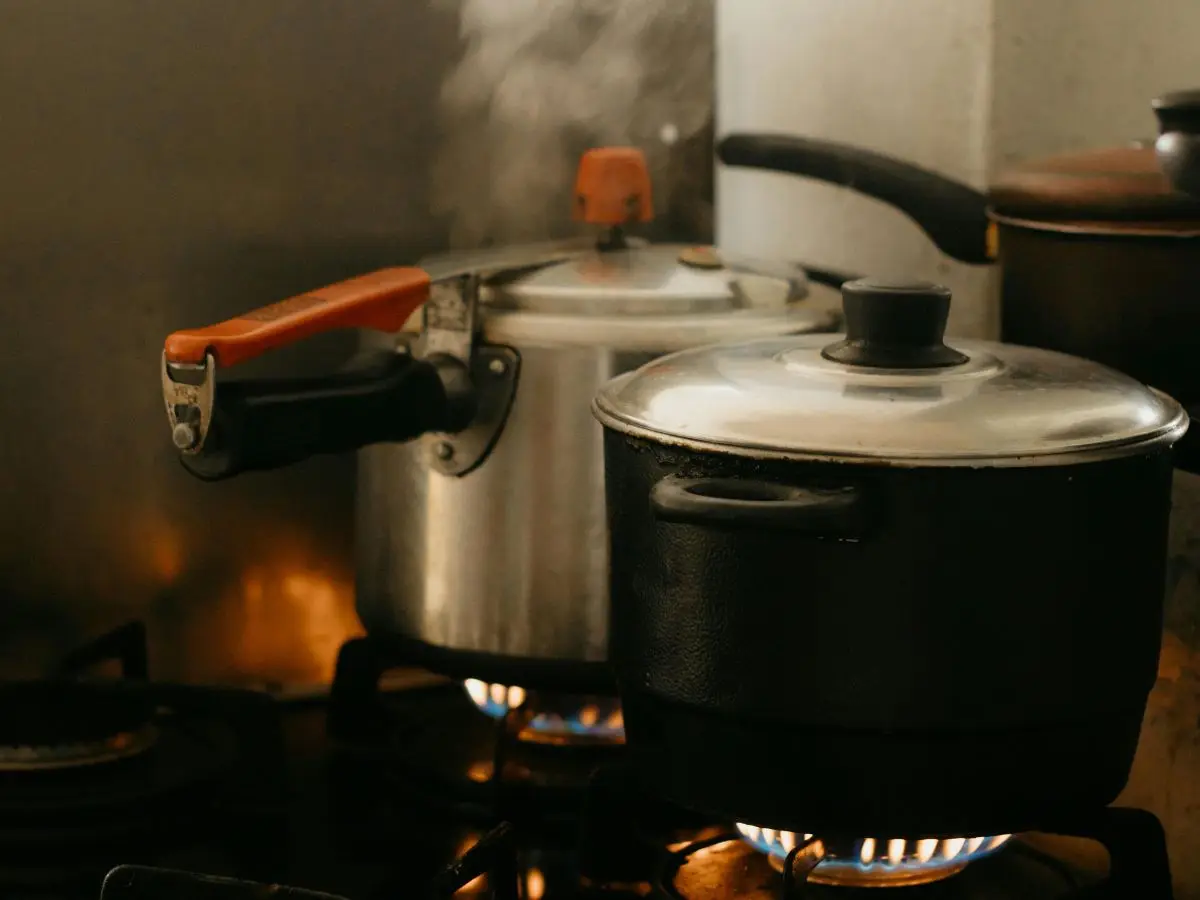
One of the most effective ways to save LPG is by using pressure cookers. They cook food faster by trapping steam and increasing internal pressure, reducing the time the burner remains on. Dishes such as lentils, rice and vegetables can be prepared significantly quicker compared with open cooking methods.
2. Prepare ingredients in advance
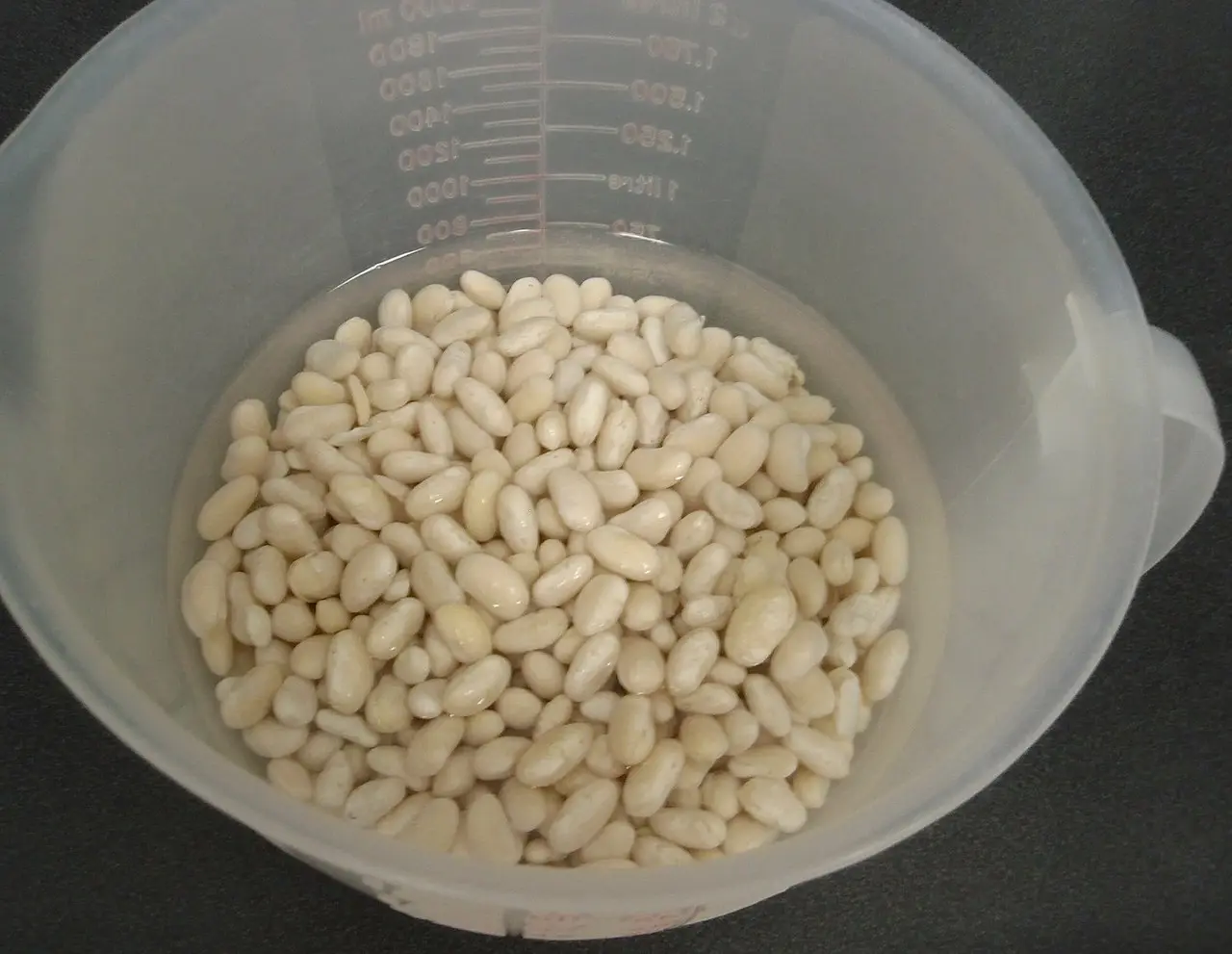
Soaking grains and pulses before cooking helps soften them, reducing the time required on the stove. Chopping vegetables into smaller pieces also speeds up cooking. Preparing ingredients beforehand ensures that burners are not left running longer than necessary.
3. Keep pots covered while cooking
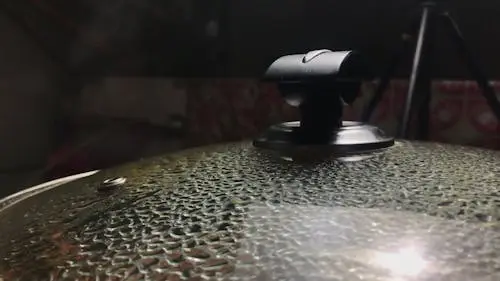
Cooking with lids on utensils prevents heat from escaping and allows food to cook more quickly. This simple step can cut cooking time and reduce fuel consumption. Covered cooking is particularly effective for boiling, steaming and simmering foods.
4. Maintain stoves and burners
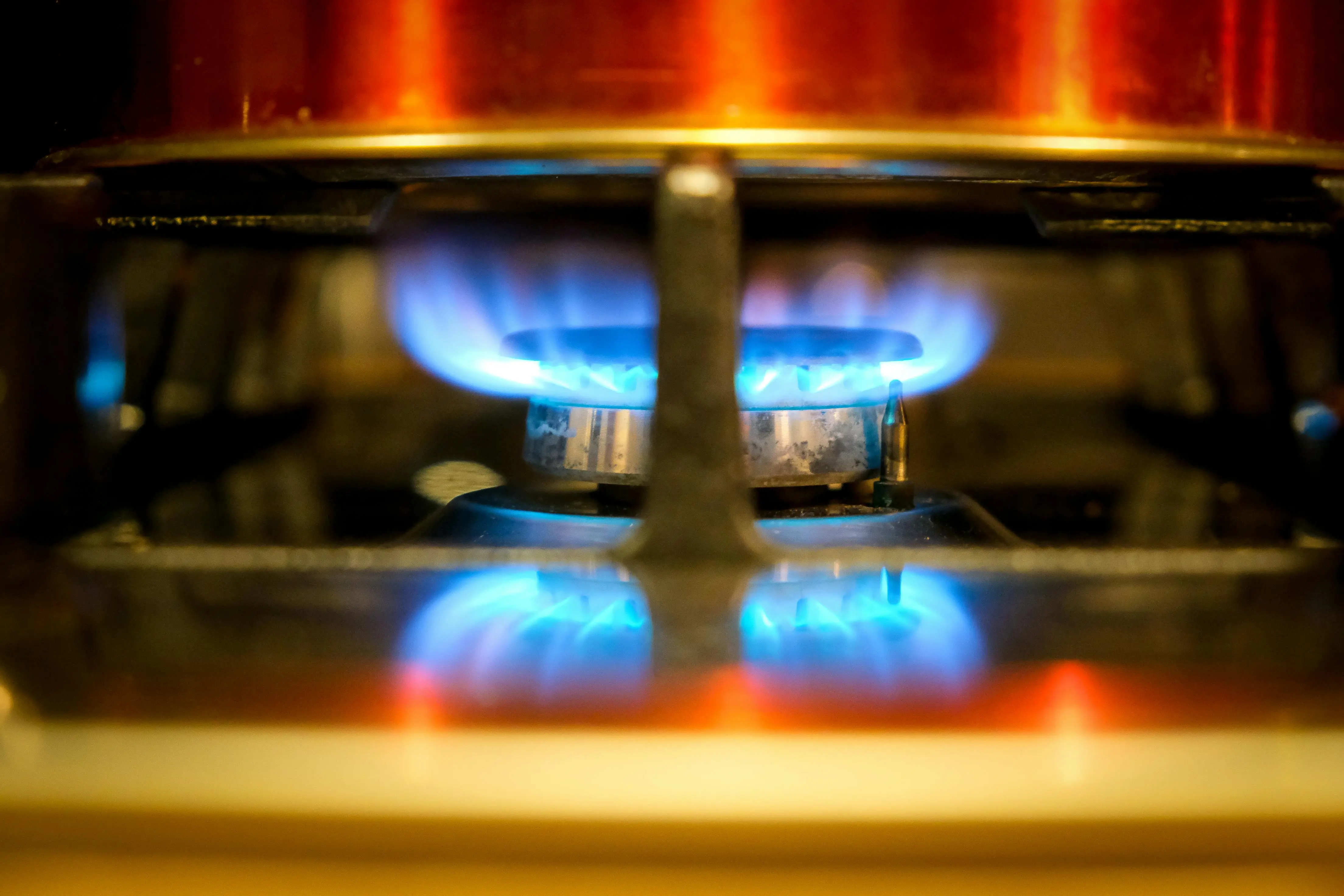
Regularly cleaning stove burners is another practical way to save LPG. Dust and food particles can block burner holes, leading to uneven flames and inefficient fuel use. A clean burner ensures a steady blue flame, which indicates proper combustion and better fuel efficiency.
5. Plan cooking efficiently
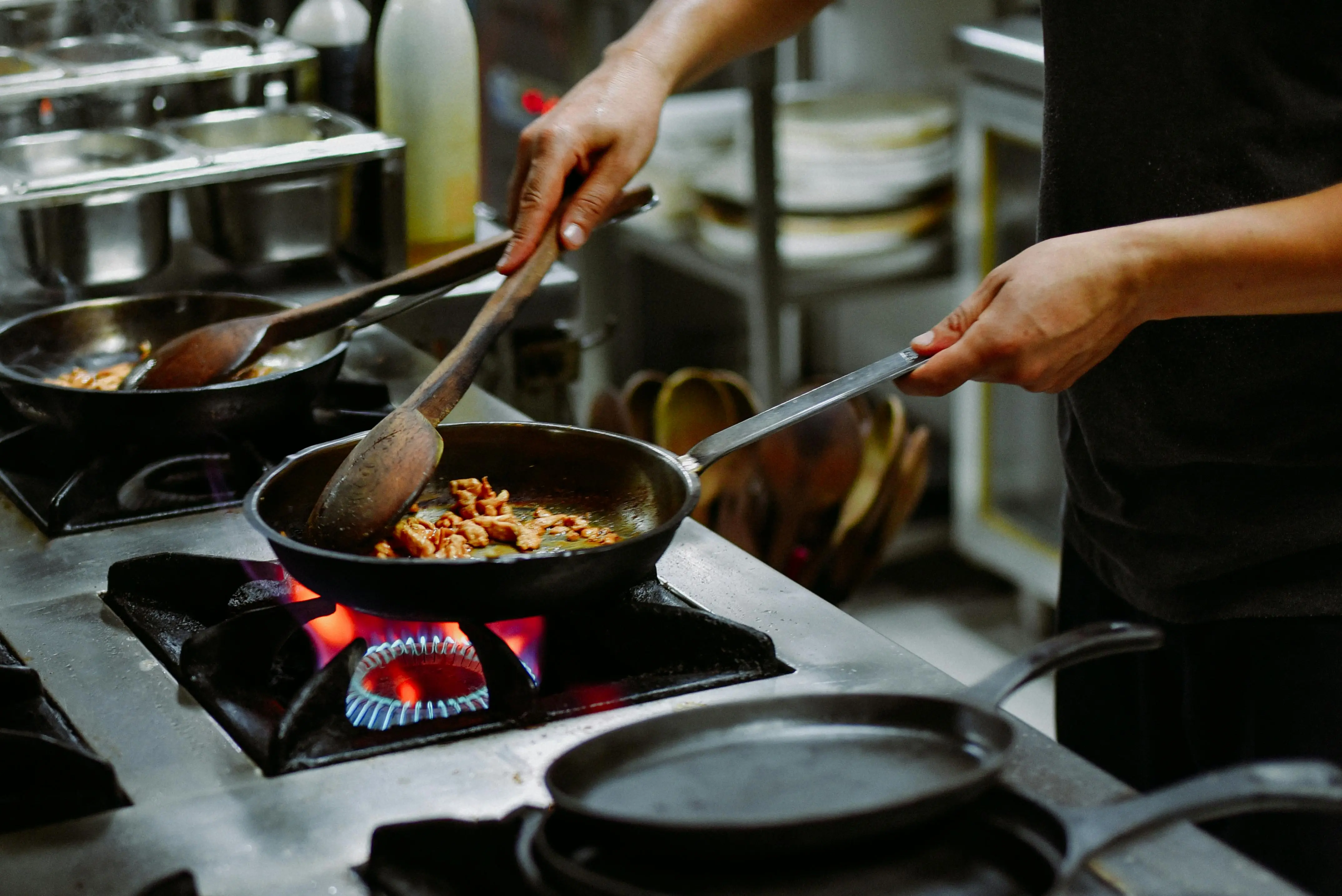
Cooking multiple dishes at once and organising meal preparation can also conserve gas. Using residual heat after switching off the burner, particularly for dishes that require simmering, helps maximise fuel use. By adopting such everyday practices, households can stretch LPG supplies while maintaining routine cooking.
)
)
)
)
)