How do LPG, LNG, PNG and CNG fuel India’s homes, transport and industry? Know the differences

Minister of Petroleum and Natural Gas, Hardeep Singh Puri, noted that non-Hormuz crude now accounts for 70 per cent of imports, with petrol, diesel, and LNG supplies largely secure.
Introduction
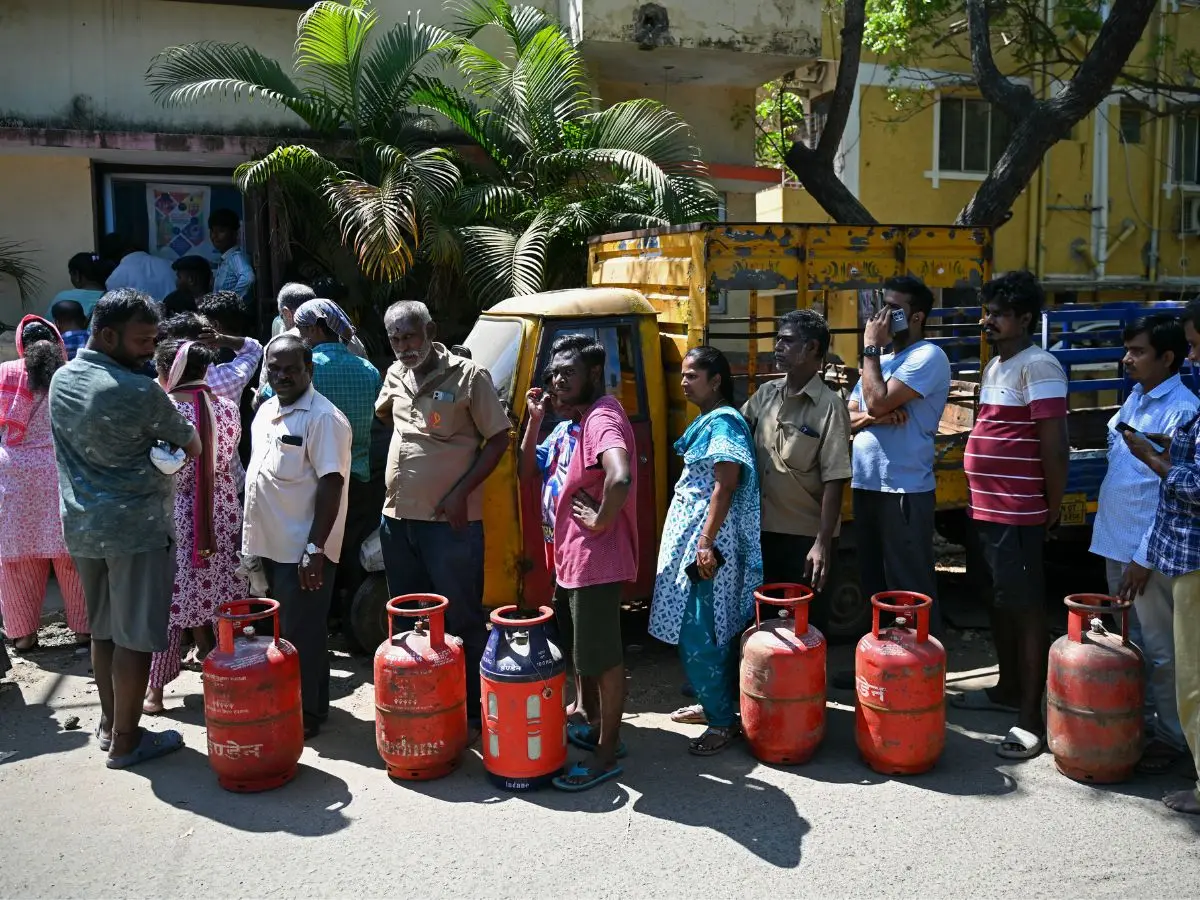
The ongoing conflict involving Iran, Israel, the United States, and other countries has disrupted global energy markets, with panic on direct implications for household fuel supplies in India. The Strait of Hormuz, through which roughly one‑fifth of the world’s crude oil and liquefied natural gas (LNG) passes, has experienced a near‑halt in shipping, raising transport costs and affecting output from Middle Eastern producers. India, the world’s second-largest LPG importer, has used emergency powers to increase refinery output, although supply remains tight in canteens and hostels.
What did the government say?
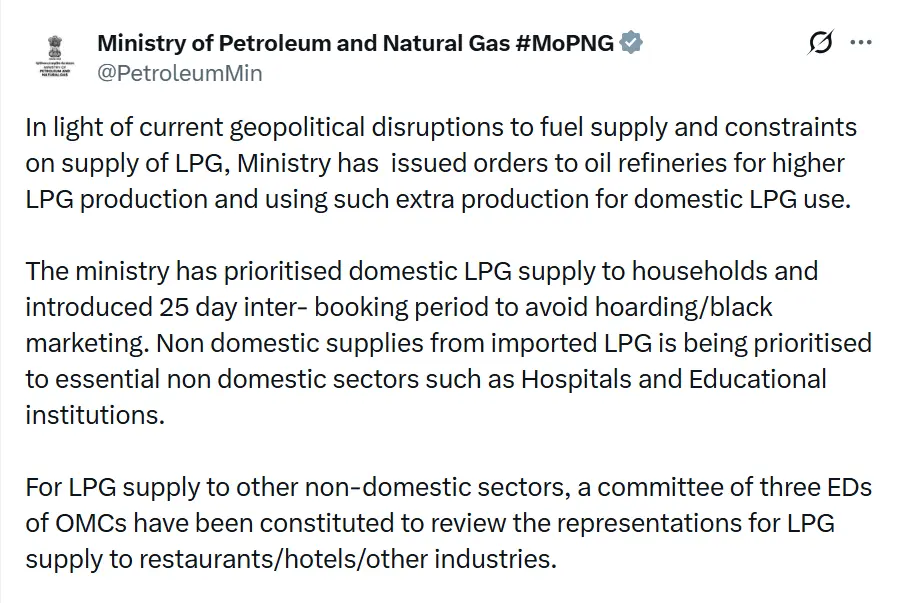
Minister of Petroleum and Natural Gas, Hardeep Singh Puri, noted that non-Hormuz crude now accounts for 70 per cent of imports, with petrol, diesel, and LNG supplies largely secure. While the government has stressed that consumer anxiety, rather than an actual shortage, is driving panic, understanding the differences between LPG, LNG, PNG, and CNG helps clarify why these disruptions matter for Indian households.
Liquefied Petroleum Gas (LPG)
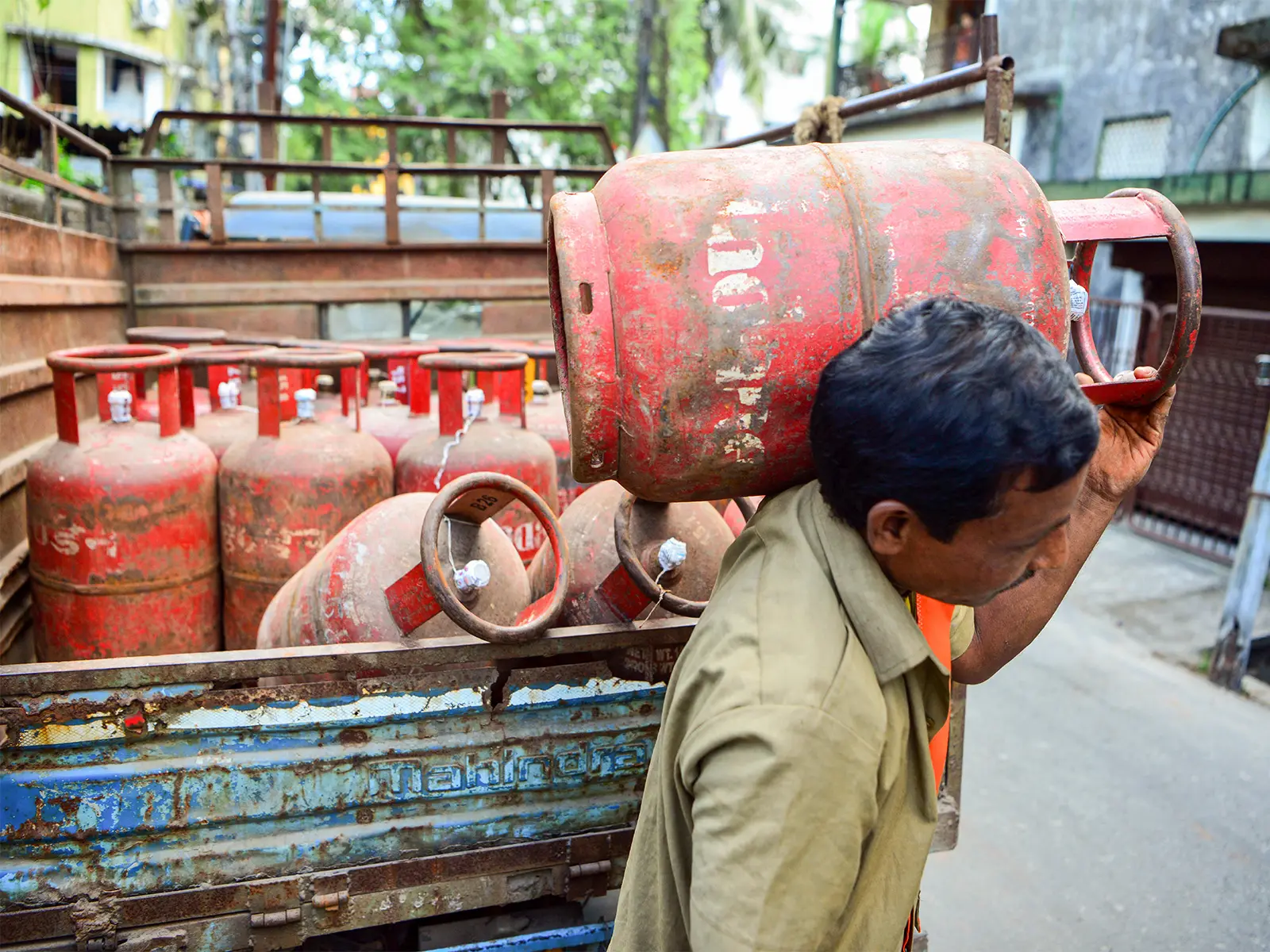
LPG is a mixture of propane and butane produced during crude oil refining and natural gas processing. It is stored in pressurised cylinders and is India’s principal cooking fuel in homes without pipeline gas. India is the world’s second‑largest importer of LPG, with around 60 per cent of its requirement typically brought in from overseas, mostly via the Strait of Hormuz, a chokepoint that has seen disrupted tanker movements due to conflict in the Gulf. In response to recent supply constraints, the Indian Ministry of Petroleum has instructed refineries to maximise LPG output and directed that additional production be allocated to household supply. A 25‑day minimum gap between subsidised bookings has been introduced to prevent hoarding, and essential non‑domestic supplies (such as hospitals and schools) are being prioritised over commercial usage by restaurants and hotels.
Liquefied Natural Gas (LNG)
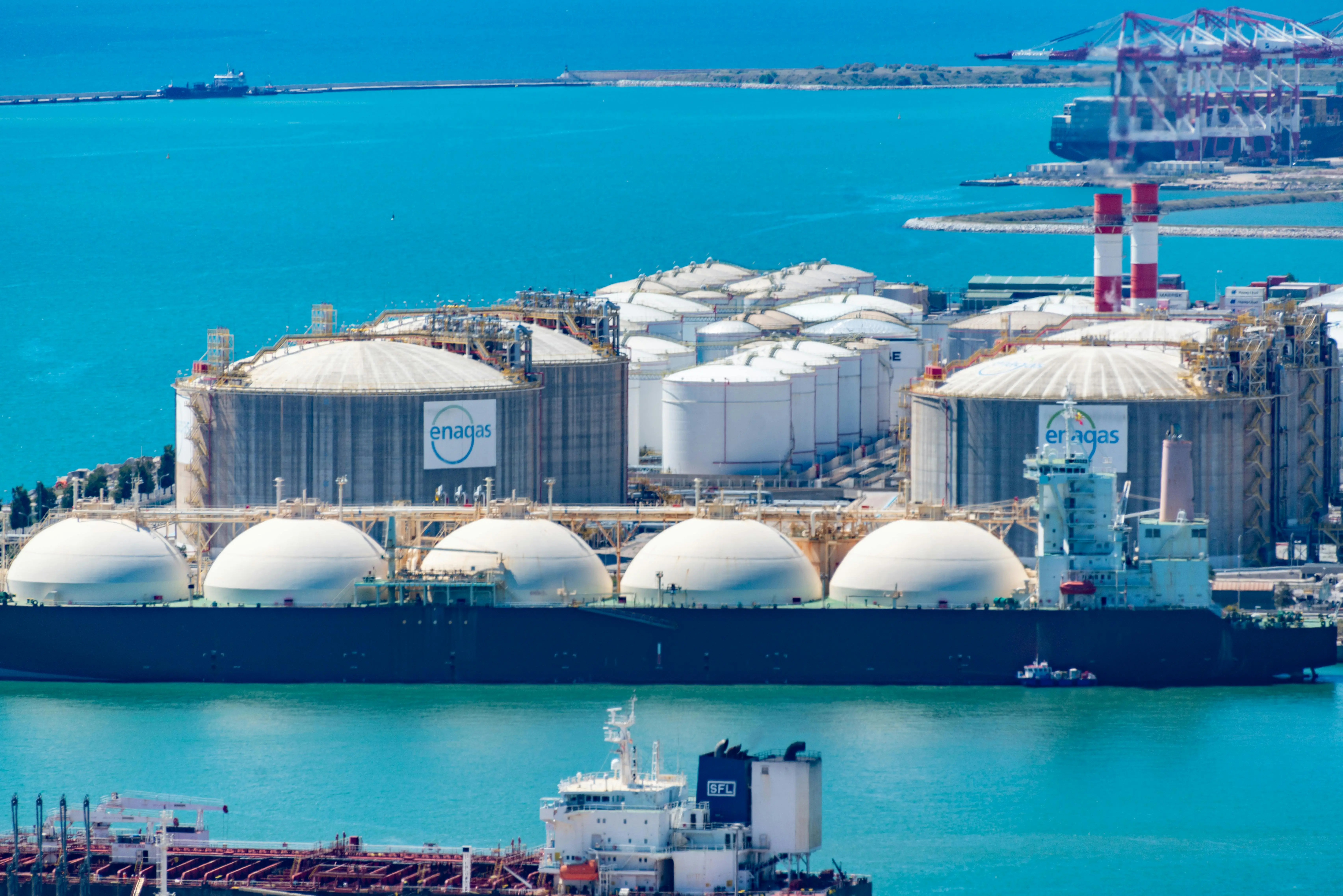
LNG is natural gas cooled to approximately –162 °C to become a liquid, reducing its volume for transportation by ship. Once imported into India, LNG is regasified at coastal terminals and fed into the broader gas network, including city gas distribution and industrial supply. Although LNG is not typically consumed directly in households, it underpins supplies of piped gas and supports power generation and industry. India imports a significant share of its LNG from Middle Eastern suppliers via the Strait of Hormuz, and geopolitical disruptions have necessitated alternative sourcing and prioritisation of gas for core needs. According to Reuters, India is the world's fourth-largest LNG importer.
Piped Natural Gas (PNG)
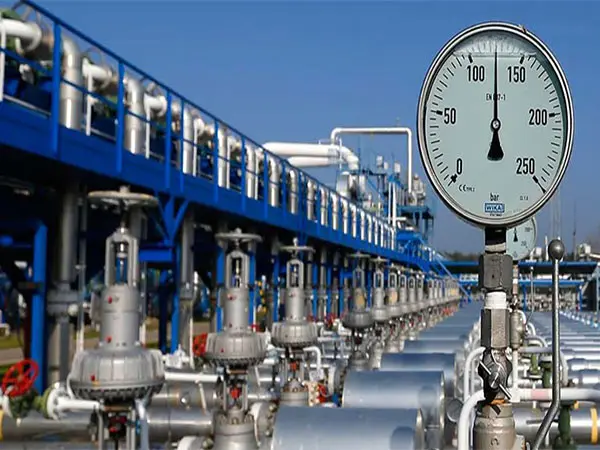
Piped Natural Gas (PNG) is primarily methane delivered to homes and commercial establishments through an underground pipeline network. It offers a cleaner and more convenient alternative to cylinder-based cooking fuels, with consumption metered and billed like other utilities. Government data show a rapid expansion of PNG connections in recent years, reflecting India’s broader energy policy to increase natural gas use for cleaner household energy. According to a Press Information Bureau (PIB) fact-check report, domestic PNG supply will remain unaffected. India has already planned to expand its LNG import capacity by 27 per cent to 66.7 million metric tons per year by 2030, as reported by Reuters.
Compressed Natural Gas (CNG)
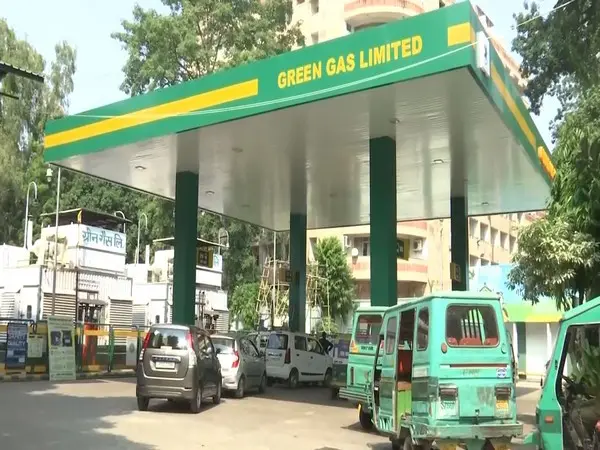
Compressed Natural Gas (CNG) is natural gas compressed to high pressure and used primarily as a vehicle fuel. It burns cleaner than petrol or diesel, helping reduce urban air pollution, and its infrastructure, including CNG stations, has expanded substantially over the past decade. According to the Petroleum and Natural Gas Regulatory Board (PNGRB), India had more than 8,600 operational CNG stations nationwide by mid‑2025, up from just 738 in 2014. Millions of vehicles now run on CNG, making it a key component of urban transport energy. Amid current supply pressures, the government has maintained full allocation priority for CNG ensuring mobility and household fuel security, as confirmed by the Press Information Bureau (PIB).
)
)
)
)
)