India LPG cylinder shortage: 6 simple alternatives to keep your kitchen running

With cooking gas prices rising and reports of supply disruptions creating anxiety among consumers, households are increasingly looking for reliable alternatives to LPG cylinders.
LPG dependence
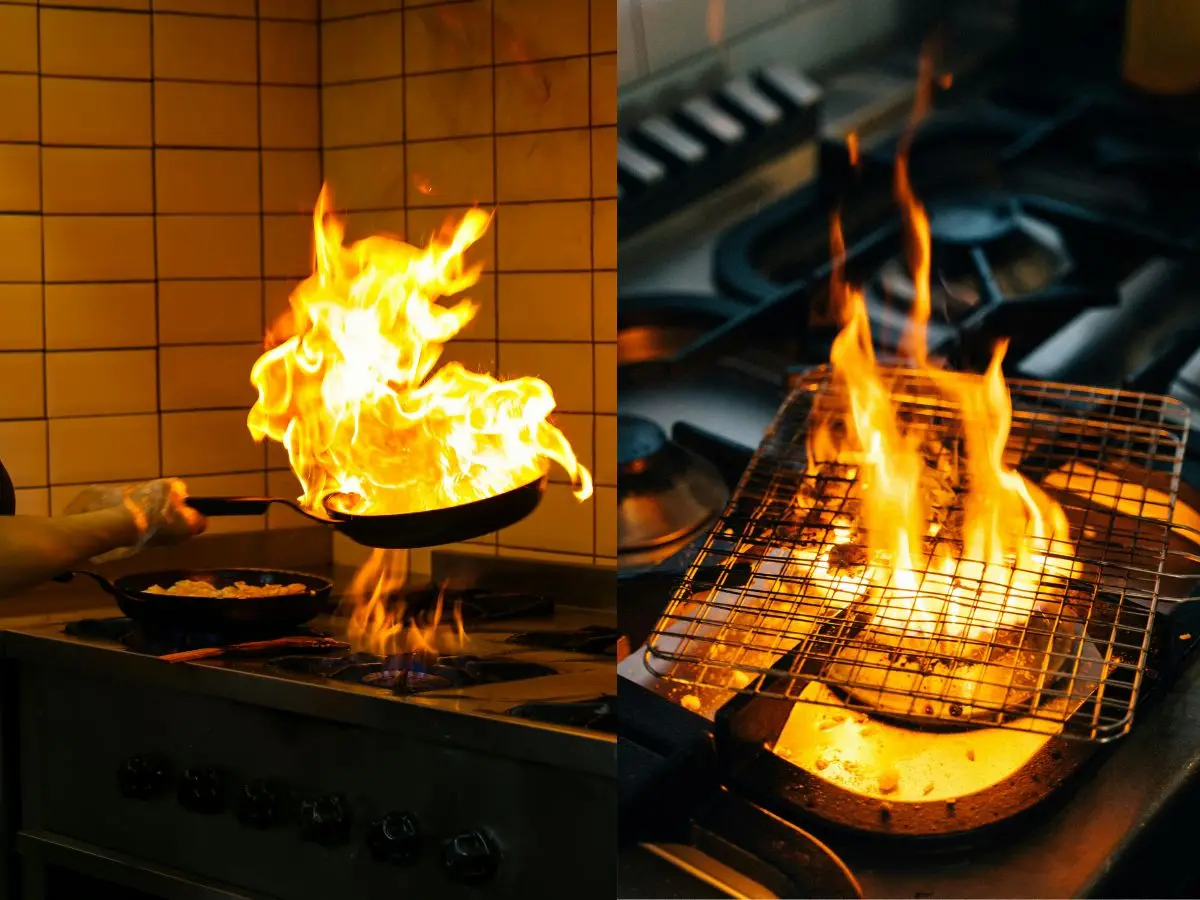
As the conflict in the Middle East disrupts energy supply routes and curbs shipping through the Strait of Hormuz, kitchens across India are beginning to feel the impact. The resulting supply squeeze has tightened deliveries of liquefied petroleum gas (LPG), pushing many households and food businesses to rethink how they cook. In several places, hot meals and even tea are being replaced with simpler options such as fast food or lemon water as cooks try to stretch limited fuel supplies. With cooking gas prices rising and reports of supply disruptions creating anxiety among consumers, households are increasingly looking for reliable alternatives to LPG cylinders. While gas remains the primary cooking fuel in most urban homes, a number of practical options can help keep kitchens running during a shortage.
Supply concerns bring LPG dependence into focus
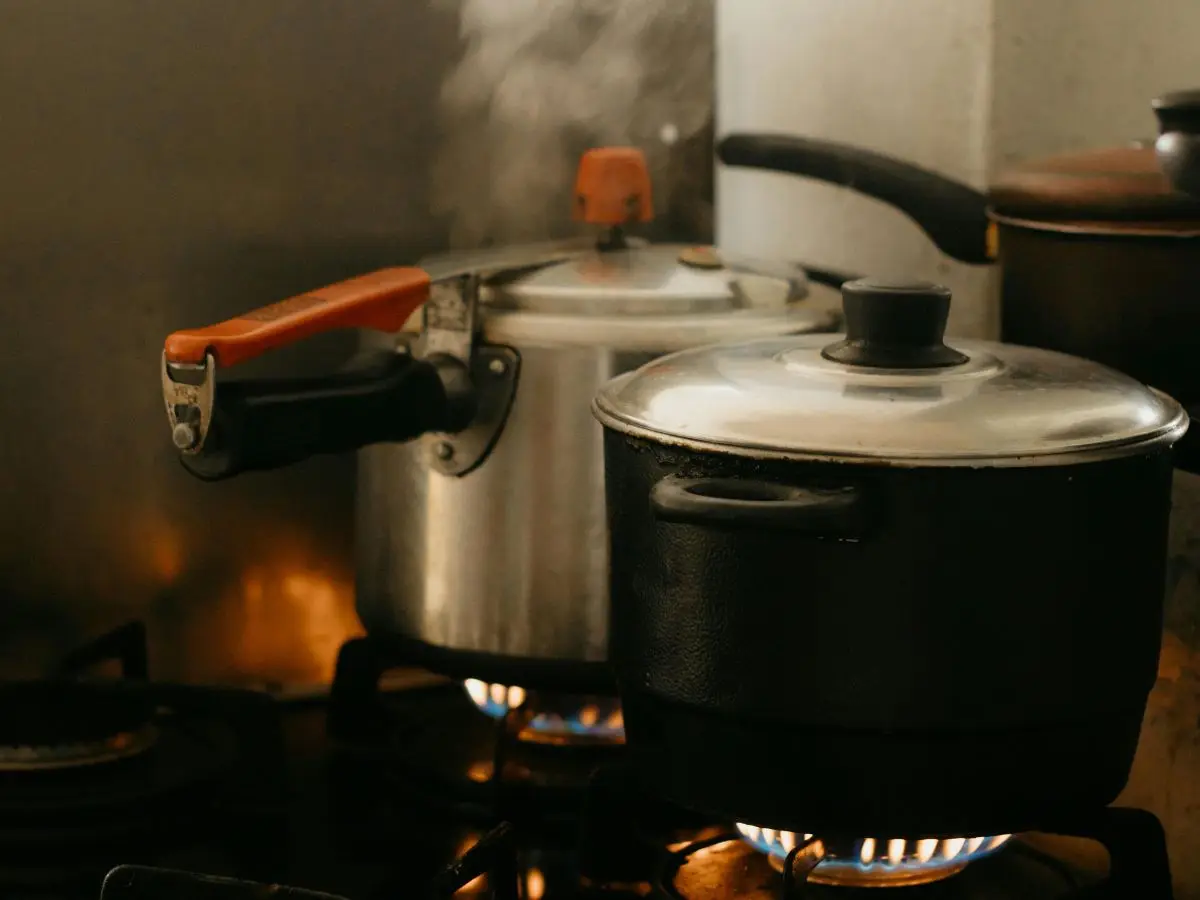
Reports of cooking gas supply disruptions in several Indian cities. Restaurants and small eateries in cities such as Delhi, Mumbai and Bengaluru have reported delays in receiving commercial cylinders, highlighting how dependent urban kitchens have become on LPG.
Why households rely heavily on LPG
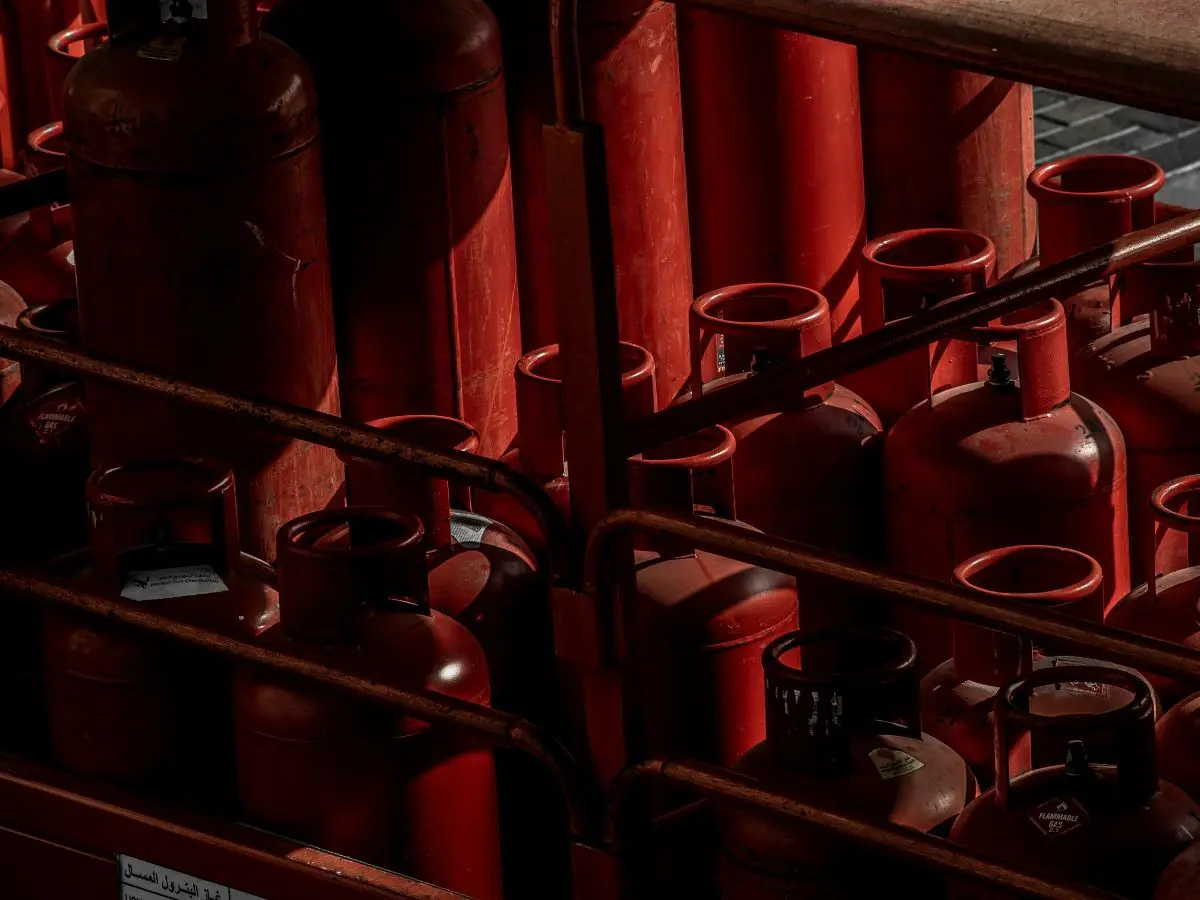
Government data shows that LPG consumption in India has grown steadily as families move away from traditional fuels such as firewood and coal. Programmes aimed at promoting cleaner cooking fuels have helped expand access across the country. As a result, a temporary disruption in LPG supply can quickly affect daily cooking routines in both homes and small food businesses.
Electric induction cooktops
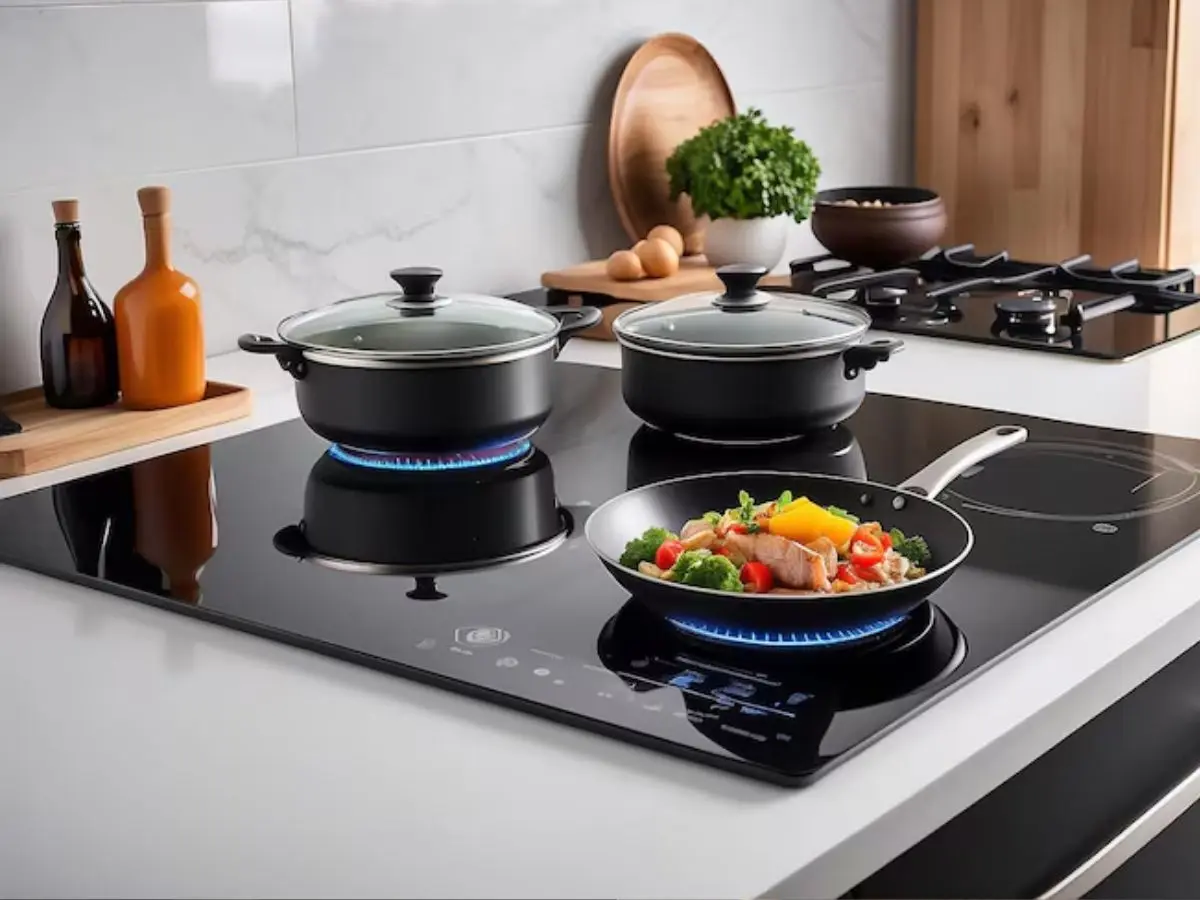
One widely available alternative is the induction cooktop. These appliances use electricity to heat cookware directly and can perform many tasks normally handled by LPG stoves. Induction cookers are commonly used for boiling, frying and preparing simple meals, making them a practical backup option in households that have access to stable electricity.
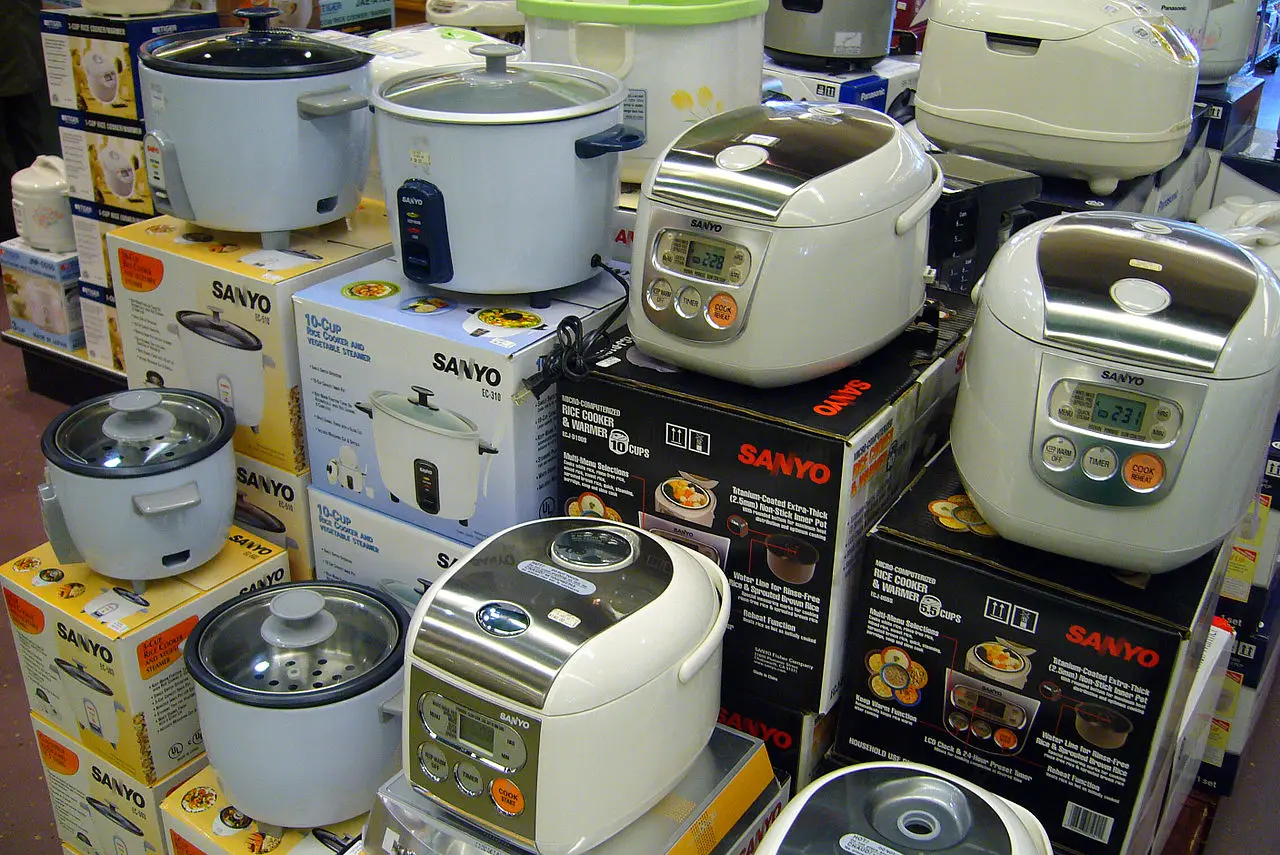
Rice cookers and electric pressure cookers
Electric rice cookers and electric pressure cookers can handle many everyday dishes without the need for LPG. Rice, lentils, soups and steamed vegetables can be prepared efficiently in these appliances. Many households already use such devices for convenience, and they can serve as an important alternative when gas supplies are delayed.
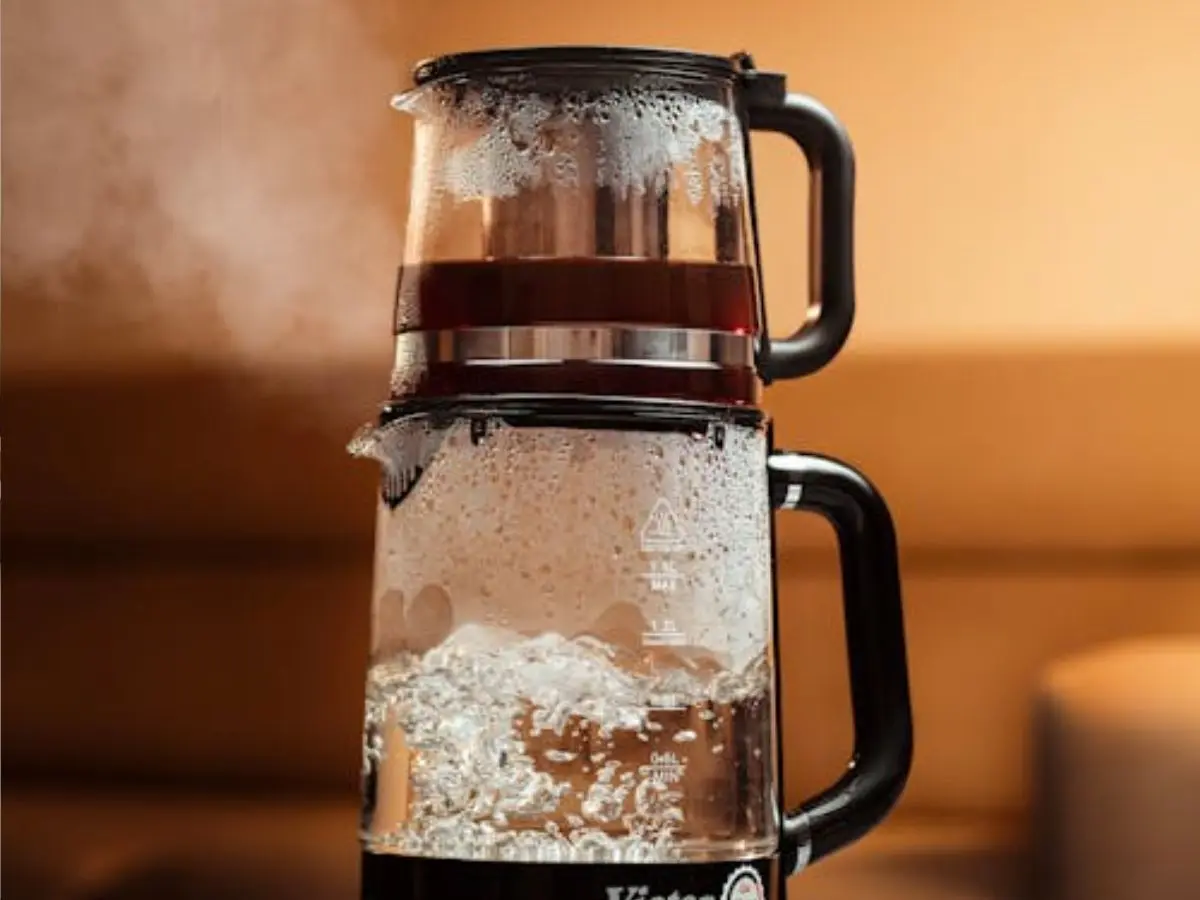
Electric kettles for basic cooking
Electric kettles are typically used for boiling water, but they can also assist in preparing instant noodles, soups, Boiled eggs or hot beverages. While they are not designed for full-scale cooking, they reduce the need to use LPG for basic heating tasks.
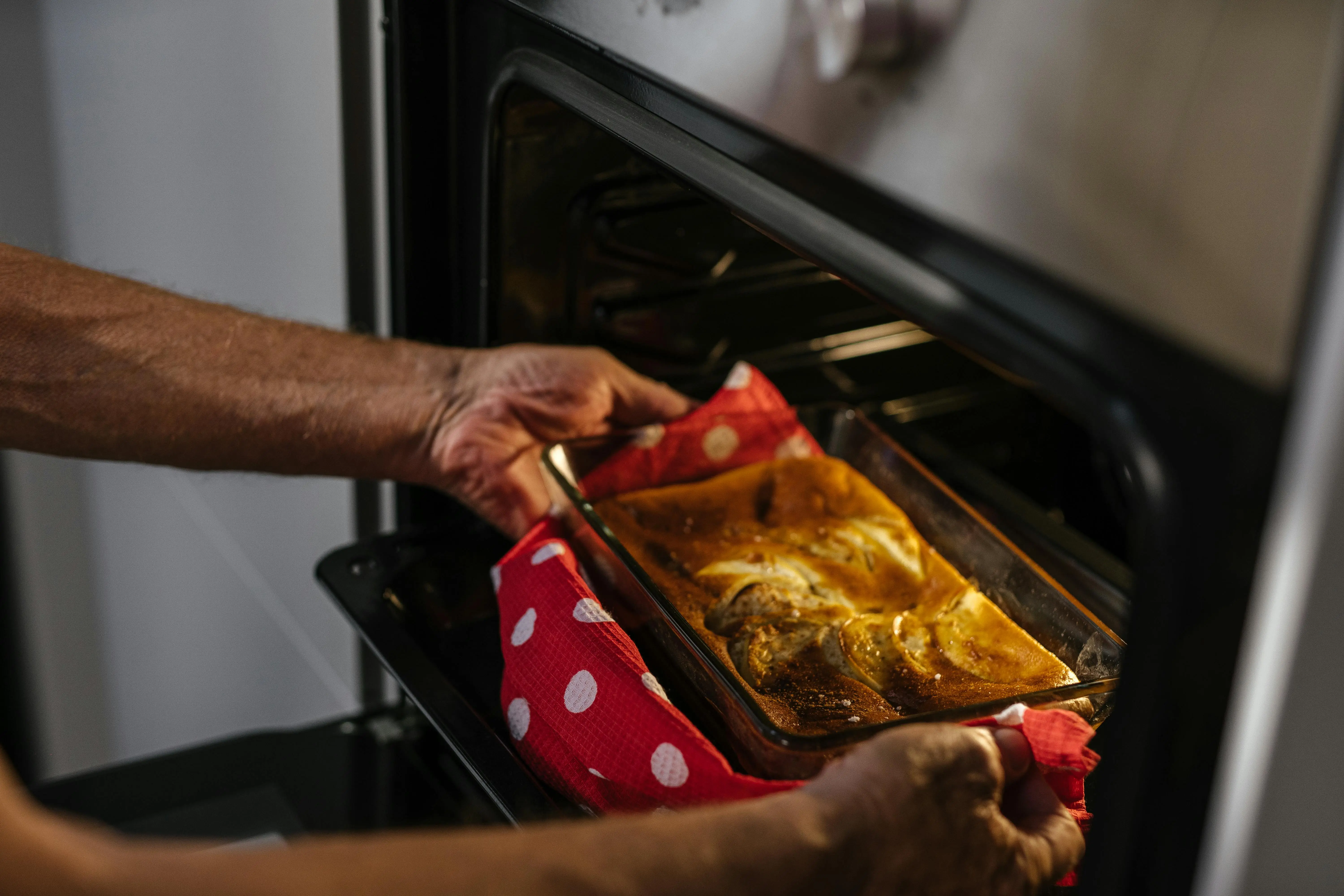
Microwave ovens for reheating and simple meals
Microwave ovens can help households manage short-term LPG shortages by reheating leftovers and preparing quick meals. Ready-to-eat food, frozen items and simple recipes can be handled in microwaves, reducing dependence on gas stoves.
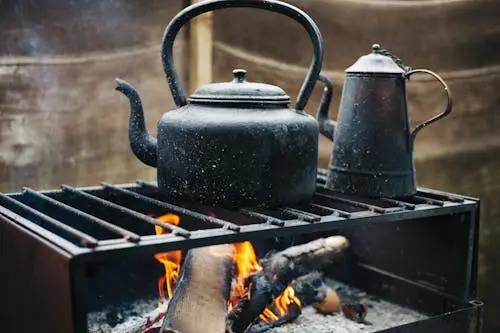
Firewood and traditional stoves
In some areas, households have also turned to firewood or traditional biomass stoves as a temporary alternative during cooking gas shortages. Firewood has long been used as a cooking fuel in many parts of India, particularly in rural regions. While government policies promote cleaner fuels such as LPG to reduce indoor air pollution, traditional stoves can still act as a short-term fallback when gas supplies are disrupted and other options are unavailable.

No-cook meal options
Another practical approach during gas shortages is preparing meals that require little or no cooking. Foods such as salads, fruit bowls, yoghurt-based dishes, sandwiches and soaked grains like overnight oats can be assembled without using heat. Such options can help households manage daily meals while waiting for regular LPG supply to resume.
Shared kitchens and meal planning
In some neighbourhoods, households cope with gas shortages by sharing cooking facilities or preparing meals collectively. Planning meals that require minimal cooking, such as salads or foods that only need reheating, can also reduce reliance on LPG. Such practical adjustments allow families to maintain daily cooking routines while waiting for normal gas supply to resume.
)
)
)
)
)