India not a ‘middle power’ but a power in the middle, says EAM Jaishankar, cites PM Modi’s definition

&imwidth=600&imheight=450&format=webp&quality=medium "India not a ‘middle power’ but a power in the middle, says EAM Jaishankar, cites PM Modi’s definition")
EAM S Jaishankar also highlighted the growing importance of economic interdependence in the changing global order
Describing the current international environment as a “world of choke points”, EAM S Jaishankar said countries could use their control over critical resources and finances to exert pressure on others. He also cautioned against viewing the ongoing changes in the global order pessimistically.
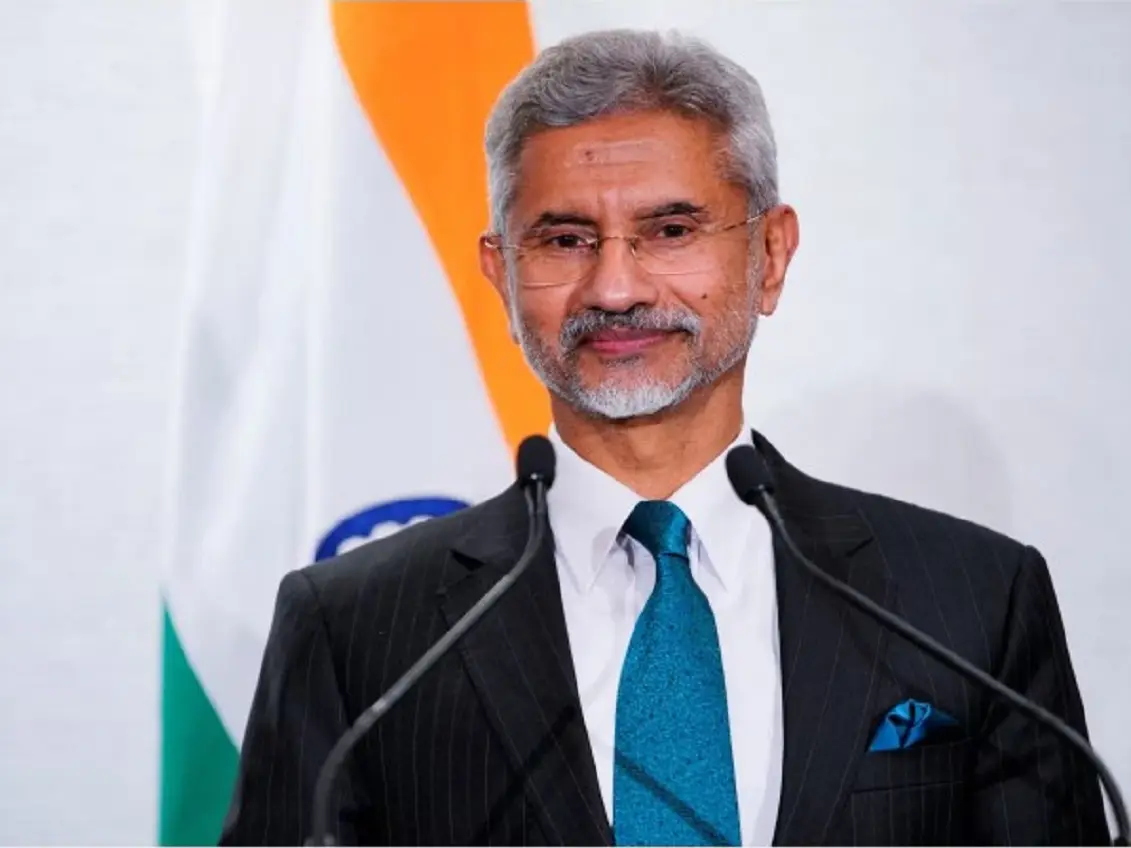
External Affairs Minister S Jaishankar said on Wednesday that India does not identify itself as a middle power but rather as a power in the middle. He pointed out that India is the world’s most populous country with a GDP of around four trillion dollars and significant growth potential, and hence the term ‘middle power’ does not reflect India’s position and ambitions adequately.
He also quoted Prime Minister Narendra Modi on his definition of a “middle power” as “the countries who have the power to empower”.
“More than a middle power, in a way, we are powers in the middle. What would really define a middle power? To use the Prime Minister’s words, the countries who have the power to empower,” EAM Jaishankar said at a Bloomberg event in New Delhi.
“Would India be a middle power? It’s not a comfortable description because if you are the most populous country in the world, you have a GDP of $4 trillion, give or take, and you have a lot of growth ahead of you, staring you in the face, then the middle power somehow seems to be limiting itself by that definition,” he added.
The EAM further said that middle powers will now define their own interests, formulate independent policies and reach agreements with one another. “This would enable middle powers to play a more active role in shaping the emerging international order,” he said.
“The middle powers would now each apply their own mind, stake out their own interests, figure out their own policies, and then reach arrangements with each other,” Jaishankar said.
Trending Stories
&imwidth=280&imheight=210&format=webp&quality=medium)
&imwidth=280&imheight=210&format=webp&quality=medium)
&im=FitAndFill=(700,400)&imwidth=280&imheight=210&format=webp&quality=medium)
&imwidth=280&imheight=210&format=webp&quality=medium)
&imwidth=280&imheight=210&format=webp&quality=medium)
&imwidth=280&imheight=210&format=webp&quality=medium)
&imwidth=280&imheight=210&format=webp&quality=medium)
&imwidth=280&imheight=210&format=webp&quality=medium)
&imwidth=280&imheight=210&format=webp&quality=medium)
&imwidth=280&imheight=210&format=webp&quality=medium)
&imwidth=280&imheight=210&format=webp&quality=medium)
&imwidth=280&imheight=210&format=webp&quality=medium)
&imwidth=280&imheight=210&format=webp&quality=medium)
&imwidth=280&imheight=210&format=webp&quality=medium)
&imwidth=280&imheight=210&format=webp&quality=medium)
&imwidth=280&imheight=210&format=webp&quality=medium)
&imwidth=280&imheight=210&format=webp&quality=medium)
&imwidth=280&imheight=210&format=webp&quality=medium)
&imwidth=280&imheight=210&format=webp&quality=medium)
&imwidth=280&imheight=210&format=webp&quality=medium)
&imwidth=280&imheight=210&format=webp&quality=medium)
&imwidth=280&imheight=210&format=webp&quality=medium)
&imwidth=280&imheight=210&format=webp&quality=medium)
&imwidth=280&imheight=210&format=webp&quality=medium)
&imwidth=280&imheight=210&format=webp&quality=medium)
&imwidth=280&imheight=210&format=webp&quality=medium)
&im=FitAndFill=(700,400)&imwidth=280&imheight=210&format=webp&quality=medium)
&imwidth=280&imheight=210&format=webp&quality=medium)
&imwidth=280&imheight=210&format=webp&quality=medium)
&imwidth=280&imheight=210&format=webp&quality=medium)
&imwidth=280&imheight=210&format=webp&quality=medium)
&imwidth=280&imheight=210&format=webp&quality=medium)
&imwidth=280&imheight=210&format=webp&quality=medium)
&imwidth=280&imheight=210&format=webp&quality=medium)
EAM also highlighted the growing importance of economic interdependence and the risks posed by the weaponisation of strategic resources in the changing global order.
‘World of choke points’
Describing the current international environment as a “world of choke points”, Jaishankar said countries could use their control over critical resources and financial mechanisms to exert pressure on others.
“It’s also today a world of choke points, and you know the tendency to weaponise. We tend to think of rare earths as an example, but the fact is even finance is a choke point. I mean, sanctions are a choke point. I mean, people are weaponising their grip on finance or on the US dollar,” Jaishankar said.
He said global competition would increasingly revolve around what different countries could offer and the agreements they could negotiate to advance their respective interests.
“The point, I think, is we are moving to a world where the competition is going to be, to some degree, who has what to bring to the table, and then deals among them saying, you know, you do this, I do this. Let’s develop this together. Let’s trade this for each other,” he said in a discussion with Canadian Foreign Minister Anita Anand, former Australian Prime Minister Kevin Rudd and former UK Prime Minister Rishi Sunak.
Jaishankar also cautioned against viewing the ongoing changes in the global order pessimistically. He added that the current transition should not be seen as a shift from order to disorder but as the evolution of a different kind of order.