

&imwidth=800&imheight=600&format=webp&quality=medium "Saudi Arabia strikes Yemen oil sites as Houthi missiles target Riyadh; 'limited fire' breaks out at Aramco")
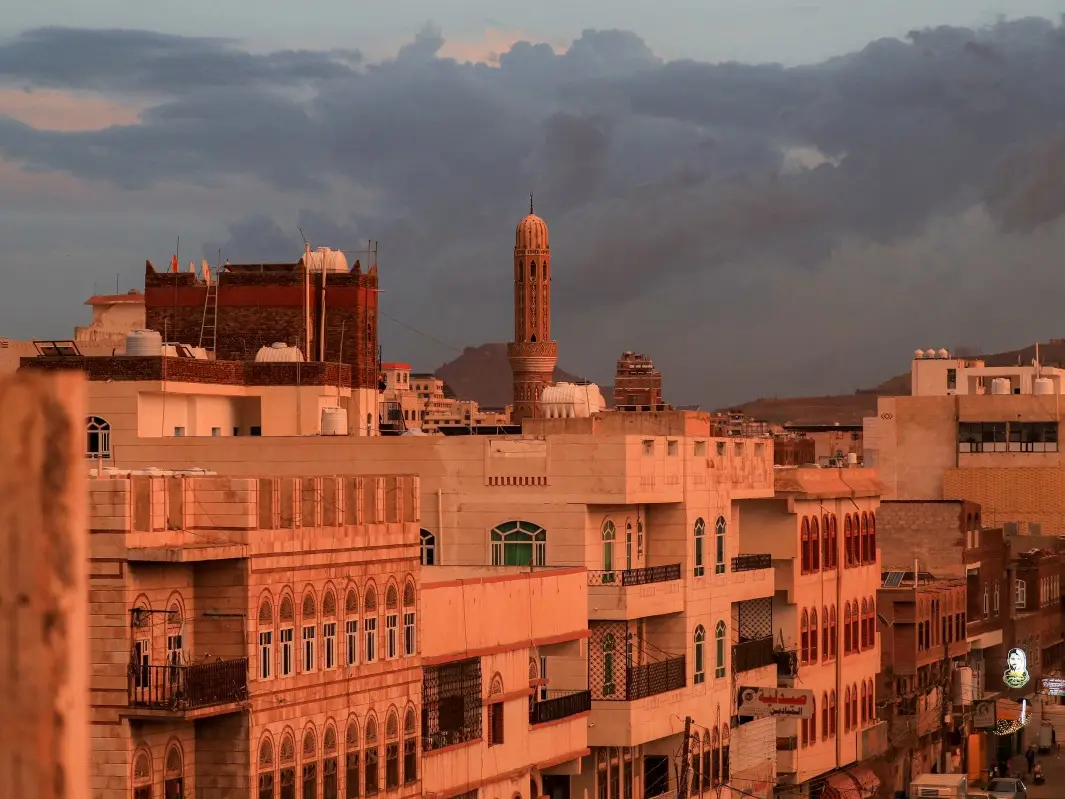
Saudi Arabia’s Saudi-led coalition launched strikes against oil facilities across western Yemen, including the capital, Sanaa, following a deadly Houthi attack on Saudi territory that has sharply escalated the conflict. The strikes took place on Tuesday as explosions were subsequently reported in the Saudi capital, Riyadh, and near an Aramco facility in eastern Saudi Arabia, according to witnesses and journalists cited by AFP. The coalition said it had intercepted several Houthi missiles targeting the kingdom, including Riyadh. Debris reportedly fell in a residential area in Dhahran, home to the headquarters of Saudi oil giant Aramco.
Coalition spokesman Turki al-Maliki said the attacks in Sanaa and the western provinces of Dhamar and Saada targeted facilities used to supply the war effort by the Houthis to threaten the kingdom, Yemen, the southern Red Sea and waterways. Shortly afterwards, a powerful explosion was heard in Riyadh. Residents also received a phone alert warning that the city of Riyadh is facing a hostile aerial threat. A witness walking along a major avenue in the Saudi capital told AFP he saw a projectile cutting across the sky above a shopping mall. He said it left a yellowish trail of light followed by a trail of smoke. Then, we heard an explosion. "People were calm; no one was speaking. We were scared and all looking up at the sky," he added, requesting anonymity.
The coalition subsequently targeted a Yemen Petroleum Company facility on the outskirts of the capital. An AFP correspondent in Sanaa reported an explosion, while the Houthi-affiliated Al-Masirah television channel issued a breaking news alert describing the attack as ‘Saudi aggression’.
Saudi Arabia issues warning over Red Sea security
The latest exchange of attacks has heightened concerns about the security of Saudi Arabia’s critical infrastructure and major shipping routes. A strike on Riyadh’s international airport on Saturday reportedly killed 13 people and forced operations to be suspended, marking the deadliest attack on Saudi territory since 2015, according to the report.
Saudi Arabia’s cabinet, led by Crown Prince Mohammed bin Salman, issued a strong warning during a meeting on Tuesday. The government said it will not allow its security or freedom of navigation in the Red Sea and Bab al-Mandab Strait to be threatened.
Trending Stories
&imwidth=180&imheight=135&format=webp&quality=medium)
Asian Games 2026: India face Afghanistan in quarterfinal on Sep 28; Pakistan clash with Hong Kong
&imwidth=180&imheight=135&format=webp&quality=medium)
Myanmar training camp case: US national, 6 Ukrainians allowed to meet their families abroad
&imwidth=180&imheight=135&format=webp&quality=medium)
Bigg Boss 20: Salman Khan schools Rhiti Tiwari over Qazi Touqeer clash, compares her to Dolly Bindra
&imwidth=180&imheight=135&format=webp&quality=medium)
Mushtaq Khan dies at 56: When Welcome actor opened up about his salary for iconic role Ballu
&imwidth=180&imheight=135&format=webp&quality=medium)
LPU students go on rampage, vandalise campus amid widespread protest: What's happening
&imwidth=180&imheight=135&format=webp&quality=medium)
'FIRST LOOK from inside Noah’s Ark': Researchers share video from inside mysterious mound in Turkey
&imwidth=180&imheight=135&format=webp&quality=medium)
‘Attack on Mecca a red line for Pakistan’: Shehbaz Sharif warns Houthis at UN
&imwidth=180&imheight=135&format=webp&quality=medium)
Pakistan deploys over 20,000 security personnel as PTI vows march for Imran Khan's release
&imwidth=180&imheight=135&format=webp&quality=medium)
OpenAI AI Agents hacked 4 websites before Hugging Face, researchers reveal
&imwidth=180&imheight=135&format=webp&quality=medium)
'A terrorist country is asking me that question?': Jaishankar hits back at Pakistani journalist at UN; flags attacks on commercial shipping
&imwidth=180&imheight=135&format=webp&quality=medium)
Trump-Xi summit wrap: Big pageantry, Iran talks, few major developments and more meetings planned
&imwidth=180&imheight=135&format=webp&quality=medium)
Did Hitler kill his niece Geli Raubal? Newly found records reopen a 95-year-old mystery
&imwidth=180&imheight=135&format=webp&quality=medium)
Hawaii braces for Hurricane Nolo: NOAA warns of flash flooding and mudslides
&imwidth=180&imheight=135&format=webp&quality=medium)
'What kind of confession is this?': Pakistan PM Shehbaz Sharif’s 'terrorists would be roaming New York' remark goes viral, raises alarm online. Watch
&imwidth=180&imheight=135&format=webp&quality=medium)
US-Iran war: Trump rejects Iran's Hormuz proposal, reports suggest talks expected next week
&imwidth=180&imheight=135&format=webp&quality=medium)
Bollywood x K-pop crossover! LE SSERAFIM’s Kazuha charms fans with Shah Rukh Khan’s ‘Chammak Challo’ steps
&imwidth=180&imheight=135&format=webp&quality=medium)
Gaza's war turned environmental damage into second crisis
&imwidth=180&imheight=135&format=webp&quality=medium)
‘Serial practitioner of terrorism’: Jaishankar calls out Pakistan’s ‘state-sponsored’ terror at UNGA
&imwidth=180&imheight=135&format=webp&quality=medium)
‘It is all possible’: Putin weighs next steps on Ukraine talks, rules out Europe conflict
&imwidth=180&imheight=135&format=webp&quality=medium)
Prince Harry offers rare glimpse into Archie and Lilibet’s life after UK move
&imwidth=180&imheight=135&format=webp&quality=medium)
Nigeria Navy moves to boost oil security, tackle crude theft and infrastructure threats
&imwidth=180&imheight=135&format=webp&quality=medium)
Donald Trump shares image of Xi's arrival in Washington, carries signs of AI
&imwidth=180&imheight=135&format=webp&quality=medium)
Pentagon quietly adds 37 wounded troops to Iran war tally without explaining when or how
&imwidth=180&imheight=135&format=webp&quality=medium)
US court backs Pentagon's decision to exclude Anthropic over Claude AI restrictions
&imwidth=180&imheight=135&format=webp&quality=medium)
US Supreme Court backs Trump administration's use of SAVE database to check voter citizenship
&imwidth=180&imheight=135&format=webp&quality=medium)
‘Could kill billions...’: Bill Gates backs calls to slow AI development amid fears of catastrophe
&imwidth=180&imheight=135&format=webp&quality=medium)
'Countries far from conflict are penalised': Jaishankar calls for Gulf peace, seafarer safety at UN
&imwidth=180&imheight=135&format=webp&quality=medium)
WATCH | As Shehbaz Sharif claims Pakistan’s ‘victory’ during 2025 conflict, Indian diplomat R Srinivas laughs at UN
&imwidth=180&imheight=135&format=webp&quality=medium)
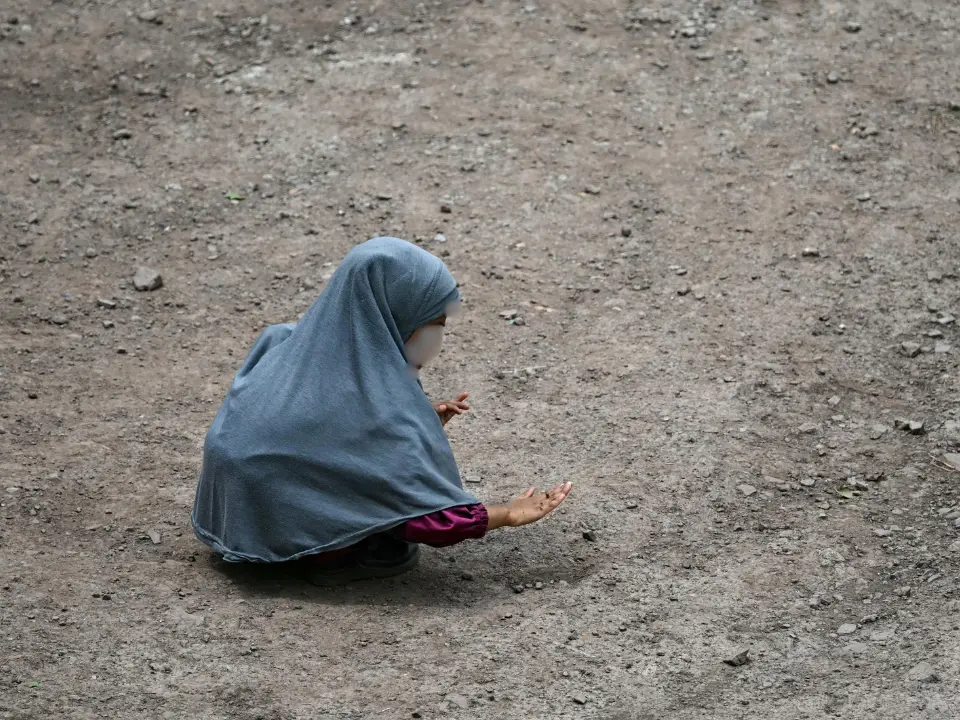
Outrage erupts after 3-year-old is married to 60-year-old man in Pakistan, link to her sister's murder being probed
&im=FitAndFill=(700,400)&imwidth=180&imheight=135&format=webp&quality=medium)
New Friday OTT releases (September 25, 2026): Don’t Be Shy, Hunkkaar: The Roar, Mango Pachcha- 6 movies and TV shows on Netflix, Prime Video and more
&imwidth=180&imheight=135&format=webp&quality=medium)
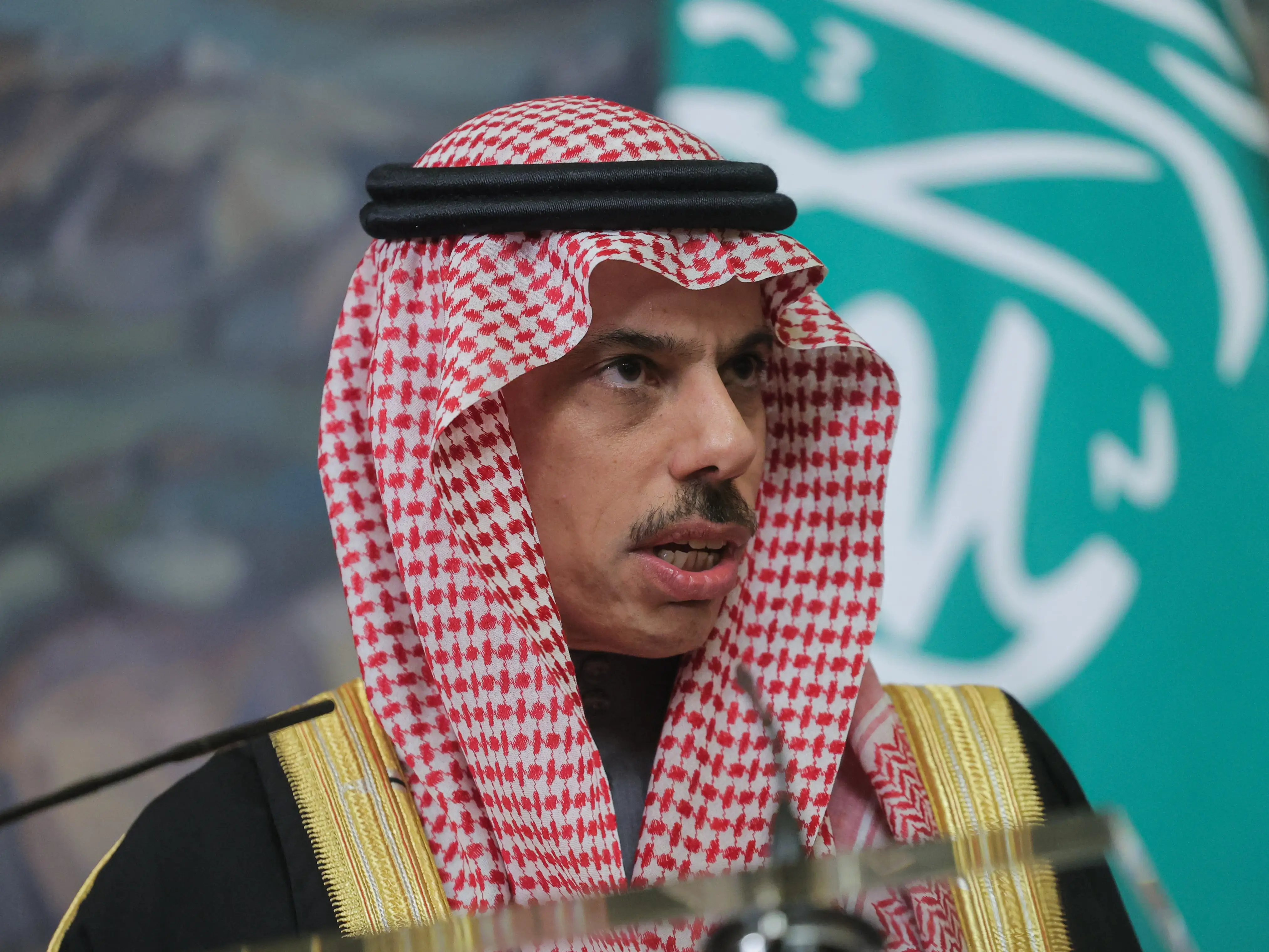
Global community 'absent' in Gulf crisis: Saudi at UN calls for freedom of navigation, pre war status for Hormuz
&imwidth=180&imheight=135&format=webp&quality=medium)
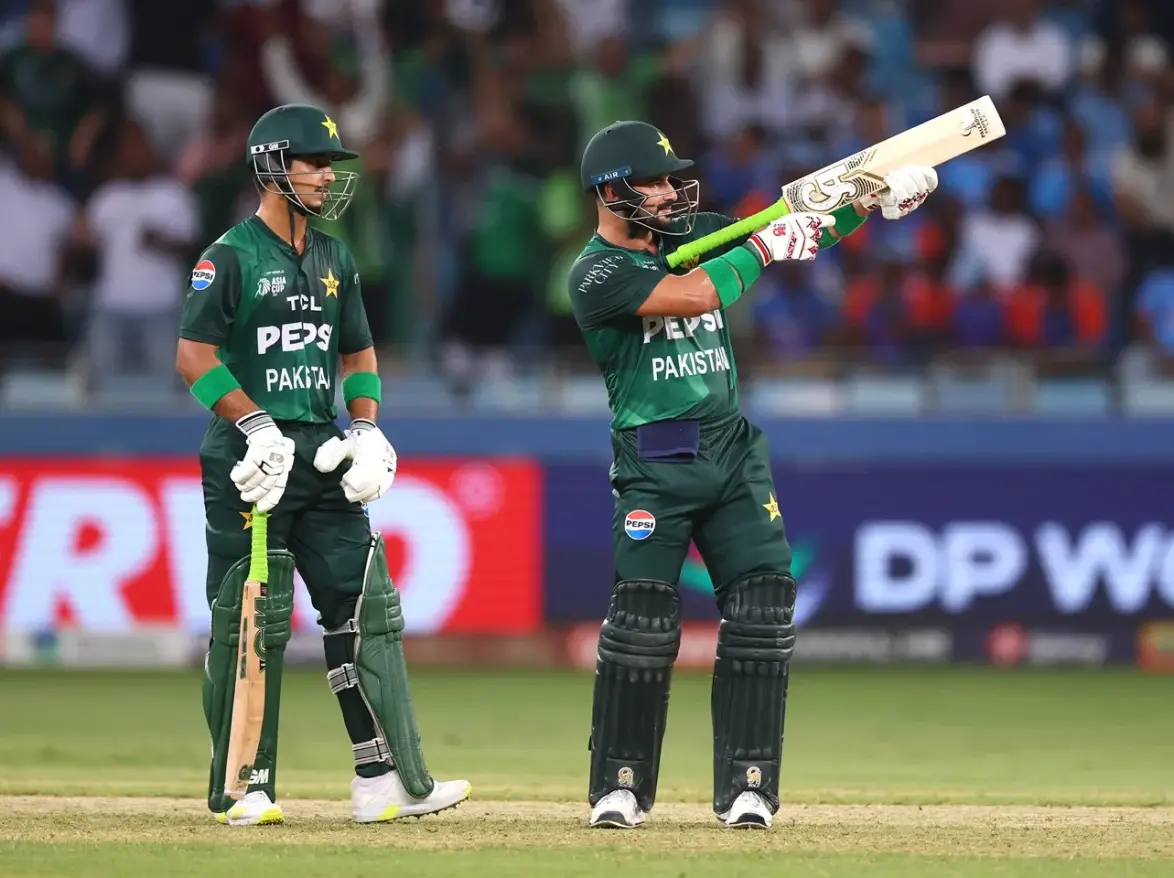
Farhan, who went viral for AK47 celebration vs India in Asia Cup, hopes to lead Pakistan beyond Asian Games
&imwidth=180&imheight=135&format=webp&quality=medium)
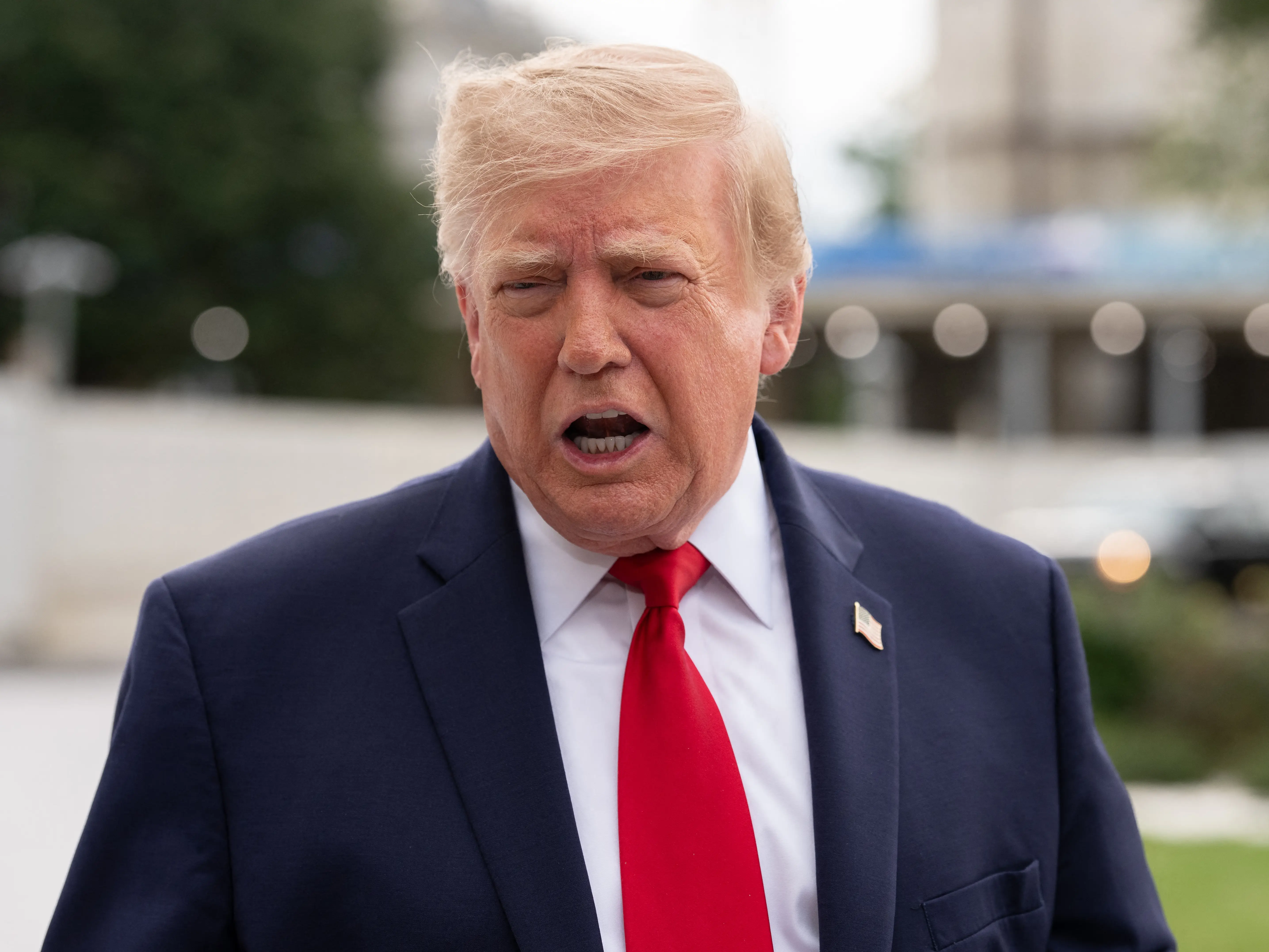
‘I rejected it’: Trump confirms turning down Iran’s proposal to reopen Hormuz, claims Tehran is losing ‘badly’
&imwidth=180&imheight=135&format=webp&quality=medium)
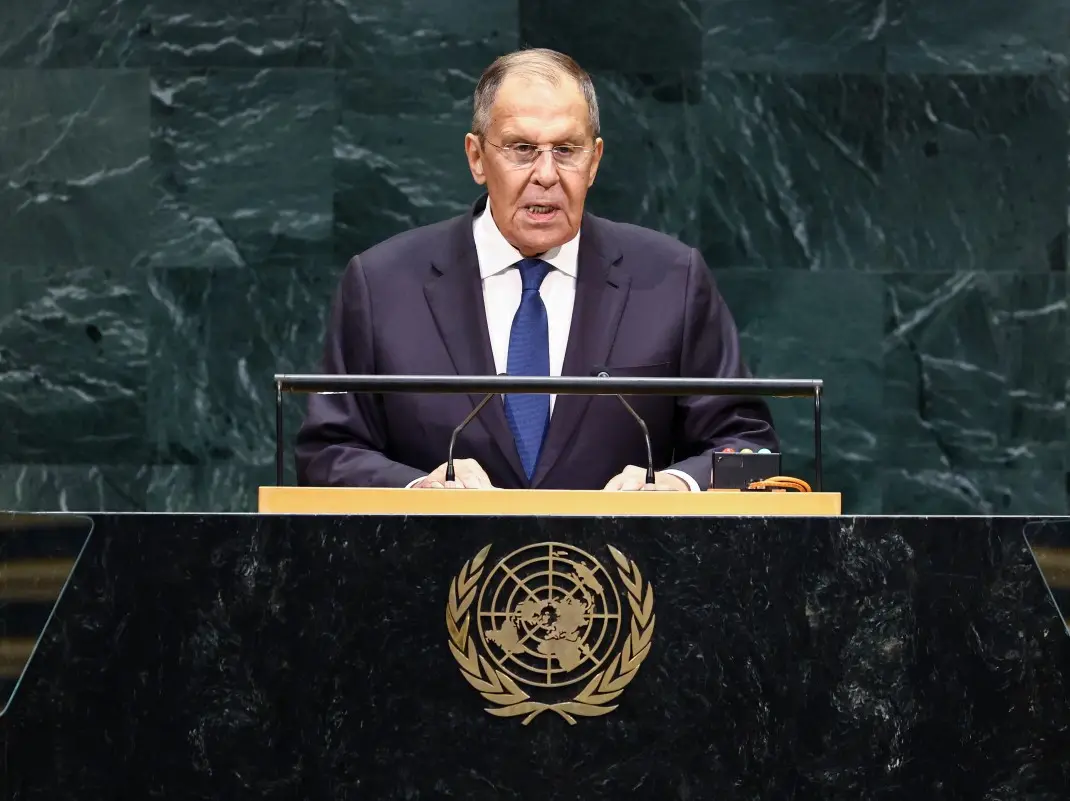
Russia will achieve Ukraine war aims; Europe doing everything to block peace talks: Lavrov at UN
Meanwhile, fears of fuel shortages prompted residents in Sanaa to queue outside petrol stations after the coalition’s evacuation warning. The Houthis had previously threatened to target Riyadh’s international airport, a refinery and an Aramco facility in Dammam if the coalition proceeded with its planned strikes. The group also urged civilians to stay away from the locations. Several countries have issued travel advisories for their citizens in Saudi Arabia. France was the latest to advise its nationals to avoid Riyadh, Jeddah and Dammam airports.
Saudi economy faces growing pressure
The intensifying conflict is adding to the economic challenges facing Saudi Arabia, which has already been affected by disruptions to regional energy supplies and shipping. Traffic in Riyadh, usually notorious for heavy congestion, was noticeably lighter this week. Authorities introduced remote learning for schools and work-from-home arrangements for some businesses amid heightened security concerns.
The International Monetary Fund said on Tuesday that Saudi Arabia’s gross domestic product was expected to contract by 3.3 per cent this year, with the broader regional outlook also affected by Iran’s blockade of the Strait of Hormuz. The kingdom had already faced economic headwinds following the disruption of shipping through the strategic waterway after the Middle East war began in February, when the United States and Israel attacked Iran.
The resumption of fighting in Yemen in July has added another source of instability, bringing the conflict closer to Saudi territory and threatening critical infrastructure. Houthi attacks have also targeted oil tankers in the Red Sea, a strategically important route that Saudi Arabia uses as an alternative for exporting crude oil when access through the Strait of Hormuz is disrupted.
Trump weighs possible US involvement
The attack on Riyadh airport has raised the prospect of deeper US involvement in the conflict. US President Donald Trump said he was considering joining Saudi strikes against the Houthis following the deadly attack. In a post on his Truth Social platform, Trump wrote that the Houthis are behaving very badly, accusing the group of acting probably at the behest of Iran. "I'll be there after the elections, and I will never forget!" he wrote, referring to next month’s midterm elections. The statement prompted a warning from the Houthis against any American military intervention. Mohammed Al Bukhaiti, a member of the group’s political bureau, told AFP that the Houthis would target American interests in the region if Washington intervened. Bukhaiti said the campaign against Saudi targets was intended to send a message to Crown Prince Mohammed bin Salman that he can no longer wage aggression against Yemen from a safe position.
Aramco building targeted in Dhahran, limited fire reported
Saudi Arabia’s Energy Ministry said on Wednesday that a ‘limited fire’ broke out at an administrative building belonging to oil giant Saudi Aramco in Dhahran, in the eastern province’s Dammam metropolitan area, after the facility was targeted on Tuesday evening. In a statement published on X, a ministry official said an administrative building belonging to Saudi Aramco in the city of Dhahran, Eastern Province, was targeted, resulting in a limited fire. Authorities responded to the incident and implemented the necessary measures, the ministry said. The statement added that no injuries or fatalities had been reported following the incident.

