How US Typhon mid-range missile system deployment in Japan pose a threat to China?

&imwidth=600&imheight=450&format=webp&quality=medium "How US Typhon mid-range missile system deployment in Japan pose a threat to China?")
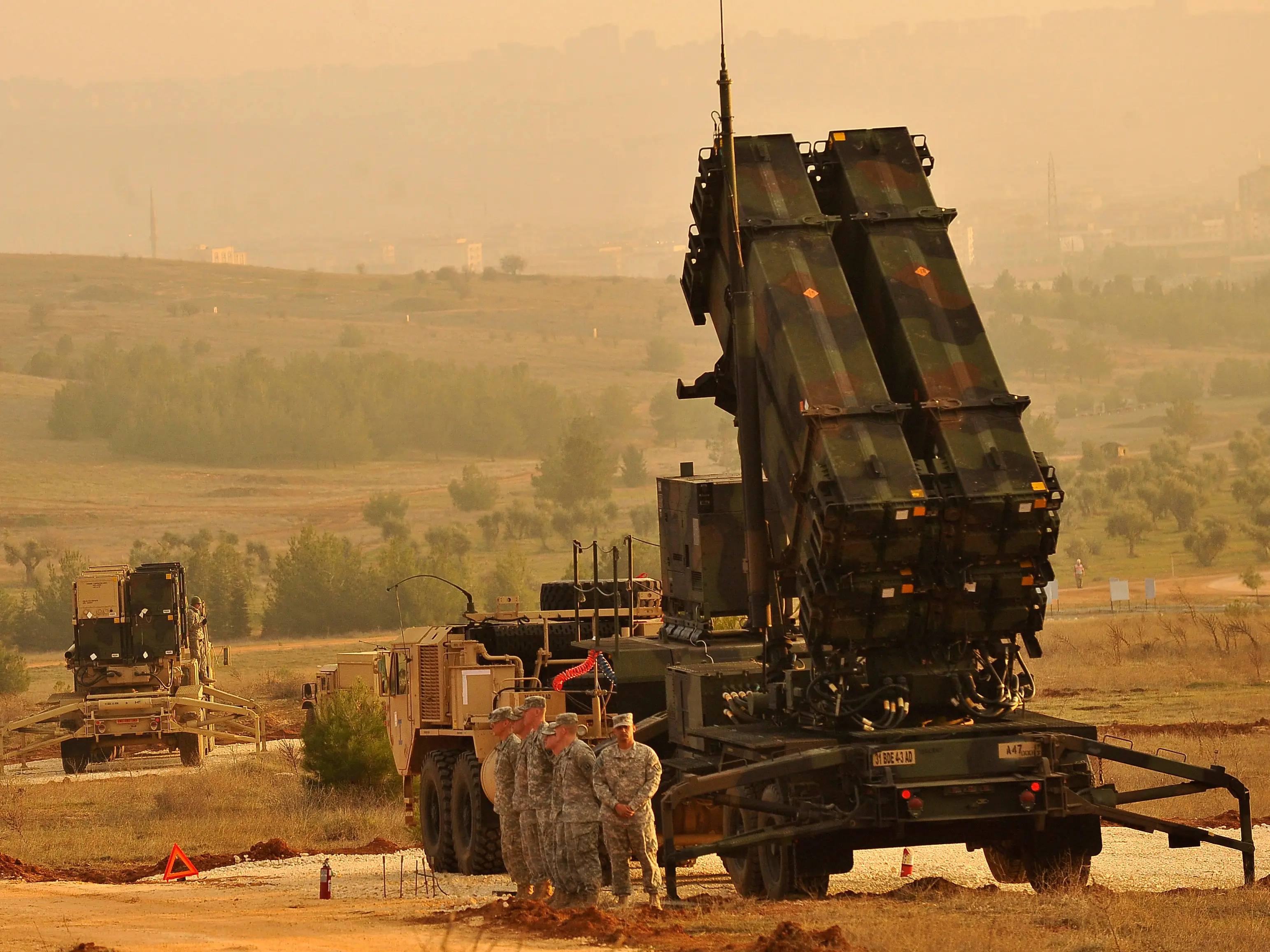
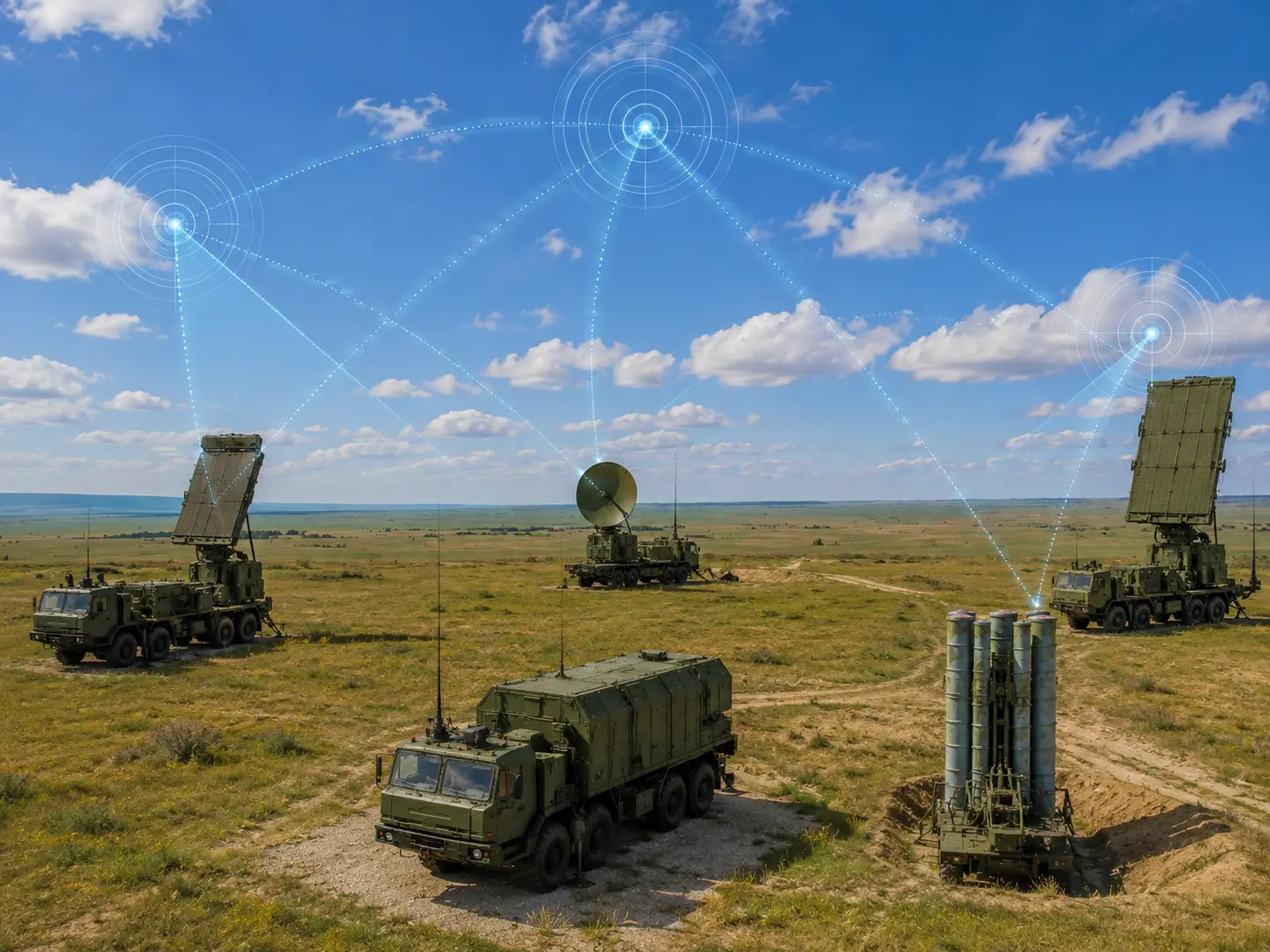
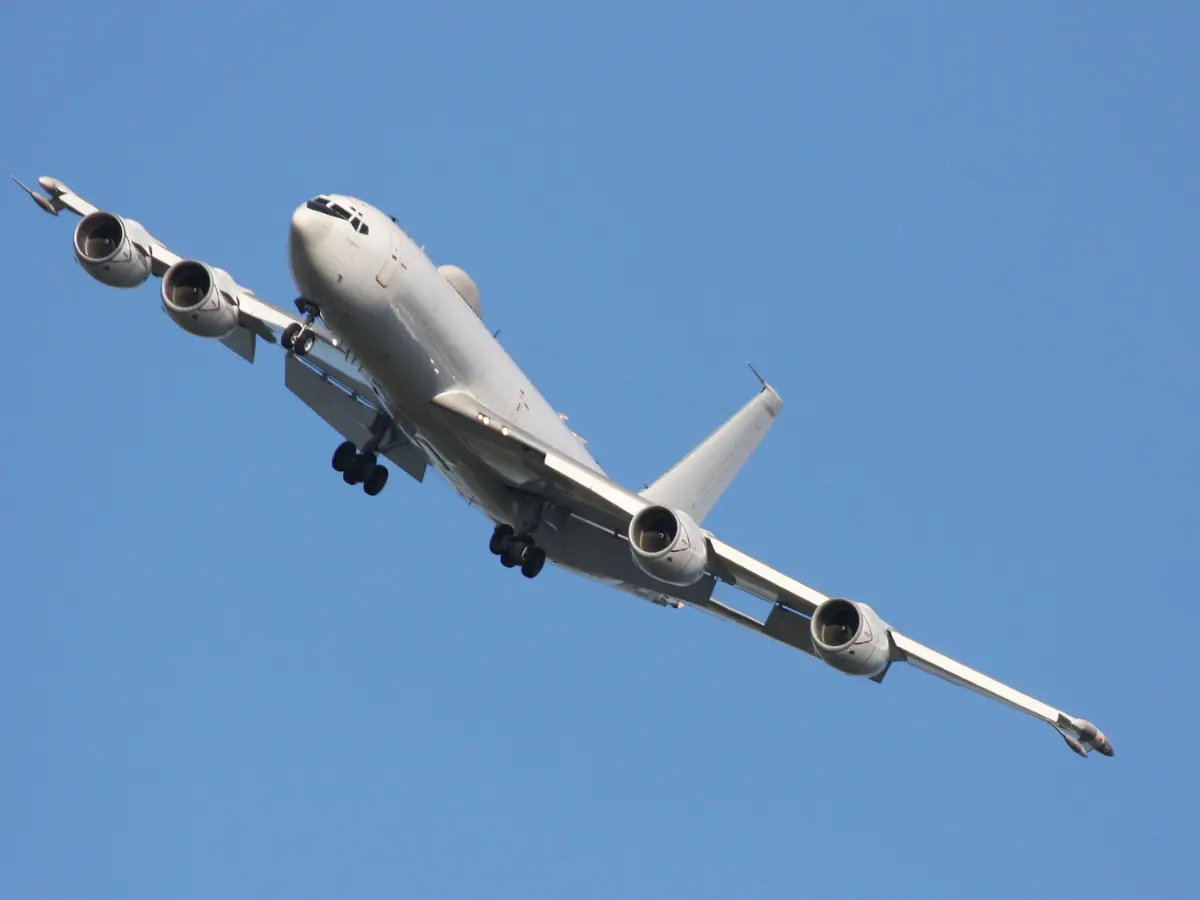
Representative image. Photograph: (Wikimedia Commons)
The US deployment of the Typhon missile system to Japan's Kanoya Air Base poses a major threat to China. Its 1,600 km range places economic hubs like Shanghai within striking distance, compressing radar reaction times.
The US deployment of the Typhon mid-range missile system to Kanoya Air Base in Kagoshima, southern Japan, could directly threaten China's coastal cities, blocking naval routes to the Pacific, a Chinese analyst has warned. The Typhon was likely to be positioned in southwestern Japan next month for joint US-Japan military exercises, according to Kyodo News.
Fu Qianshao, a Beijing-based military analyst, warned that the reported deployment of the missile launcher at the Kanoya Air Base in Kagoshima Prefecture is alarming, given its proximity to mainland China. “The deployment location is relatively close to the Chinese mainland. If cruise missiles are deployed there with a certain level of launch capability, it will pose a threat to relevant Chinese [land] targets,” Fu said.
How US Typhon deployment in Japan pose a threat to China?
As we know, the Kanoya Airbase, on Kyushu island facing the East China Sea, is closer to China than most other Japanese bases. Military analysts and defence experts also indicate that this strategic positioning presents an unprecedented tactical threat to Chinese coastal economic hubs, which can also restrict the People’s Liberation Army Navy (PLAN) from accessing the broader Pacific Ocean.
The Typhon weapon system is considered a versatile, mobile launcher system which is capable of firing Tomahawk land-attack cruise missiles with a range of up to 1,600 km. It is also capable of intercepting Standard Missile-6 (SM-6). The Kanoya Airbase on Kyushu Island lies nearly 800 to 1,200 kilometres (about 500 to 750 miles) from major Chinese metropolitan and industrial command centres, including Shanghai, Ningbo, and Hangzhou.
This proximity can allow the US military to hold highly vital Chinese coastal infrastructure at risk because Tomahawk missiles can fly at low altitudes to evade radar detection. A Typhon battery stationed in southwestern Japan leaves China's eastern theater command with compressed reaction times, fundamentally challenging its air defence grids.
Trending Stories
&im=FitAndFill=(700,400))
)
)
)
)
)
)
)
)
)
)
)
)
)
)
&im=FitAndFill=(700,400))
)
)
)
)
)
)
)
)
)
)
)
)
)
&im=FitAndFill=(700,400))
Chokepoint control and the first island chain
Beyond land targets, deployment of the Typhon mid-range missile system can also act as a strategic cork in the First Island Chain. In addition, utilising SM-6 missiles, which possess secondary anti-ship capabilities, the Typhon system provides the US-Japan alliance with a powerful "Anti-Access/Area Denial" (A2/AD) capability of its own.
Defence reports from the Rand Corporation also indicate that such deployments prompt the US to set up overlapping anti-ship and air-defence umbrellas. During the conflicts, the deployment could effectively blockade Chinese warships and submarines within the marginal seas, neutralising their power to counterattack effectively.
Regional escalation
While Washington and Tokyo label these joint exercises as a necessary deterrent to maintain a "Free and Open Indo-Pacific," China see the merger of intermediate-range strike capabilities on Japanese soil as an aggressive strategy. The move alters the regional balance of power, forcing China to heavily reallocate its surveillance and missile defence resources toward its northeastern maritime frontier.

