Gelephu–Dalu corridor: How Japan-backed link could connect & transform trade between Bhutan, India and Bangladesh

&imwidth=600&imheight=450&format=webp&quality=medium "Gelephu–Dalu corridor: How Japan-backed link could connect & transform trade between Bhutan, India and Bangladesh")
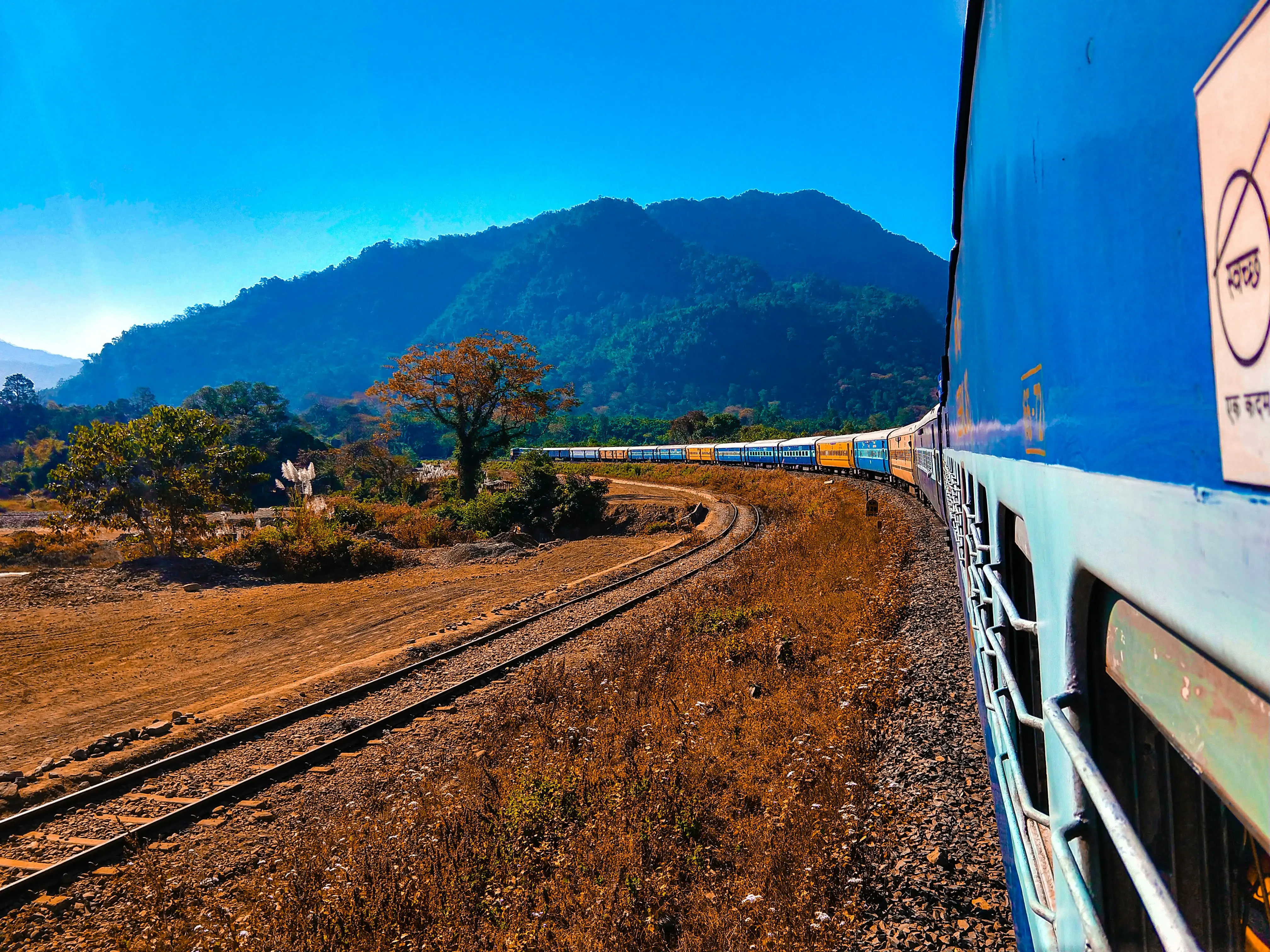
Representative image. Photograph: (Unsplash)
The planned corridor consists of two routes connecting Assam and West Bengal to Gelephu and Samtse in Bhutan, respectively. Construction of both links is set to begin in the first quarter of 2027, with a combined estimated cost of Rs 4,033 crore.
The Gelephu–Dalu Corridor is an important multi-nation economic and transport route integrating Bhutan, Northeast India, and Bangladesh. The project is centred around the upcoming Gelephu Mindfulness City (GMC) in southern Bhutan and also an infrastructural axis that links landlocked South Asian nations to Southeast Asian markets and the Bay of Bengal.
It is a 69 km cross-border railway from Assam to Gelephu, declared a Special Railway Project, fully financed by the Government of India, with construction scheduled to begin in 2027. However, the corridor is heavily backed by the Official Development Assistance (ODA) of Japan, which funds regional roadways, the Dhubri-Phulbari Bridge (connecting Assam and Meghalaya), and cross-border highway integrations.
The project was virtually inaugurated by Prime Minister Narendra Modi on 13 March 2026. The planned corridor consists of two routes connecting Assam and West Bengal to Gelephu and Samtse in Bhutan, respectively. Construction of both links is set to begin in the first quarter of 2027, with a combined estimated cost of Rs 4,033 crore. These initiatives come under the Rs 10,000-crore development assistance commitment by India to Bhutan’s 13th Five-Year Plan (2024–2029).
How is the project important for Bhutan?
Bhutan's economic development by addressing long-standing challenges associated with its landlocked geography. The new rail links will establish Bhutan's first railway network and connect the country to India's 150,000-km broad-gauge rail system, providing direct access to major industrial centres such as Bongaigaon. This is expected to ease congestion at key border points like Phuentsholing and improve the movement of bulk cargo.
The Kokrajhar-Gelephu rail link will act as a crucial transport corridor for the proposed 2,600 sq km Special Administrative Region, helping transform Gelephu into a global technology, investment and innovation hub. Similarly, the 16-km rail connection to Samtse will facilitate the efficient transport of key industrial commodities such as dolomite, ferro-silicon, quartzite and stone chips, strengthening western Bhutan's industrial base and supporting related infrastructure projects.
Trending Stories
&im=FitAndFill=(700,400))
)
)
)
)
&im=FitAndFill=(700,400))
)
)
)
)
)
)
)
)
)
)
)
&im=FitAndFill=(700,400))
)
)
)
)
)
&im=FitAndFill=(700,400))
)
)
)
)
)
&im=FitAndFill=(700,400))
)
)
)
In addition, the rail links will enhance Bhutan's integration into regional supply chains through the BBIN (Bangladesh-Bhutan-India-Nepal) framework. Improved connectivity could provide access to Bangladesh's Chittagong and Mongla ports, reducing dependence on a single market and lowering transit costs. This would boost exports of hydropower-based industrial products, organic produce and processed foods while encouraging industrial diversification following Bhutan's graduation from Least Developed Country (LDC) status in 2023. Overall, the projects are expected to attract investment, stimulate industrial and tourism growth, and deepen economic integration between Bhutan, India and the wider region.
Also read: From bullet train to moon mission: What are key India-Japan projects shaping strategic ties?
How is it of strategic importance for India?
For India, the connectivity through Assam and West Bengal can bolster local economies, improve accessibility of market, and strengthen logistics networks in the northeast. At a larger stage, the project helps to deepen India–Bhutan economic interdependence while reinforcing New Delhi's role as a regional integrator.
The project acts as an effective fiscal multiplier, which will act as a major developmental catalyst for India’s Northeast Region (NER), which is being supported by a record Rs 11,486 crore budgetary allocation for regional rail expansion in 2026. The proposed railway links are expected to strengthen the economic integration of India's Northeast with neighbouring countries, turning the region into a key gateway for trade and connectivity between South Asia and Southeast Asia. By linking the Northeast to a broader transnational transport network, the project can enhance long-term economic resilience, boost trade opportunities and support regional development.
Beyond economic benefits, the rail links also carry significant strategic importance. They align with India's "Neighbourhood First" policy and reinforce Bhutan's role in India's northern security framework. The development of high-capacity railway infrastructure near the strategically sensitive Siliguri Corridor, often referred to as the Chicken's Neck, will improve logistical capabilities and provide greater strategic depth. The network could facilitate rapid movement during humanitarian emergencies and defence operations while contributing to regional stability.
The project also advances regional integration under the BBIN (Bangladesh-Bhutan-India-Nepal) initiative and showcases India's leadership in connectivity development. Additionally, advanced safeguards such as AI-based Intrusion Detection Systems have been incorporated to protect wildlife corridors, particularly those used by elephants.
Japan's other project in the Northeast
Japan's other project in the same region includes the North East Road Network Connectivity Improvement Project, where the Japan International Cooperation Agency (JICA) provided JPY 34,537 million (INR 1,946 crore) for Phase 3(II), funding the Dhubri-Phulbari Bridge, the longest river bridge in India, connecting Assam and Meghalaya across the Brahmaputra. In addition, it also covers 750 km of roads, National Highway upgrades like NH-208 in Tripura (JPY 23,129 million or INR 1,492 crore), and the Gelephu-Dalu Corridor, integrating Bhutan, India, and Bangladesh to boost intra-regional links.
The projects are designed to improve connectivity between Northeast India and the Bay of Bengal and the Indian Ocean, creating new avenues for trade, investment and socio-economic growth. To support this objective, Japan has invested more than $2 billion through its Official Development Assistance (ODA) programme as of 2021, with funding continuing to increase. These investments help bridge critical infrastructure gaps in a region of significant strategic importance. The initiative not only strengthens India's efforts to integrate the Northeast more closely with regional and global markets but also highlights Japan's role as a trusted partner in promoting sustainable infrastructure development and long-term economic progress.

