ChatGPT blamed for Flavio Bolsonaro's bizarre 'president-elect' claim: 5 Times AI use made a fool of global leaders | On Pics

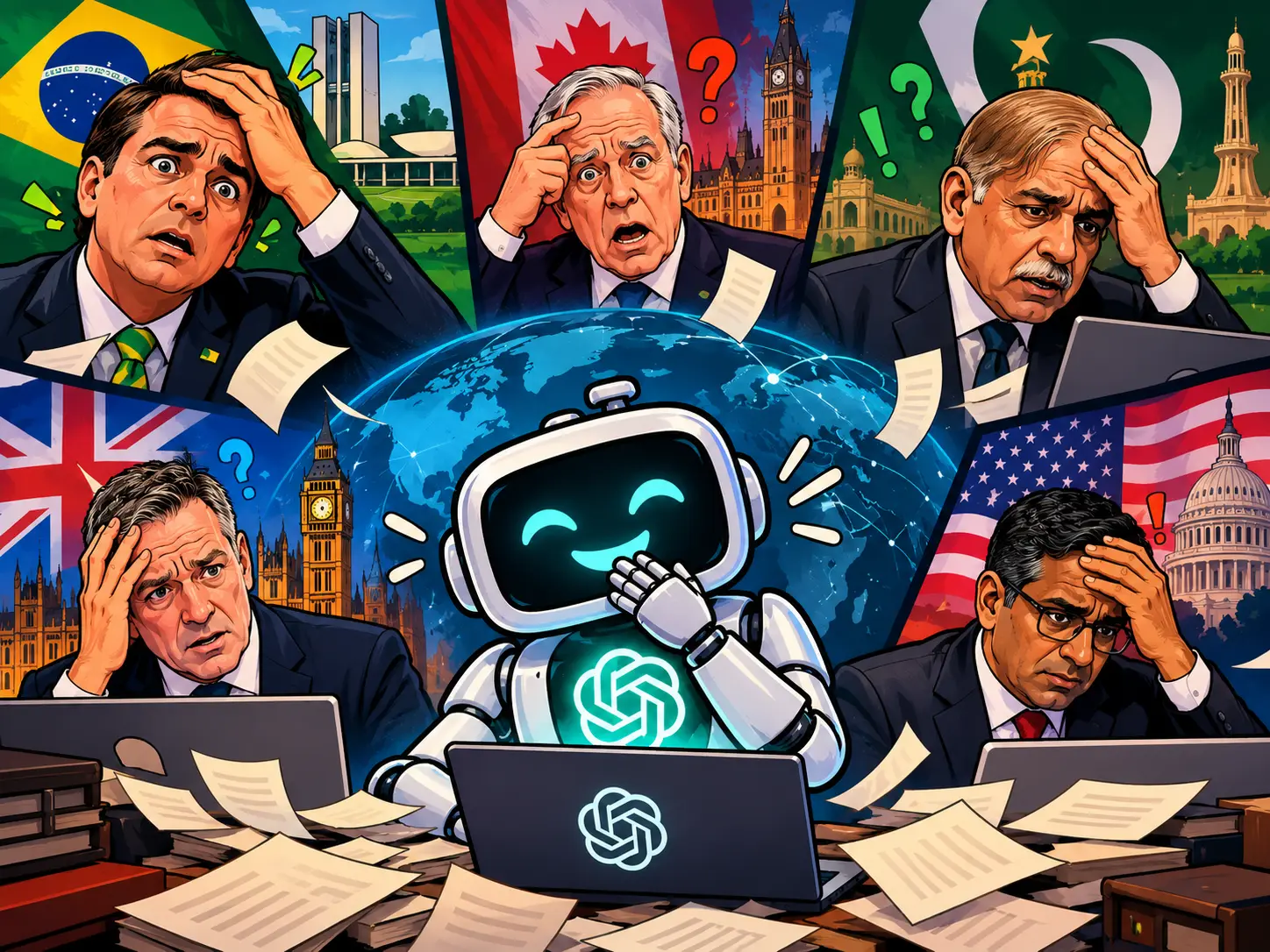
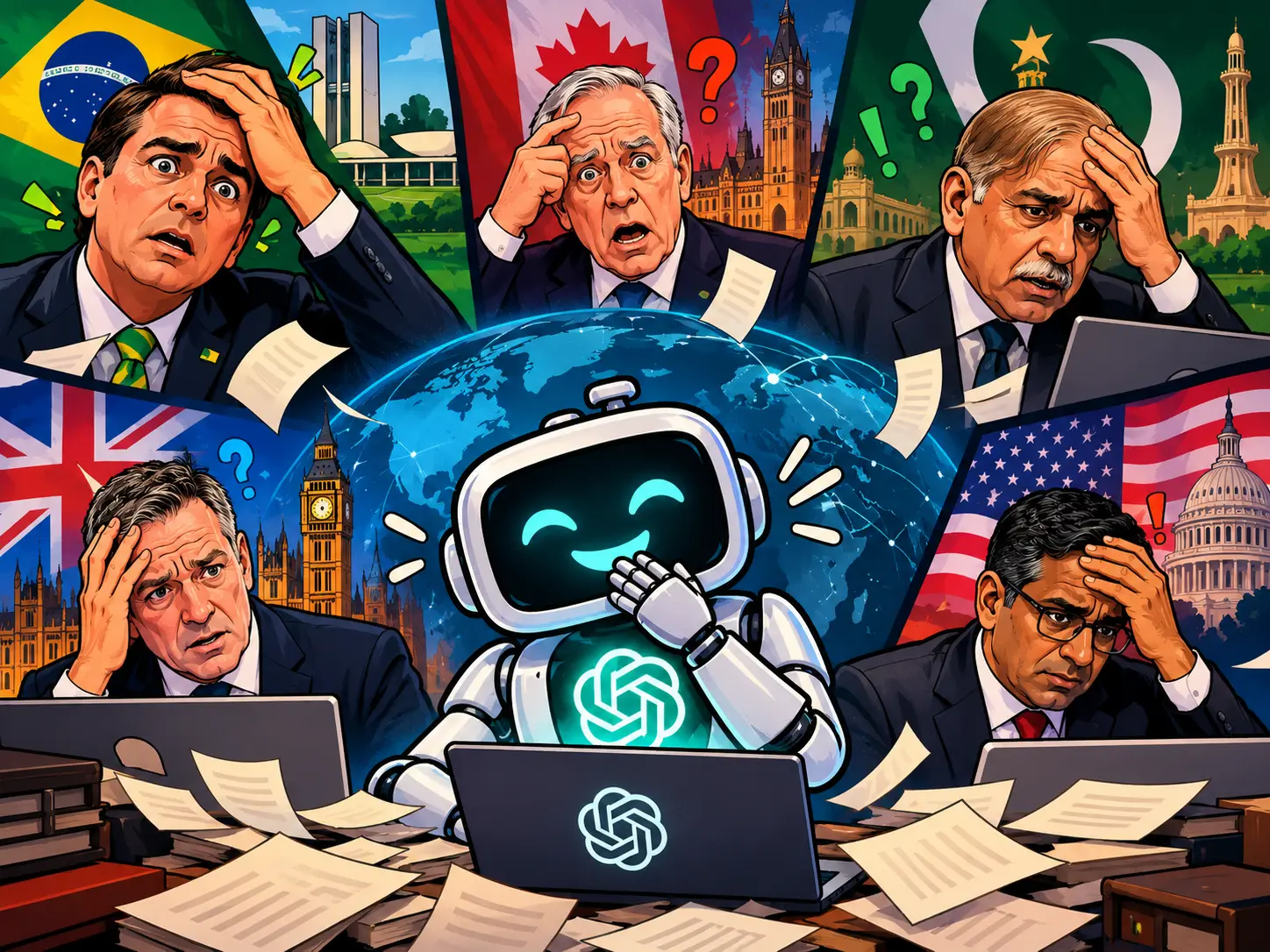
Flavio Bolsonaro is not the only leader to look foolish thanks to an over-reliance on chatbots. From a Canadian MLA reading AI meta-instructions in parliament to a US cyber official uploading sensitive documents into ChatGPT, here are 5 leaders embarrassed by artificial intelligence.
The leaders undone by ChatGPT
Flavio Bolsonaro, the son of former Brazilian President Jair Bolsonaro, who recently lost the highly contested 2026 Brazil elections to incumbent Luiz Inácio Lula da Silva, recently courted controversy by claiming in a social media post that he was the 'president-elect'. Following outrage, the Brazilian senator deleted his post and uploaded a revised version, replacing "president-elect" with "leader of Brazil".
Now, a US-based ally of the Bolsonaro family, right-wing influencer and podcast host Paulo Figueiredo, claims that the blunder was made by ChatGPT.
In the age of AI, Flavio Bolsonaro is not the only global leader who ended up looking foolish on the global stage thanks to their overreliance on chatbots. Here are 5 leaders who faced embarrassment due to artificial intelligence.
Flávio Bolsonaro (Brazil)
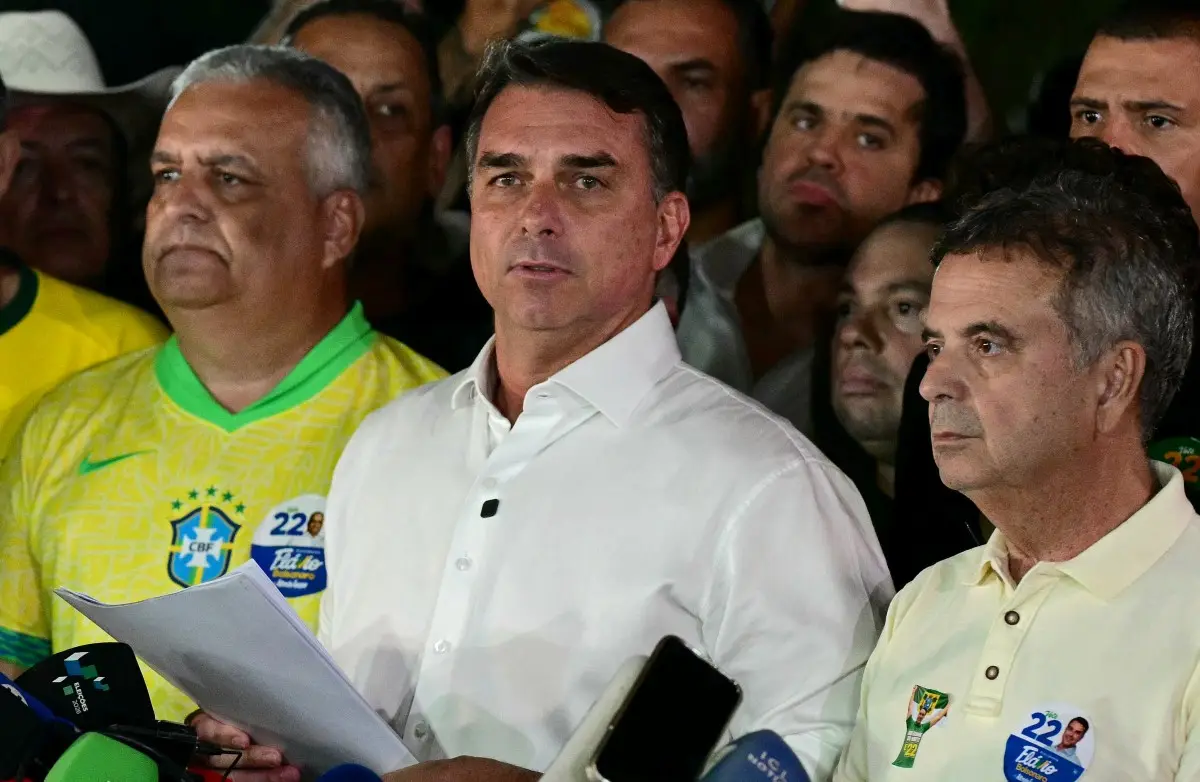
Bolsonaro sparked an uproar after releasing an official letter on social media claiming he was the rightful "president-elect" of Brazil following a highly contested runoff. He also alleged, without evidence, that Sunday's runoff election had been affected by fraud. Notably, he lost the contest to leftist President Lula da Silva by more than four million votes.
Figueiredo, a close ally, has since publicly blamed the debacle on ChatGPT, explaining that an aide used the chatbot to finalise drafts and accidentally generated a version that incorporated old text and an outdated coat of arms.
Bill Oliver (Canada)
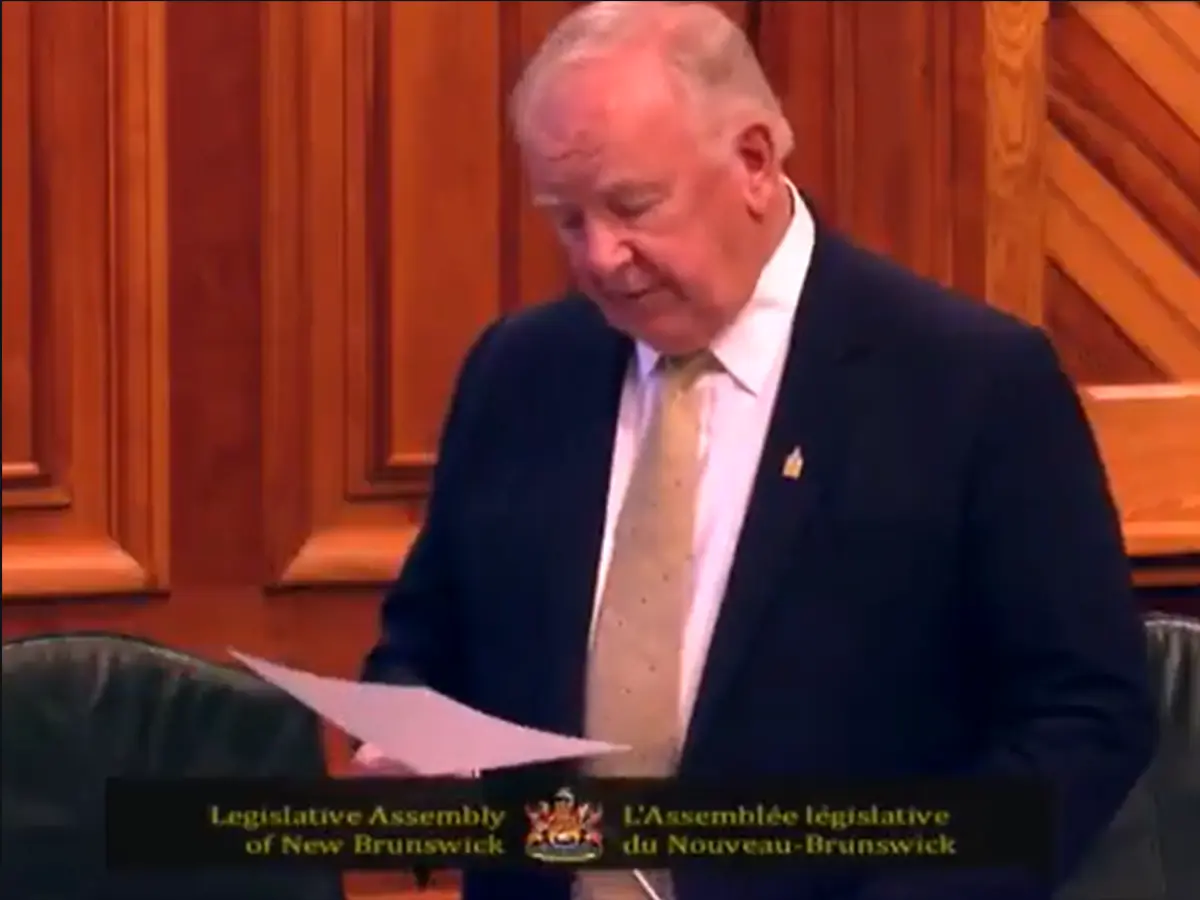
In June 2026, a Member of the Legislative Assembly (MLA) in New Brunswick went viral after he used ChatGPT to write a legislative speech.
While speaking on the floor, he blindly read the text verbatim, including the chatbot's meta-instructions, accidentally stating, "Here's a more natural flowing version of that section," directly into the official parliamentary record.
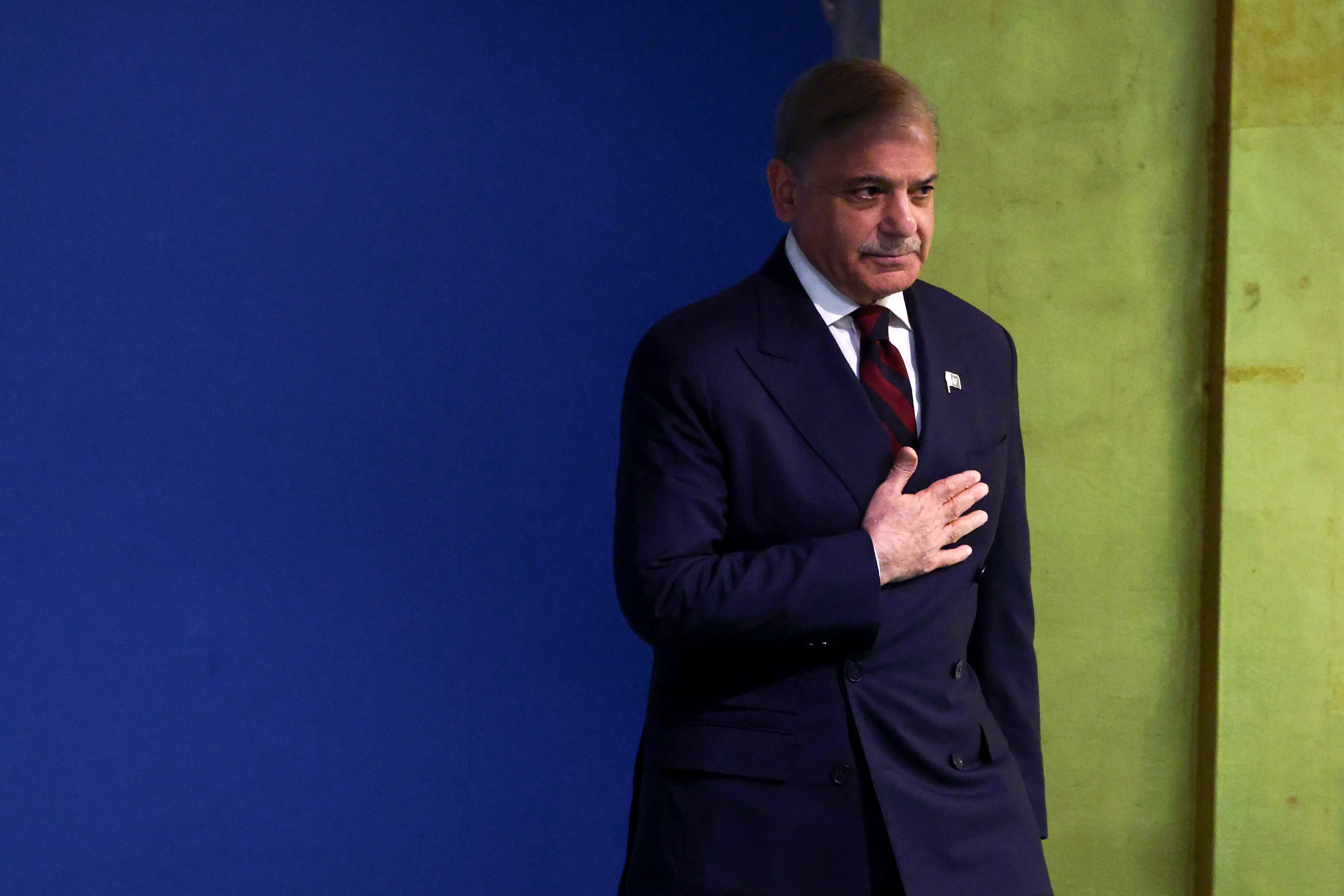
Shehbaz Sharif (Pakistan)
In October 2025, Pakistan PM Shehbaz Sharif posted a lengthy statement regarding Kashmir. The post was immediately hit with X Community Notes and flagged for severe historical inaccuracies regarding the 1947 Instrument of Accession.
A subsequent AI-detection analysis of the post revealed it contained over 70% generative AI content. A person flagged that Sharif's post had 73% generative AI content, saying, "I was wondering how you managed to write such a long text without any spelling and grammar mistakes. Then I saw this. Now I understand."
Critics widely mocked Sharif on television and social media for using "ChatGPT wisdom" to draft sensitive, official state foreign policy.
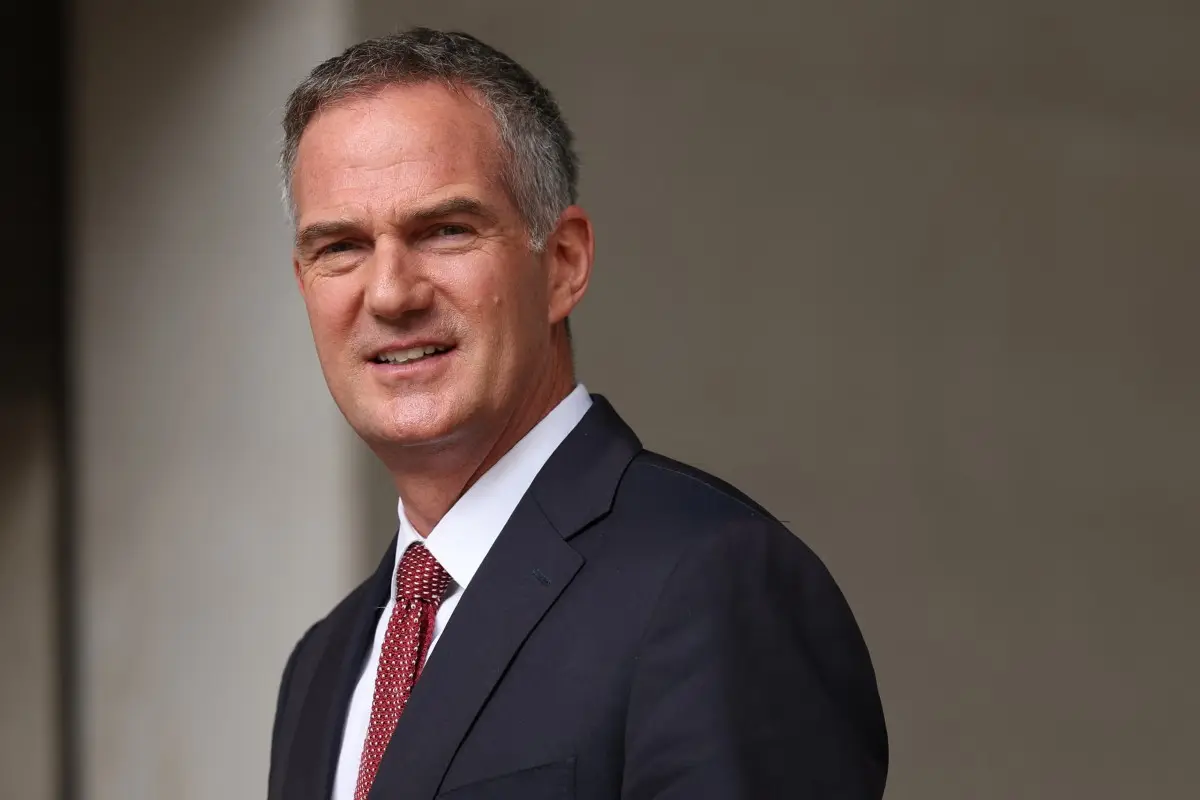
Peter Kyle (United Kingdom)
In March 2025, controversy erupted after a Freedom of Information request revealed that the UK's Technology Secretary, Peter Kyle, was prompting ChatGPT for advice on political strategy, specifically asking the AI why British businesses were slow to adopt AI and asking the chatbot to recommend which podcasts he should appear on to boost his profile.
A spokesperson for the Department for Science, Innovation and Technology later said, "As the cabinet minister responsible for AI, the secretary of state does make use of this technology. This does not substitute for comprehensive advice he routinely receives from officials.
“The government is using AI as a labour-saving tool – supported by clear guidance on how to quickly and safely make use of the technology.”
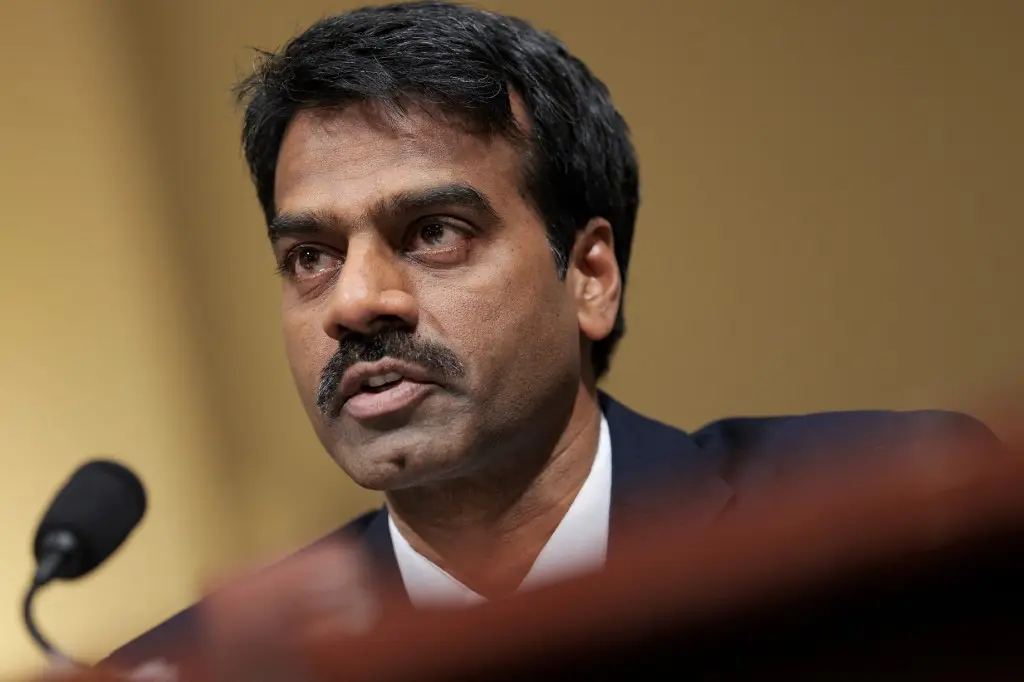
Madhu Gottumukkala (United States of America)
In January 2026, the then-interim head of Donald Trump's cyber defence agency became the centre of a massive controversy after it was revealed that he uploaded sensitive contracting documents into a public version of ChatGPT. This triggered multiple automated security warnings that are meant to stop the theft or unintentional disclosure of government material from federal networks.
He apparently had requested special permission from CISA’s Office of the Chief Information Officer to use the popular AI tool soon after arriving at the agency this May, according to a Politico report.