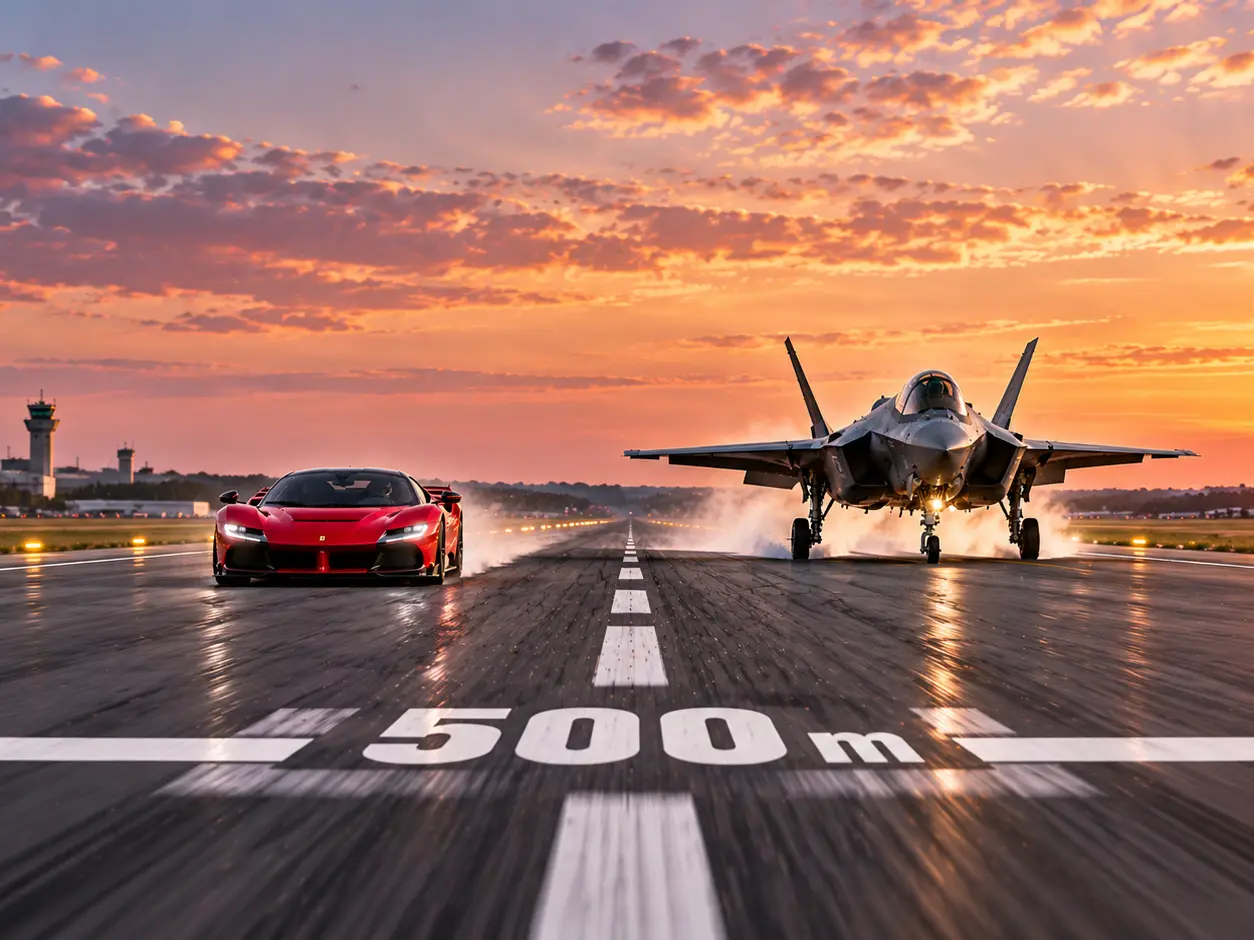
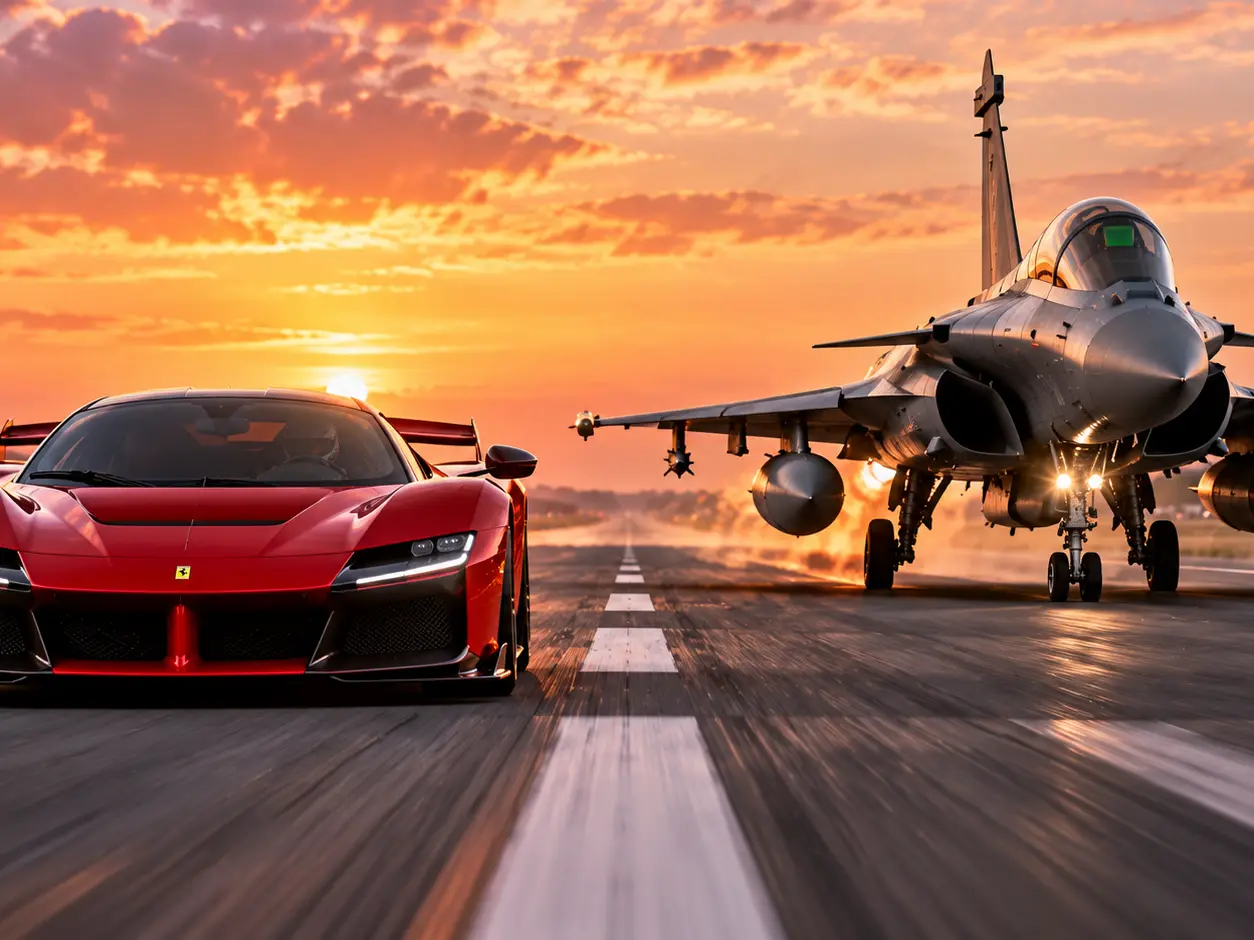
Can a Ferrari F80 reach 300 km/h before a fighter jet takes off?

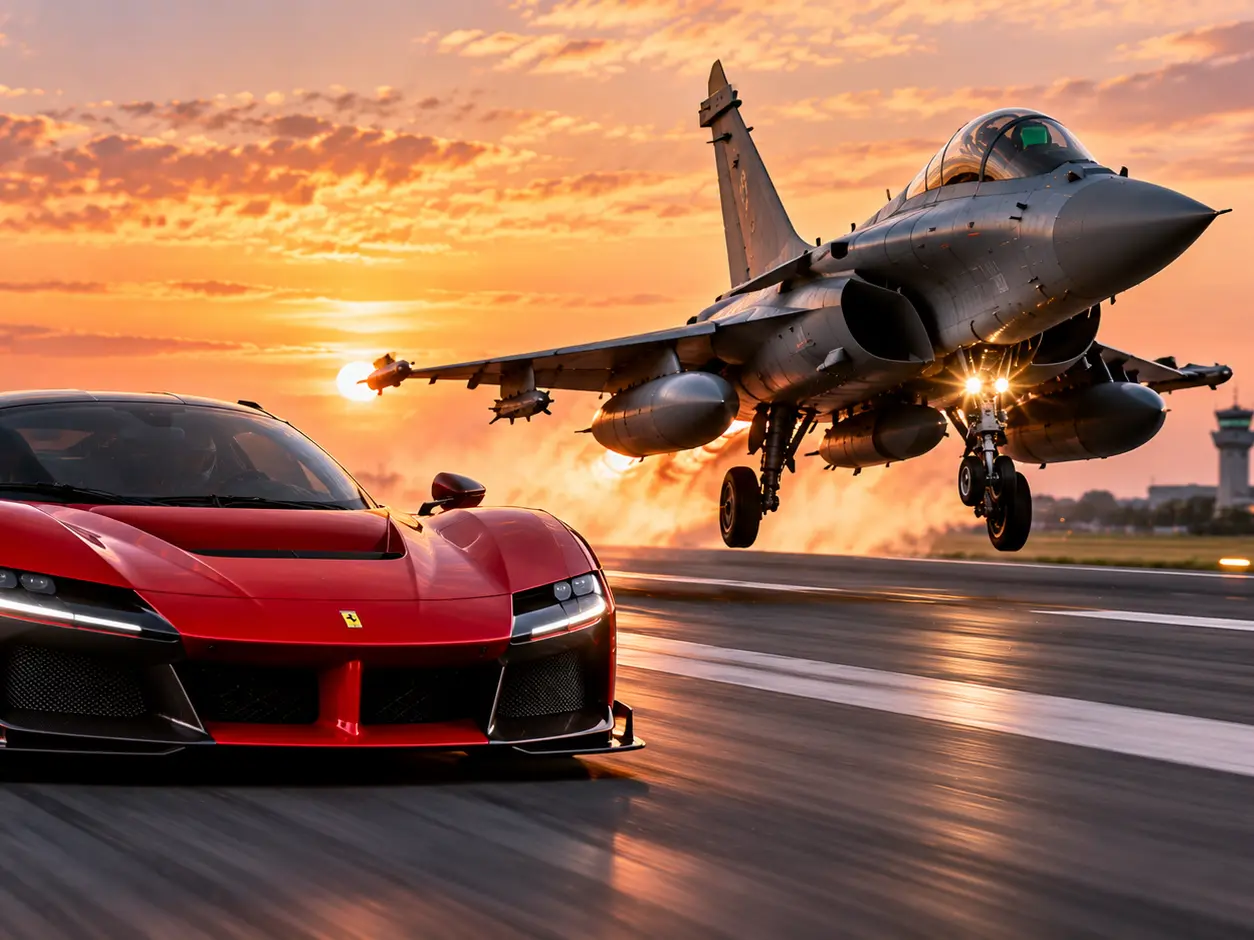
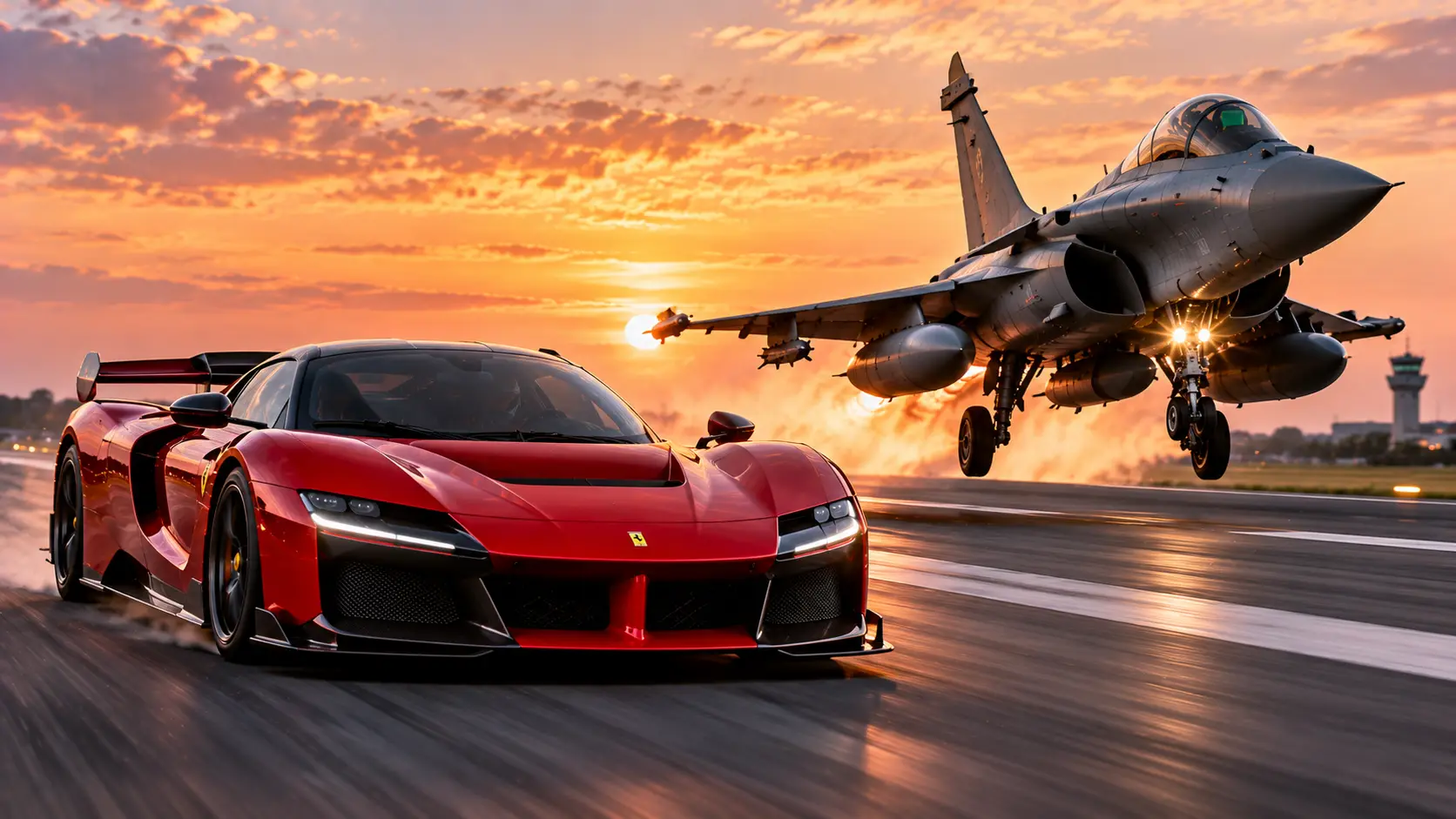
While the Ferrari F80 accelerates violently to 200 km/h in 5.75 seconds, a fighter jet takes off at 265 km/h. The aircraft leaves the runway before the Ferrari can successfully reach the 300 km/h mark.
Explosive hybrid launch
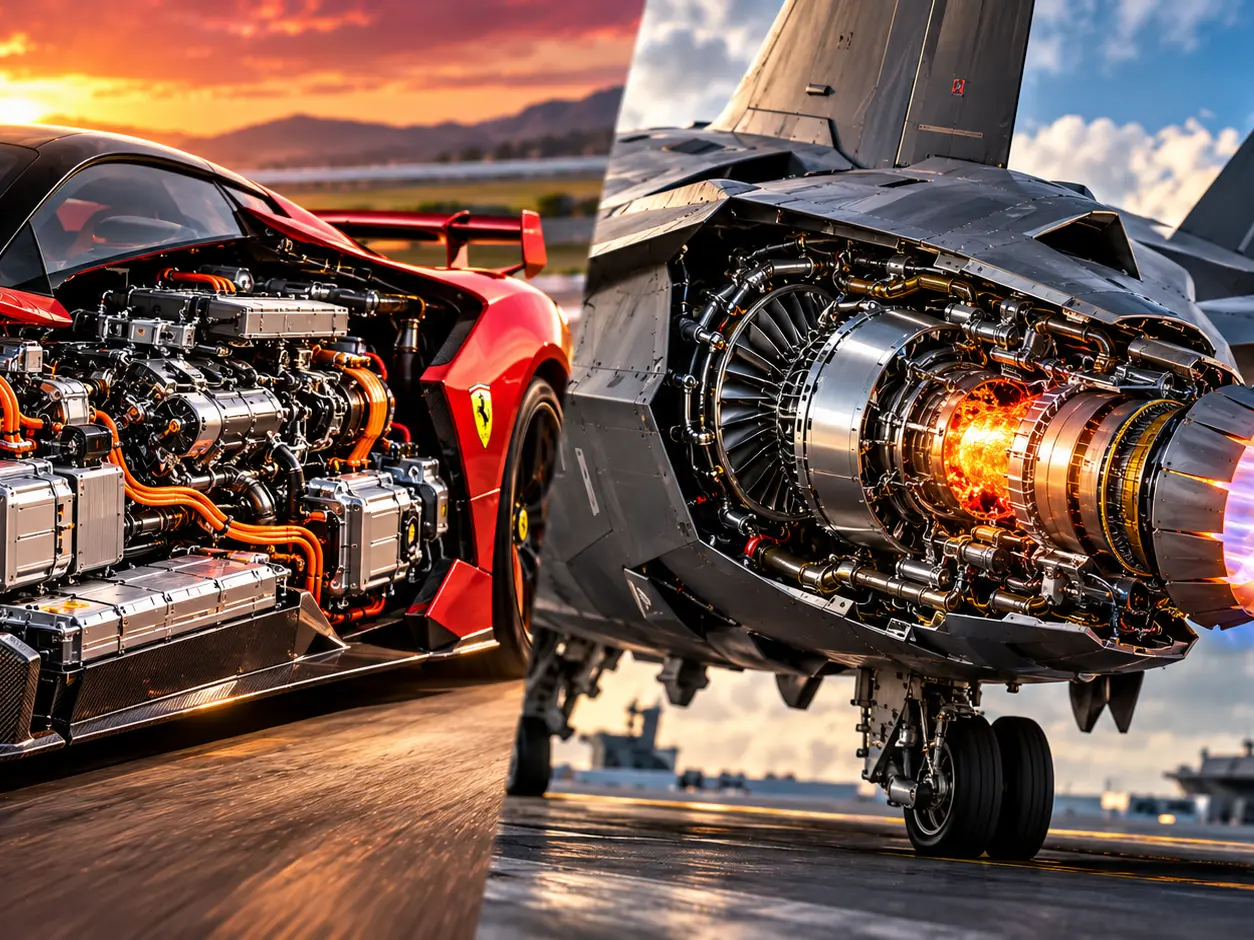
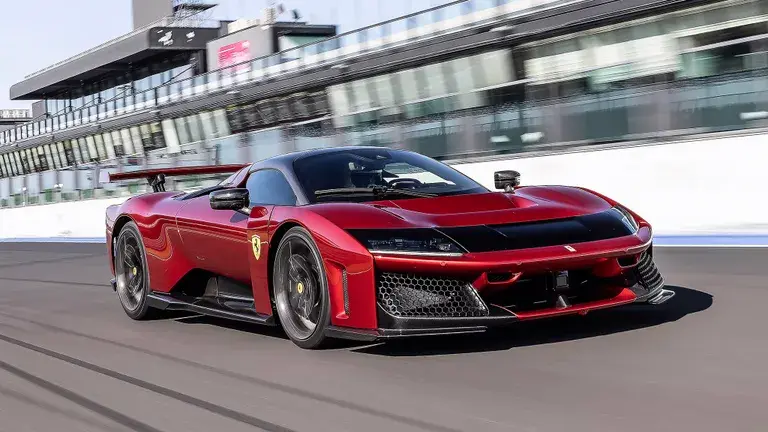
The Ferrari F80 utilises a 1,200-horsepower hybrid V6 powertrain to achieve extreme mechanical grip off the line. It rockets from zero to 100 km/h in a staggering 2.15 seconds, and crosses the 200 km/h mark in just 5.75 seconds.
Building jet momentum
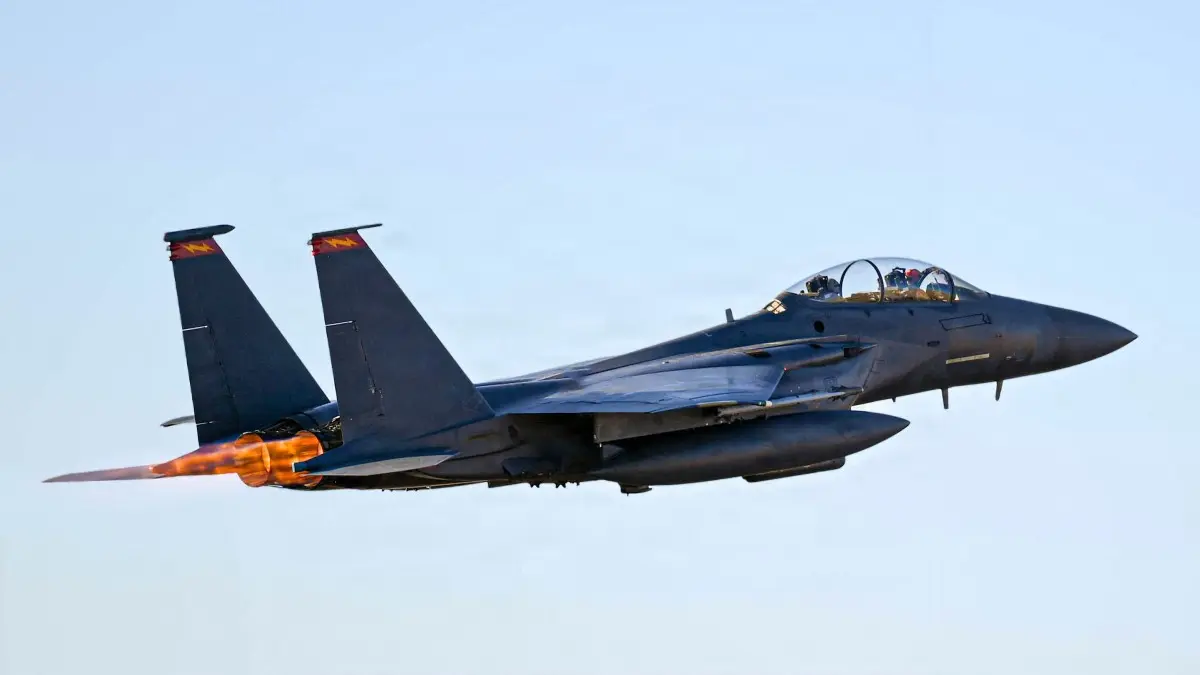
Unlike a hypercar, a fighter jet relies entirely on pushing exhaust gases to build speed without driving its wheels. On a standard military runway, a jet like the F-16 takes roughly 10 to 15 seconds to accelerate to 200 km/h using heavy engine thrust.
The 300 km/h sprint
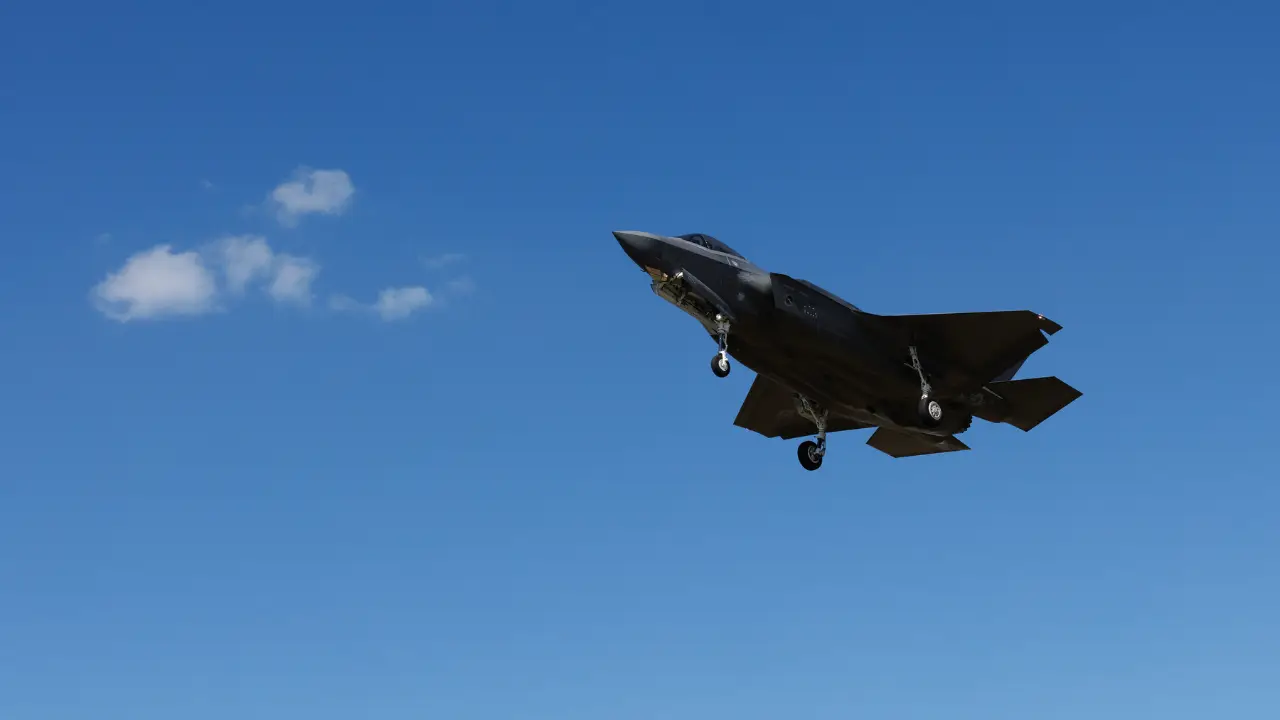
As the Ferrari F80 pushes past 200 km/h, aerodynamic drag significantly increases, demanding massive horsepower to maintain acceleration. The Italian hypercar requires continuous full throttle to approach the 300 km/h benchmark on a long, flat runway before hitting its 350 km/h top speed.
The moment of lift-off
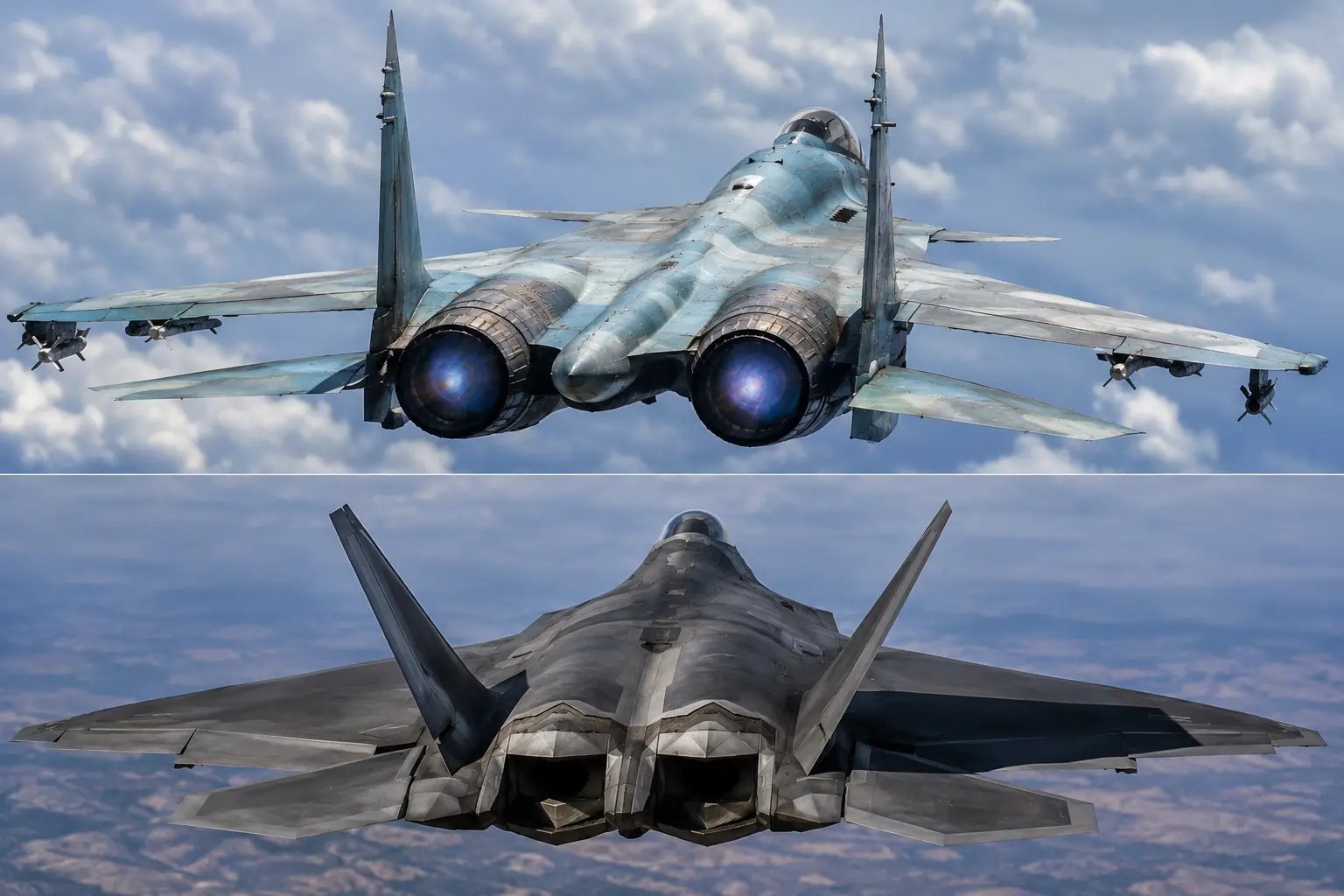
A modern fighter jet generates enough aerodynamic lift to safely take off at speeds between 220 and 265 km/h. Because the aircraft leaves the tarmac before reaching 300 km/h, it officially takes flight while the Ferrari is still sprinting on the ground.
The carrier catapult exception
If the race occurs on a naval aircraft carrier, the Ferrari loses its initial launch advantage instantly. Steam and electromagnetic catapults launch fighter jets from zero to 265 km/h in just two seconds, putting the aircraft in the sky long before the car hits its top speed.