Ferrari SF90 vs. F-35B fighter jet: Who will win the 500-metre race?

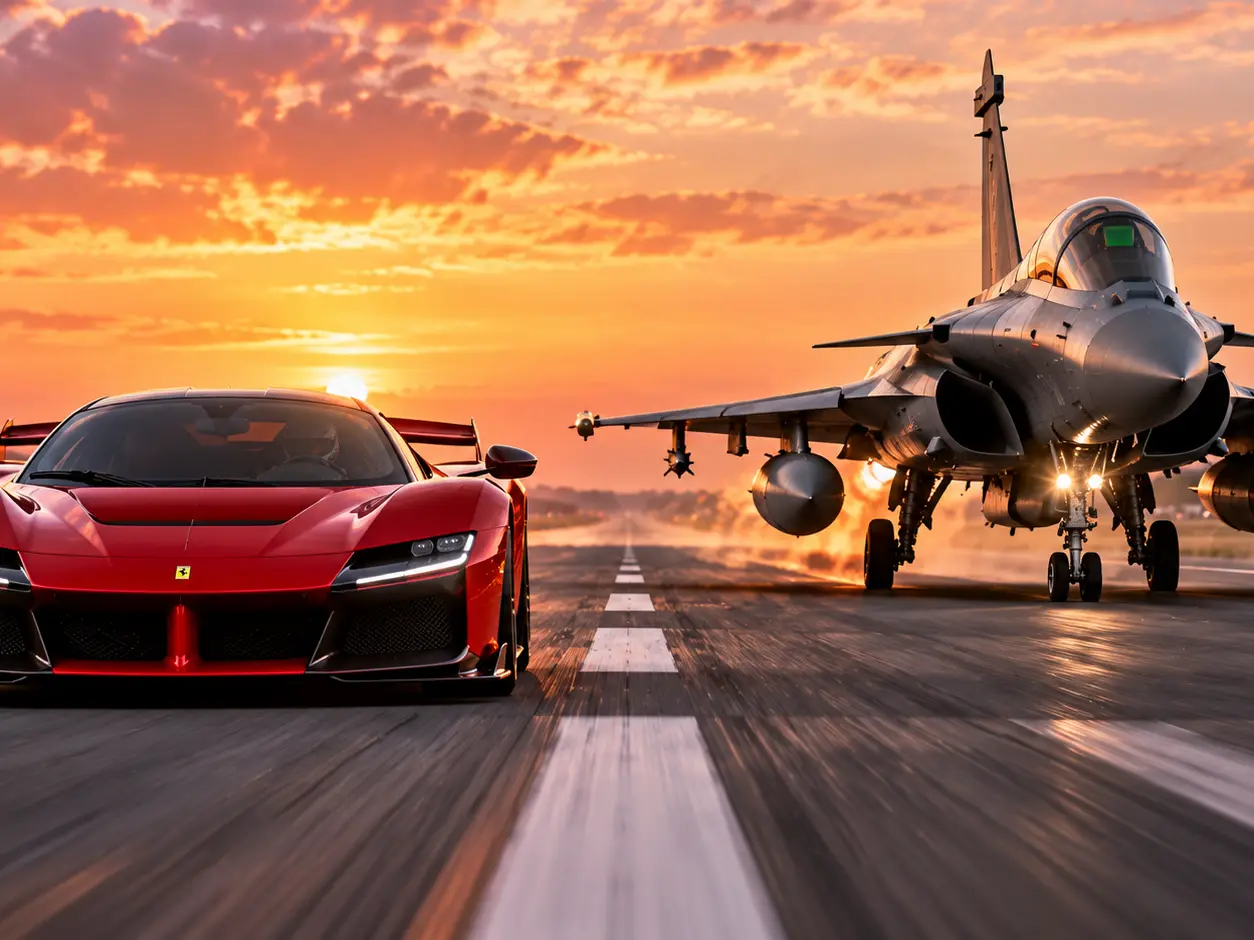
The Ferrari SF90 uses hybrid torque to lead the early runway sprint. However, the F-35B fighter jet relies on massive thrust to overpower the car at the 500-metre finish.
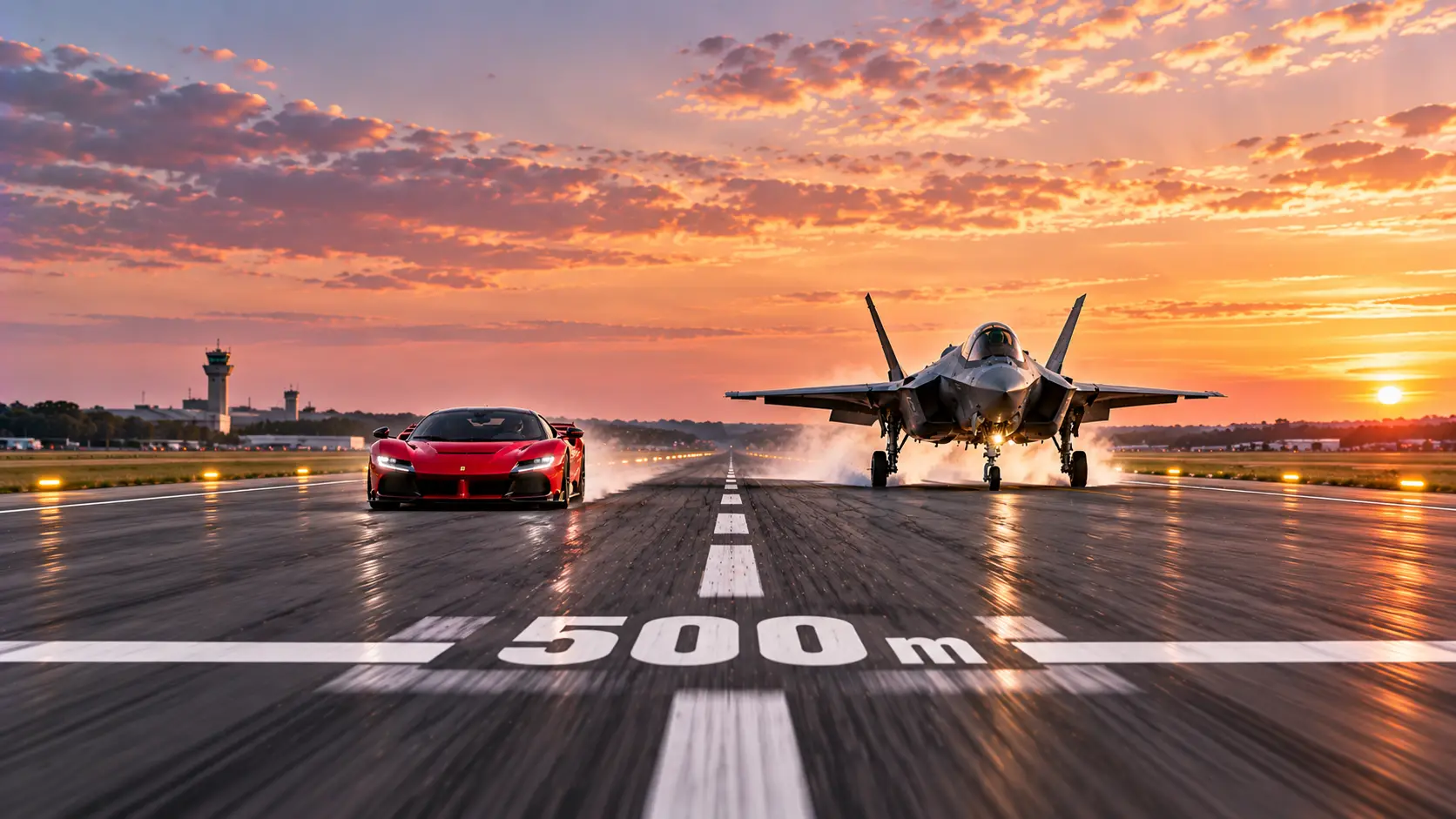
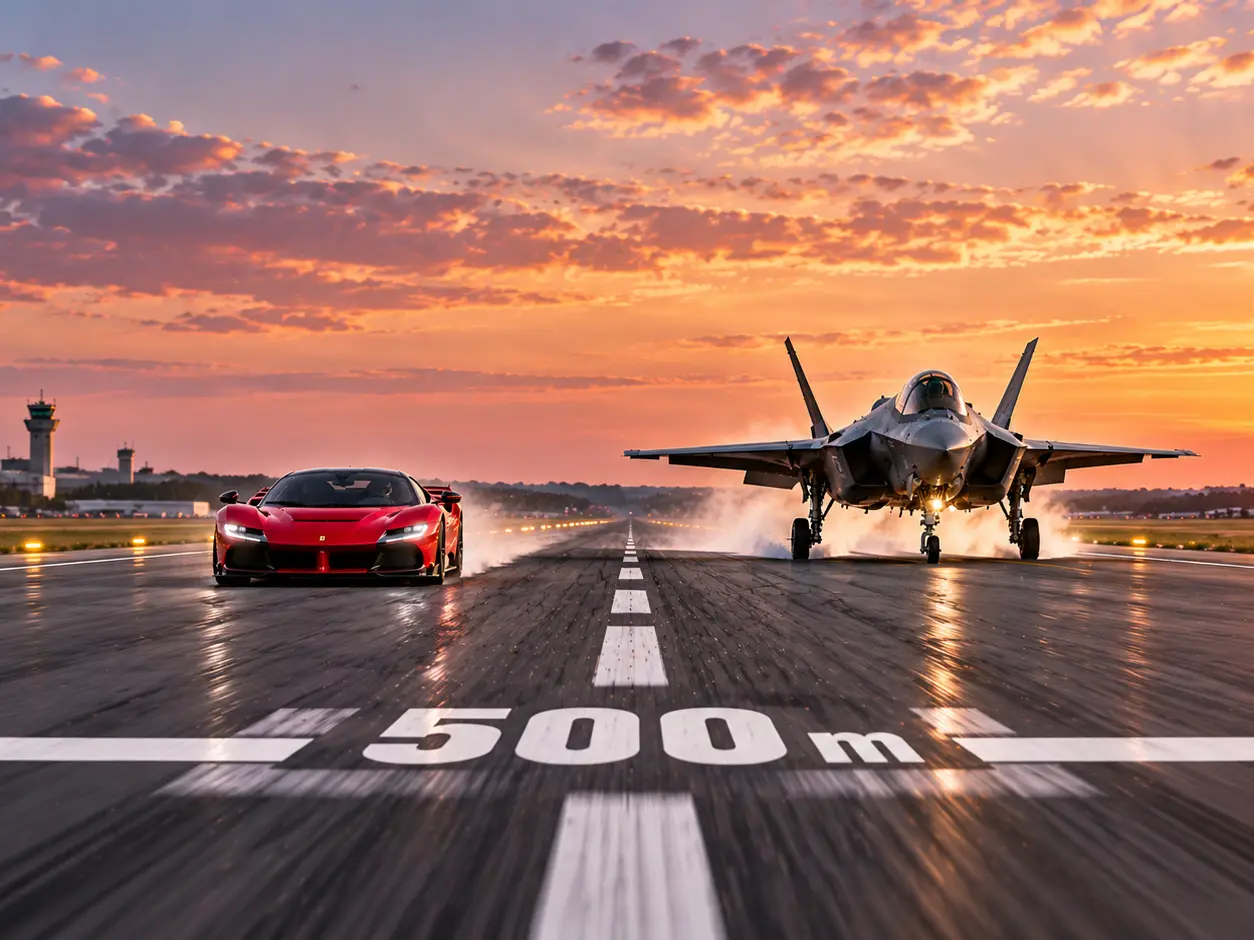
500-metre runway showdown
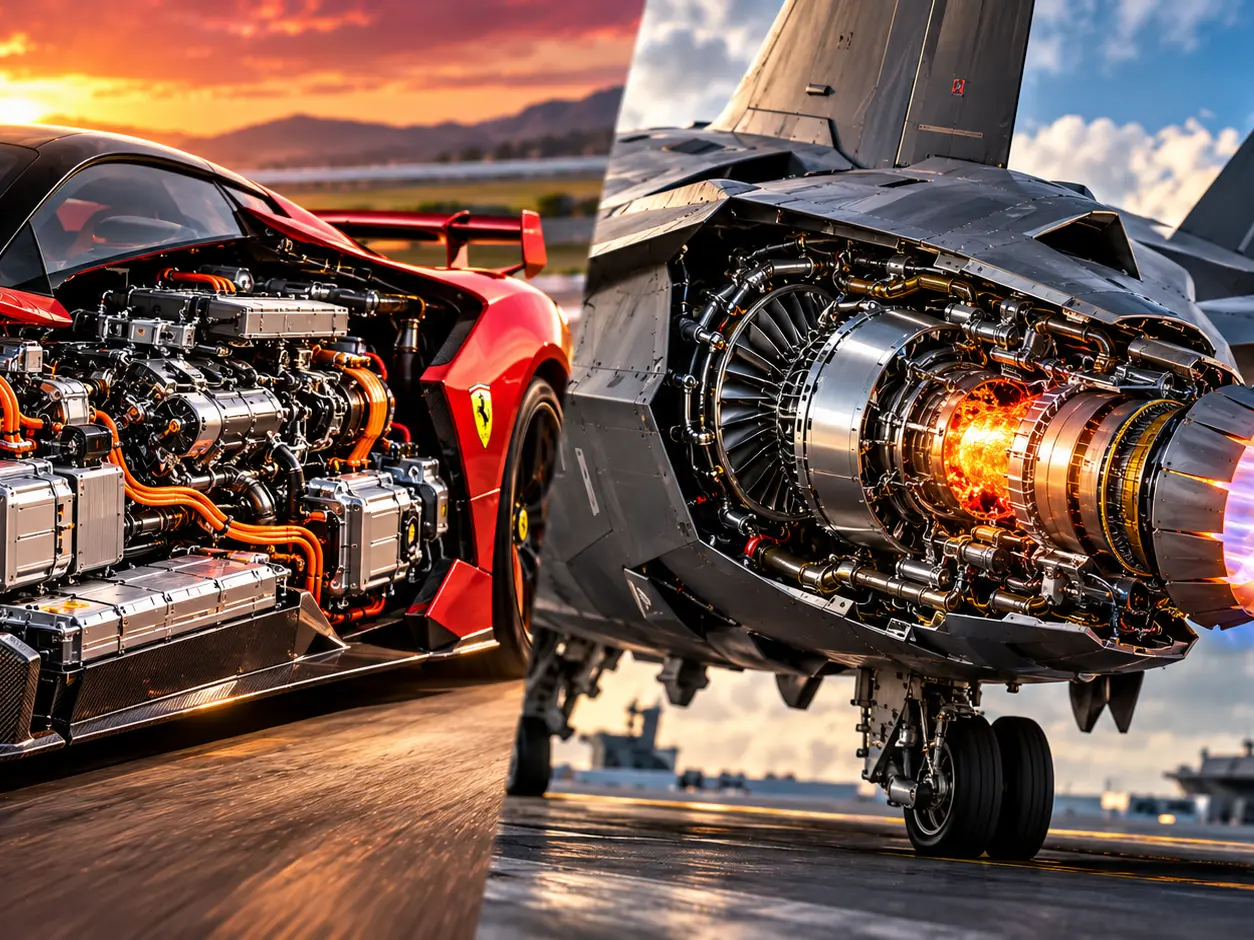
The Italian Navy organised this unprecedented 500-metre drag race to evaluate acceleration under controlled conditions. The event placed a 1,000-horsepower Ferrari SF90 Stradale against the military's premier short take-off and vertical landing stealth fighter.
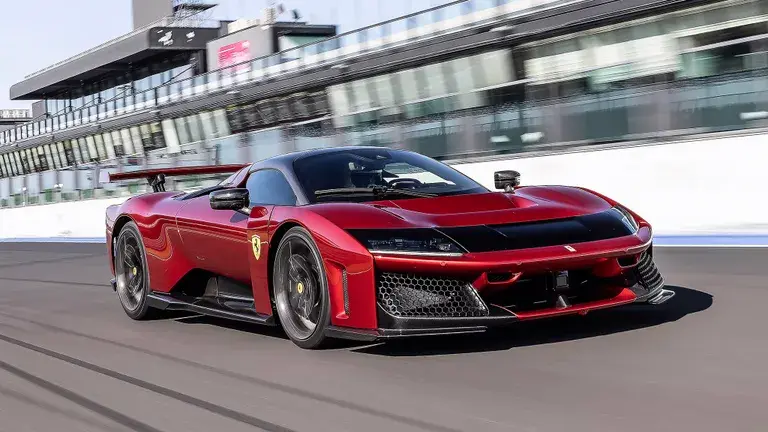
1,000-horsepower hybrid launch
Over the first few hundred feet, the Ferrari holds a massive structural and mechanical advantage. Generating instant torque from its electric motors and sticky rubber tyres, the SF90 catapults from a standstill to 100 km/h in a mere 2.5 seconds.
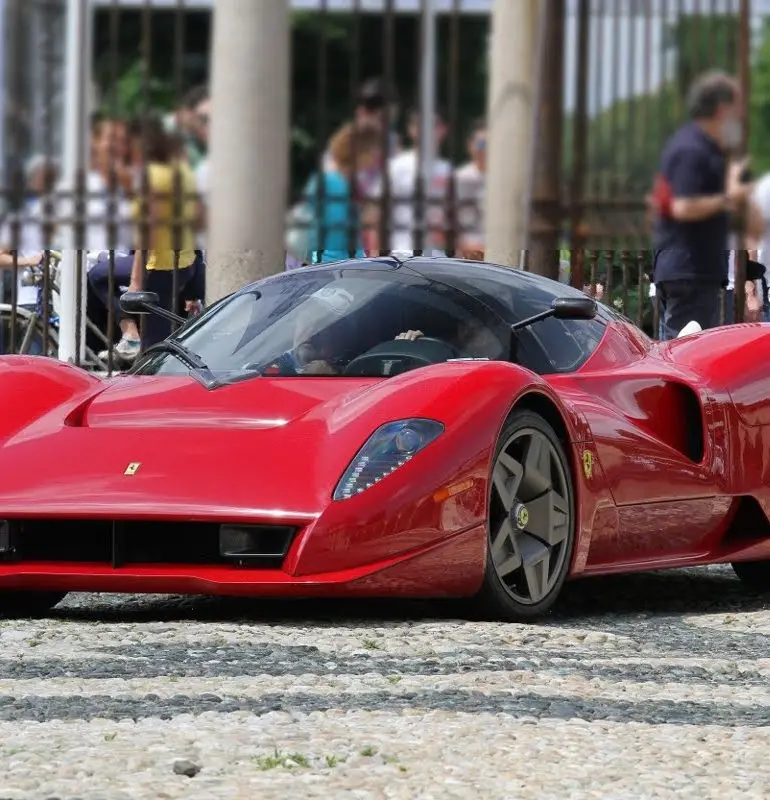
Pushing massive jet thrust
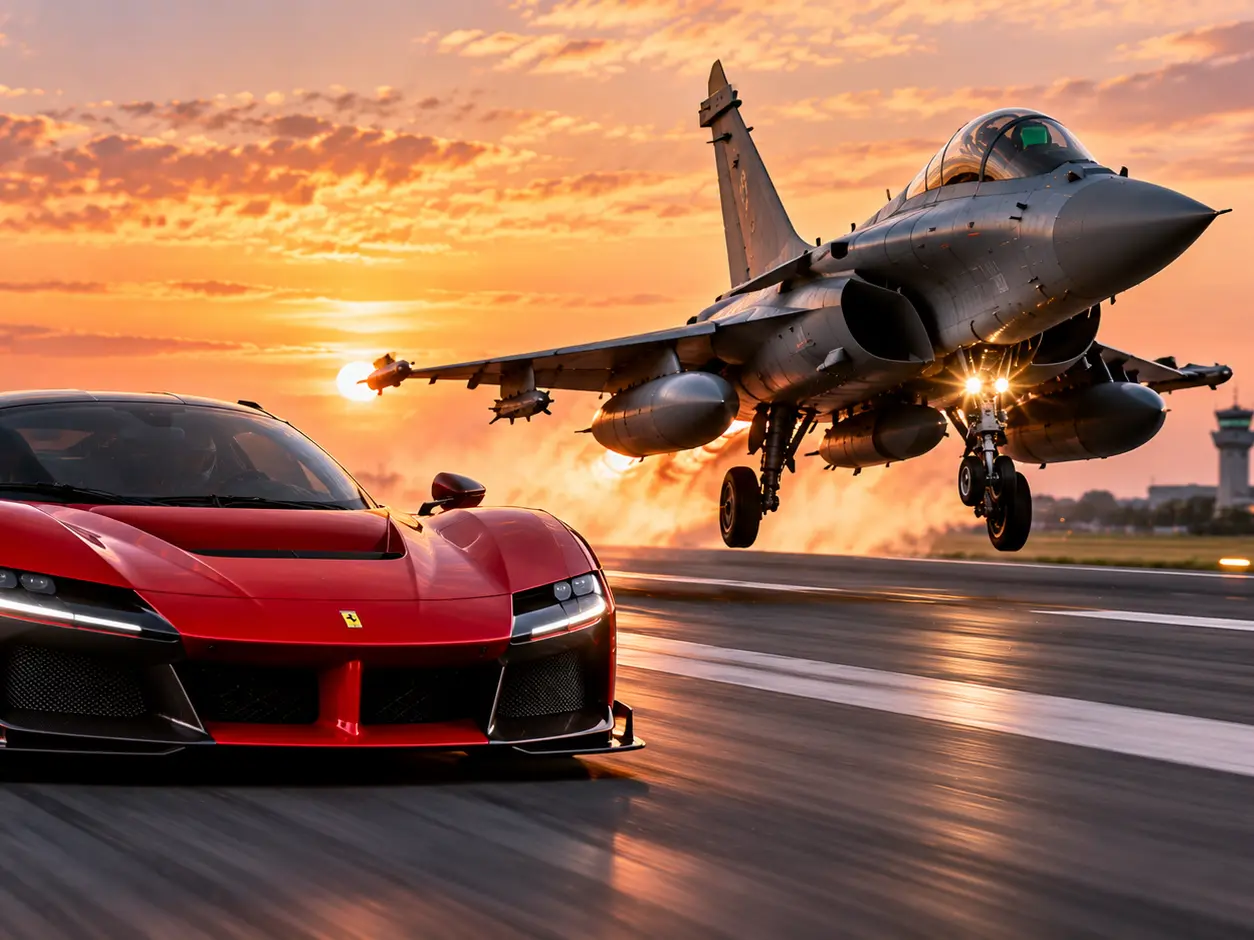
Unlike a hypercar, the F-35B requires a brief moment to spool its engine and compress atmospheric air. Pushing massive amounts of raw thrust, the heavy aircraft initially struggles against inertia before its afterburner rapidly builds serious forward momentum.
Hitting the aerodynamic wall
As the Ferrari approaches extreme speeds, it encounters an exponential increase in physical aerodynamic drag. The Italian hypercar requires massive horsepower increases just to maintain its acceleration, gradually losing its early runway lead as air resistance builds.
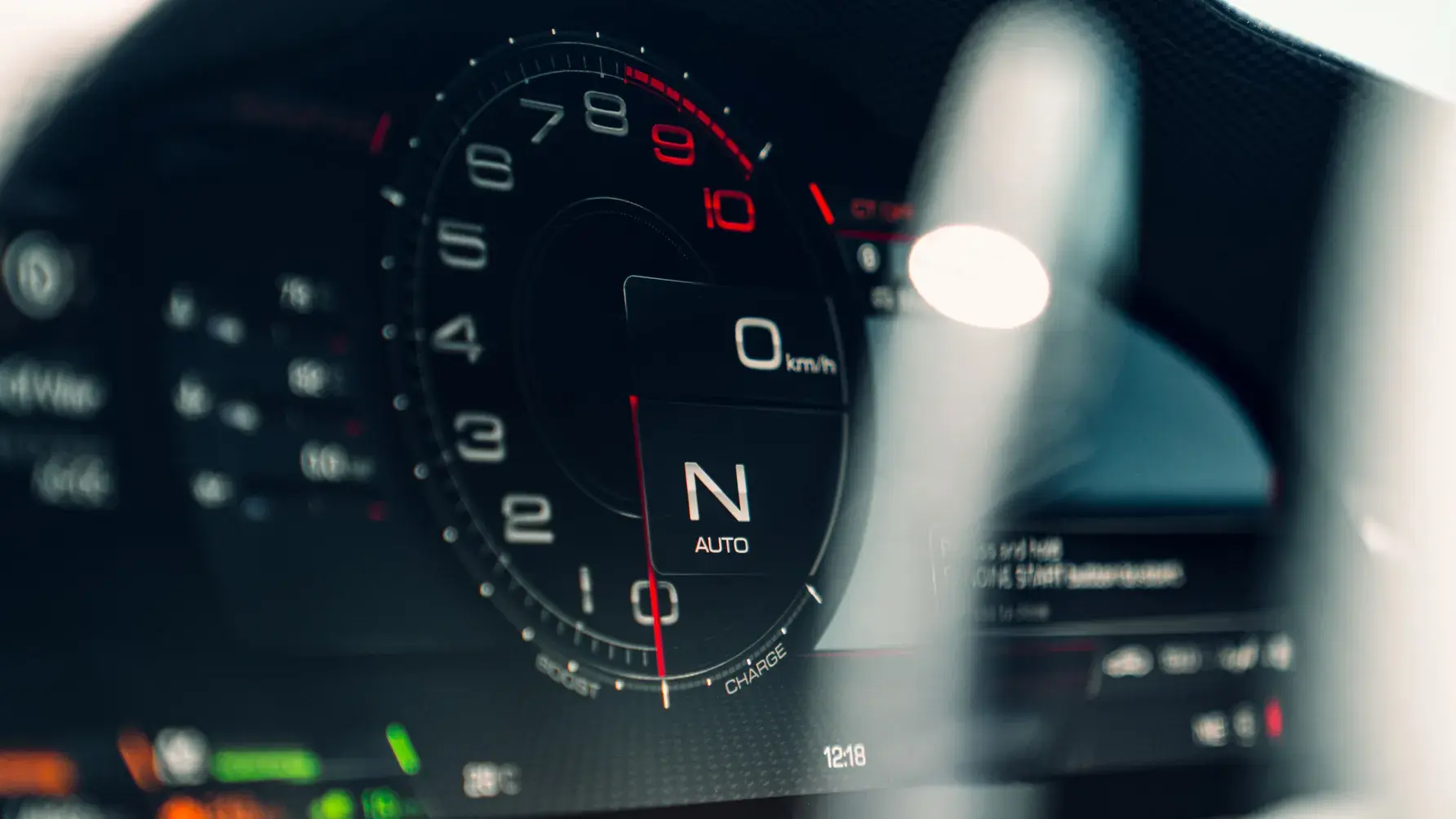
Crossing the 500-metre mark
While the SF90 completes the 500-metre sprint in an estimated 8 to 9 seconds, the physics ultimately shift. The jet's afterburner continuously delivers relentless thrust regardless of air resistance, allowing the airborne F-35B to overpower the supercar.