How Ferrari's hybrid technology compares with a fighter jet's propulsion system

Ferrari's 1,184-horsepower hybrid powertrain delivers instant torque and recovers braking energy. Fighter jets rely on raw thrust and continuous fuel combustion, requiring time to spool up before accelerating.
Power generation methods
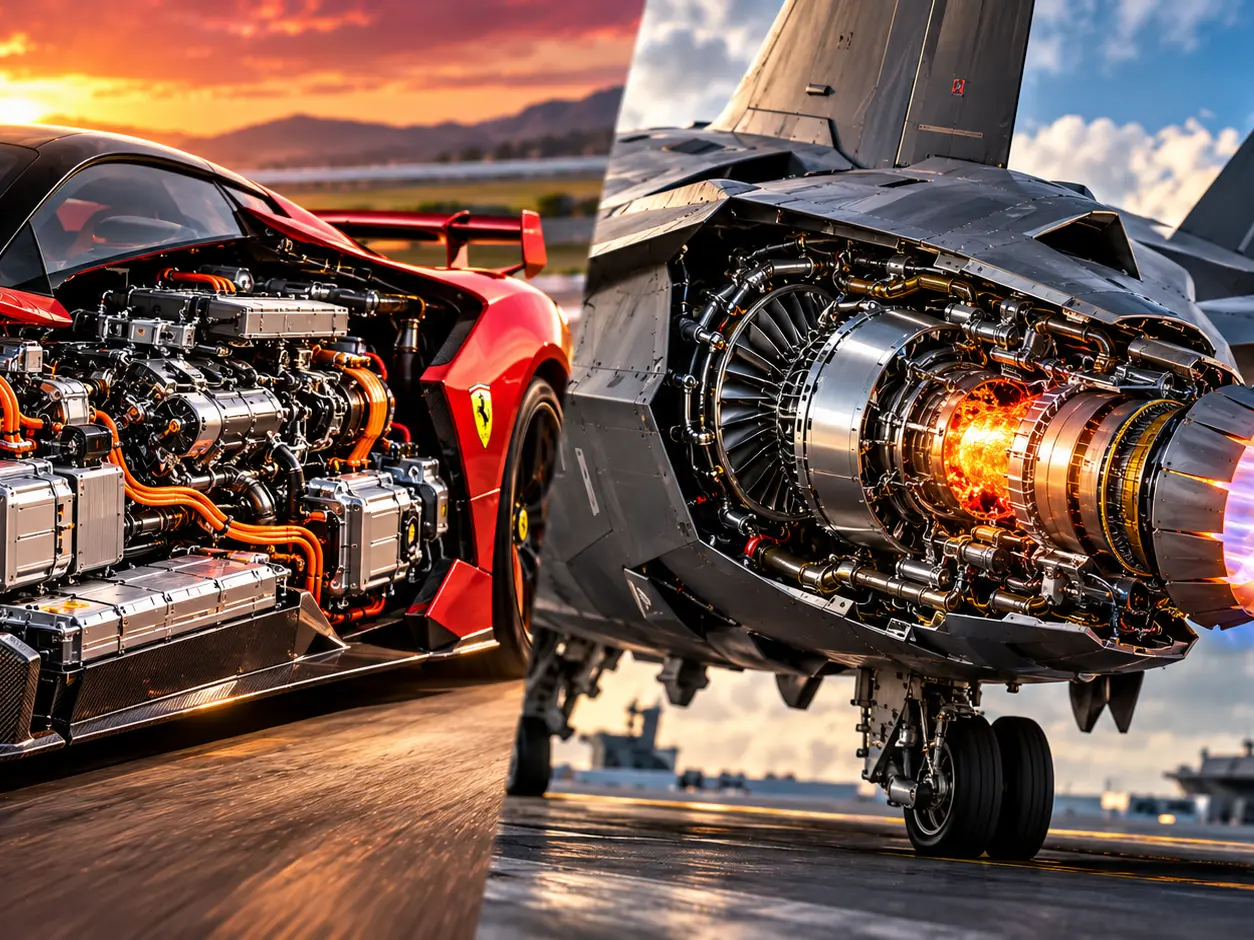
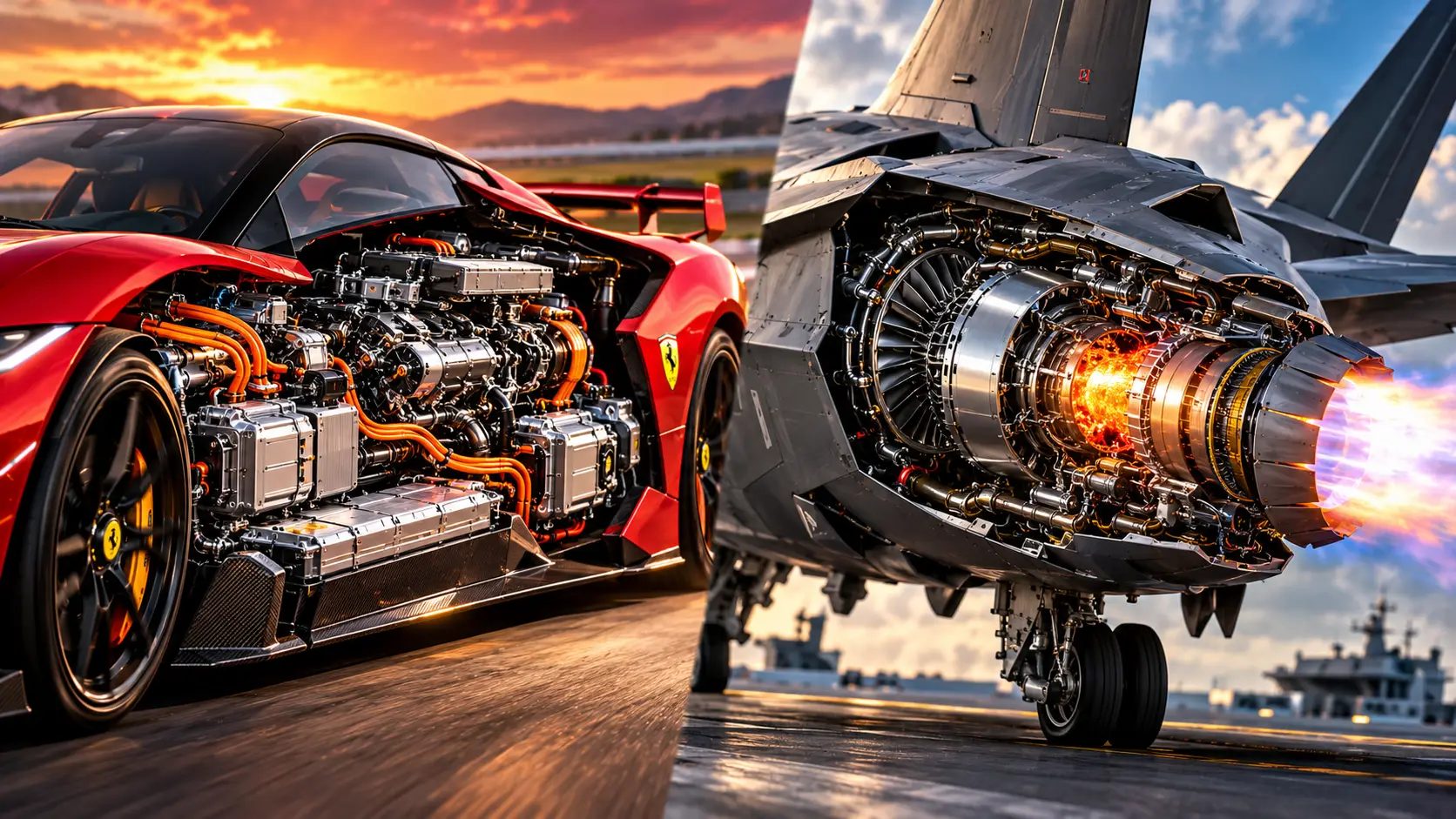
The Ferrari F80 pairs a twin-turbo V6 with three electric motors to generate 1,184 horsepower. A military fighter jet engine operates differently, compressing atmospheric air and igniting jet fuel to produce massive amounts of raw aerodynamic thrust instead of mechanical horsepower.
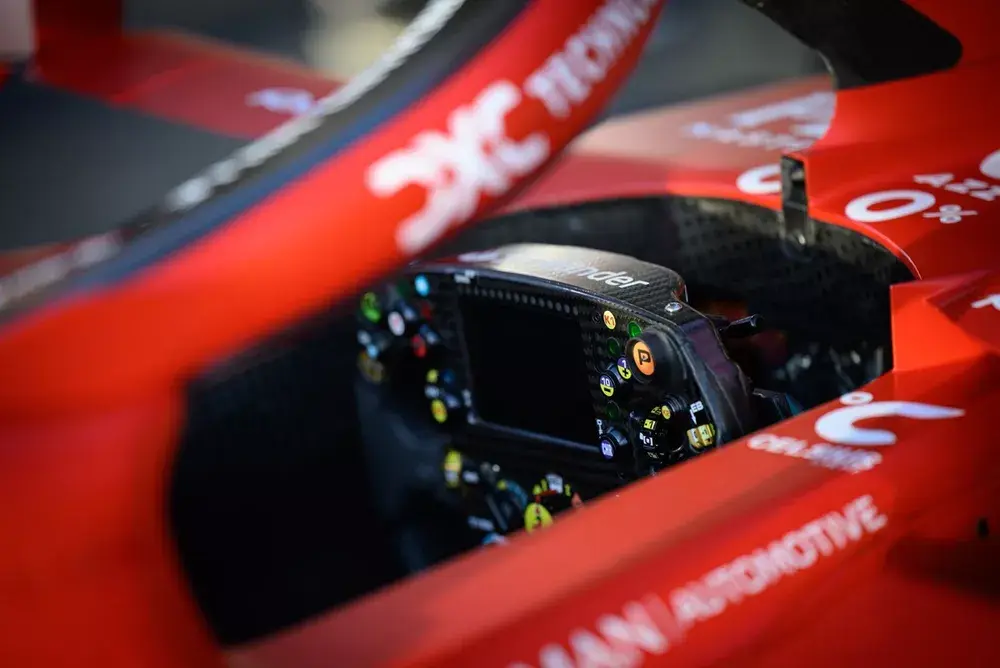
Instant hybrid torque
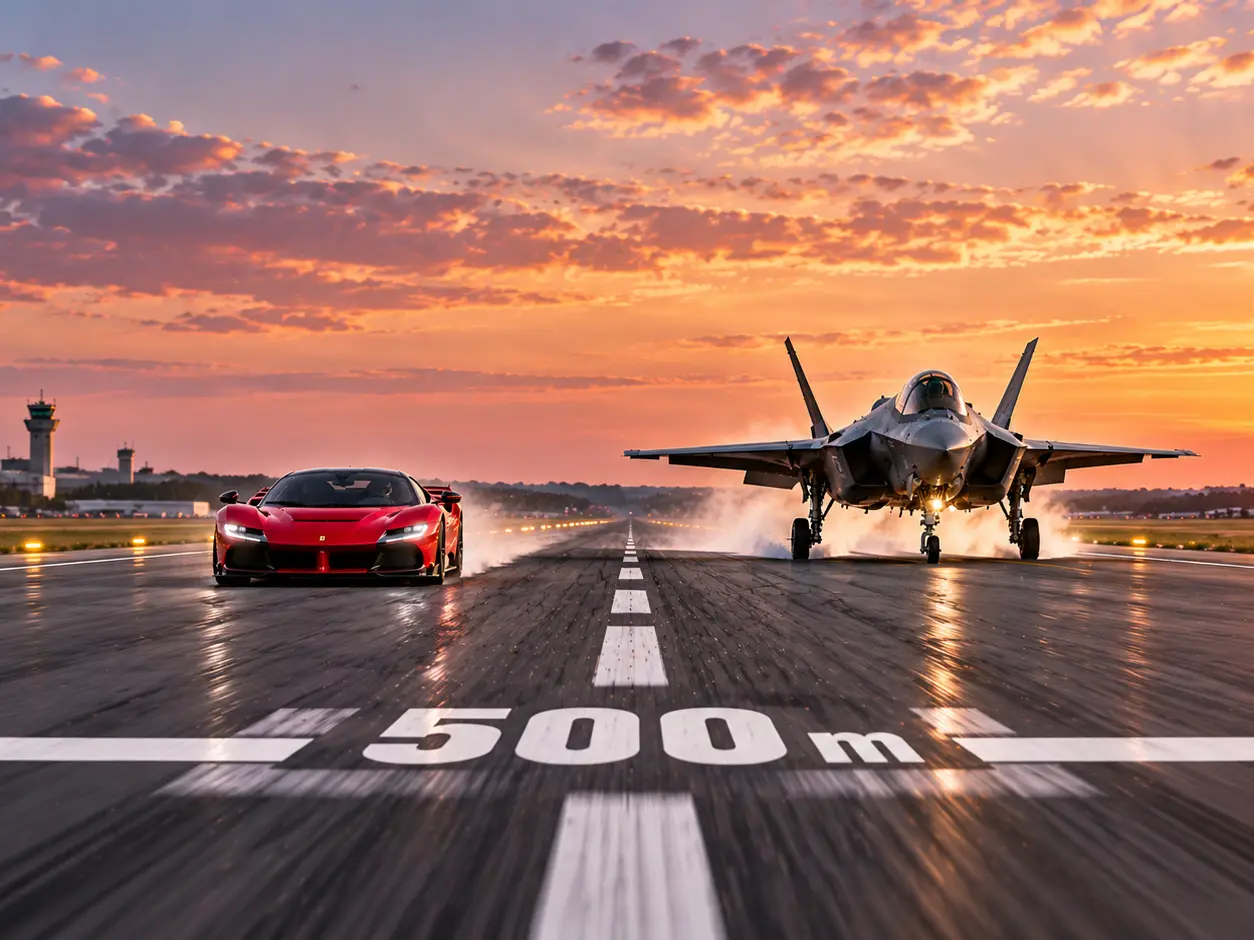
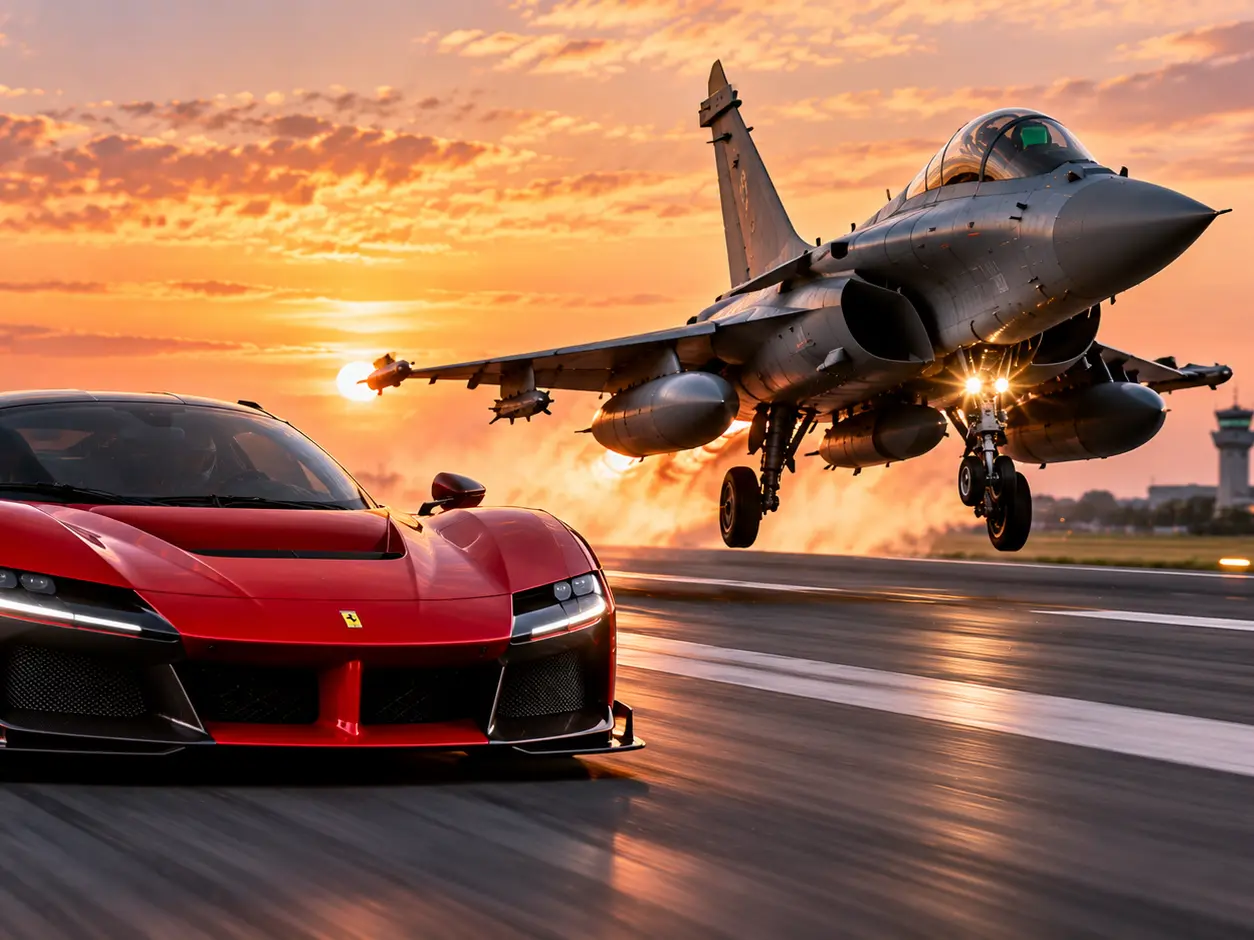
The Ferrari's advanced hybrid system delivers instant electrical torque directly to the wheels, launching the car to 100 km/h in just 2.15 seconds. In contrast, a fighter jet engine requires several seconds to spool up before generating enough forward thrust to accelerate.
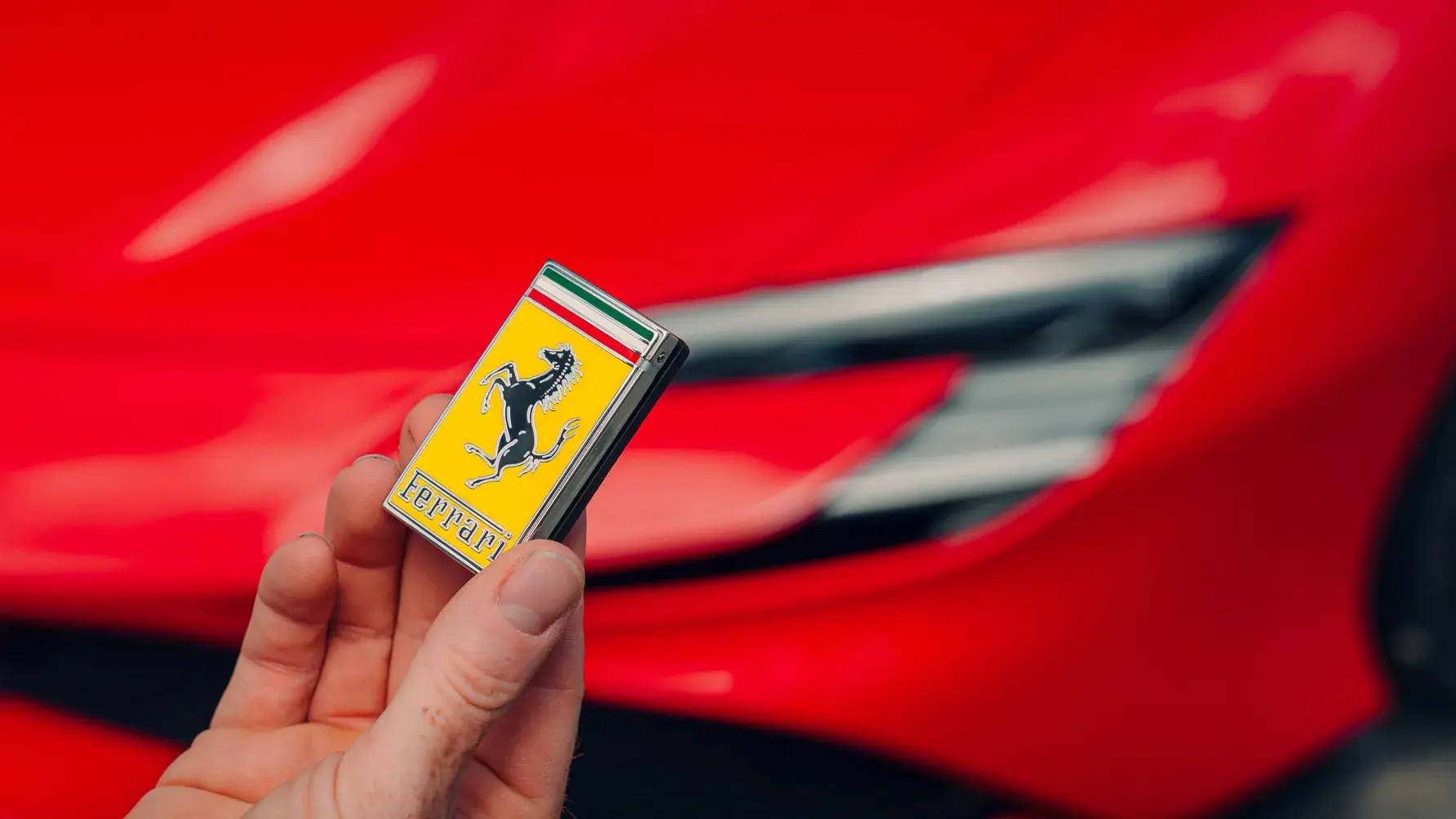
Kinetic energy recovery
Ferrari uses Formula 1 hybrid technology to capture braking friction and store it as electrical energy in an 800-volt battery. A military jet relies entirely on continuous aviation fuel combustion and cannot capture or recycle its own kinetic energy during flight.
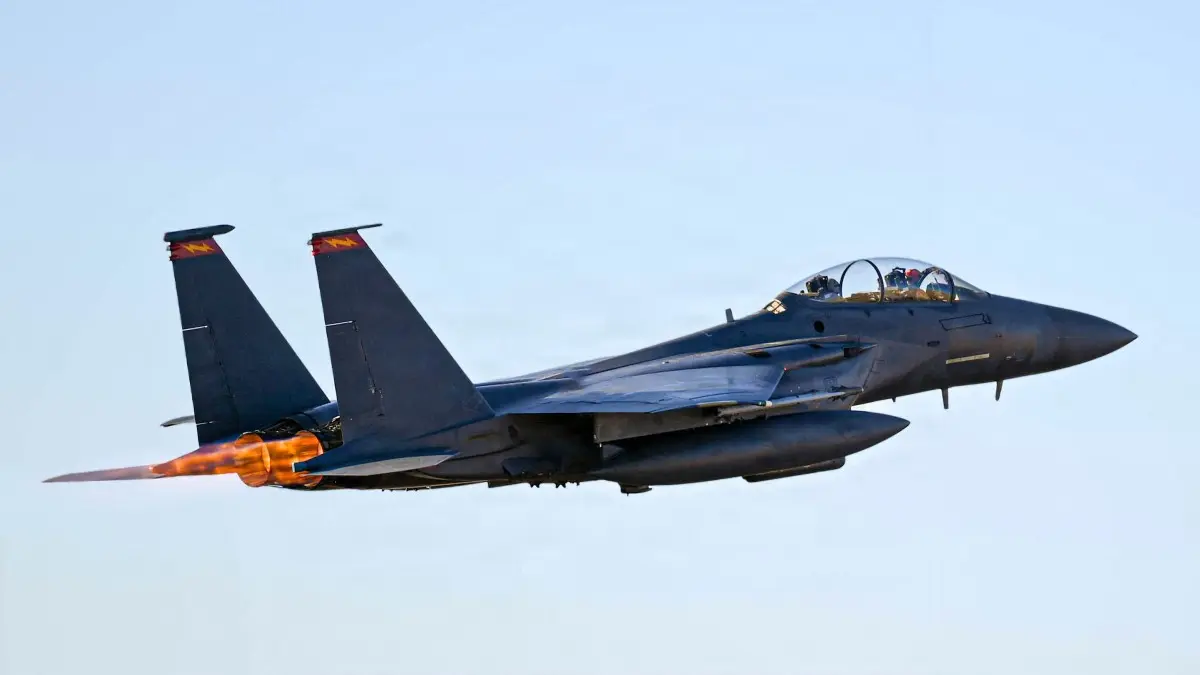
Eliminating turbo lag
To eliminate mechanical delay, Ferrari incorporates electric turbochargers powered by the hybrid battery, delivering immediate power upon throttle application. A fighter jet pilot experiences a slight mechanical delay when engaging the afterburner as the engine ingests and ignites additional fuel.
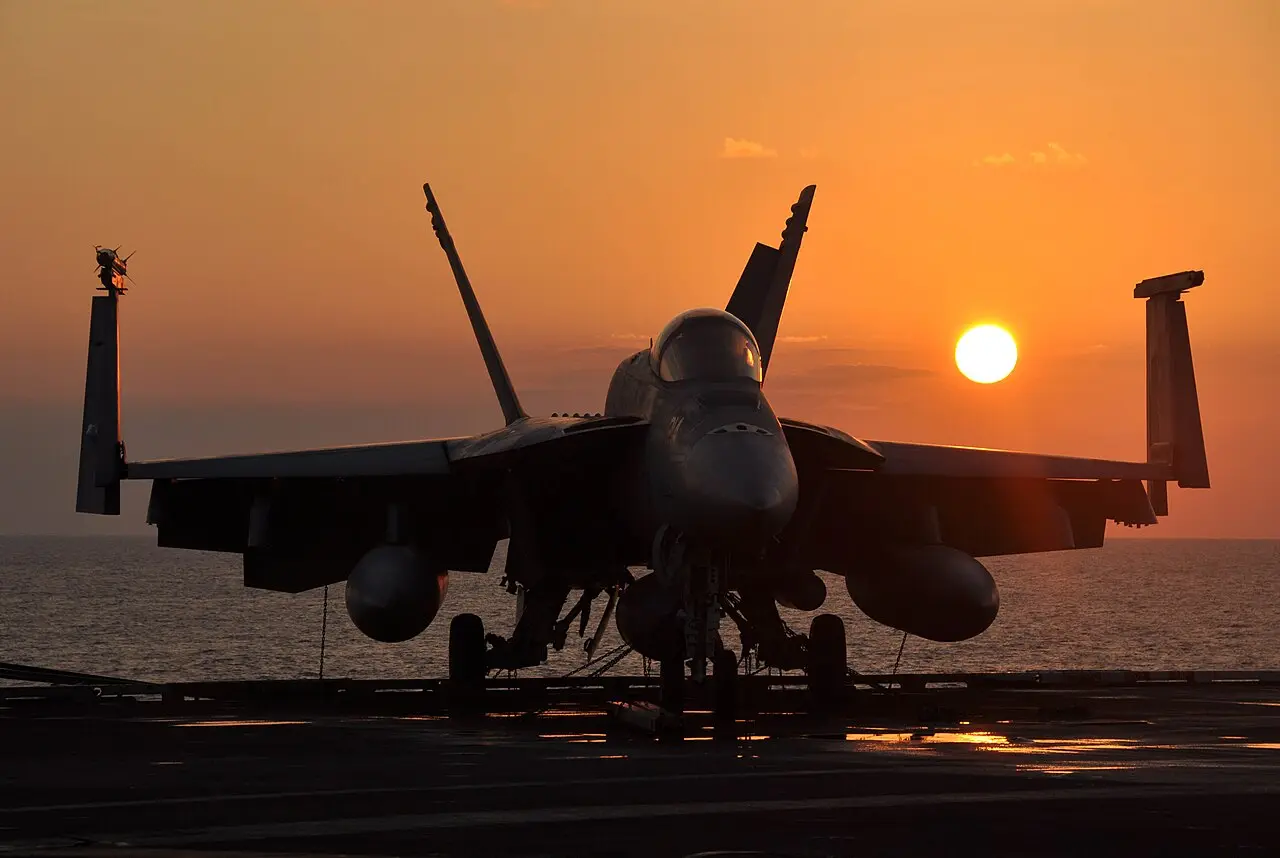
Downforce versus lift
While both propulsion systems generate extreme velocities, their physical goals are completely opposite. The Ferrari hybrid powertrain pushes the car to 350 km/h while generating 1,050 kilogrammes of downforce, whereas jet engines propel the aircraft specifically to generate vertical lift.