From Rakesh Sharma’s maiden space flight to Subhanshu Shukla’s training: Tracing five decades of India–Russia space collaboration

&imwidth=600&imheight=450&format=webp&quality=medium "From Rakesh Sharma’s maiden space flight to Subhanshu Shukla’s training: Tracing five decades of India–Russia space collaboration")
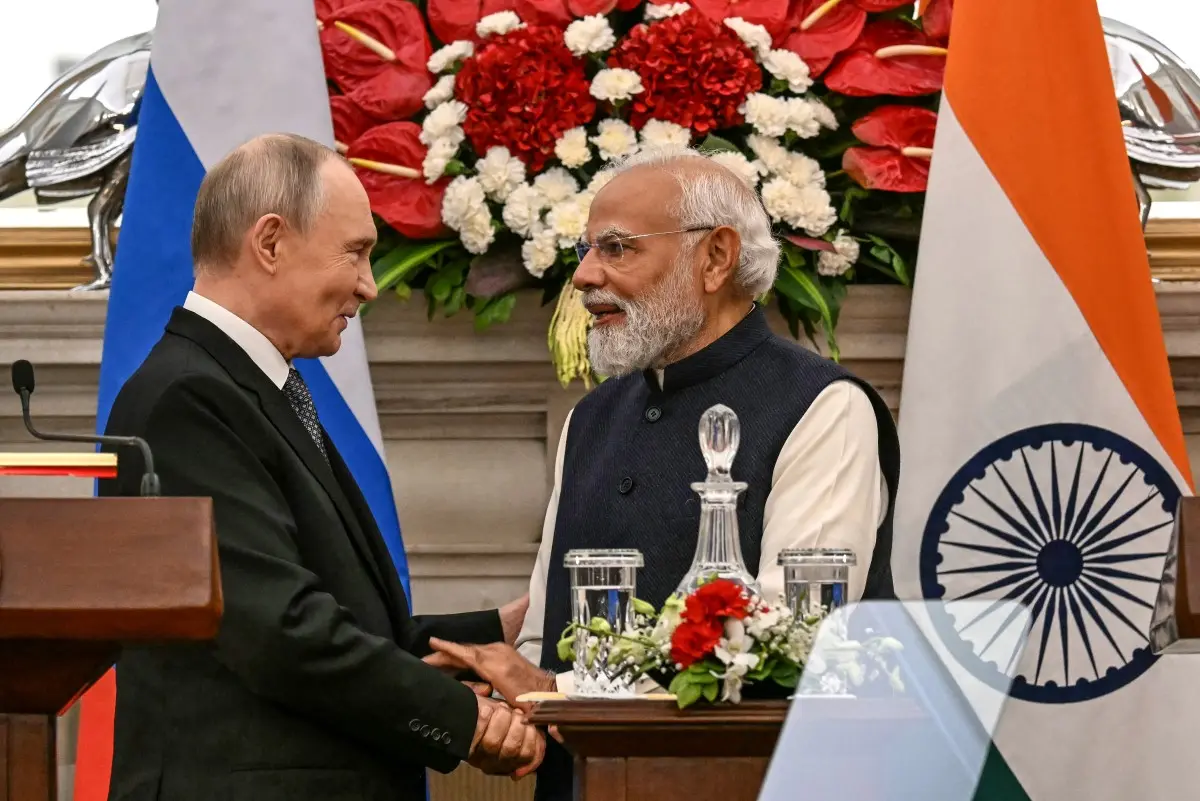
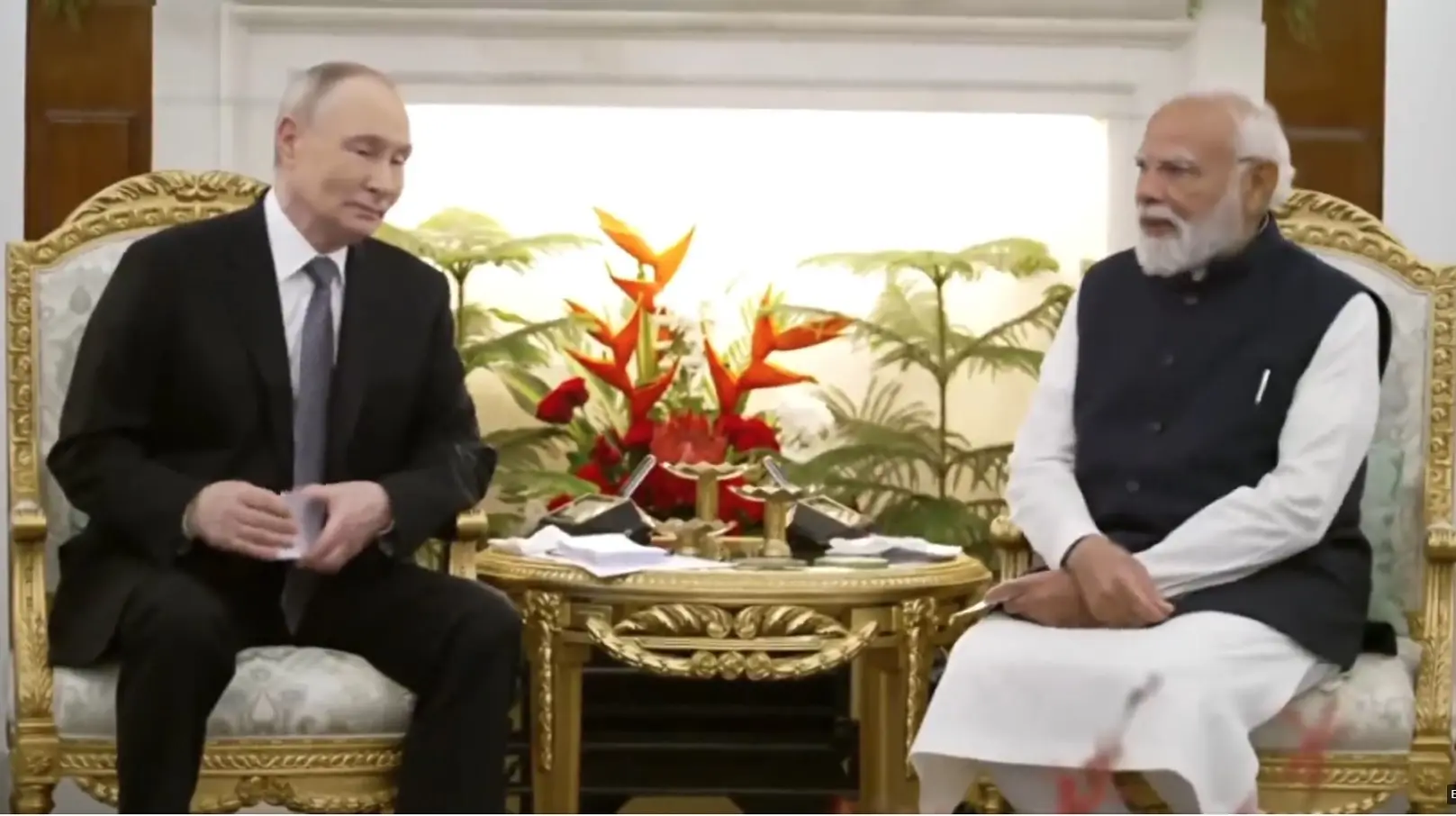
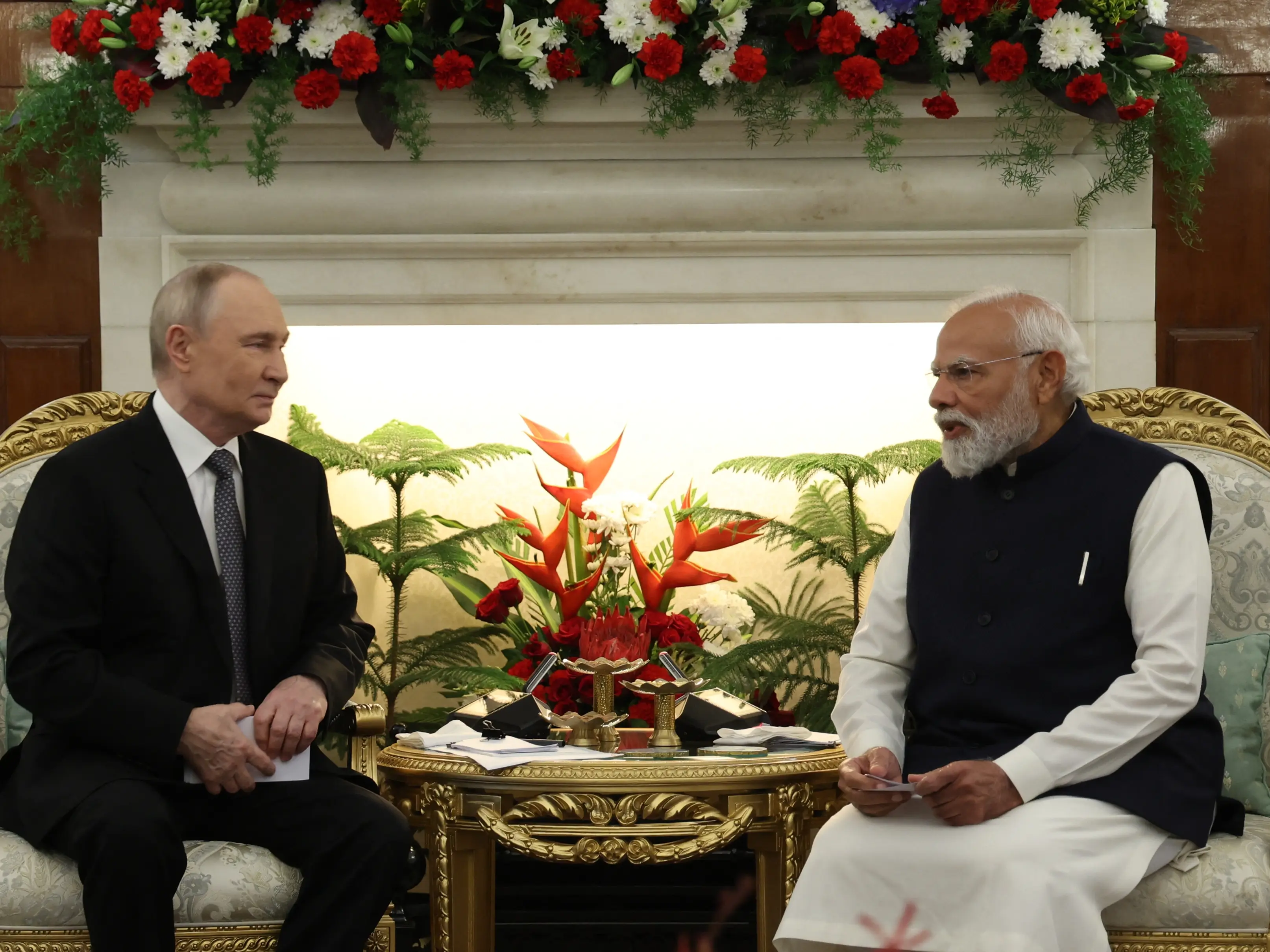
Russia's President Vladimir Putin and India's Prime Minister Narendra Modi hold talks at the Hyderabad House in New Delhi on December 5, 2025. Photograph: (AFP)
On 19 April 1975, India launched its first satellite, Aryabhata, aboard the Soviet Kosmos-3M rocket from the Kapustin Yar launch site.
India's collaboration with Russia in Space exploration and linked technologies has been the most significant partnership in shaping India's journey towards becoming a major player in space technologhy and among leading nations in space exploration, During his first visit to India in the past four years, Russian President Valadmir putin lauded Prime Minister Modi for advancing bilateral ties and vowed to deepen cooperation in areas like space exploration and artificial intelligence.
“Over the past years, you have done a great deal of work to develop our relationship. We are opening additional areas for cooperation, including hi-tech aircraft, space exploration and artificial intelligence,” Putin said during a joint press briefing alongside Prime Minister Narendra Modi in New Delhi on Friday (Dec 05).
On the occasion of Putin's landmark India visit and his summit with Prime Minister Modi, during which both leaders signed various agreements to deepen the collaboration across areas like Trade, Nuclear Technology, the defence sector and Space technology, look at five decades of collaboration with Russia in the Space sector that shaped ISRO's journey.
The beginning: ISRO's formation and early Soviet assistance
India began its journey towards space with the creation of the Indian National Committee for Space Research (INCOSPAR) in 1962, led by Vikram Sarabhai, with close scientific exchange with the Soviet Union.
Trending Stories
)
)
)
)
)
)
&im=FitAndFill=(700,400))
)
)
)
&im=FitAndFill=(700,400))
)
)
)
)
)
)
&im=FitAndFill=(700,400))
)
)
)
)
)
)
)
)
)
)
)
)
)
)
)
)
)
In 1969, the Indian government established the Indian Space Research Organisation (ISRO) as the national space agency. The USSR was among the first nations to sign technical cooperation agreements with India in satellite technology, tracking support, and telemetry systems.
The launch of India's first satellite, Aryabhata
In 1971, India and the USSR signed a formal bilateral agreement which included Moscow's support for India's satellite program and commitment by the soviet side to assist India with its first experimental satellite.
On 19 April 1975, India launched its first satellite, Aryabhata, aboard the Soviet Kosmos-3M rocket from the Kapustin Yar launch site. This event marked the beginning of India’s satellite era and became the strongest early symbol of India–USSR space cooperation. Moscow continued to play a supportive role for ISRO, launching the Bhaskara-I satellite in 1979.
Rakesh Sharma's maiden Spaceflight
The landmark moment in India's journey to reach space came in 1984 when Wing Commander Rakesh Sharma became the first Indian in space. Trained and launched aboard the Soviet spacecraft Soyuz T-11, his successful eight-day mission highlighted the USSR’s early role in supporting India’s aspirations beyond Earth.
GAGANYAN: India's ambition to launch its first human spaceflight
A major new chapter began in 2018 when Russia agreed to train Indian astronauts for the ambitious Gaganyaan human spaceflight programme. Four Indian Air Force officers, Group Captains Prasanth Balakrishnan Nair, Ajit Krishnan, Angad Pratap, and Wing Commander Shubhanshu Shukla, underwent extensive training at the Gagarin Research and Test Cosmonaut Training Centre, marking the most significant human-spaceflight collaboration since Sharma’s historic mission.
The journey from Rakesh Sharma’s Soyuz mission to Subhanshu Shukla’s advanced training reflects a collaboration rooted in trust, shared scientific goals, and a vision to expand human presence in space.