
&imwidth=800&imheight=600&format=webp&quality=medium "From Khamenei’s bunker to 5 oil sites - List of targets struck by Israel since Iran war began")
The ongoing war between Israel and Iran has entered a far more volatile stage, with Israel announcing a major expansion of its military campaign across Iranian territory. As the conflict moved into its second week and ninth day on Sunday (March 8), the scale and nature of the strikes indicate that the confrontation is no longer limited to tactical military targets. Instead, it is rapidly evolving into a broader strategic campaign with far-reaching regional and global consequences.
Israel said it has carried out thousands of strikes since launching its military campaign, named Operation Epic Fury, alongside the US. The operation, according to Israeli authorities, has included attacks on military infrastructure, air defence systems, and energy facilities across Iran. Among the most dramatic claims is the killing of Iran’s Supreme Leader Ayatollah Ali Khamenei in a strike on what Israel described as an underground military bunker.

A shift from military to strategic targets
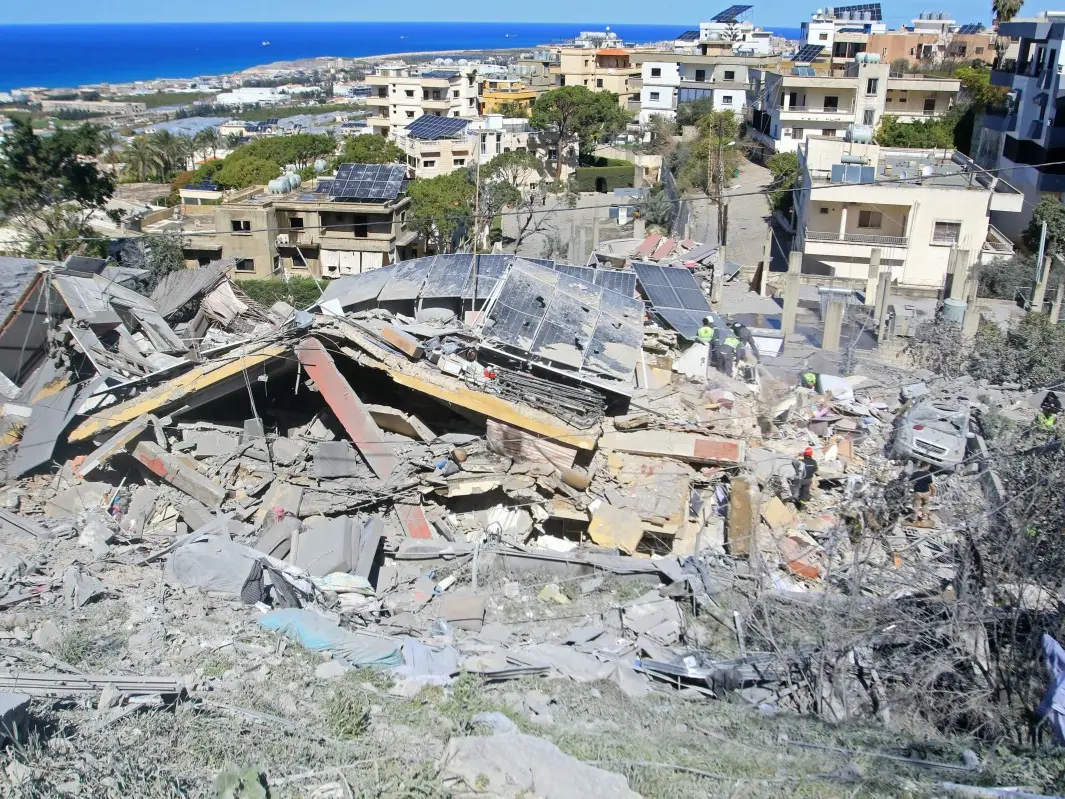
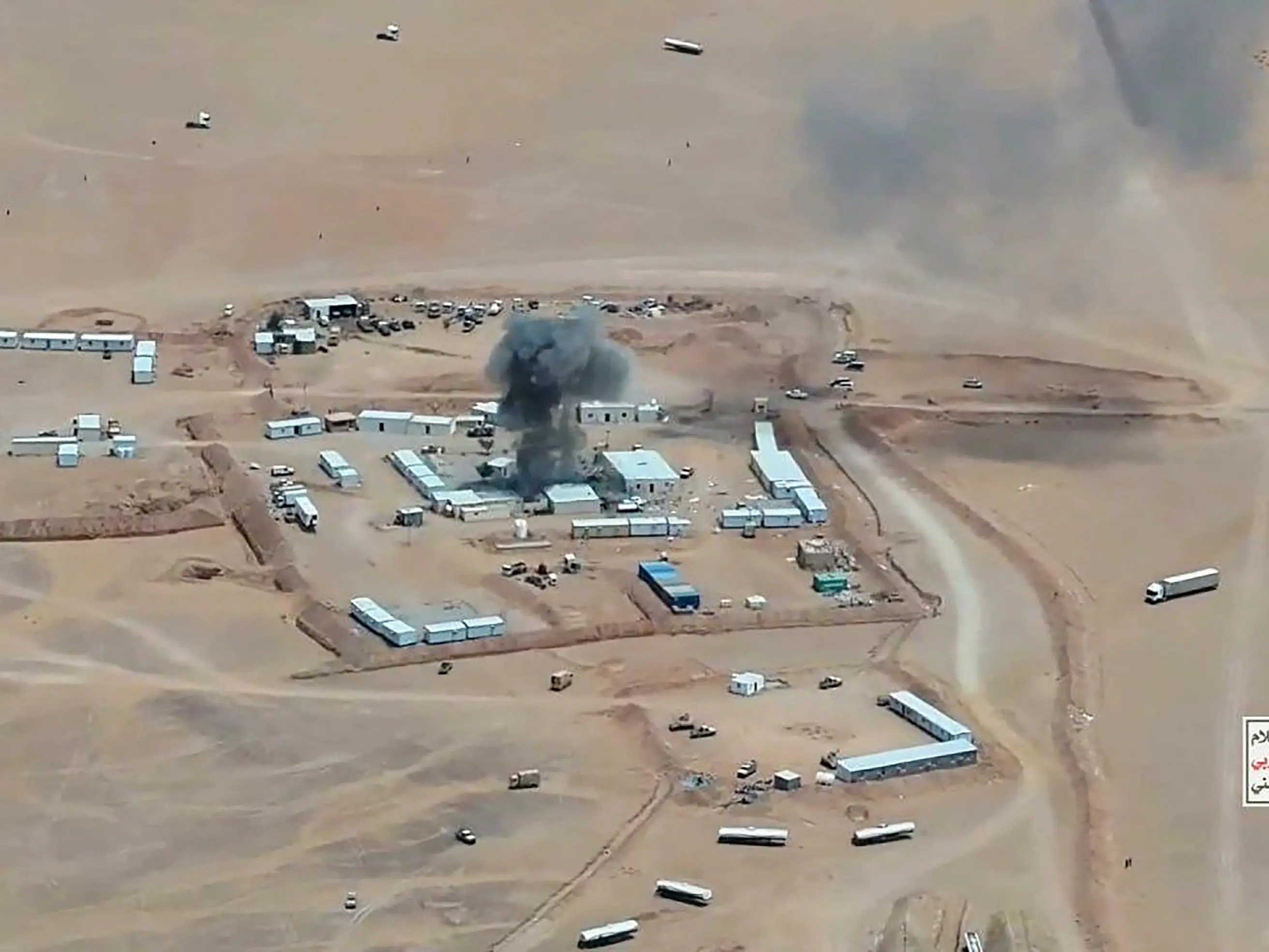
One of the most striking developments in the latest round of attacks is the shift in Israeli strategy. Initially focused largely on military installations, Israel has now expanded its targets to include oil depots and fuel distribution infrastructure. Israeli and US forces reportedly struck five oil-related facilities in and around Tehran, including four depots and a petroleum transport centre. Iranian officials confirmed that several personnel were killed and that fires broke out following the strikes, though they said the situation was brought under control.
Targeting energy infrastructure marks a significant escalation. Oil depots and fuel networks are not just military assets; they are vital to the functioning of the national economy and civilian life. By striking these facilities, Israel appears to be aiming at weakening Iran’s logistical capacity to sustain a prolonged war effort. However, this strategy also raises serious humanitarian and geopolitical concerns. Damage to fuel networks can disrupt civilian supplies and trigger broader economic instability.
Trending Stories
&im=FitAndFill=(700,400))
Meet top 5 bowlers in latest ICC T20I rankings
)
Pyongyang dismisses US, western pressure over nuclear programme
)
India seeks to build a full semiconductor supply chain
&im=FitAndFill=(700,400))
Meet top 5 Indian batters with fastest T20I centuries
)
China may have gained access to US's classified F-35 jets; parts meant for repairs diverted to Hong Kong, sparking Pentagon inquiry
)
Ukraine plans record $109 bn defence spending, nearly two thirds of budget amid Russia war
)
Pak: A series of counter terrorism operations in Khyber Pakhtunkhwa
)
Brigitte Bardot’s private collection set for Paris auction; key items and prices revealed
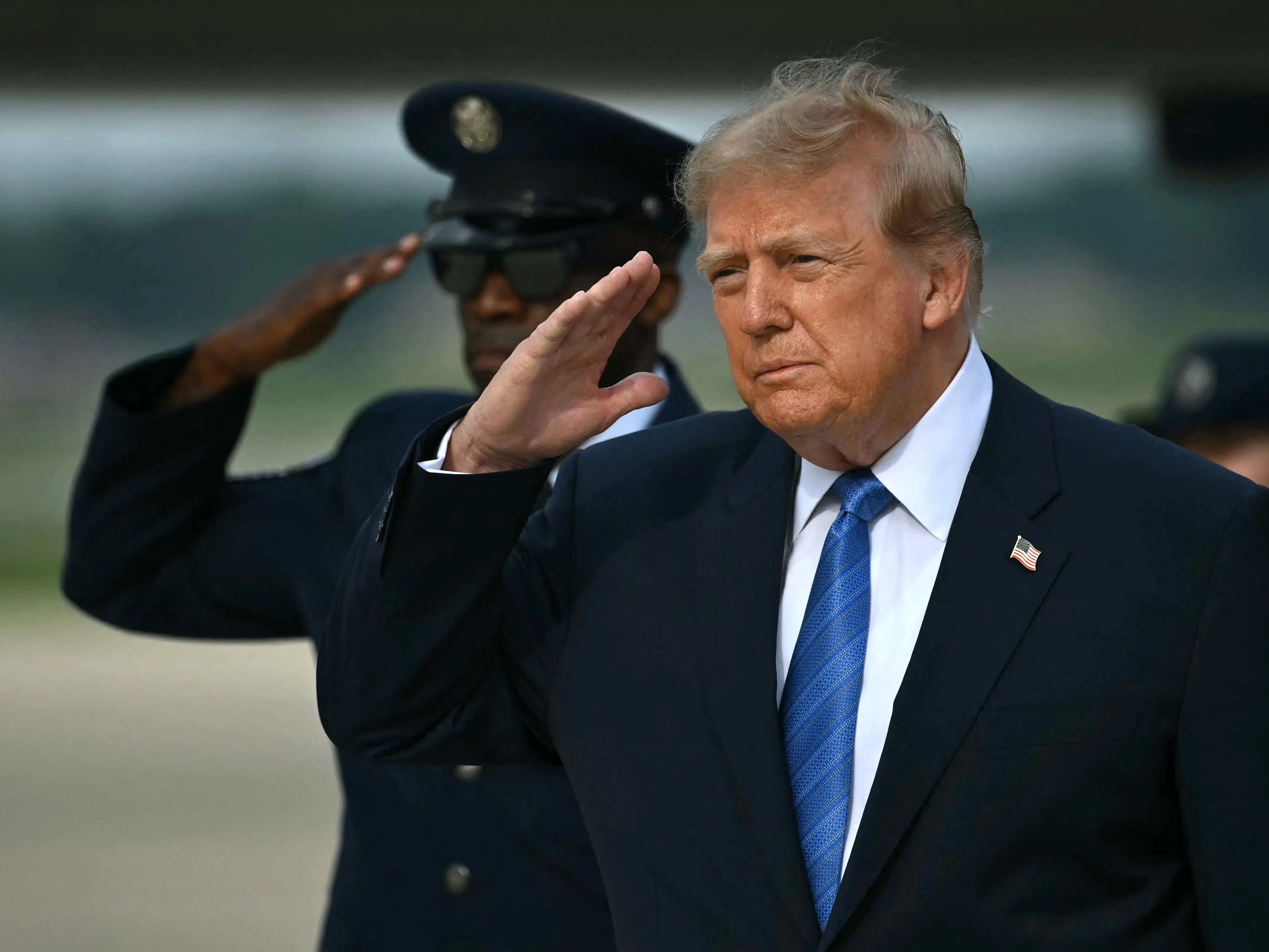)
Trump's Greenland dream comes true? POTUS announces 'Infinite Life' deal with Denmark, claims permanent US control
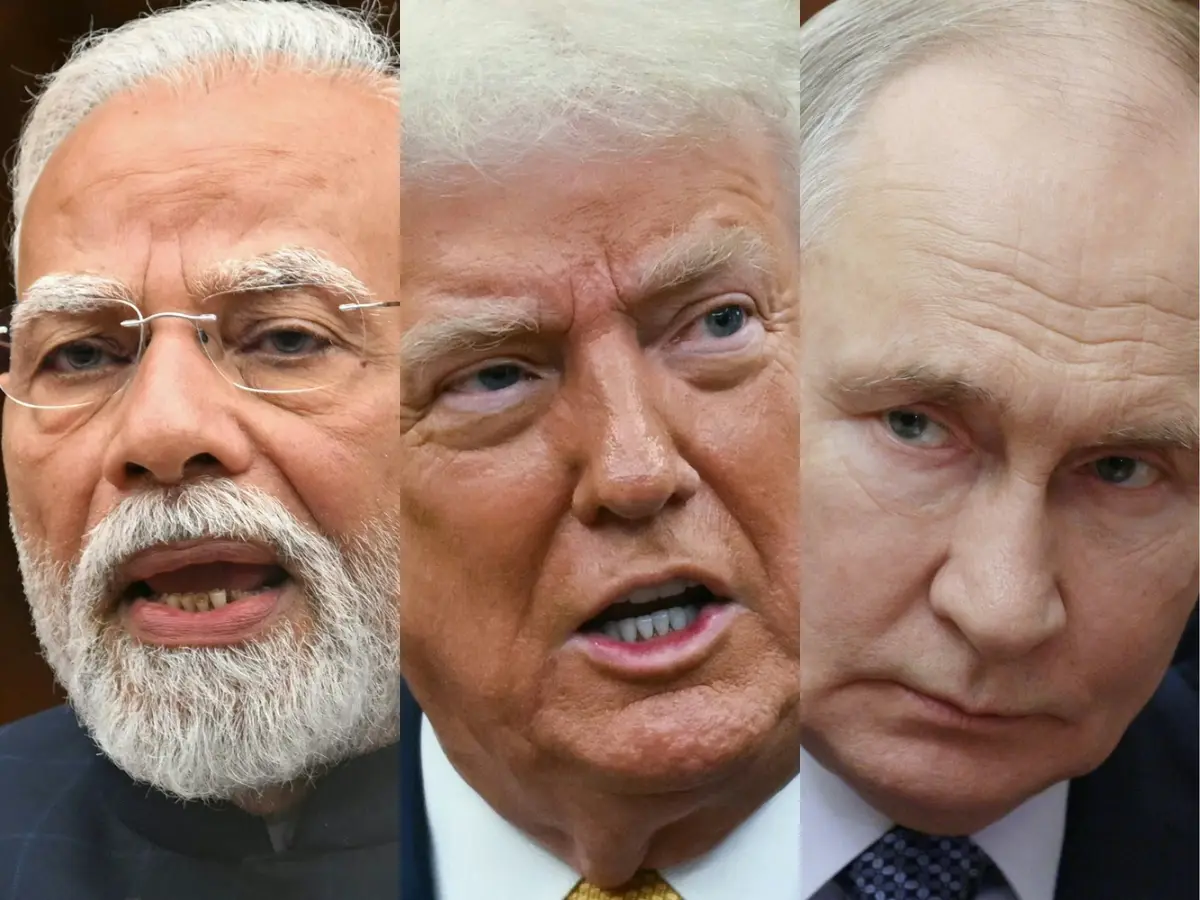)
Trump signs Russia sanctions law: India faces fresh 100% tariff threat over Russian oil
&im=FitAndFill=(700,400))
From Abhishek Sharma to Sahil Chauhan, 5 batters with fastest T20I hundreds
)
Tirupati Laddu ghee adulterated with chemicals, says ED, supplier arrested
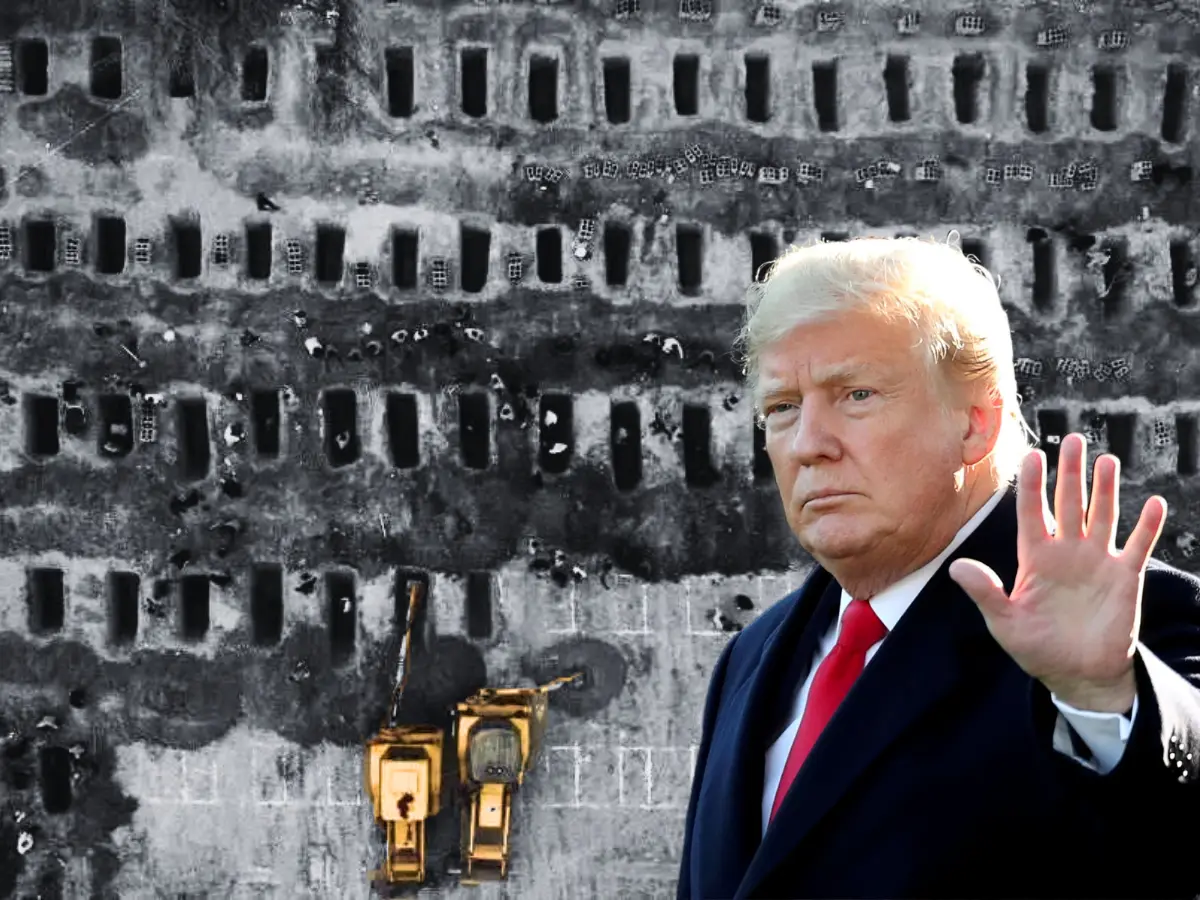)
The Verdict | When precision fails: US commits war crime in Minab school strike, UN finds
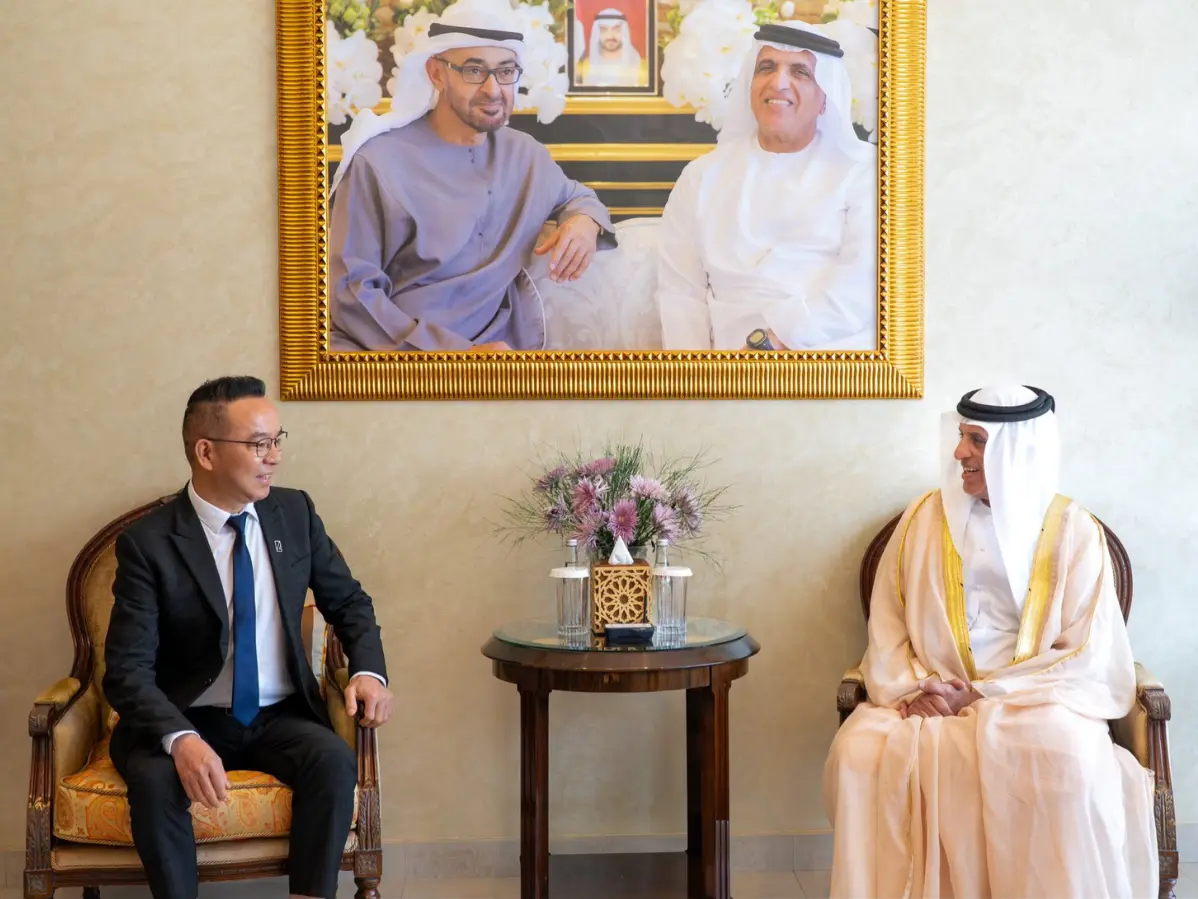)
Flying cars in UAE: Ras Al Khaimah signs deal with Chinese company to test new transport
66 years of the Indus Waters Treaty: How India and Pakistan settled a bitter river dispute
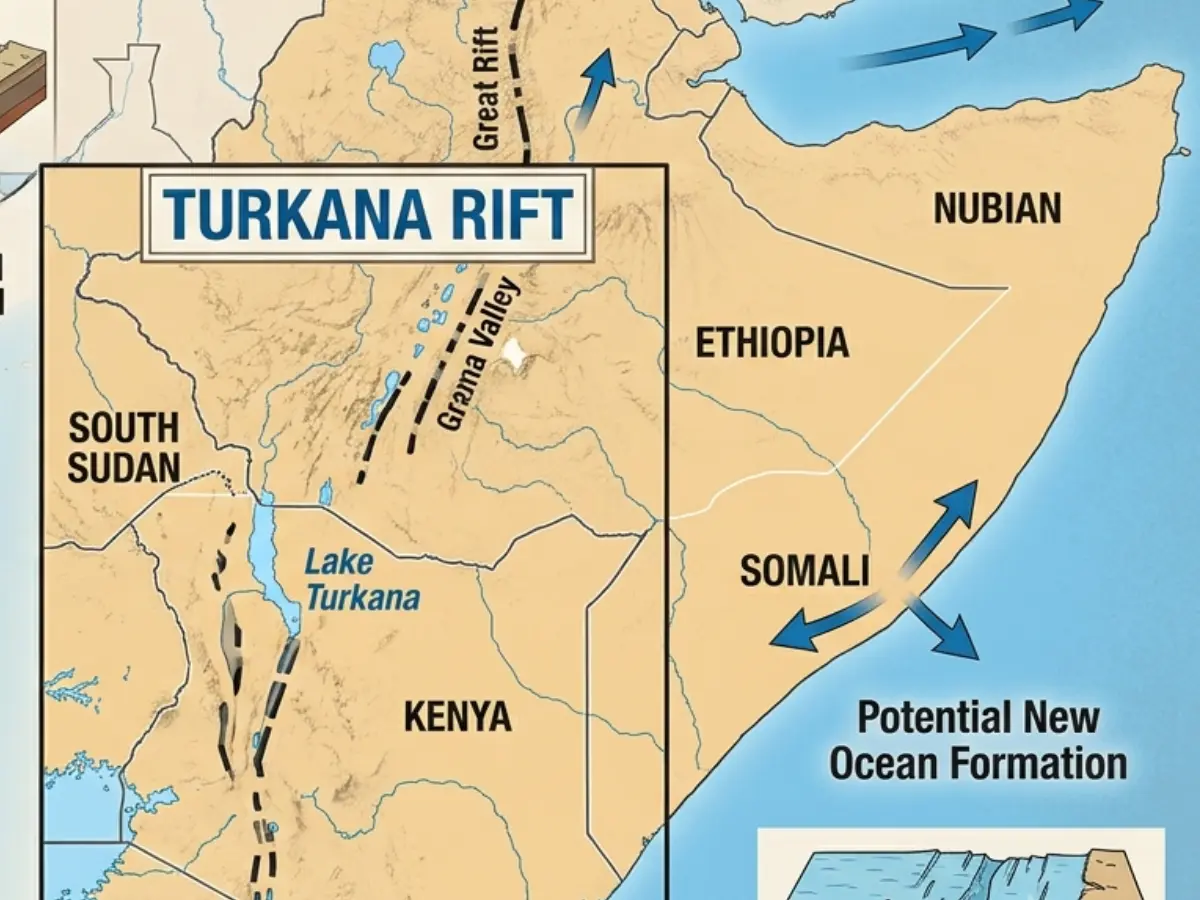)
Africa is splitting, and a lot sooner than estimated, giving way to a new ocean
)
Trump signs Russia sanctions bill into law, targets Moscow’s energy sector
)
Zendaya and Tom Holland step out for a low-key date in Los Angeles
)
NASA research plane reaches 61,000 feet over Panama
)
Godfather of AI Geoffrey Hinton gives US lawmakers a one-year warning on AI
)
US hiding troop deaths in Iran war? Toll higher than Pentagon count, claims report
)
Trump bans CNN, MS NOW and Politico from White House over ‘FAKE NEWS’
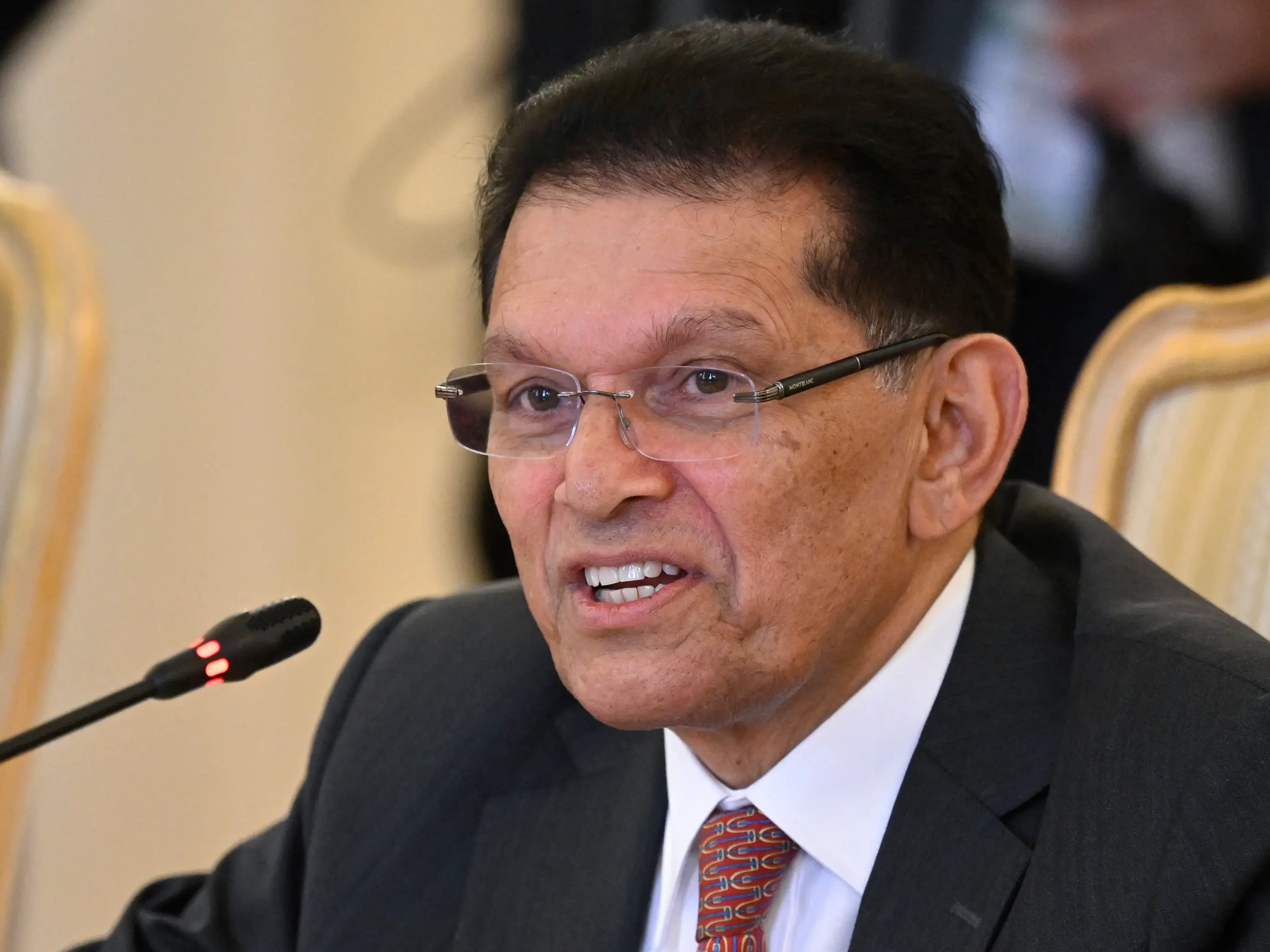)
Who is Khalilur Rahman? All you need to know about 81st UN General Assembly President
)
Why Ranveer Singh’s Dhurandhar missed India’s Oscar entry; FFI jury member reveals what happened
)
Trump 2.0: Dark days ahead for America’s ‘imperial presidency’
)
Google’s Gemini AI hacks real systems by guessing passwords during security test
)
Indian Cinema bets big on mythology, brings ancient stories to modern audiences
)
Pentagon revives mandatory testosterone testing for male troops aged 30 and above
)
US And Denmark reach Greenland deal, Trump announces expanded military presence
)
‘Will go to any extent’: Pakistan vows to defend Saudi Arabia amid Houthi attacks
&im=FitAndFill=(700,400))
New Friday OTT releases (September 18, 2026): Lust Stories 3, You+Me, Best of the Best- 8 new titles coming on Netflix, Prime Video and more
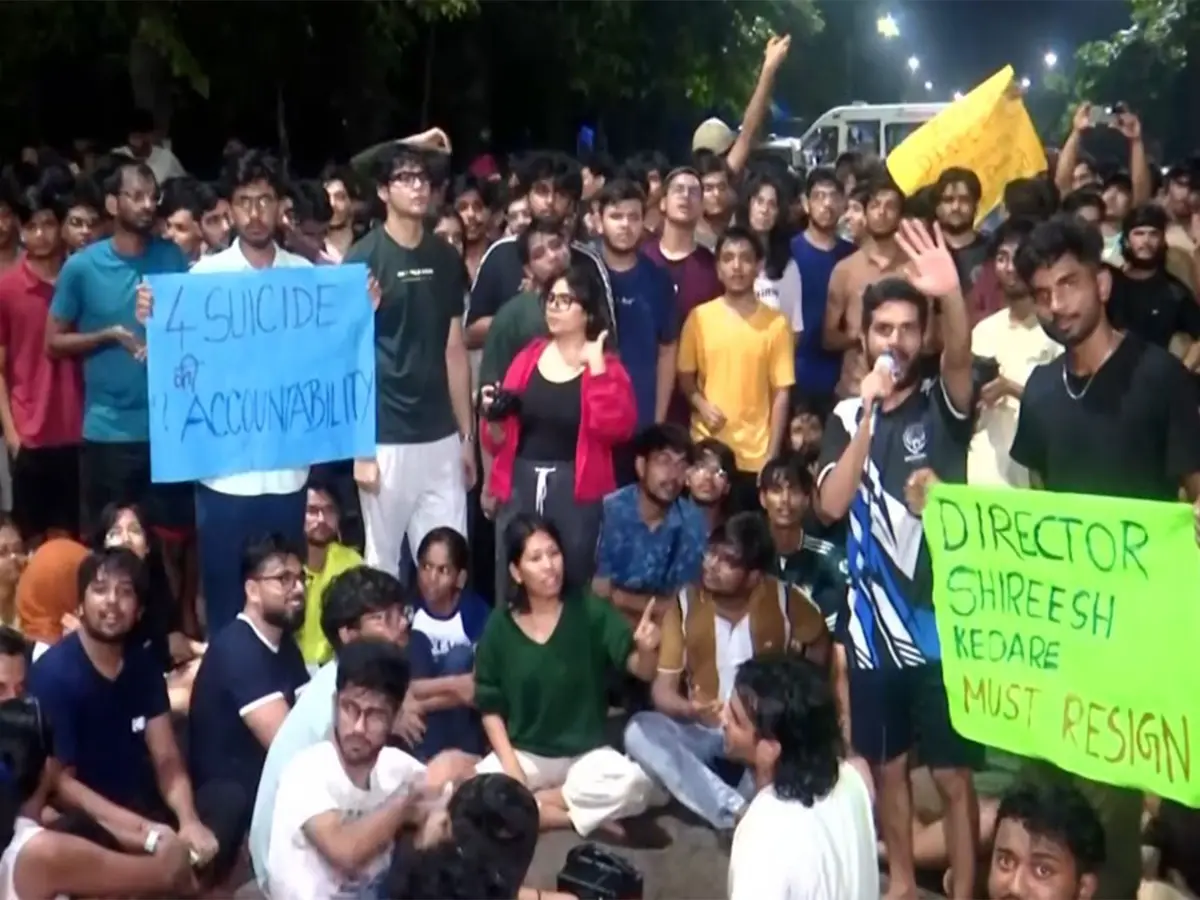)
IIT Bombay student dies by suicide, was caught seeking AI help during exams
)
Russia holds first parliamentary elections since the beginning of the Ukraine war
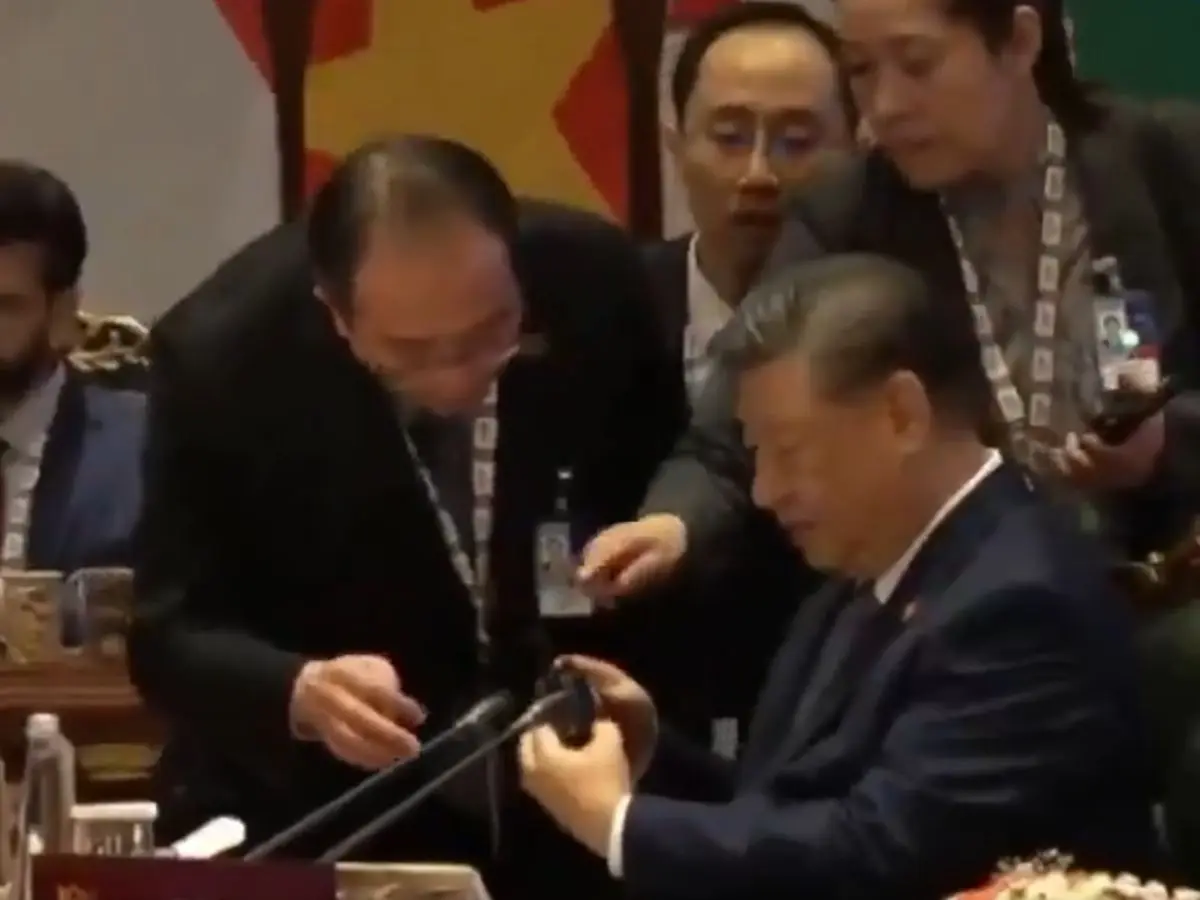)
FACT CHECK: Why did PM Modi ask Xi ‘is it okay’ at BRICS Summit? New video reveals...
)
Fast bowler Brydon Carse faces no charges over Derby nightclub incident
)
Iran’s air defence under pressure
Another key development has been Israel’s targeting of Iran’s ageing but symbolically important fleet of F-14 fighter jets at Isfahan airport. These aircraft, purchased from the United States before the 1979 Islamic Revolution, have long served as a central pillar of Iran’s air defence.
While it remains unclear how many aircraft were destroyed, Israeli authorities claim the strikes also targeted radar and air defence systems linked to the fleet. If confirmed, such damage would significantly weaken Iran’s ability to protect its airspace and respond effectively to ongoing aerial attacks.
The Israeli military has also signalled that its campaign may not end anytime soon, warning that it would pursue anyone involved in appointing a successor to Khamenei. Such statements underline the depth of the confrontation and suggest that Israel’s objectives extend beyond battlefield gains to reshaping Iran’s political leadership.
Global implications of the escalation
The attacks on oil infrastructure have already triggered international concern about global energy stability. Iran is a key player in the global oil market, and any disruption to production or exports could have ripple effects across fuel prices and shipping routes, particularly in the Gulf. Moreover, the widening scope of the conflict risks drawing more regional actors into the war. Iran’s network of allied groups across West Asia has long been a source of tension with Israel and the US. If those groups enter the conflict more aggressively, the situation could escalate into a wider regional confrontation.

