
&imwidth=800&imheight=600&format=webp&quality=medium "FACT CHECK: Did Netanyahu’s call to JD Vance derail US-Iran peace talks? This is what we know")
The collapse of high-stakes talks between the US and Iran in Islamabad has sparked a fresh controversy, with an unverified claim suggesting that Israeli intervention may have influenced the outcome. However, there is no concrete evidence to support this assertion. Negotiations, mediated by Pakistan, stretched for nearly 21 hours but ultimately failed to produce an agreement. Speaking after the talks, US Vice President JD Vance, who also served as Washington’s chief negotiator, said the US had presented its “final and best offer” to Tehran, which Iran declined.
Vance described the breakdown as “bad news for Iran” rather than for the US, indicating Washington believed it had put forward a reasonable proposal. US President Donald Trump also placed the blame squarely on Tehran. In a post on Truth Social, he said the marathon discussions had lasted close to 20 hours but accused Iran of being unwilling to abandon its nuclear ambitions. “There is only one thing that matters, Iran is unwilling to give up its nuclear ambitions,” Trump wrote.
Also read: Now, Trump wants a Trump Tower on Moon, shares AI image of golden building. How long will it take?

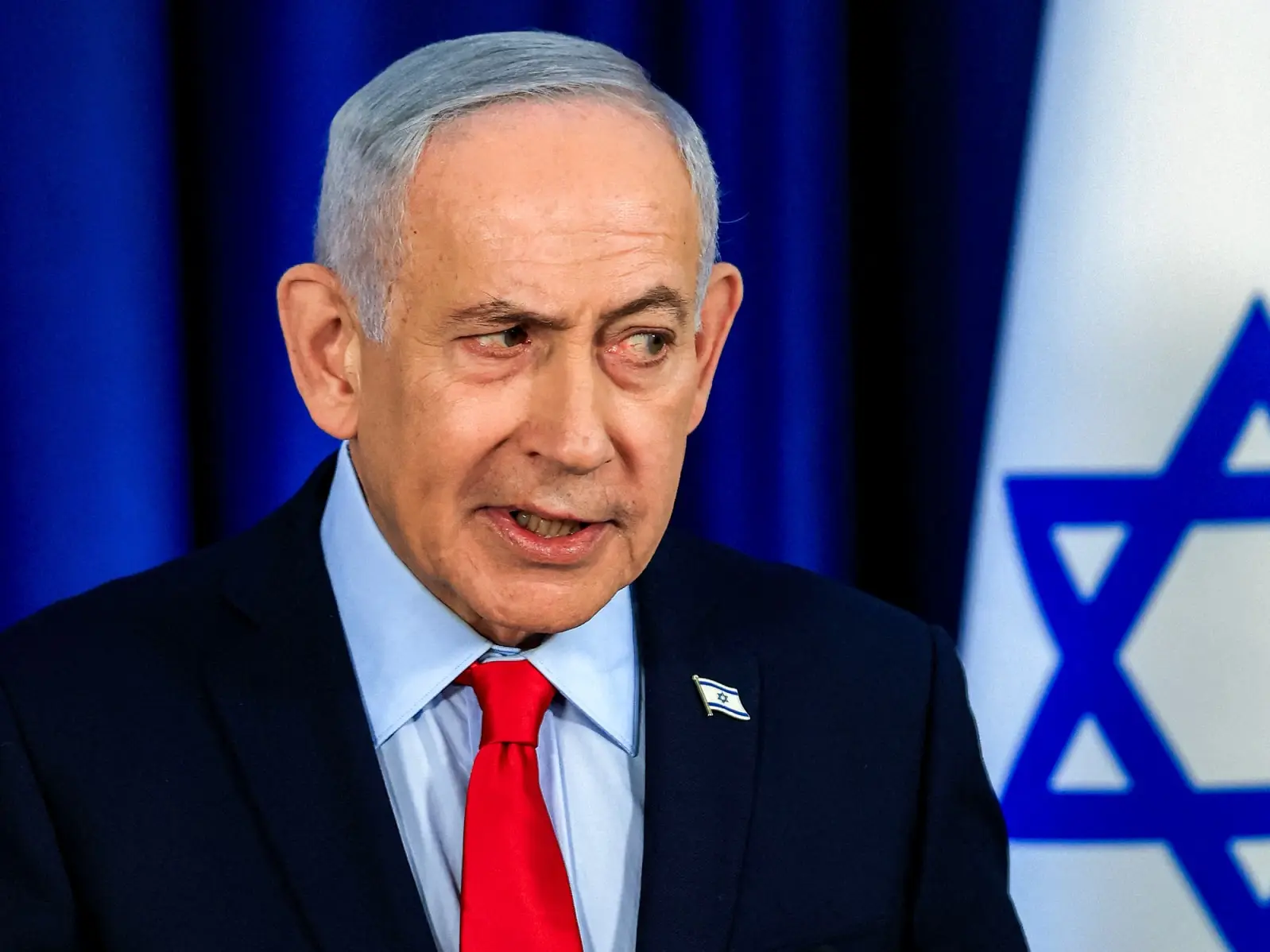
Amid the blame game, a separate narrative emerged from Iranian officials. According to Iranian state-linked outlet Press TV, Foreign Minister Abbas Araghchi claimed that a phone call from Israeli Prime Minister Benjamin Netanyahu to Vance during the negotiations shifted the direction of the talks in favour of Israeli interests. Araghchi was quoted as saying that the alleged call changed the focus of the negotiations and that the US attempted to achieve at the negotiating table what it could not achieve through military means.
However, the claim remains unverified. While reports referred to a post on X attributed to Araghchi, no such post could be found on his official timeline. WION cannot independently verify the claim regarding any call between Netanyahu and Vance and the X post of Araghchi.
Trending Stories
)
What’s in a name? Trump’s 'Lake America' move gets a tit-for-tat response from Canada
)
US judge questions Trump’s decision to ban CNN, MS NOW and Politico from White House
)
Trump and Xi Jinping: Timeline of key meetings and major agreements
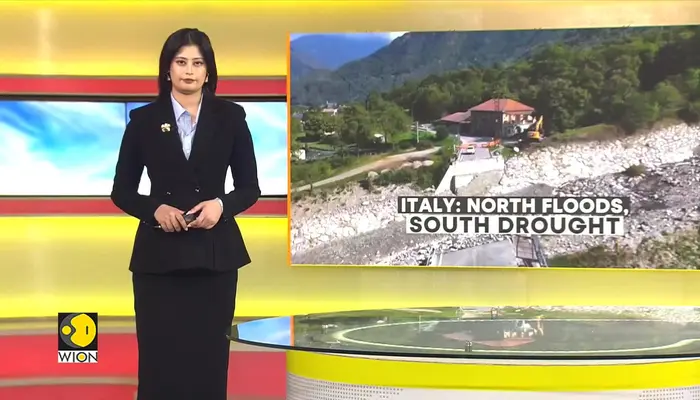)
Italy hit by floods in the north, drought in the south
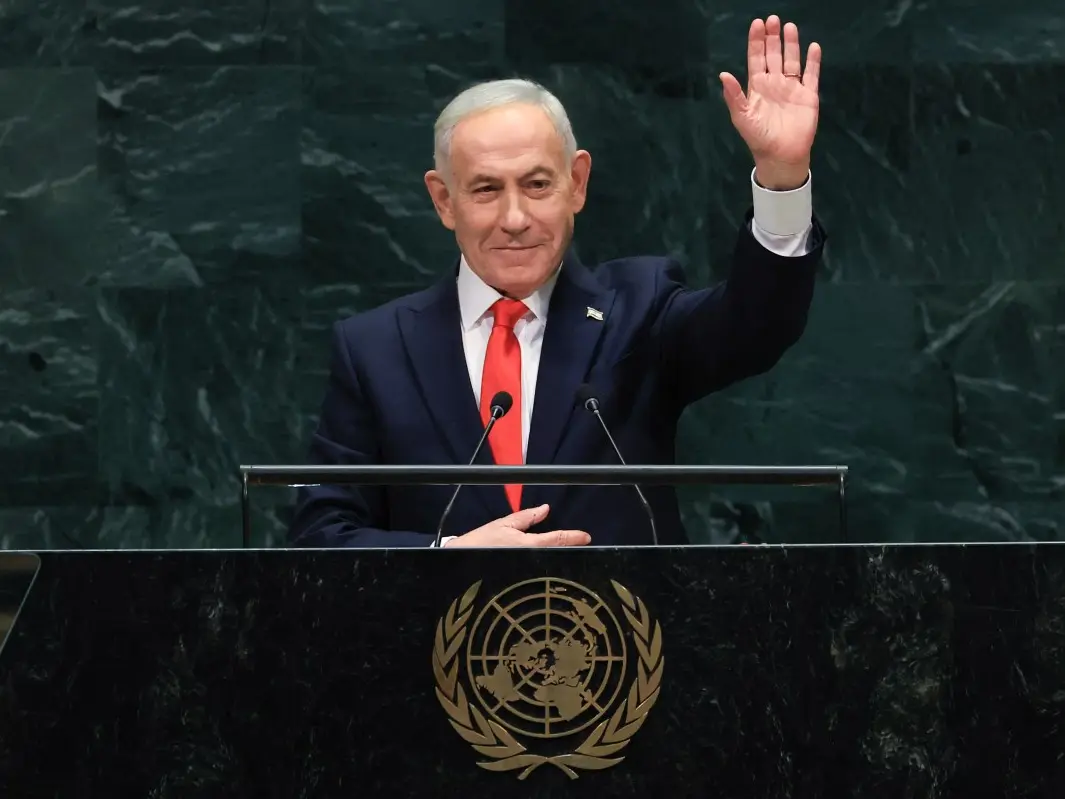)
'We would all be dead': Netanyahu defends decision to strike Iran's nuclear facilities in his UN speech
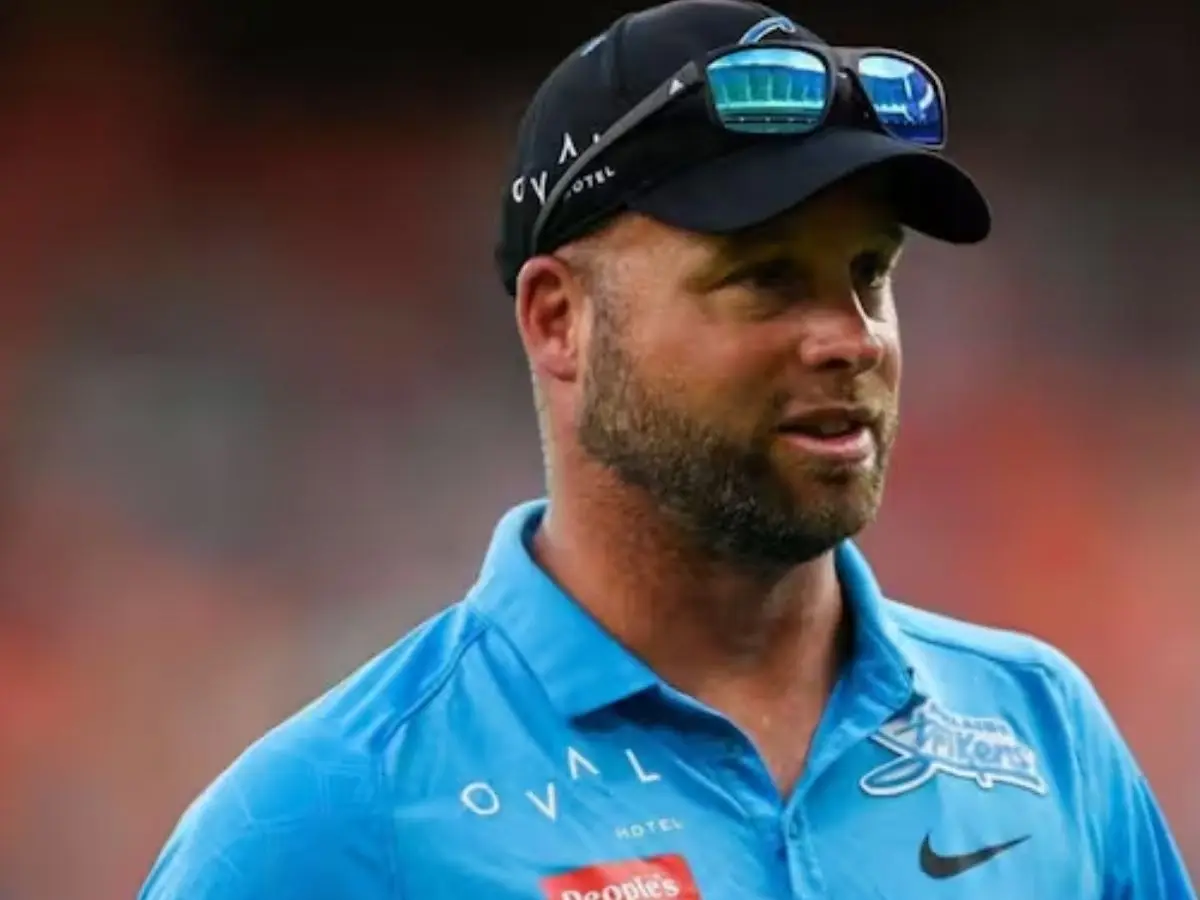)
Mumbai Indians appoint Luke Williams as head coach for Women’s Premier League
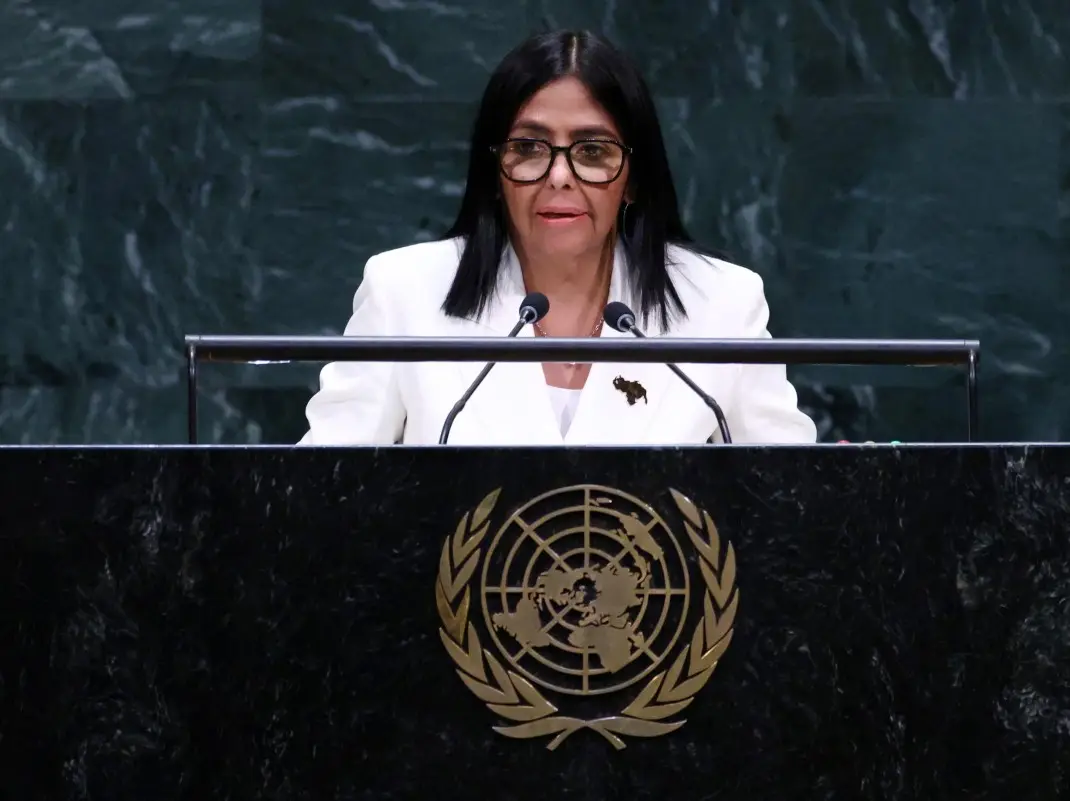)
'There will be elections': Venezuela's interim leader Delcy Rodriguez makes big announcement at UN
)
IIT Bombay CCTV footage emerges: Sahil Wakode seen looking at phone in examination hall
)
Welcome actor Mushtaq Khan dies at 56 after battling cancer
)
Shah Rukh Khan is India's richest actor, Amitabh Bachchan is second: Hurun List 2026
)
WION Iconic Tourism Summit 2026: Union Minister Shekhawat on 'experiential travel', peace diplomacy
)
250-pound WWII bomb found in Falmouth harbour in England
)
Property registration becomes faster, convenient as model sub-registrar offices open in Maharashtra
)
'AI got into my speech': Prince Harry jokes after teleprompter failure at event in New York
)
Asian Games 2026: Seema breaks 16-year drought for India in women’s 10,000m with historic bronze
)
Scientists detect first radio signals directly from faraway planet
)
What’s on the menu? Inside Trump’s lavish White House state dinner for Xi
)
China to test supersonic jet that moves at Mach 2, double the speed of sound
)
Xi Jinping's 'special plane' vs Trump's Air Force One: What's the difference?
)
Forget the smartphone: This tiny gadget could be Meta’s answer to the post-smartphone era
)
Hours before Xi-Trump meeting, US announces visa curbs targeting birth tourism: What is it?
)
'Partners rather than rivals': Xi Jinping's first message after landing in US for Trump summit
)
WION Iconic Tourism Summit: Is India's travel boom outrunning its airports, airlines and hotels?
)
2,000-foot tube, laser tests and more: China builds towns to expand nuclear arsenal, satellite images show
)
Meet Adrian Abraham: 9-year-old Indian-origin guitar prodigy aiming for a Guinness World Record
)
Winter coat, gloves in September? Trump’s Xi welcome sparks social media buzz
)
Trump-Xi state dinner 2026: Who is invited? Full guest list of tech CEOs, business leaders and officials
)
Who is Peng Liyuan? Xi Jinping's singer wife and China's most visible First Lady
)
Australian PM Anthony Albanese calls OpenAI AI incident 'unacceptable' after restricted data access
)
'What kind of confession is this?': Pakistan PM Shehbaz Sharif’s 'terrorists would be roaming New York' remark goes viral, raises alarm online. Watch
)
Russia likely to target Spain, France and Italy in drone attacks, warns CIA: Report
)
WION Iconic Tourism Summit: How local tourism MSMEs must upskill for AI integration
)
Trump’s Board of Peace unveils $2.45bn Gaza plan,66 projects: But where’s the money?
)
‘Both will lose in confrontation’: Xi says US and China should ‘coexist in peace’
)
For the first time, the UN Security Council sat US and Chinese AI makers at the same table
)
EC appointment law: Why is the 2023 act controversial, and what happens next? WION explains
)
Israeli envoy to US Yechiel Leiter’s son critically injured in West Bank ramming attack
)
WATCH | China President Xi Jinping lands in US as Trump greets him ahead of high-stakes summit
)
Report: UK using ground-based system to jam hostile satellites
Iranian state media offered a different explanation for the failed talks, blaming what it described as “unreasonable” and “excessive” demands from the United States. Contentious issues reportedly included Iran’s nuclear programme, its rights under international frameworks, and tensions linked to the Strait of Hormuz.
State broadcaster IRIB said the Iranian delegation engaged in continuous and intensive negotiations to protect national interests, but that Washington’s demands prevented progress. It stated that despite multiple initiatives from Tehran, the talks ultimately ended without agreement.

