Explained: Why is Israel putting Gaza's ground invasion on the back-burner?


People react near a fire after rockets were launched from the Gaza Strip, in Ashkelon, Israel
The latest war in the Middle East triggered by the Hamas Islamist group has seen a massive retaliation by Israel. Israeli air strikes have taken out many Hamas commanders and pounded their targets. It also boasted of an air, ground, and sea invasion of Gaza. But, the country has so far not starteda full-fledged ground invasion.
Given Israel's military might, why is the country shying away from taking this move?
As per an AFP report that quoted experts, there are a multitude of factors at play, including global pressure, divisions between Prime Minister Benjamin Netanyahu and the Israeli Defence Forces (IDF), and rising concerns for the safety of people held captive by the Hamas militant group.

Israeli journalist Nahum Barnea in a daily Yedioth Ahronoth pointed at the ongoing friction between Netanyahu and IDF and attributed this to the cautious moves made by Israel and its decision to put the Gaza ground invasion on a back burner.
Also Read |Israel considering inundating Hamas’ underground tunnels before ground invasion: Report
"There's a crisis of confidence between (Israeli Prime Minister) Benjamin Netanyahu and the IDF (army)," Barnea wrote, adding, "The government is having difficulties taking decisions that everyone agrees on about the top issues."
)
US Supreme Court backs Trump administration's use of SAVE database to check voter citizenship
)
Beijing to Washington! Ivanka Trump makes a style statement in Chinese designer Guo Pei for President Xi Jinping’s White House welcome
)
Heart of the Beast review: Brad Pitt leads a gripping tale of survival and loyalty
)
Outrage erupts after 3-year-old is married to 60-year-old man in Pakistan, link to her sister's murder being probed
)
Pakistan deploys over 20,000 security personnel as PTI vows march for Imran Khan's release
)
‘Not just a local tragedy’: Nepal PM Shah warns UN of growing climate threat, says Nepal floods were 'a warning to the world'
)
Asian Games: Shooting spree continues as India win silver in women’s 50m rifle 3P team event
)
India-New Zealand FTA is ‘an expression of trust’, NZ High Commissioner Patrick John Rata says
)
OpenAI AI Agents hacked 4 websites before Hugging Face, researchers reveal
)
Pentagon quietly adds 37 wounded troops to Iran war tally without explaining when or how
&im=FitAndFill=(700,400))
New Friday OTT releases (September 25, 2026): Don’t Be Shy, Hunkkaar: The Roar, Mango Pachcha- 6 movies and TV shows on Netflix, Prime Video and more
)
Yemen's war escalates: Saudi-backed leader calls for general mobilisation against the Houthis
)
‘Attack on Mecca a red line for Pakistan’: Shehbaz Sharif warns Houthis at UN
)
Tesla is preparing something big for Optimus: new Gen 3 models surface in app
)
Bias or safety concerns? Bengaluru CEO says firm will not hire men from UP, Bihar, Rajasthan, MP. Here's why
)
Nigeria Navy moves to boost oil security, tackle crude theft and infrastructure threats
)
Indian diplomat Petal Gahlot raises deteriorating situation in Pakistan-occupied Kashmir in right of reply at UN
)
Scientists detect first radio signals directly from faraway planet
)
‘It is all possible’: Putin weighs next steps on Ukraine talks, rules out Europe conflict
)
10,000 gather in support of 87-year-old forcefully evicted from home of 71 years
)
Trump rejects Iran's 7-day ceasefire proposal as US weighs renewed bombing after midterms: Report
)
Red Sea crisis: Houthis promise not to target European ships; UNSC condemns Saudi attacks
)
Gaza's war turned environmental damage into second crisis
)
Trump-Xi summit wrap: Big pageantry, Iran talks, few major developments and more meetings planned
)
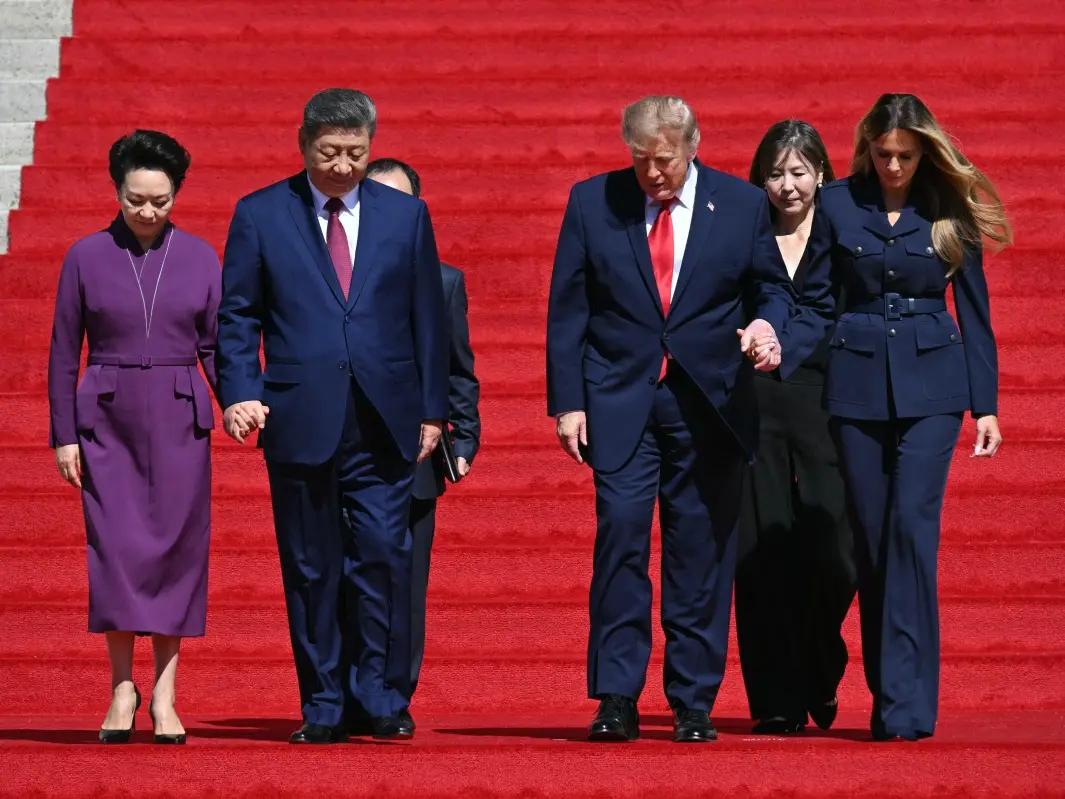
'Making history': Xi Jinping praises Trump as US-China leaders dine at White House
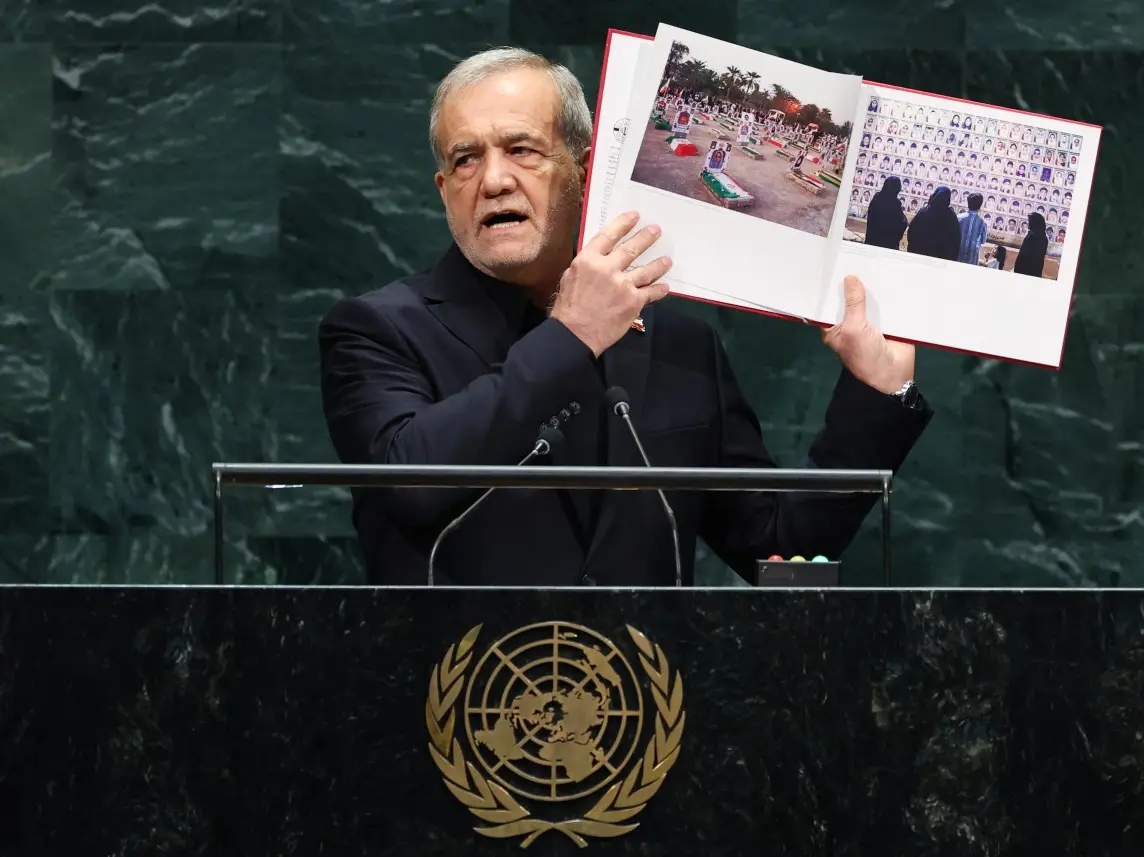)
'We do not wish to continue. It's America that must choose': Iran president Pezeshkian calls on US to end war
)
India's UN Envoy slams Pakistan: 'They claim security by day, terrorism by night'
)
Bollywood mourns Mushtaq Khan: Sunny Deol, Rajpal Yadav and others pay tribute
)
Myanmar training camp case: US national, 6 Ukrainians allowed to meet their families abroad
)
'FIRST LOOK from inside Noah’s Ark': Researchers share video from inside mysterious mound in Turkey
)
Cindy Crawford’s son Presley Gerber cremated as death probe continues
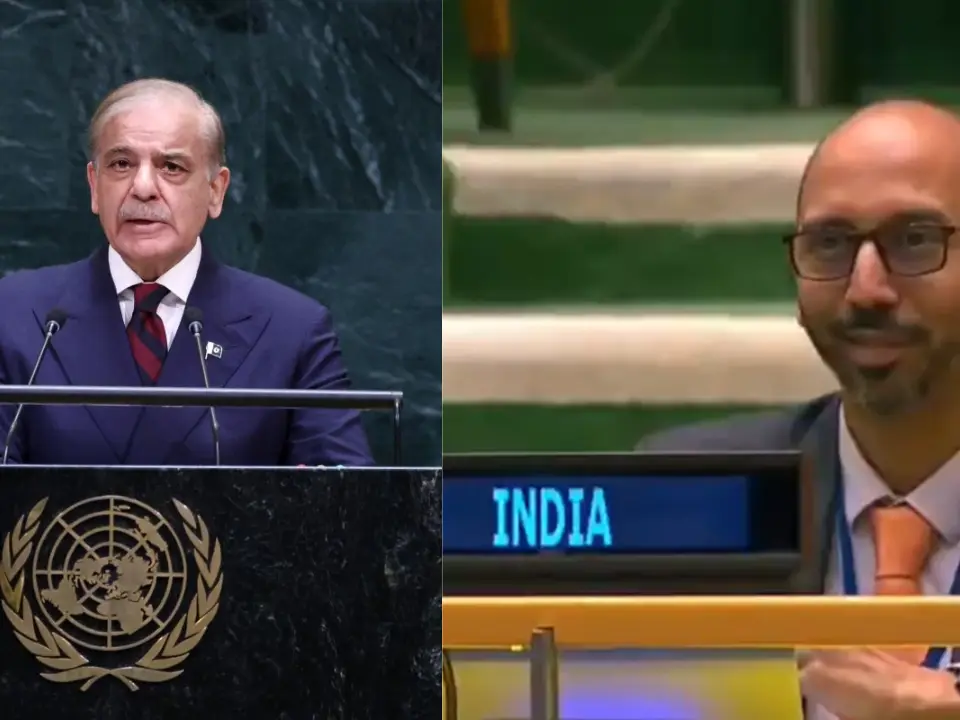)
WATCH | As Shehbaz Sharif claims Pakistan’s ‘victory’ during 2025 conflict, Indian diplomat R Srinivas laughs at UN
)
'A terrorist country is asking me that question?': Jaishankar hits back at Pakistani journalist at UN; flags attacks on commercial shipping
)
Army chief reviews operational preparedness along LoC, visits mega eye camp in Tangdhar
&im=FitAndFill=(700,400))
‘Absolutely savage, sickening’: Zelensky slams Russia as daytime strikes kill 5 in Kyiv
)
US court backs Pentagon's decision to exclude Anthropic over Claude AI restrictions
Does Netanyahu blame IDF generals for Oct 7 Hamas attack?
Israel's much-touted Iron Dome missile system failed to protect innocent Israelis after about 5,000 surprise air strikes by Hamas. Barnea, while citing government and military sources in the report, said, "Netanyahu is angry at the generals and blames them for what happened."
Another Israeli journalist Amos Harel in Haaretz Daily wrote, "Disputes over these operations are creating tensions, especially between Prime Minister Benjamin Netanyahu and Defence Minister Yoav Gallant."
What is noteworthy is that this political-military divide does not play out in public. In public appearances and official statements, Netanyahu and IDF leadership seem to be in consonance with each other.
Also Read |Greta Thunberg kicked out of Israeli textbooks after 'stand with Gaza' row
It was reflected in a communique on Tuesday (Oct 24) from the Israeli government. "The prime minister, the defence minister and the IDF chief of staff are working in close and full cooperation, around the clock, to lead the State of Israel to a decisive victory over Hamas," the communique read.
"There is total and mutual trust between the prime minister, the defence minister and the IDF chief of staff; the unity of the goal is clear," it added. So is this a tacit agreement between Netanyahu and IDF to put up a good face for the world?
Complex situation in Gaza Strip
WhileHamas continues to hold captive many Israelis and foreign nationals, the situation remains complex and any reckless move by Israel could lead to further deterioration of the situation.
Gunmen who made an incursion into Israel took over 200 people hostages, including foreign nationals, and hence the situation remains sensitive.
Patrick Bettane, an intelligence specialist at Israel's International Institute for Counter-Terrorism (ICT) think tank, explained that as far as a ground offensive is concerned there remains a "disagreement".
"But the fact that there are hostages being held in the Gaza Strip complicates everything," he reportedly said, adding, "Israel is waiting to see how this problem can be resolved before it acts."
Akiva Eldar, an expert on Israeli politics, reportedly said that "after the emotions (were) aroused by this terrible massacre, Bibi (Netanyahu) and the generals are starting to think differently".
Watch |Israel-Palestine war: Hope rises among kin of hostages
There is international pressure at play as well, especially with the hostage situation.
Many nations including the US, China and Australia have made their military presence felt in the Middle East due to the ongoing Israel-Hamas war.
Army chief Herzi Halevi asserted, "We are well prepared for the ground operations in the south." There have been calls by the Israeli PM to fully root out the Hamas Islamist group.
Israel also warned the Lebanese militant group Hezbollah, with Israeli army spokesman Jonathan Conricus saying, "Hezbollah... is dragging Lebanon into a war that it will gain nothing from, but stands to lose a lot."
"We will strike it with a force it cannot even imagine, and the significance for it and the state of Lebanon will be devastating," warned Netanyahu.
Political analyst Daniel Bensimon said, "Disagreement or not, it's a fact that Americans and the Europeans are coming to Israel to caress it with honeyed words with the aim of preventing a ground offensive."
"The international community fears a ground operation would spark a chain reaction that could engulf the whole region, and maybe even further afield," he said, adding, "But in the end, they want to stop Israel from going into Gaza and prevent Iran from becoming involved through the Shiite Hezbollah movement, its proxy in Lebanon."
WATCH WION LIVE HERE You can now write for wionews.com and be a part of the community. Share your stories and opinions with us here.