Explained | Contraception through ages: From Goat bladder to condoms to birth control pills

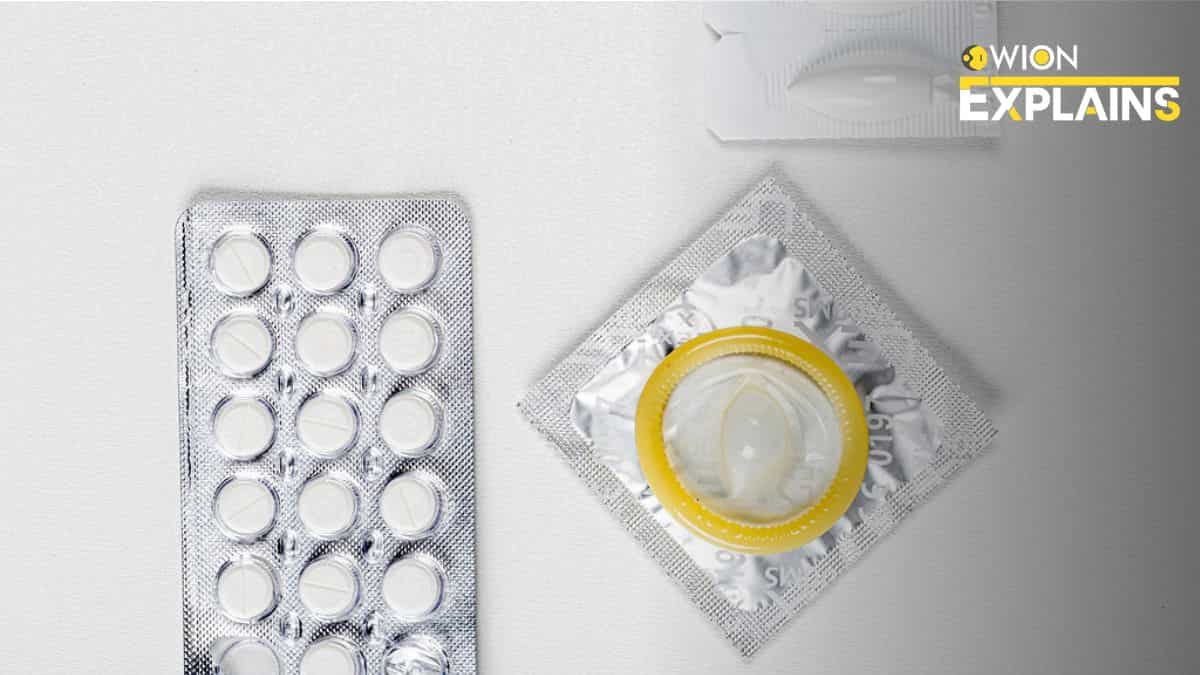
Contraception explained
Contraception plays a major role not only in preventing unwanted pregnancies but also helps protect its users from sexually transmitted diseases (STDs). Additionally, it gives people autonomy over their bodies.
Every year, on September 26th, the global community observes World Contraception Day. This year, the theme is 'The Power of Options'.
On this day, let's explore the history of contraceptives, why it is important, and the factors that negatively affect the use of contraceptives.

Also read |Researchers develop 'male pill', an oral contraceptive that successfully stops sperm in its track
History of contraceptives
Historically, contraceptives have often been linked to illicit sexual relations or affairs and have been looked down upon. In the early 20th century, methods of birth control became more common and available to married couples.
&imwidth=180&imheight=135&format=webp&quality=medium)
Viral video shows cross falling on Colombia priest, no official confirmation | WATCH
&imwidth=180&imheight=135&format=webp&quality=medium)
France reports first human case of livestock virus Shamonda, patient dies; what we know so far
&imwidth=180&imheight=135&format=webp&quality=medium)
Trump called Musk to lift Starlink restrictions affecting Ukraine's military operation: Report
&imwidth=180&imheight=135&format=webp&quality=medium)
Two BrahMos missiles on Tejas, triple the range and 100% indigenisation, says former BrahMos CEO
&imwidth=180&imheight=135&format=webp&quality=medium)
Ilhan Omar breaks silence over alleged marriage to her brother; Trump thinks it's 'really good answer'
&imwidth=180&imheight=135&format=webp&quality=medium)
Pakistan signs another defence pact even as Makkah Alliance shows no teeth. This time, it's with Qatar, Indonesia, Turkey
&imwidth=180&imheight=135&format=webp&quality=medium)
Netanyahu dials PM Modi, invites him and Capt Smit Machchhar to light torch on Israel’s Independence Day
&imwidth=180&imheight=135&format=webp&quality=medium)
Iran to invade neighbours soon, Israeli jets in action, American troops ready to strike any moment
&imwidth=180&imheight=135&format=webp&quality=medium)
Christa Pike's failed execution: Tennessee team struggled to insert IV lines, lawyer says
&imwidth=180&imheight=135&format=webp&quality=medium)
US midterms 2026: US Supreme Court allows New Hampshire to restrict student IDs for voting
&imwidth=180&imheight=135&format=webp&quality=medium)
A secret code, a midnight escape and 300 deaths: The Russian officer who turned on Putin
&imwidth=180&imheight=135&format=webp&quality=medium)
Trump ordered to answer questions under oath in BBC defamation lawsuit by December 11
&imwidth=180&imheight=135&format=webp&quality=medium)
Putin says Russia is ready to resume Ukraine-US peace talks but rejects 'short ceasefire' amid deadly attacks
&imwidth=180&imheight=135&format=webp&quality=medium)
From Agni-V to Project Kusha: How are India’s indigenous missile systems and defence shield reshaping modern warfare
&imwidth=180&imheight=135&format=webp&quality=medium)
'It's a crime not to see this scene': Tehran puts Trump 'behind bars'
&imwidth=180&imheight=135&format=webp&quality=medium)
What is the ‘heat ray’ weapon? Pete Hegseth reportedly authorises DHS to test it at US-Mexico border
&imwidth=180&imheight=135&format=webp&quality=medium)
China's dancing robot turns violent bodyguard, lifts cars and fights intruders - Watch
&imwidth=180&imheight=135&format=webp&quality=medium)
Watch: India rejects ‘imprecise and unsupported’ references in UN migrant rights report
&imwidth=180&imheight=135&format=webp&quality=medium)
US to get 850 F-35 stealth fighter jets under 10-year Pentagon-Lockheed deal
&imwidth=180&imheight=135&format=webp&quality=medium)
GRAVITAS | Putin fires nuclear-capable hypersonic missiles, Zelensky ready to surrender 25% territory
&imwidth=180&imheight=135&format=webp&quality=medium)
'That was great, who threw that punch?': Trump asks as protester punched at rally
&imwidth=180&imheight=135&format=webp&quality=medium)
‘I caution the president...’: Trump’s ex-press secretary warns after Zacharia’s exit
&im=FitAndFill=(700,400)&imwidth=180&imheight=135&format=webp&quality=medium)
Serbia elections: Nearly 150,000 people take to streets in massive rally against Aleksandar Vucic | In pics
&imwidth=180&imheight=135&format=webp&quality=medium)
'This is despicable': Amy Acton hits back at Vivek Ramaswamy over Ohio campaign ad featuring her estranged mother
&imwidth=180&imheight=135&format=webp&quality=medium)
Finance influencer dies by suicide in Chennai; father accuses tech CEO, who denies charge
&imwidth=180&imheight=135&format=webp&quality=medium)
'Vivek should keep it up': Trump defends Ramaswamy's controversial campaign ad targeting Amy Acton
&imwidth=180&imheight=135&format=webp&quality=medium)
One man, 8 months of work, and a river dirty again: Why Bittu Tabahi may quit
&imwidth=180&imheight=135&format=webp&quality=medium)
US midterms 2026: Elon Musk’s political spending hits $445 million as Republicans battle to retain Senate control
&imwidth=180&imheight=135&format=webp&quality=medium)
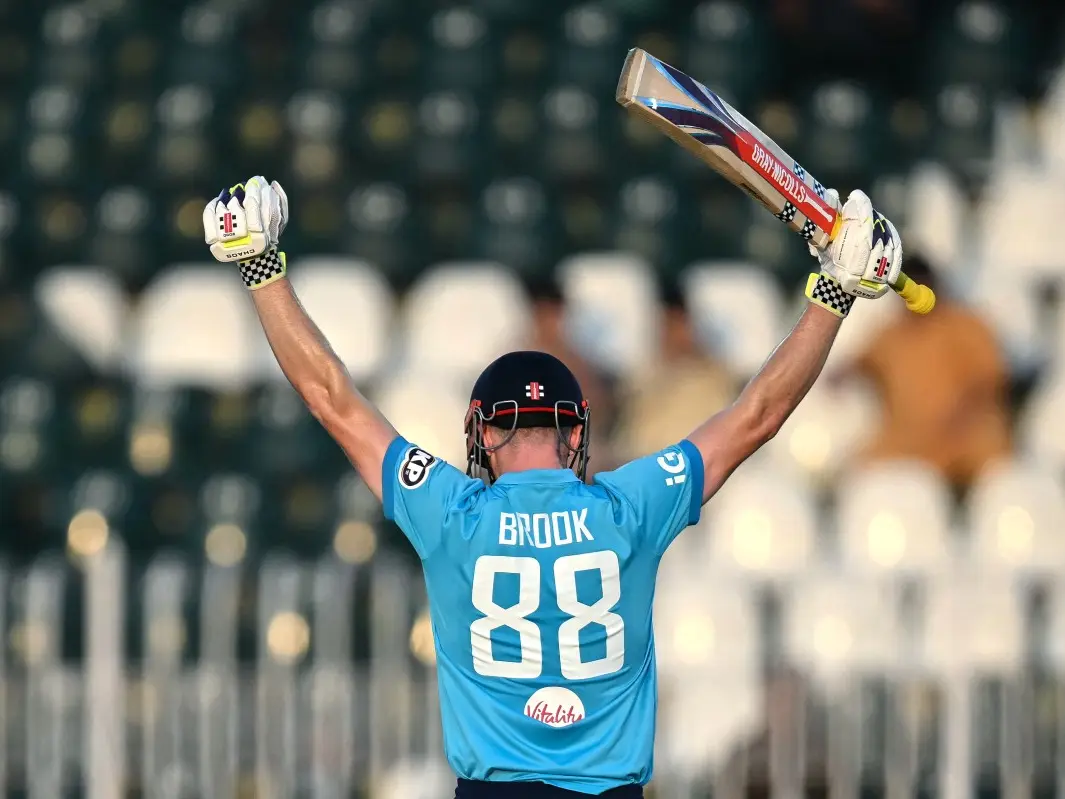
ENG vs SL: Harry Brook breaks Shubman Gill’s record for fastest ODI double century
&imwidth=180&imheight=135&format=webp&quality=medium)
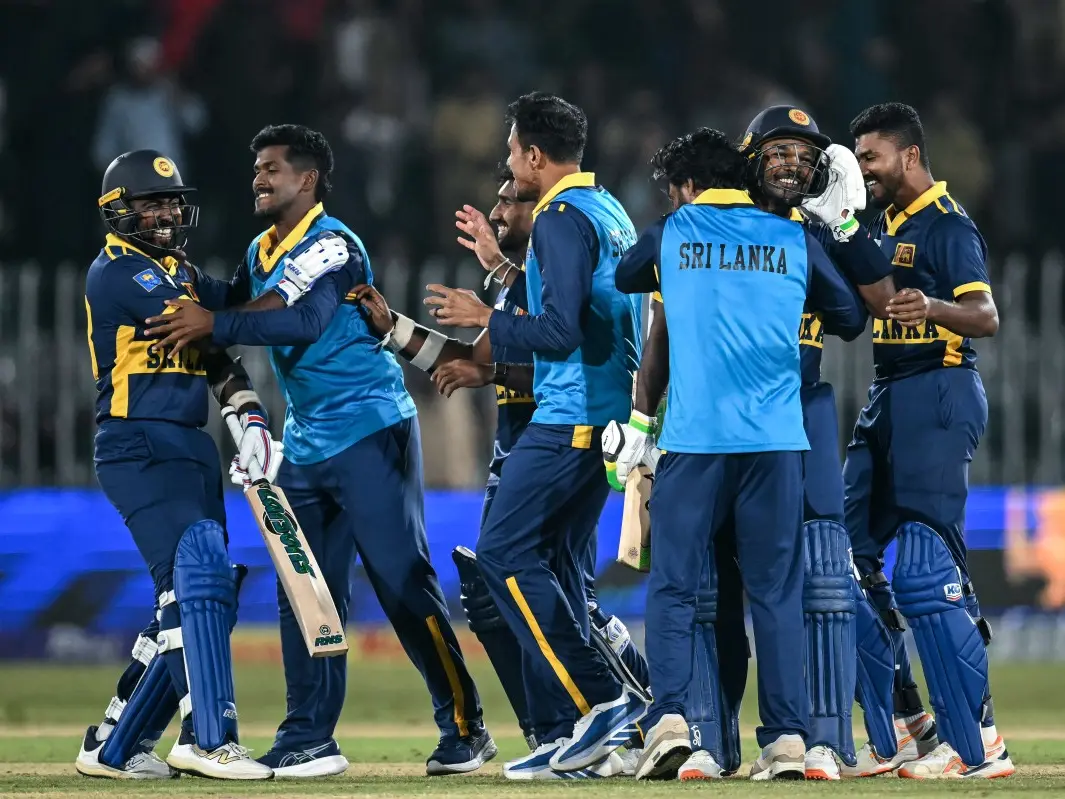
ENG vs SL: Harry Brook’s 202 goes in vain as Sri Lanka pull off second-highest ODI chase
&imwidth=180&imheight=135&format=webp&quality=medium)
Saudi Arabia targeted yacht carrying 14 Indians in Red Sea, rescue underway, Houthis claim
As per ScienceDirect, before modern contraceptives like condoms, birth control pills, and IUDs became available, people tried using many different materials and methods for contraception.
Some of those methods were just ridiculous and did more harm than good. You can read about the weird contraceptive methods used by our ancestors here.
As per the National Library of Medicine (NLM), the first mention of a condom dates back to 3000 BC, or the Bronze Age, when King Minos, the ruler of Knossos, Crete in Greece used the bladder of a goat to protect his wife from the "serpents and scorpions" in his semen.
Ancient Romans also used sheep and goat and sheep's bladder and intestine as contraceptive sheaths. Reportedly, the historic ladies' man,Casanova, also used animal intestines to avoid unwanted pregnancies and maintain his status as the bad boy. In his memoirs, he also mentions using the empty rind of half a lemon as a primitive cervical cap.
However, the earliest mention of birth control comes from an unlikely source: The Bible. In the book of Genesis, there is mention of a practice called 'coitus interruptus', which is commonly known as the withdrawal or the 'pull out method'.
IUDs or intrauterine devices were another popular method of contraception in the 1960s.
Other popular contraception methods include sterilisation in the early 1900s — mainly used for eugenic reasons, vasectomies and occlusion of the fallopian tubes aka tying the tubes towards the end of the 20th century.
Development of modern contraceptives
The modern contraceptive's origins date back to the 1920s when research confirmed the role ovarian hormones, oestrogen and progesterone play in reproduction.
It eventually led to the development of the 'rhythm method' of contraception, which tracks a woman's menstrual cycle to determine when the chances of conceiving are the highest. It also led to the development of the contraceptive pill.
The first large-scale trial of the contraceptive pill was done in 1956.
In 1957, 'Enovid' the first oral contraceptive pill, was approved by the FDA for therapeutic uses in severe menstural disorders.
Finally, in 1960, pharmaceutical company Searle received permission to use Enovid as a birth control pill.
Why is contraception important?
"Healthy families are created by choice, not by chance," these words of wisdom were said by Dr Nafis Sadik, former executive director of the United Nations Population Fund (UNFPA) in 1994. To date, these remain true.
Besides the obvious prevention of pregnancy, contraceptives can help reduce incidents of STDs and can also save lives that may be lost in unsafe abortions.
As per UNFPA, they give a woman the 'fundamental' right to choose.
"A woman's right to choose the number, timing and spacing of her children is fundamental. Contraception is an integral part of her decision-making. The benefits are manifold: The use of contraception decreases the rates of maternal death and disability, newborn and child mortality and morbidity, unintended pregnancies, and abortion."
"Male and female condoms can reduce sexually transmitted infections. Girls and women who can plan their families have more opportunities to realize their potential; they can pursue education and participate in the economy, leading to more prosperous, stable and equitable societies."
As per the UN agency, "Until universal access to contraception is achieved, women’s empowerment and gender equality will remain elusive. Such access allows women and girls to choose their future, not chance it."
Negative connotations, barriers to contraceptives
As per the UNFPA, today, an approximate 257 million people who want to avoid pregnancy are not using safe methods of contraceptions.
This is due to concerns over the possible side effects, misconceptions about long-term effects on fertility, the stigma surrounding the use of contraception and, in some cases, prohibition at the hands of partners or family members.
Additionally, in some places, contraceptives, even in this day and age, are banned. For example, in Afghanistan, the Taliban have banned contraceptives, labelling them 'Western conspiracy to control Muslim population'.
(With inputs from agencies)
WATCH WION LIVE HERE
You can now write for wionews.com and be a part of the community. Share your stories and opinions with us here.

