EU inches closer to Covid certificate for travel

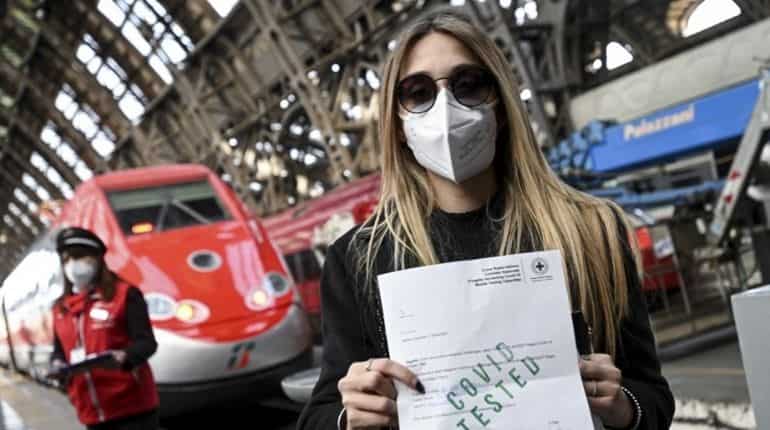
A passenger poses with her coronavirus (Covid-19) test certificate on a platform of a train station in Milan on April 16, 2021.
The European Parliament on Thursday agreed its position on how aCovidcertificateshould work, bringing theEUcloserto launching a document to open uptravelwithin the bloc.
Europe intends to have acertificateshowing the bearer's vaccination status,Covidtest results and/or evidence of having survived the disease up and running in June, in time for the continent's summer vacation period.
While technical work has been ongoing to ensure thecertificateis recognised across all 27EUmember states, final details have to be worked out involving capitals, the European Commission and the parliament.

The first change MEPs have called for to a commission proposal is the name. Instead of a "digital greencertificate" they want to call it an "EUCovid-19certificate",to avoid any implication of it becoming a "vaccine passport".
They said the document should "neither serve astraveldocument nor become a precondition to exercise the right to free movement" and should only be in use for 12 months.
Stressing that thecertificateshould not result in discrimination, parliament demanded thatCovid-19 tests fortravelshould be free of charge. The commission has said that this issue should be left up to member states.
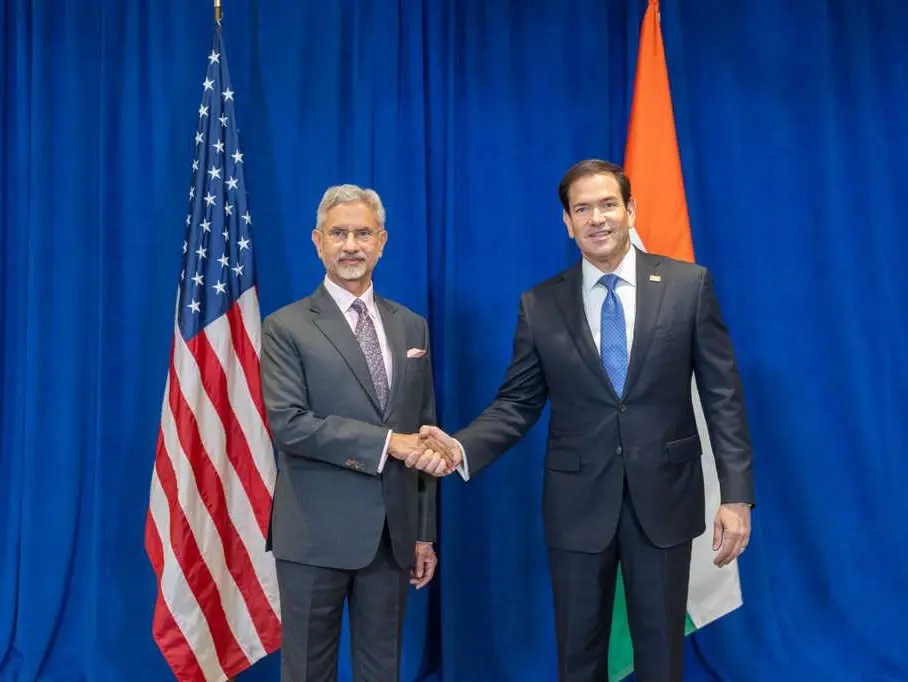)
US Secretary of state Marco Rubio to visit India on 19th October
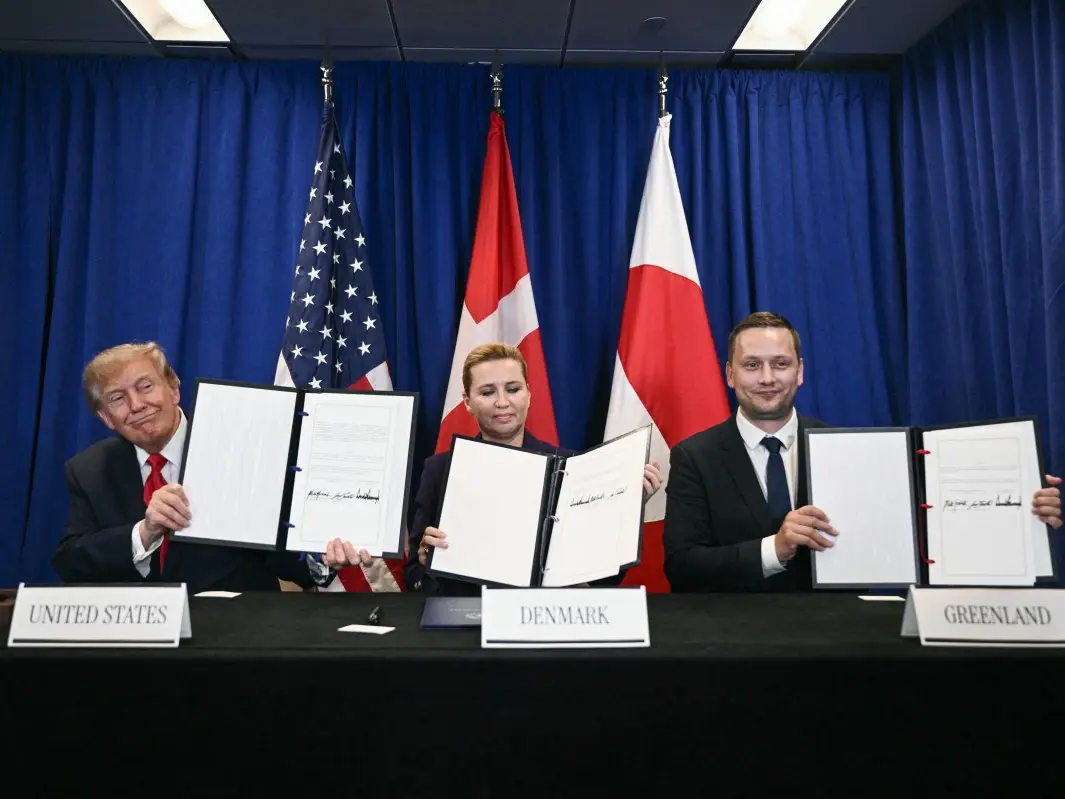)
Trump signs Greenland security deal with Denmark, paving way for two new US military bases
)
IND vs JPN T20I: How an overturned wide became point of difference between India's win and a tie
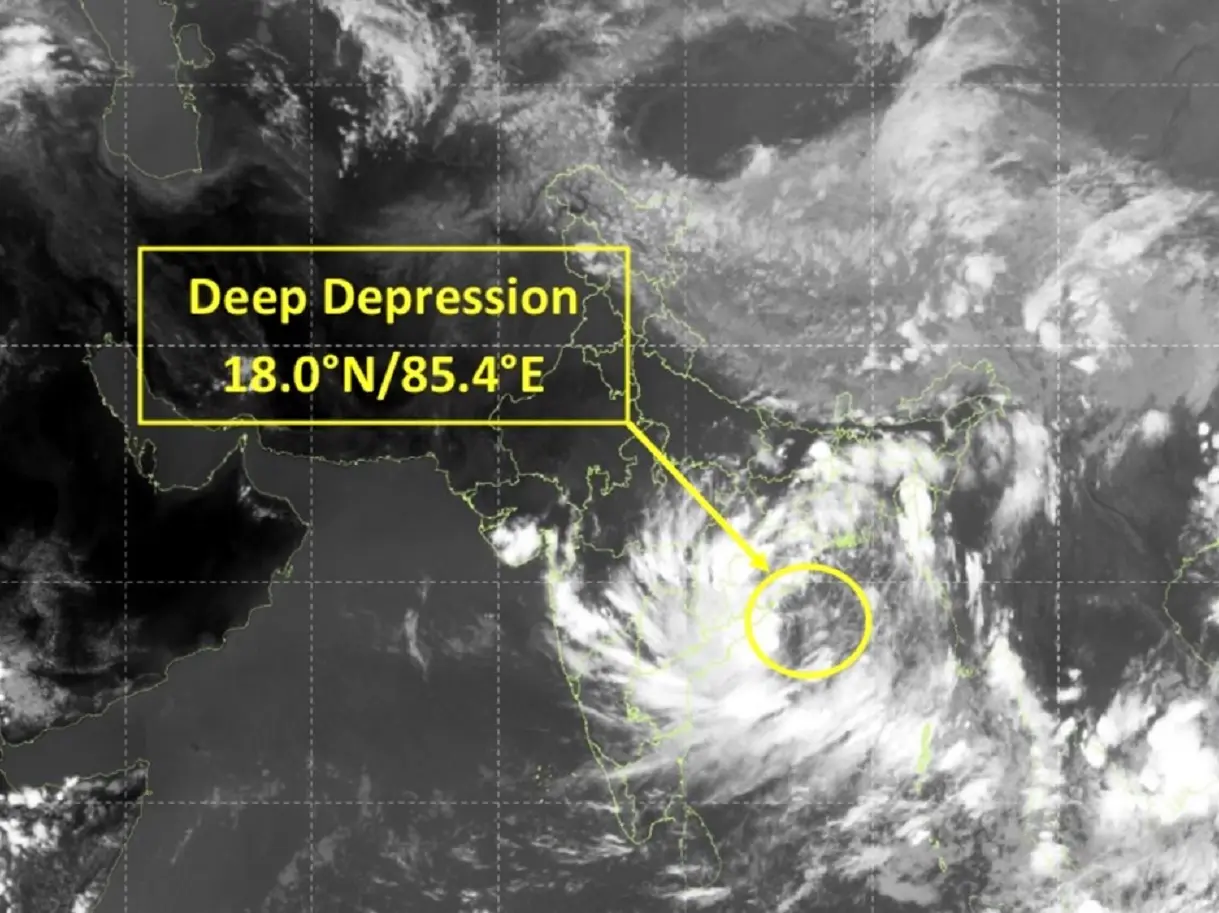)
Cyclone Arnab: Landfall expected before midnight tomorrow as IMD issues orange alerts across six states
)
TMC revives impeachment push against CEC Gyanesh Kumar after report of internal dissent
)
ICC plans T20I expansion and fewer ODIs in 2027–2031 FTP cycle: Report
)
WION Iconic Tourism Summit: Minister Kapil Mishra shares Delhi tourism future, invites industry to be partners
)
‘Iran will never bend at the knee’: Pezeshkian hits back at Trump at UNGA
)
WION Iconic Tourism Summit: South African envoy pushes for direct air connectivity with India
)
WION Iconic Tourism Summit: Seychelles envoy says India partnership is important for Seychelles
)
Scientists detect first radio signals directly from faraway planet
)
China to test supersonic jet that moves at Mach 2, double the speed of sound
)
Forget apps: Qualcomm CEO says AI agents will change how we use smartphones
)
Bomb scare in New York amid UNGA: Suspicious suitcase found near UN headquarters
)
Mamata demands CEC Gyanesh Kumar's arrest, calls for fresh Bengal polls with old voter list
)
WION Iconic Tourism Summit and Awards 2026: Key voices to discuss India’s tourism future
)
Asian Games 2026: Afghan cyclist, who fled after Taliban came to power, defies all odds to win women's silver
)
Trump-Xi state dinner 2026: Who is invited? Full guest list of tech CEOs, business leaders and officials
)
American manufacturing is reshoring faster than its factory floors can absorb
&im=FitAndFill=(700,400))
New OTT releases this week (September 21-27, 2026): Shaque: Trust No One, Hunkkaar, Don’t Be Shy- 5 new titles coming to Netflix, Prime Video and more
)
Trump calls on nations to quit ‘rogue’ and ‘out-of-control’ International Criminal Court, rips UN
)
UP farmer kills wife, 2 priests during ‘spirit possession’ ritual, shoots 9yo son
)
'What kind of confession is this?': Pakistan PM Shehbaz Sharif’s 'terrorists would be roaming New York' remark goes viral, raises alarm online. Watch
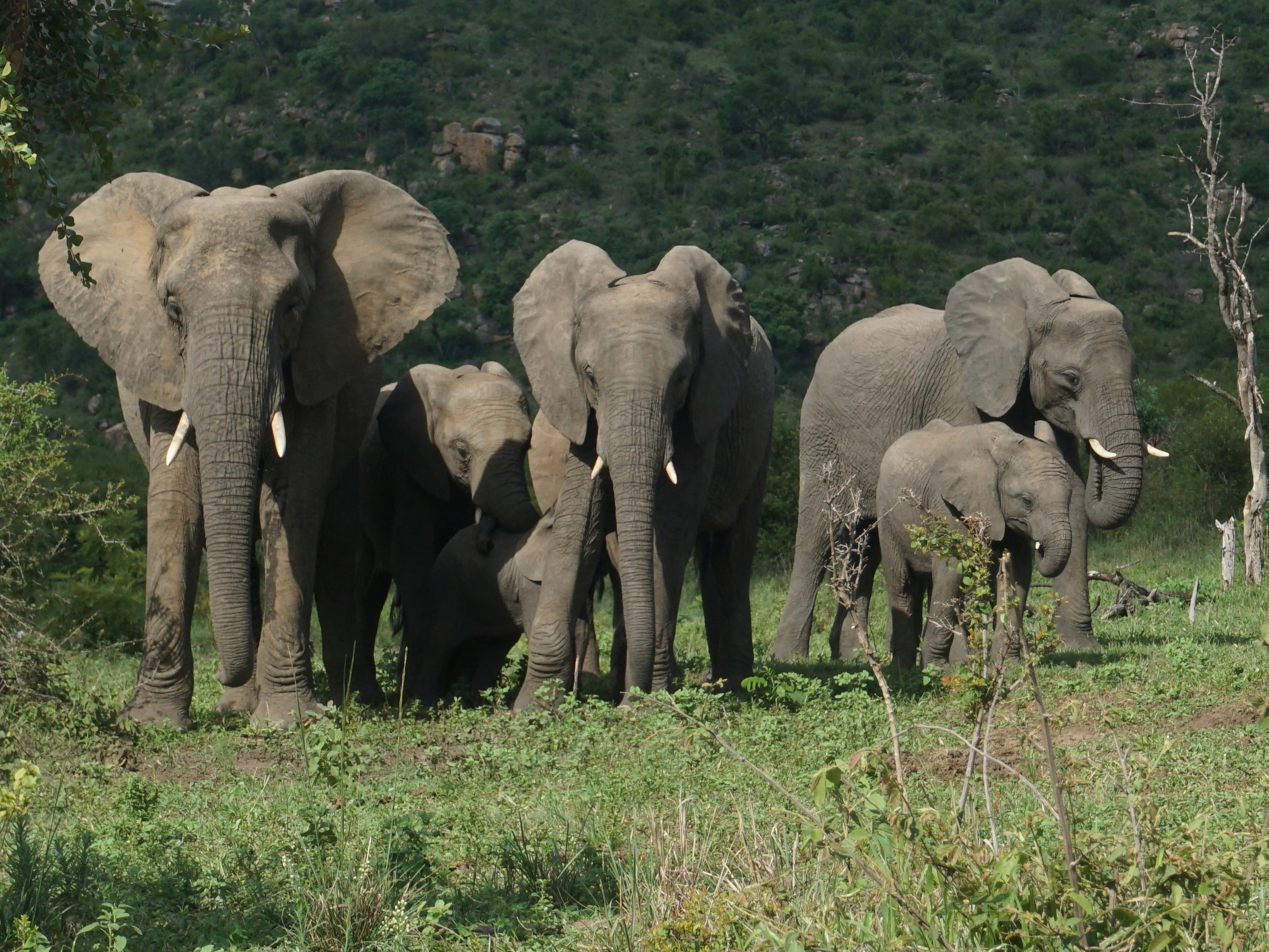)
Elephants hide behind trees, stage surprise attack on poachers targeting rhinos in South Africa
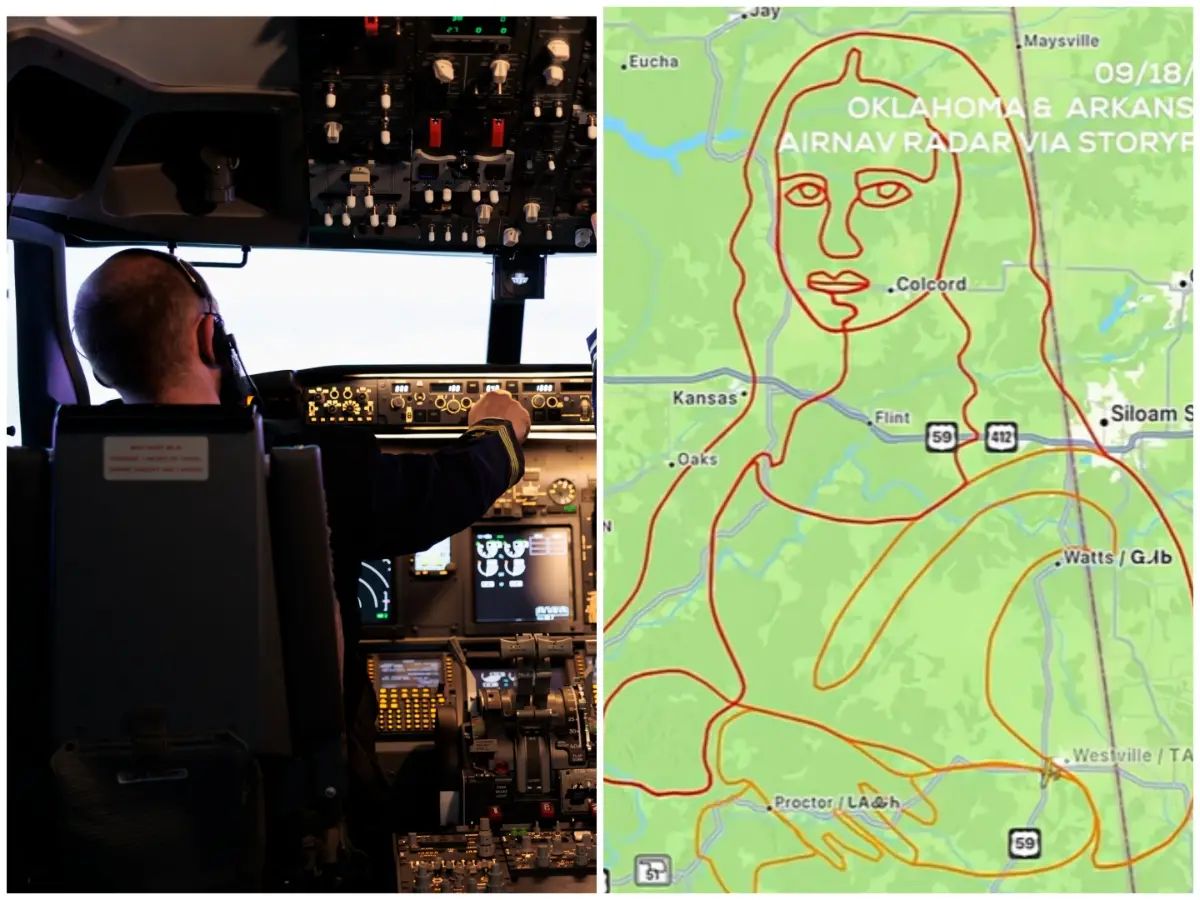)
Pilot recreates Mona Lisa in sky over Oklahoma and Arkansas in four-hour flight: VIDEO
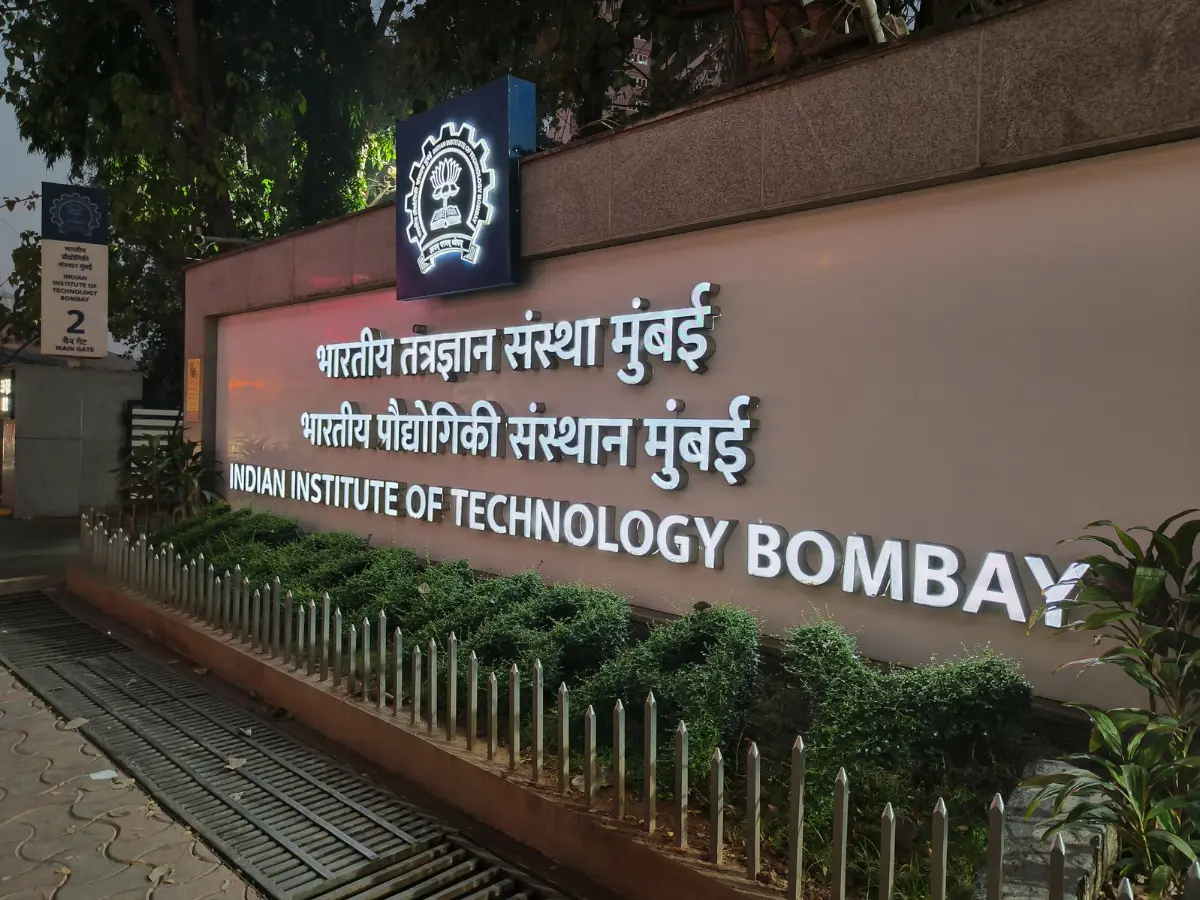)
IIT Bombay professor Suryanarayana Doolla sent on leave amid Sahil Wakode death probe
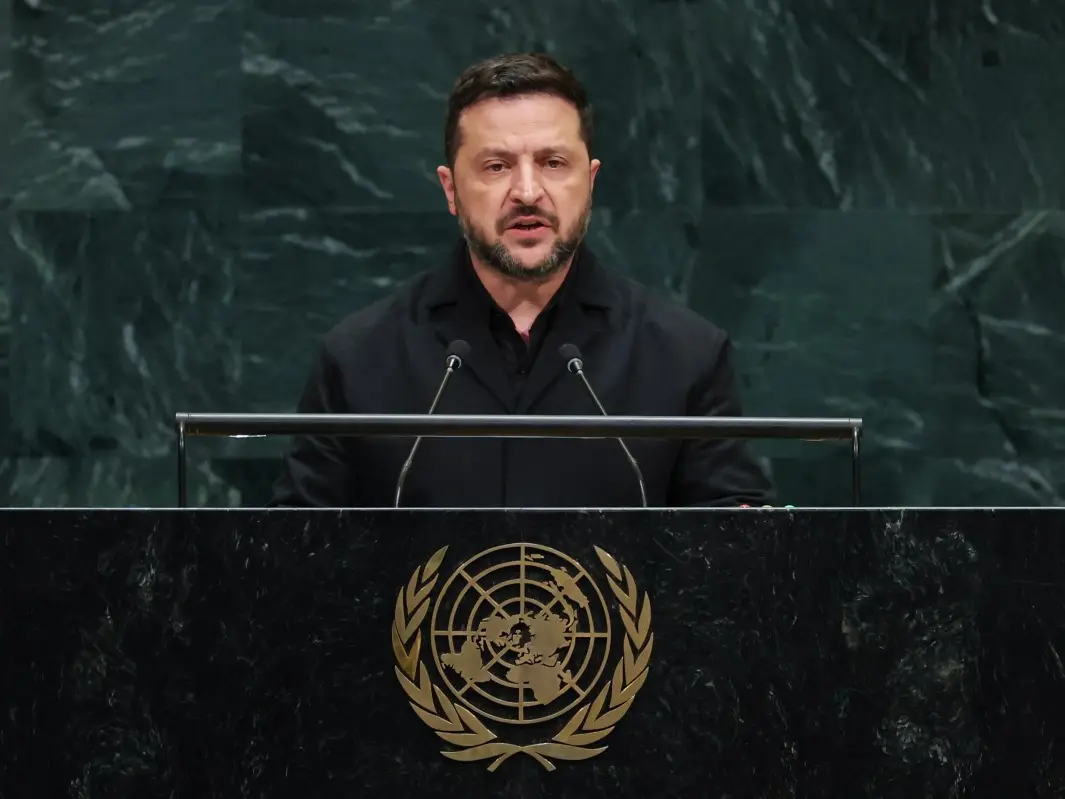)
'Putin is always looking for someone who can help him kill more': Zelensky accuses Russian president of using fighters from 47 nations in Ukraine war
&im=FitAndFill=(700,400))
National Film Awards 2026: Kartik Aaryan, Mammootty, Yami Gautam, Randeep Hooda and other key winners
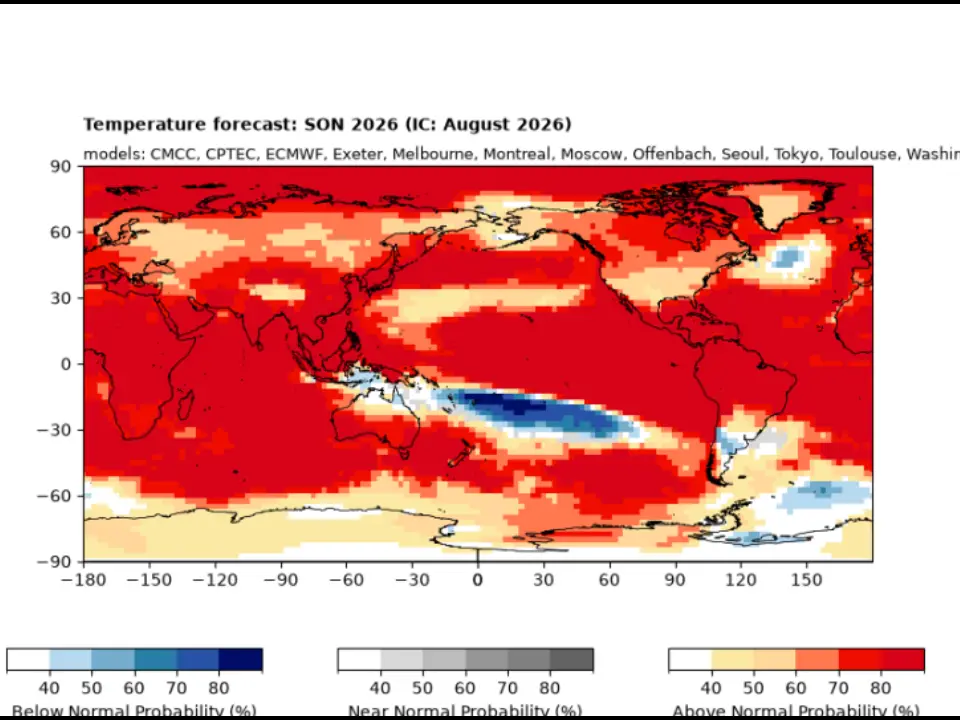)
El Niño 2026 heats up to become strongest in 1,000 years
)
Anne Hathaway to run in supporting race for Nolan's epic
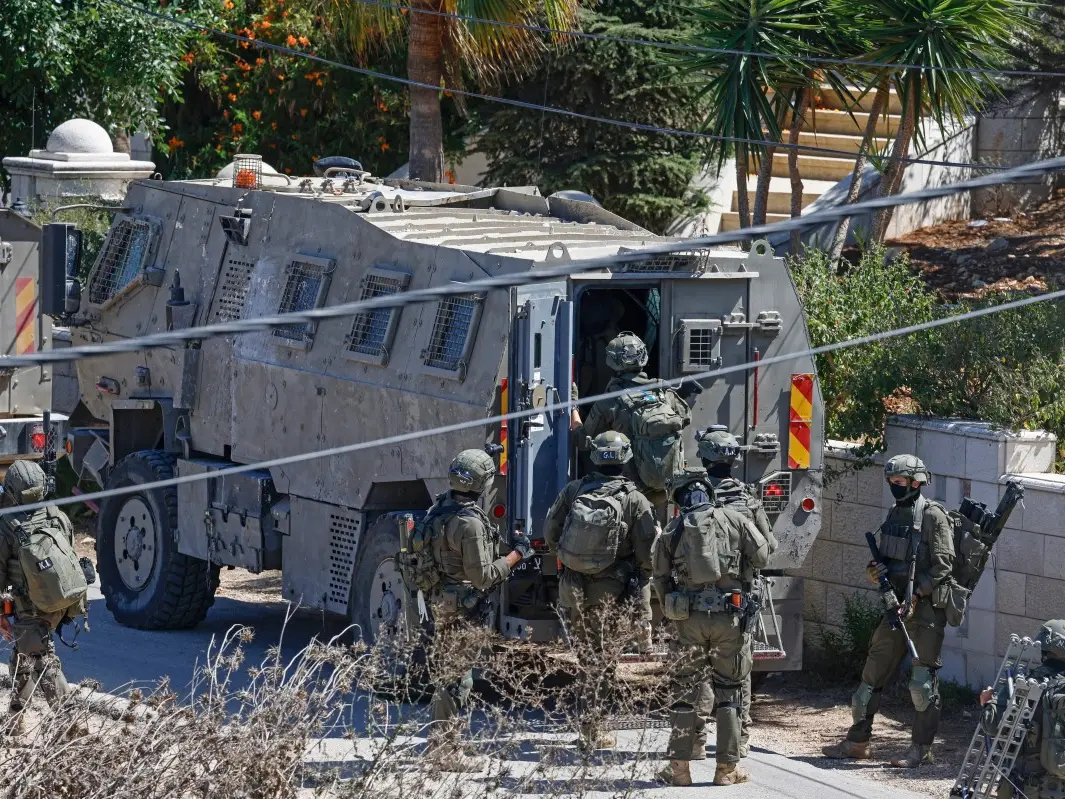)
Israeli envoy to US Yechiel Leiter’s son critically injured in West Bank ramming attack
)
From Gaddafi tearing up UN Charter to Trump’s ‘escalatorgate’: Most unforgettable UNGA moments
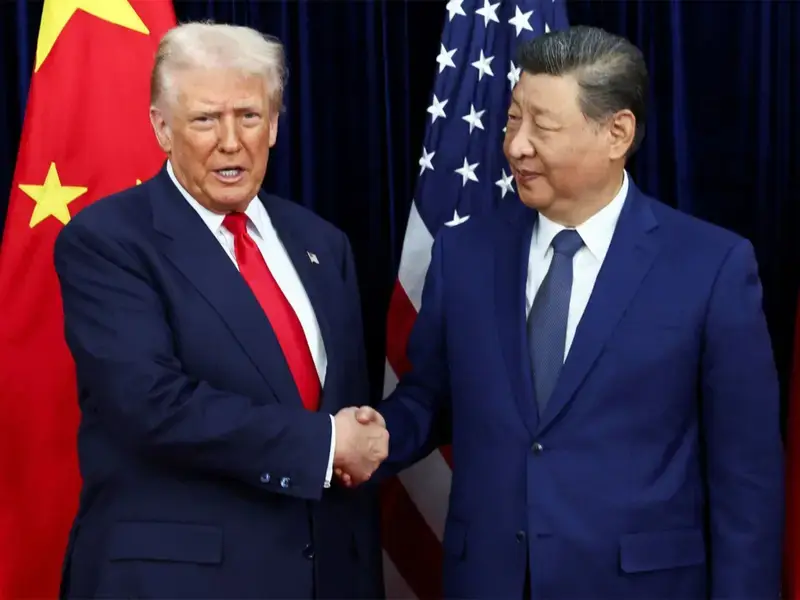)
'Taiwan and human rights are red lines': China warns US ahead of Xi-Trump visit
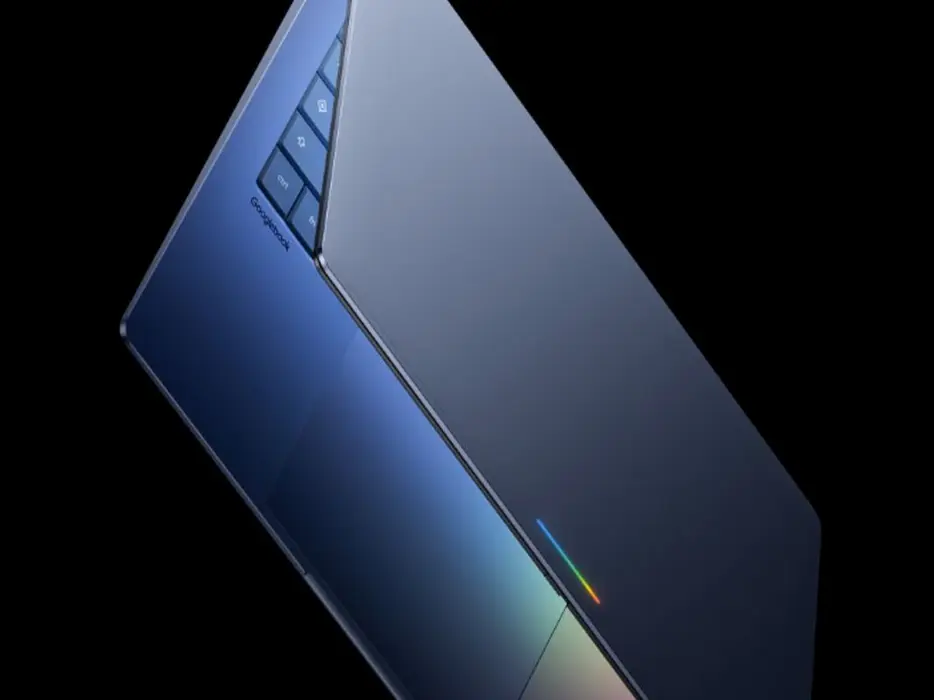)
Googlebook is here: Google launches $899 AI laptops with Gemini, Android phone integration
The parliament's negotiation position was announced Thursday following a vote late Wednesday, with 540 MEPs in favour, 119 against, and 31 abstentions.
'Safetravel'
European Commission chief Ursula von der Leyen welcomed the result, but ignored the proposed renaming of thecertificate.
"The (European Parliament) adopting its position on a Digital GreenCertificateis a key step towards free and safetravelthis summer," she tweeted.
She urged a "swift conclusion" to the final negotiations on the document, adding: "We will have theEU(virtual verification) gateway up and running by June, while supporting the timely rollout of national systems."
Initially, the plan is forEUcitizens and residents in the bloc to be able to use thecertificateto avoid quarantine, testing and other obstacles to intra-EUtravelthat have sprung up since the start of the pandemic.
Member states, however, want to retain the option of those measures if they deem them necessary, pointing out that public health issues are their responsibility, not Brussels'.
Later on, theEUintends to accept certificates issued by non-EUcountries fortravelby their citizens. Talks are already going in that direction with the United States but, so far, not with formerEUmember Britain.
Acertificatetrial is to be conducted in May before the initiative is launched across allEUcountries. Safeguards are to be in place against forgery and to uphold data protection.
The commission and the parliament agree that the vaccines accepted across the bloc will be those authorised by the European Medicines Agency: currently from BioNTech/Pfizer, Moderna, AstraZeneca and Johnson & Johnson.
They say individualEUcountries could additionally allow other vaccines, as would likely be the case of Hungary and some other states that have opted to use Russia's Sputnik V jab or ones produced by China.