
&imwidth=800&imheight=600&format=webp&quality=medium "Countries even world's strongest passports struggle to enter")
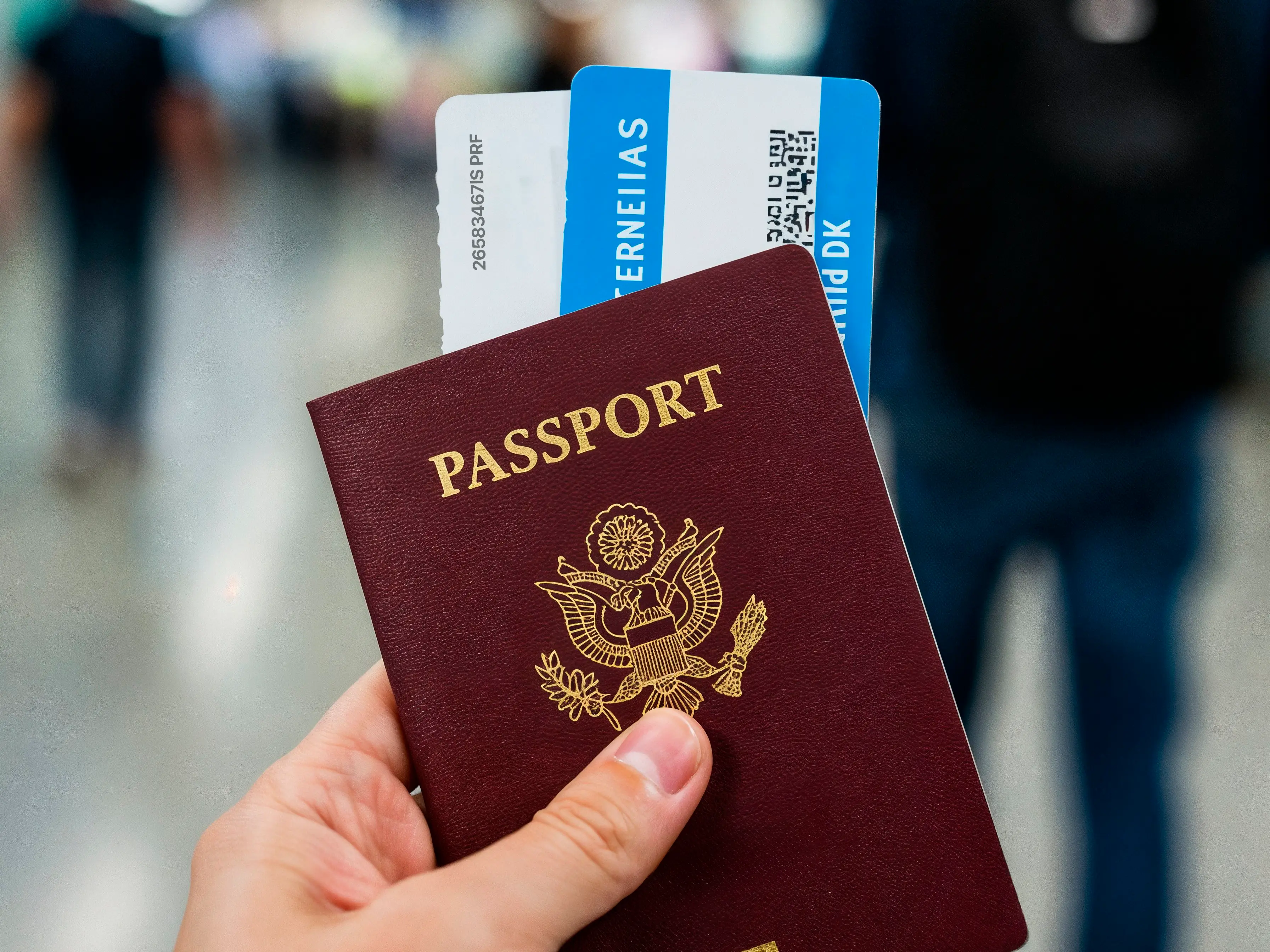
For years, the world's most powerful passports have been measured by one metric: how many destinations they can access without a visa. Holders of passports from countries like Singapore, Japan and several European nations can travel to more than 190 destinations with little paperwork, according to the Henley Passport Index. It is based on data from the International Air Transport Association (IATA).
But even the strongest passports have their limits.
Multiple countries remain exceptionally difficult to enter. And that's not because of the nationality of the traveller alone, but due to war, diplomatic isolation, political restrictions or tightly controlled immigration systems.

North Korea: North Korea remains one of the most difficult countries in the world to visit. Entry is tightly regulated, and tourists cannot simply book flights and arrive at the border. Most foreign visitors must travel through authorised tour operators, obtain prior approval from North Korean authorities and follow strict itineraries once inside the country.
Since the COVID-19 pandemic, North Korea has imposed prolonged border closures and has only gradually reopened to limited categories of visitors, with tourism remaining highly restricted.
Trending Stories
Afghanistan: Afghanistan technically issues visas through some of its diplomatic missions abroad. But obtaining one can be unpredictable, and many embassies no longer operate normally following the Taliban's return to power in 2021.
Even if a visa is granted, governments, including those of the UK, the US and Australia, advise against all travel because of the security situation.
Syria: Syria has never operated a broad visa-free regime for foreign visitors. Travellers from most countries must obtain visas before arrival, and in many cases, security clearance or additional approvals are required. Ongoing conflict, damaged infrastructure and limited international flights further complicate entry.
Yemen: Like Afghanistan, Yemen illustrates that holding a powerful passport does not guarantee practical access.
While visas may be available under certain circumstances, years of conflict have left commercial aviation severely disrupted. Security concerns, limited diplomatic services and unstable conditions mean that even travellers with valid documentation may find entry impossible or unsafe.
Why are powerful passports not enough?
Passport rankings measure visa-free access, but they do not account for geopolitical realities.
A country may technically issue visas while simultaneously experiencing armed conflict, restricting commercial flights or advising against tourism altogether. Others maintain strict immigration controls regardless of a traveller's nationality.
Diplomatic relations also matter. Some countries process applications more quickly for citizens of friendly states, while others impose additional screening based on political or security considerations.

