
&imwidth=800&imheight=600&format=webp&quality=medium "WION Exclusive: Why Islamabad MoU doesn’t hand Hormuz to Iran")
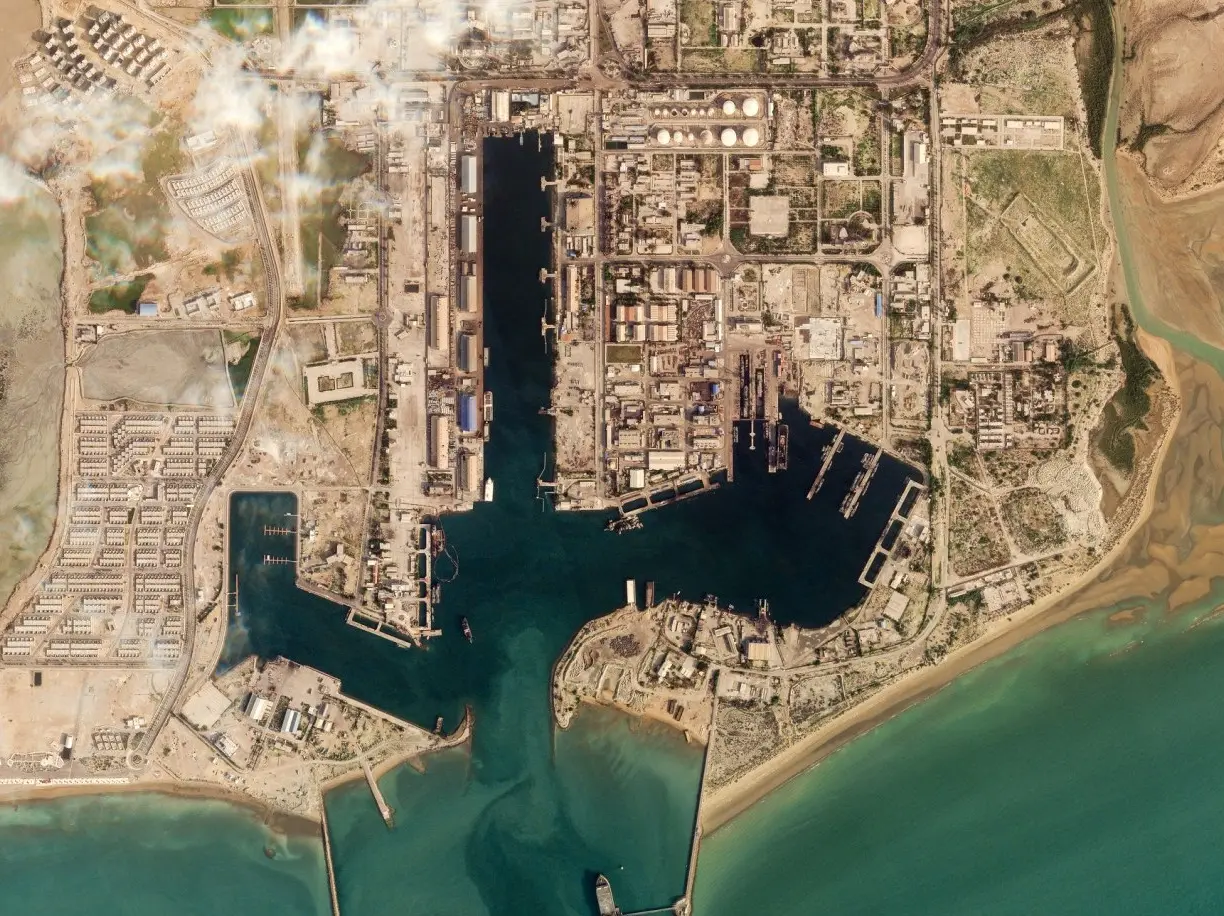
The memorandum of understanding (MoU), which was reached in Islamabad, has triggered intense debate over the future of the Strait of Hormuz after the war. Some observers suggested that Iran has emerged with control over one of the world’s most important energy chokepoints.
But according to war correspondent and analyst Elijah J Magnier, speaking to WION, the agreement does not hand the strait to Iran. Instead, it creates a temporary framework that allows both sides to negotiate how the waterway will be managed in the future.
What does the MoU actually do?

According to Magnier, the agreement establishes a 60-day period during which neither side will attempt to impose control over the strait. “For 60 days, nobody is going to control it as stipulated in the MoU,” he told WION.
During this period, Iran and Oman, which share jurisdiction over the Strait of Hormuz, are expected to begin discussions on future arrangements governing navigation through the waterway.
Magnier noted that the key question remains which legal framework will ultimately be used. There are competing interpretations regarding whether ships enjoy “free passage” or “innocent passage”, and whether older maritime conventions or newer international rules should apply.
Trending Stories
)
US vs China over South China Sea: Washington backs Philippines, Beijing hits back
)
Delhi gets first late-September rain in 7 years, mercury dips 5.1°C below normal
)
50MP vs 48MP cameras: iPhone 18 Pro Max and Pixel 11 Pro XL compared
)
‘Anti-social elements spreading false rumours’: LPU issues statement amid massive unrest over alleged rape
)
LPU students go on rampage, vandalise campus amid widespread protest: What's happening
)
Trump asked Xi to pressure Iran. China did not say yes — here’s what Beijing wants
)
US Treasury Secretary Scott Bessent hails global crackdown on Iranian banks and airlines
)
Jerry Maguire star Jonathan Lipnicki makes rare red carpet appearance
)
Venezuela's oil heartland eyes US revival
)
3 males killed, four others injured in shooting after fight at strip club in Detroit
)
Russia backs India at UNGA, but flags limits on UNSC seat expansion
)
South Africa probes string of murders targeting women
)
Building collapses after blast in Athens: 4 Americans, British man among 6 killed; cause not known
)
'Victory for low-budget consumers': Raghav Chadha hails 30-day telecom recharge rules
)
Kendall Jenner, Jacob Elordi’s Milan Fashion Week appearance has fans talking; his reaction steals the show
)
Beyond metros: How Tier-2 and Tier-3 cities could drive India’s next AI wave
)
Tesla builds first Cybertruck with its own refined lithium: Elon Musk's $1 billion Texas bet pays off
)
IndiGo flight suffers tail strike in Bengaluru while landing; DGCA to probe incident
)
‘Terror suspects arrested near UK air base were looking to do big damage’: Trump
)
Russian envoy claims US tactics to contain India were revealed in ‘Freudian slip’
)
‘Olympic inclusion is our major target’: WPA President Ishaun Singh on pool’s global ambitions
)
Nations League: Spain sink England at Wembley; Modric shines for Croatia
)
Why has Iran released no proof of life of Mojtaba Khamenei? Araghchi reveals...
)
Bank unions defer 3-day strike from tomorrow after talks with IBA, committee set up
)
'What kind of confession is this?': Pakistan PM Shehbaz Sharif’s 'terrorists would be roaming New York' remark goes viral, raises alarm online. Watch
)
Iran ready for ‘doomsday war’ if US resumes attacks, but open to diplomacy: Araghchi
)
Beyond BrahMos: India targets Rs 50,000 crore in defence exports with unmatched price edge
)
Sri Lankan Tamil migrant worker gets death sentence in Saudi Arabia, help sought from India
)
Muslim marriage cannot shield sex with minor wife from prosecution under POCSO: Delhi HC
)
99.9% more powerful - Scientists find boy who can recall memories from just 3 months of age
)
'FIRST LOOK from inside Noah’s Ark': Researchers share video from inside mysterious mound in Turkey
)
UNSC reform momentum grows: Russia, Portugal, Mauritius push for India's permanent seat bid
)
Man arrested after his 22-year-old girlfriend dies at homestay in Guwahati; police suspect murder over suicide claim
)
Afghanistan says 28 fighters killed in clash near Pakistan border, Islamabad denies
)
Ceuta migrant crisis: Protesters take to streets as Spain grapples with migrant challenge
)
Powerful Autumn storm threatens major coastal flooding across the US Northeast
)
Jaishankar at UNGA: Goodwill and friendship can't coexist with terrorism
The analyst pointed out that Iran has long maintained reservations regarding parts of the modern law of the sea framework, making future negotiations particularly important.
Can Iran impose fees on ships?
One of the biggest questions is whether Iran could eventually charge vessels passing through the strait. Magnier argued that Iran may seek a model similar to that used by Turkey in the Bosphorus. Instead of charging a direct transit fee, Tehran could potentially levy charges related to security, environmental protection or maintenance services.
“This is something that Iran can put forward and not ask for fees for passage and transit, but they can have it in a completely different way,” he added. According to Magnier, discussions during the 60 days are expected to focus heavily on precisely these issues.
Does Trump’s blockade threat mean the war could restart?
US President Donald Trump has warned that Washington could reimpose a blockade if Iran violates the roadmap. Magnier, however, downplayed the likelihood of a return to military confrontation.
He argued that renewed hostilities would be costly for the United States economically and politically. He said oil markets remain highly sensitive to developments in the Gulf and any fresh disruption could trigger another surge in energy prices.
“I don’t think the MoU was made for him to resume the blockade or the war,” Magnier said.
Instead, he suggested that some of Trump’s rhetoric may be aimed at domestic political audiences as well as allies unhappy with the outcome of the conflict.
What about nuclear inspections?
The MoU has also sparked disagreement over nuclear inspections. While Washington has portrayed the agreement as paving the way for extensive inspections, Iran has maintained that no final commitments have yet been made. Magnier further said that the agreement itself makes clear that negotiations on a final deal are only beginning.
According to his reading of the document, the current phase is focused on implementing initial confidence-building measures rather than finalising a permanent settlement.
“Within these 60 days, it’s just talk, nothing is finalised,” he said.
The analyst argued that allowing inspectors back into Iran could be viewed as a goodwill gesture, but also as leverage Tehran could use if it believes the United States is failing to meet its own obligations under the agreement.
Why does Iran say Hormuz will not return to pre-war conditions?
Iranian officials have repeatedly stated that the Strait of Hormuz will not revert to the arrangements that existed before the conflict. Magnier believes this does not necessarily mean Tehran will shut the strait or gain unrestricted authority over it.
Instead, Iran appears to be signalling that future rules could include additional security, environmental or regulatory measures that did not previously exist.
According to Magnier, Washington may ultimately accept such changes if they do not significantly disrupt global energy flows.
The analyst noted that around 80 per cent of the oil moving through Hormuz is destined for China and other Asian markets, reducing the direct economic impact on America.

