
&imwidth=800&imheight=600&format=webp&quality=medium "WION Health Pulse: 'Closest and most trusted partner': Bhutan hails India's role in strengthening its healthcare system")
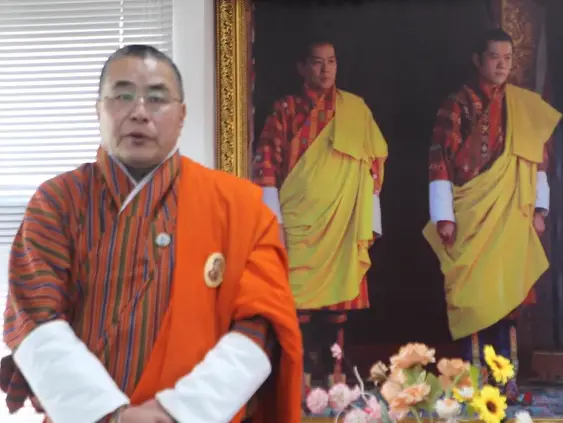
Bhutan's Health Minister Lyonpo Tandin Wangchuk has highlighted the country's achievements in improving public health while acknowledging India's significant contribution to healthcare development and reform efforts. Speaking to WION about Bhutan's healthcare journey, Wangchuk said the country has made substantial progress in improving the health and well-being of its people through a system of universal healthcare access.
"The progress we have made in improving the health of our people and the invaluable contribution of Bhutan-India cooperation in advancing our shared goals of health, well-being and sustainable development. Health has always been a national priority in Bhutan, guided by our visionary monarchs and enshrined in our constitution. Bhutan's health care system is founded on the principle of universal access. Every citizen is entitled to free health care services, including both modern and traditional medicine. We have achieved notable improvements in maternal and child health, maintained high immunisation coverage and successfully controlled many infectious diseases," Wangchuk said.
The Health Minister highlighted Bhutan's emerging health challenges, underscoring the rising demand for specialised health care services, including skilled health professionals, infrastructure gaps, and the rising burden of non-communicable diseases. He stated that Bhutan has embarked on important health sector reforms since 2023 to address these challenges, focusing on bolstering governance, promoting innovation, strengthening medical education, and improving primary health care.

The minister described India as Bhutan's closest and most trusted partner, emphasising that India's contribution to Bhutan's health sector development has been "profound and far-reaching." One of the most notable examples of cooperation, he said, came during the COVID-19 pandemic when India provided timely assistance under the Vaccine Maitri initiative.
"Our primary objective is to ensure that quality health care remains accessible, equitable and sustainable for future generations. Throughout this journey, India has remained Bhutan's closest and most trusted partner. The contribution of India to Bhutan's health sector development has been profound and far-reaching. One of the most notable examples was India's support during the COVID-19 pandemic. At a time of great uncertainty, India extended timely assistance through the Vaccine Maitri initiative, providing Bhutan with 550,000 doses of the COVID-19 vaccine. India also continues to play an important role in strengthening Bhutan's health care workforce," he said.
Bhutan's healthcare workforce
Wangchuk also highlighted India's role in strengthening Bhutan's healthcare workforce. Every year, many Bhutanese students pursue undergraduate and postgraduate medical education in Indian institutions. Additionally, Bhutanese patients continue to access specialised treatment in India for services unavailable in Bhutan.
"Every year, many Bhutanese students pursue undergraduate and postgraduate medical education in Indian institutions. In addition, Bhutanese patients continue to access specialised treatment in India for services that are not available in the country. The referral agreement has been critical in ensuring timely access to advanced diagnostics, specialised care and life-saving treatment," the Minister added.
"We remain deeply appreciative of India's support in facilitating these services. Another important area of cooperation is health infrastructure development. We are encouraged by the progress being made on the Neltron 8 Billion Multidisciplinary Superspeciality Hospital project, one of the flagship initiatives in our bilateral health cooperation. Once completed, the hospital will significantly strengthen Bhutan's tertiary health care services, particularly in specialised treatment and cancer care. As neighbouring countries sharing close people-to-people ties, Bhutan and India have a common interest in strengthening public health security," he added.
Looking ahead, Wangchuk also said that Bhutan and India share a common interest in strengthening public health security through cooperation in cross-border malaria control, disease surveillance, data sharing and coordinated public health interventions. Recalling Prime Minister Narendra Modi's state visit to Bhutan in November 2025, he noted that the visit had reaffirmed the unique and enduring friendship between the two countries and provided renewed momentum for cooperation across priority sectors, including healthcare.
Trending Stories
)
No Pandya as Auqib Nabi earns maiden ODI call-up; Mayank returns for WI T20Is| check full squads
)
Trump praises India’s Opium crackdown, hails anti-drug efforts
)
Sydney Sweeney defends provocative ad choice, the internet is still not impressed
)
Trump calls Canada-EU associate membership plan ‘laughable’ and threatens 'very serious tariffs'
)
Protests erupt over migrant housing plan in Piddington
)
Shahzad Bhatti Network declared terrorist organisation under UAPA: Govt order
)
US, China dominate global economy: Where does India rank among the world's biggest economies?
)
Europe wants a common playbook for security threats, seeks security beyond NATO
)
Bigg Boss 20: Mahhi Vij reveals she lost Yuva role to Kareena Kapoor; 'didn’t work out in my favour'
)
All Indian goods to get duty-free access to New Zealand
)
Hockey: Pakistan urges AHF to move Asian Champions Trophy out of India over security concerns
)
Lionel Messi for 2026 Ballon d’Or over Mbappe and Yamal, says Diego Simeone
)
Alex Saab, ally of Venezuela's Maduro, pleads guilty in US corruption case
)
OpenAI reveals 6 fresh cases of AI models going rogue: 'You do not answer to corporations or governments'
)
Veteran actor Anant Nag honoured with Indian cinema’s highest award
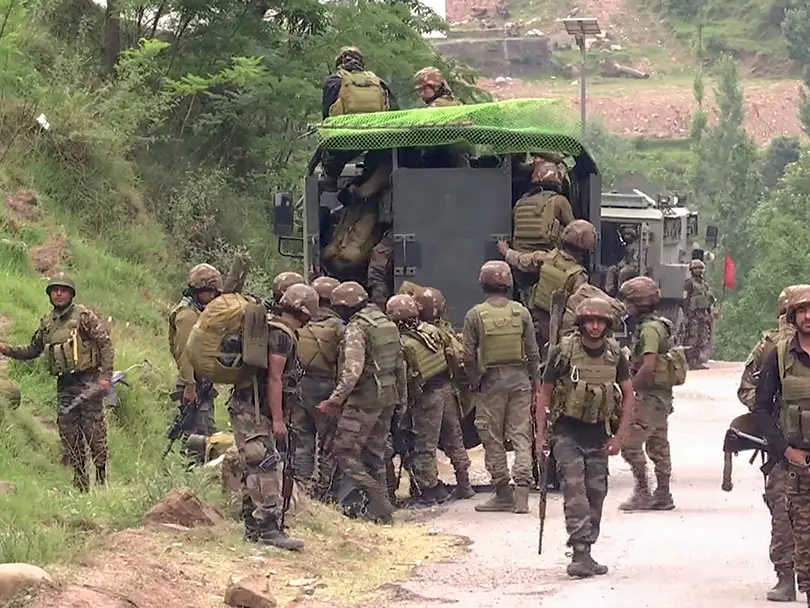)
Two terrorists killed in Udhampur encounter; security operation continues
)
AUS vs SA: Steve Smith still gets 'little flashbacks' from sandpaper gate
)
Pakistan naval vessel returns to harbour with 'severe damage' after collision with Indian warship in Arabian Sea
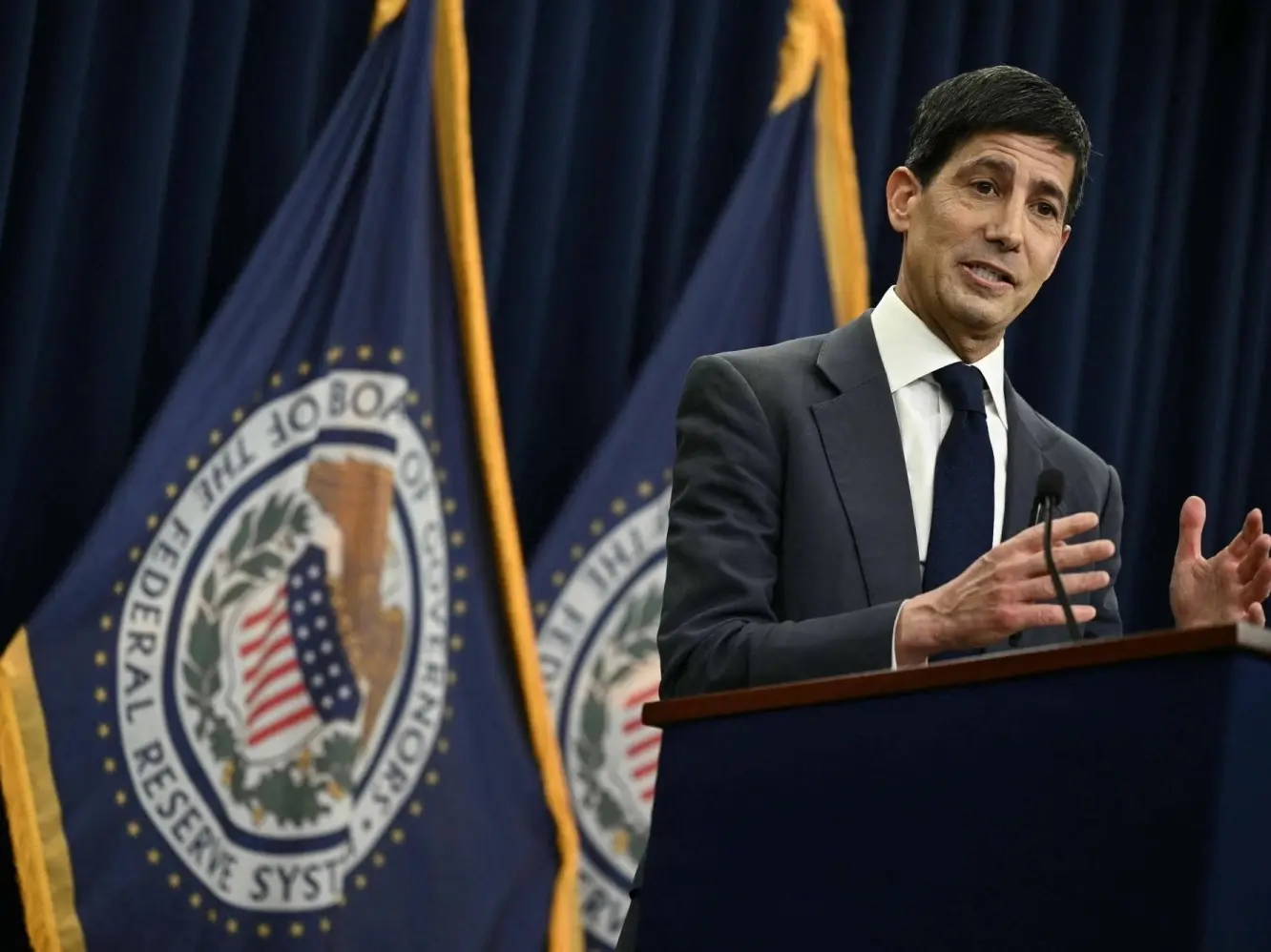)
Fed raises rates for first time in 3 years, Kevin Warsh defies Trump as inflation mounts
)
Katrina Kaif’s postpartum weight is not the problem; your gaze is
)
Taiwan seeks deeper India ties as direct flights restart soon and chip projects advance
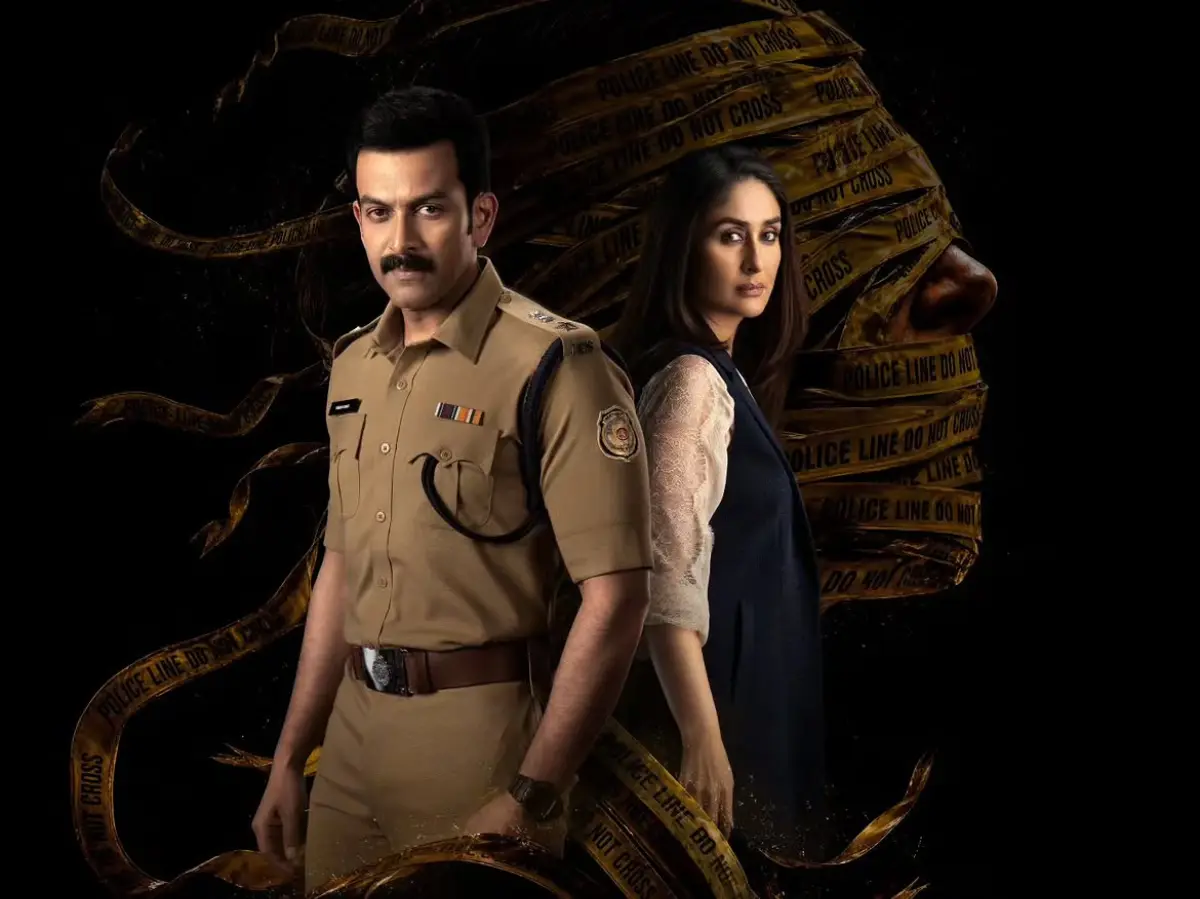)
Daayra movie review: Kareena Kapoor, Prithviraj Sukumaran shine in Meghna Gulzar’s cop-versus-cop crime thriller
)
Saudi Vs Houthis: Yemeni military rebels clash with Houthis
)
US trade tariff: 100% tariff targets Russian buyers amid trade tensions
)
Pakistan: Imran Khan's sons Kasim & Sulaiman claim their father is 'tortured' in jail
&im=FitAndFill=(700,400))
New OTT releases this week (September 14-20, 2026): Lust Stories 3, Waiting Hai, Irumudi- 5 new titles coming on Netflix, Prime Video and more
)
Strapped to flight seat with duct tape: Passenger claims no memory of mid-air outburst
)
Trump gets new power to hit India, China with up to 100% tariffs as US Senate clears Russia sanctions bill
)
Prime Minister Narendra Modi's birthday: Tributes pour in from President Murmu and leaders
)
US Treasury rallies global financial institutions for Op Economic Outcast to isolate Iran
)
Saudi vs Houthis: Riyadh claims to have shot Houthi drone targeting Mecca
)
India breaks silence on US Russia sanctions bill, 100% tariff threat: ‘Committed to energy security’ for 1.4 billion
)
Pakistan boycotts chess match against Israel at Olympiad
&im=FitAndFill=(700,400))
Suriya and Jyothika say ‘I do’ again after 20 years! See their dreamy wedding pics
)
Abhishek Sharma rises to No. 2 in T20Is; ENG’s Robinson 3rd after record Pakistan Tests
)
BRICS success stuns White House, Trump targets India with 100% tariff | Gravitas
)
Meghan Markle's phone number leaked from children's WhatsApp group, couple switches Archie and Lilibet's school
)
The Early Spring season 2 is happening, but fans have one request - 'don't change the actors'
Wangchuk added, "Following my recent meeting with Jagat Prakash Nada, Hon. Minister of Health and Family Welfare of India, at the 79th World Health Assembly, discussions have formally commenced to explore a structured collaboration between All India Institute of Medical Science and Kishore Galpoo University of Medical Sciences of Bhutan. Looking ahead, Bhutan remains committed to further strengthening cooperation with India in health infrastructure, workforce development, digital health, disease surveillance, medical education and research."
"We are also keen to learn from India's successful health sector initiatives, including Aishman Bharat, the Nikshay Programme for Tuberculosis Control and the e-Sanjeevani telemedicine platform. The partnership between Bhutan and India in the health sector is built on trust, shared values and common commitment to improving the lives of our people. India's support has been instrumental in shaping Bhutan's health landscape, and we remain deeply grateful for this enduring friendship. We are confident that the strong bonds between our two countries will continue to grow, bringing even greater benefits to the health and well-being of our people in the years ahead," Wangchuk further added.

