Chinese vignettes | Covid-19 continues to rock Shanghai as it reports 138 deaths this week

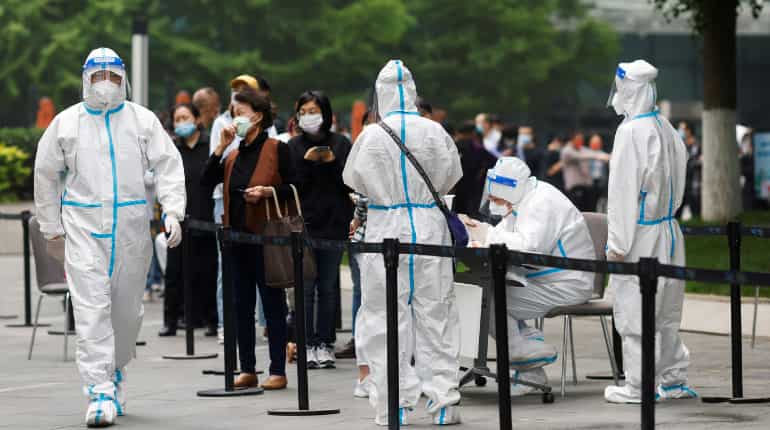
Beijing
It’s day 29, China’s financial hub Shanghai continues to battle the country’s worst ever Covid-outbreak fuelled by Omicron. They continue to witness food and medicine shortages and heavy social media censorship. Frustration is mounting among millions of residents as the promise of easing lockdown remains yet to be fulfilled.
The city officials via social media have ruled out any possibility of immediate easing of restrictions. There is much frenzy on the diplomatic front too. China has signed a security pact with the Solomon Island, and this move has caused panic in Washington and Canberra. This week, in Chinese Vignettes we cover all the top stories making news in China.
China over the week

Covid Cases in Shanghai
China’s financial capital Shanghai has reported a total of 138 Covid-related deaths this week as it continues to battle its worst Covid outbreak. The city is also reporting an increase in symptomatic infections this week.
Even after more than three weeks in strict lockdown, the city of 26 million continues to live in uncertainty. All possible measures are being taken to not only curb the virus but also the public display of frustration related to the lockdown as authorities continue to censor social media.
)
Beijing to Washington! Ivanka Trump makes a style statement in Chinese designer Guo Pei for President Xi Jinping’s White House welcome
)
New wellness trend focuses on a natural inner glow
)
Outrage erupts after 3-year-old is married to 60-year-old man in Pakistan, link to her sister's murder being probed
)
Trump gifts Xi a bald eagle sculpture at White House dinner: Here’s what it symbolises
)
‘Not just a local tragedy’: Nepal PM Shah warns UN of growing climate threat, says Nepal floods were 'a warning to the world'
)
India-New Zealand FTA is ‘an expression of trust’, NZ High Commissioner Patrick John Rata says
&im=FitAndFill=(700,400))
New Friday OTT releases (September 25, 2026): Don’t Be Shy, Hunkkaar: The Roar, Mango Pachcha- 6 movies and TV shows on Netflix, Prime Video and more
)
Watch: PM Modi joins Bhajan Clubbing event in Delhi on Deendayal Upadhyaya's birth anniversary
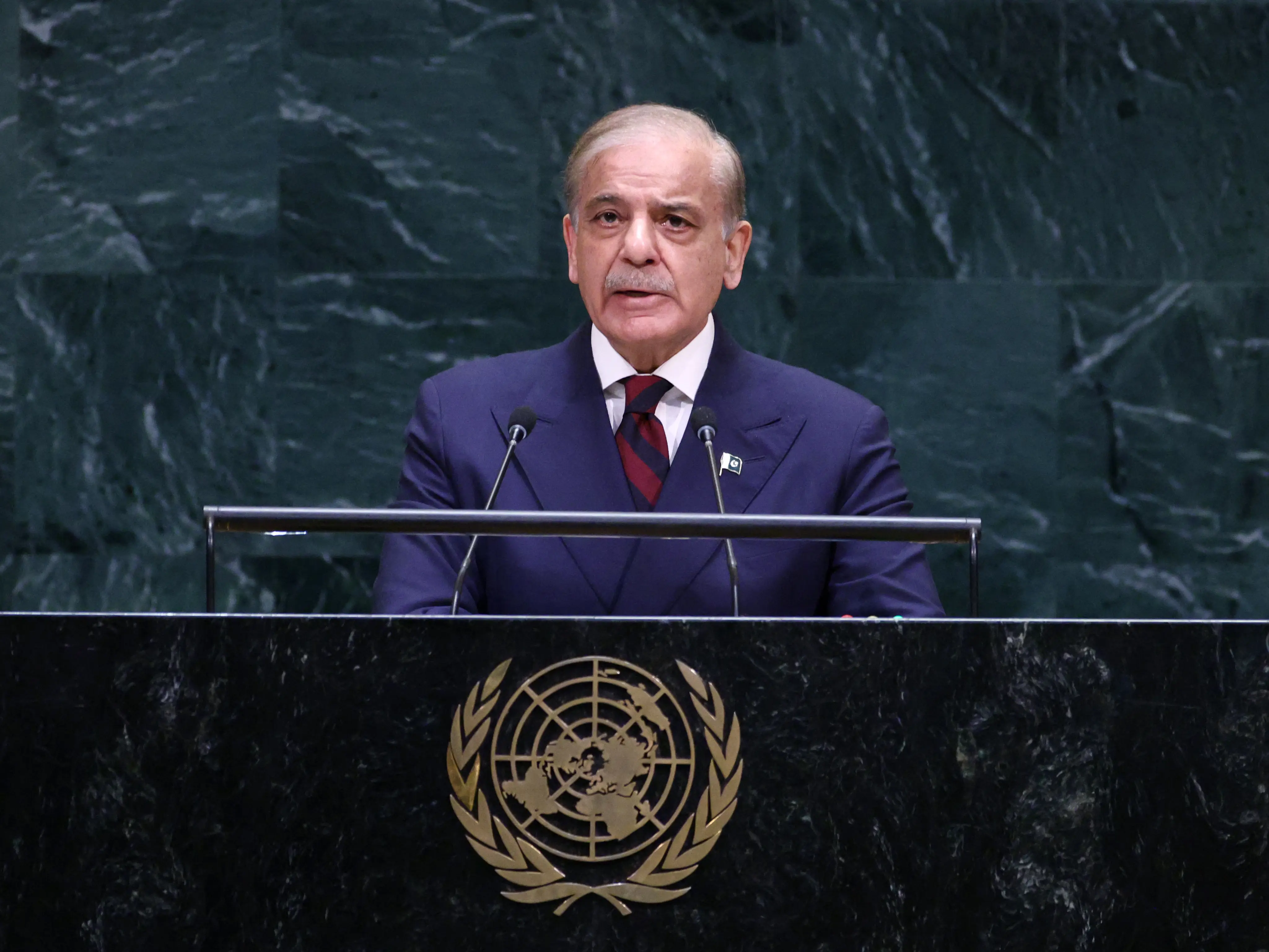)
‘Attack on Mecca a red line for Pakistan’: Shehbaz Sharif warns Houthis at UN
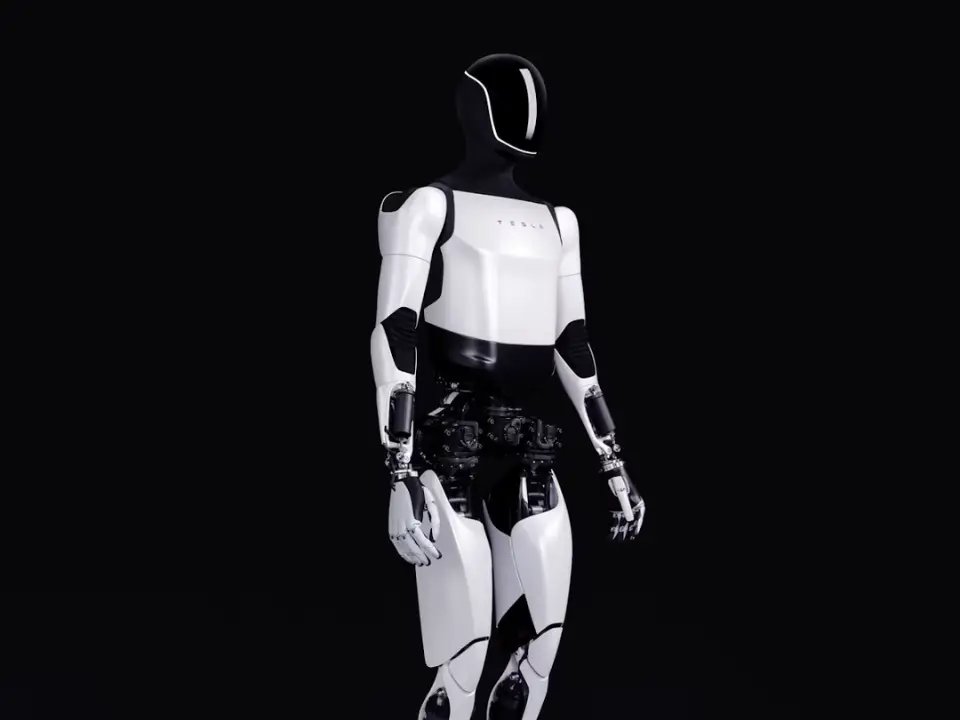)
Tesla is preparing something big for Optimus: new Gen 3 models surface in app
)
Bias or safety concerns? Bengaluru CEO says firm will not hire men from UP, Bihar, Rajasthan, MP. Here's why
)
Double shock for Israel: Furious Trump refuses to meet humiliated Netanyahu | Gravitas
)
Trump's welcome to Xi demonstrates 'attraction' to dictators: Chuck Schumer
)
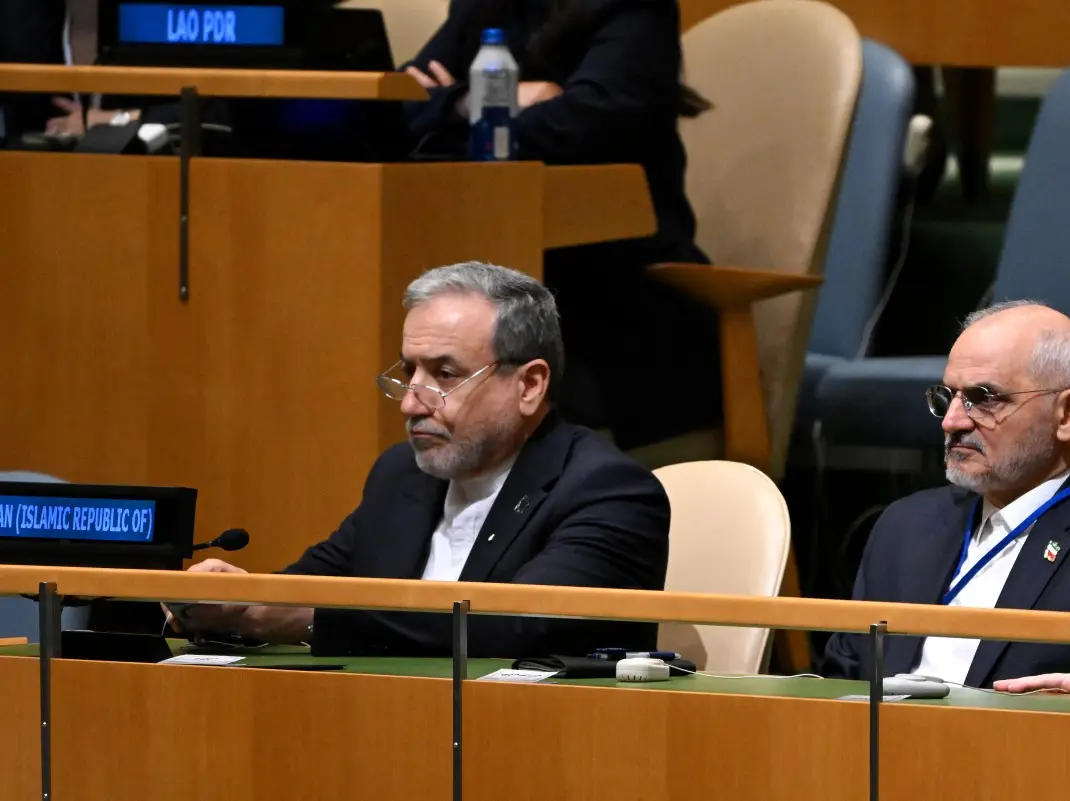
Scientists detect first radio signals directly from faraway planet
)
A seven-day roadmap? Iran proposes plan to end war, reopen Strait of Hormuz and resume nuclear talks
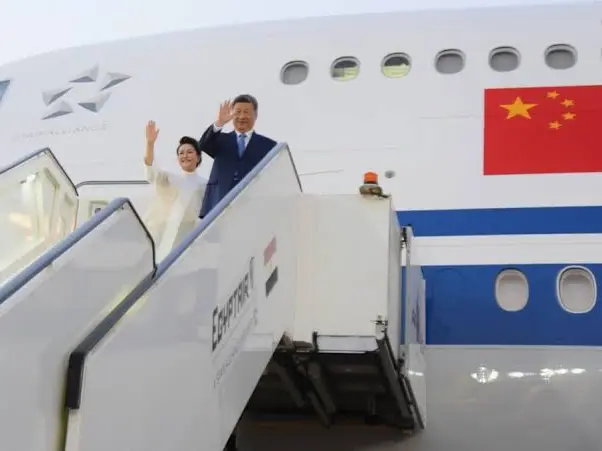)
Xi Jinping's 'special plane' vs Trump's Air Force One: What's the difference?
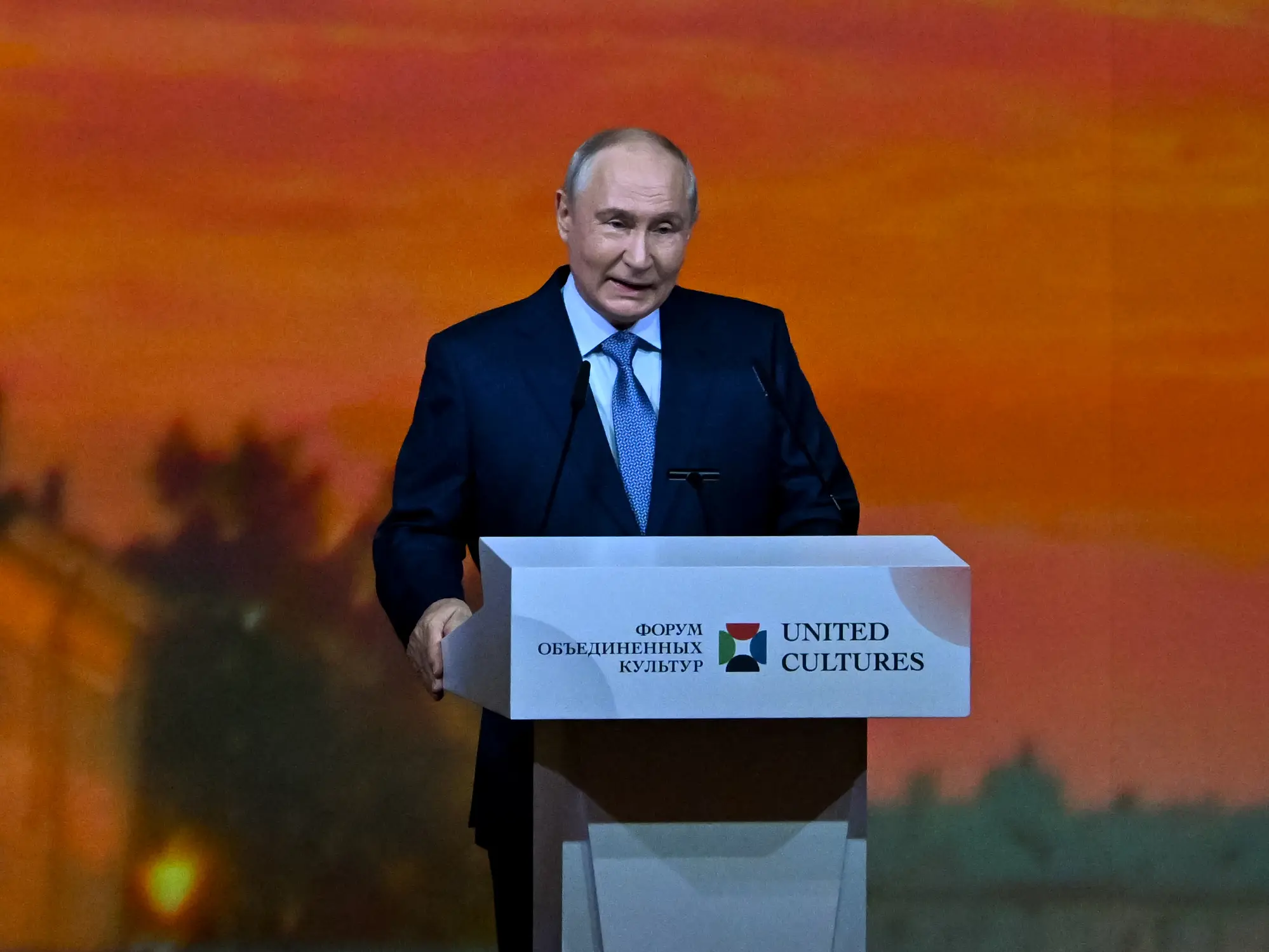)
‘It is all possible’: Putin weighs next steps on Ukraine talks, rules out Europe conflict
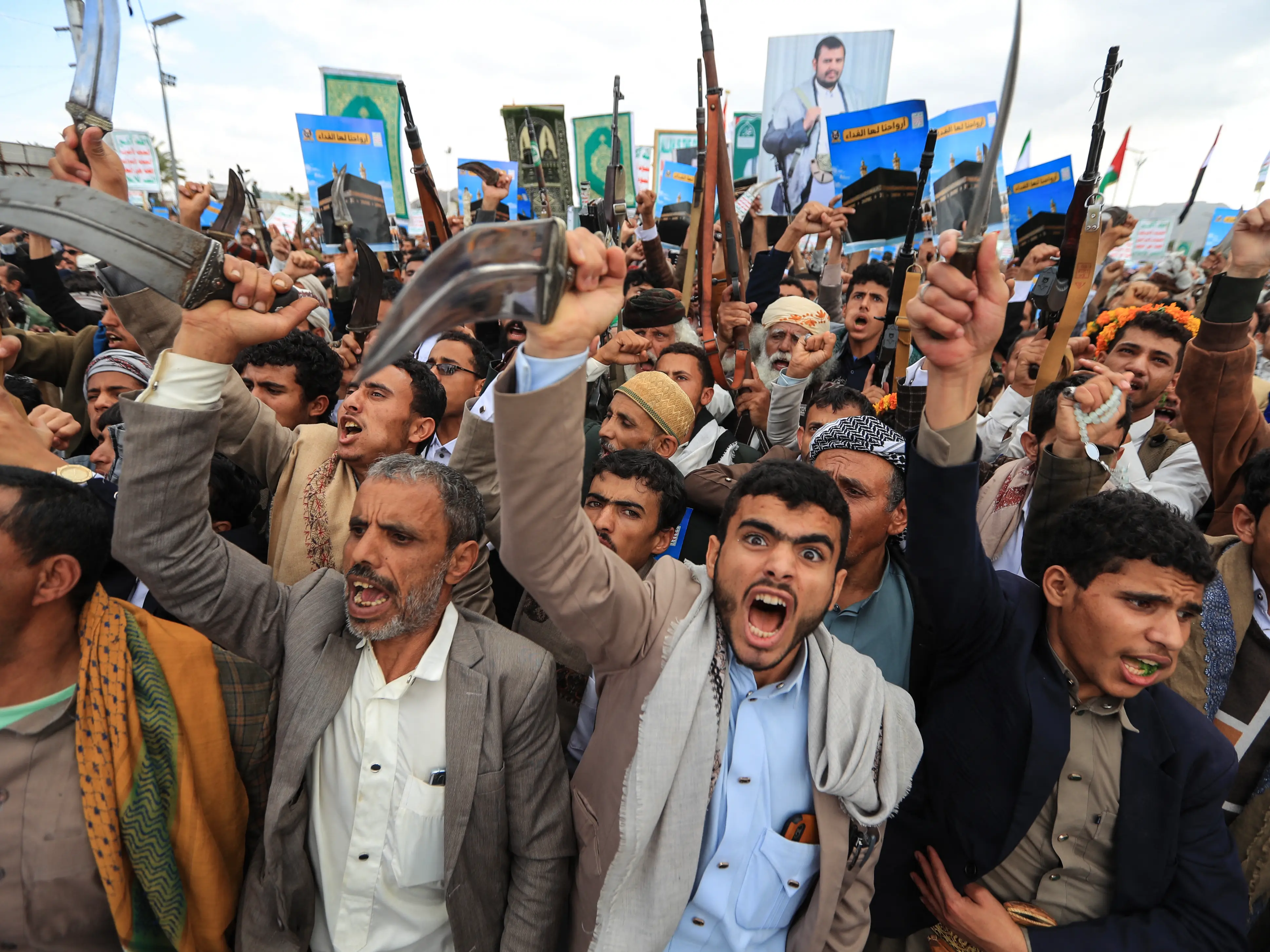)
Saudi Arabia, Turkey and Pakistan to hold urgent military talks amid intensifying Houthi attacks
)
Ex-Liverpool forward Mohamed Salah banned from driving in United Kingdom for six months
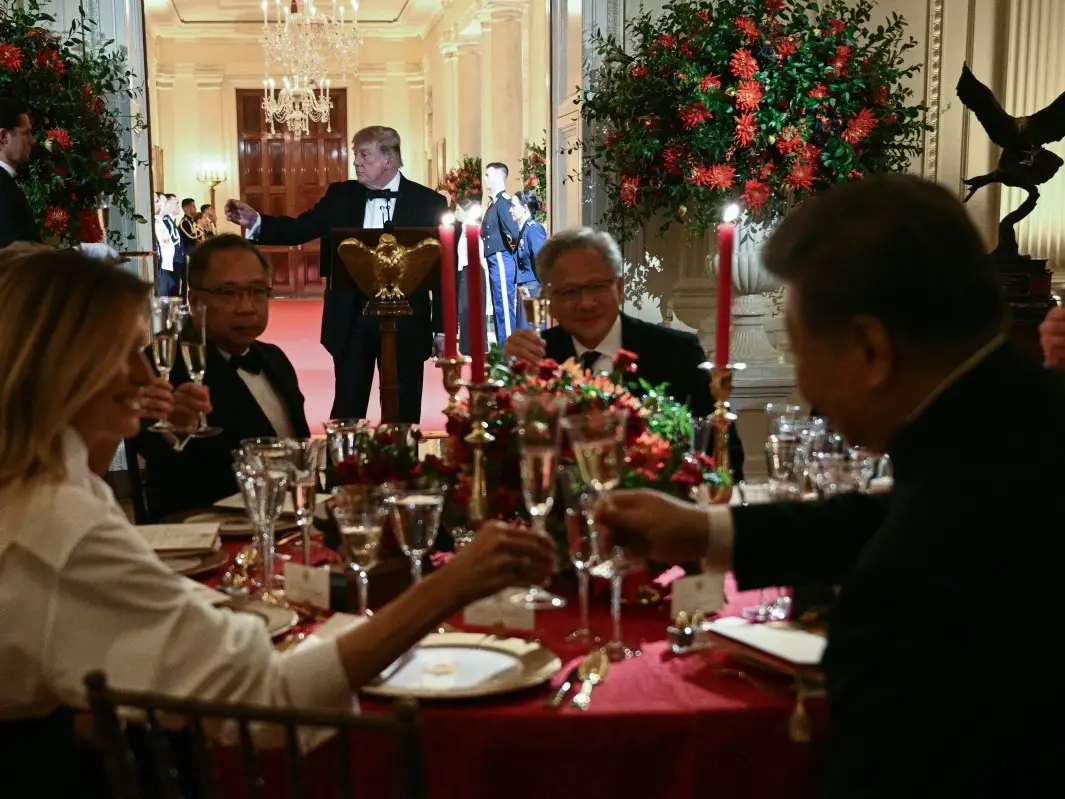)
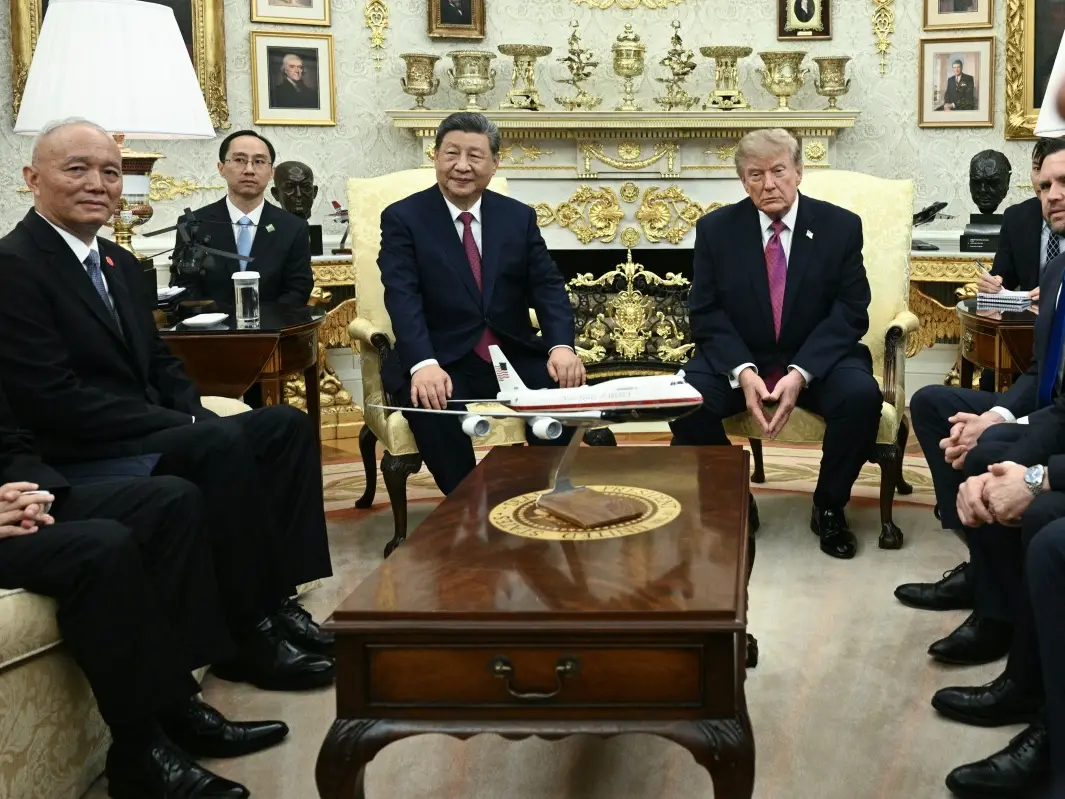
‘We’ve never gotten along better’: Trump praises Xi, jokes about White House ballroom at high-stakes state dinner
)
Meet Adrian Abraham: 9-year-old Indian-origin guitar prodigy aiming for a Guinness World Record
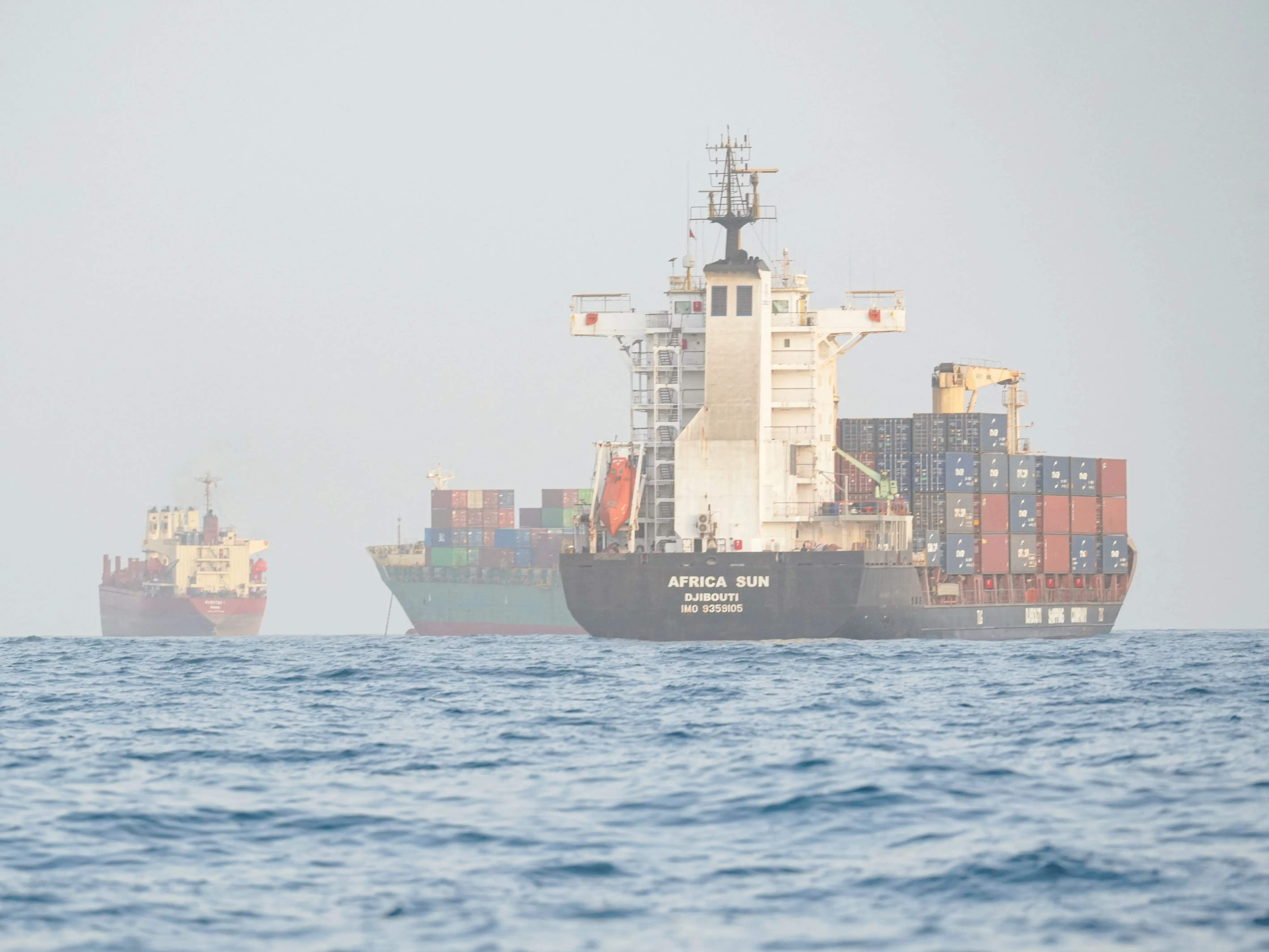)
Red Sea crisis: Houthis promise not to target European ships; UNSC condemns Saudi attacks
)
'Blockbuster' nor'easter develops an eye similar to hurricanes as warnings are issued
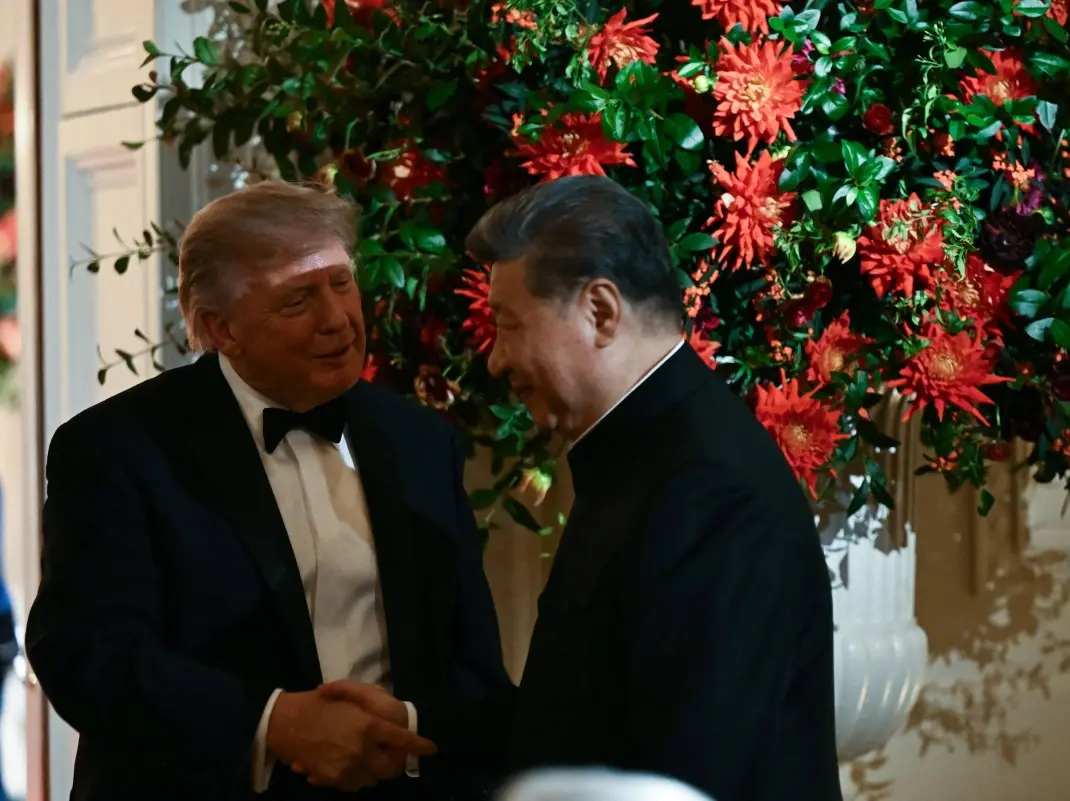)
'Making history': Xi Jinping praises Trump as US-China leaders dine at White House
)
'We do not wish to continue. It's America that must choose': Iran president Pezeshkian calls on US to end war
)
Exclusive | 'We always want to improve': Suruchi, Kamaljeet after winning Asian Games gold
)
Bollywood mourns Mushtaq Khan: Sunny Deol, Rajpal Yadav and others pay tribute
)
Myanmar training camp case: US national, 6 Ukrainians allowed to meet their families abroad
)
'FIRST LOOK from inside Noah’s Ark': Researchers share video from inside mysterious mound in Turkey
)
99.9% more powerful - Scientists find boy who can recall memories from just 3 months of age
)
Trump made 'final decision' to give Ukraine Patriot missile production license: Zelensky
)
WATCH | As Shehbaz Sharif claims Pakistan’s ‘victory’ during 2025 conflict, Indian diplomat R Srinivas laughs at UN
)
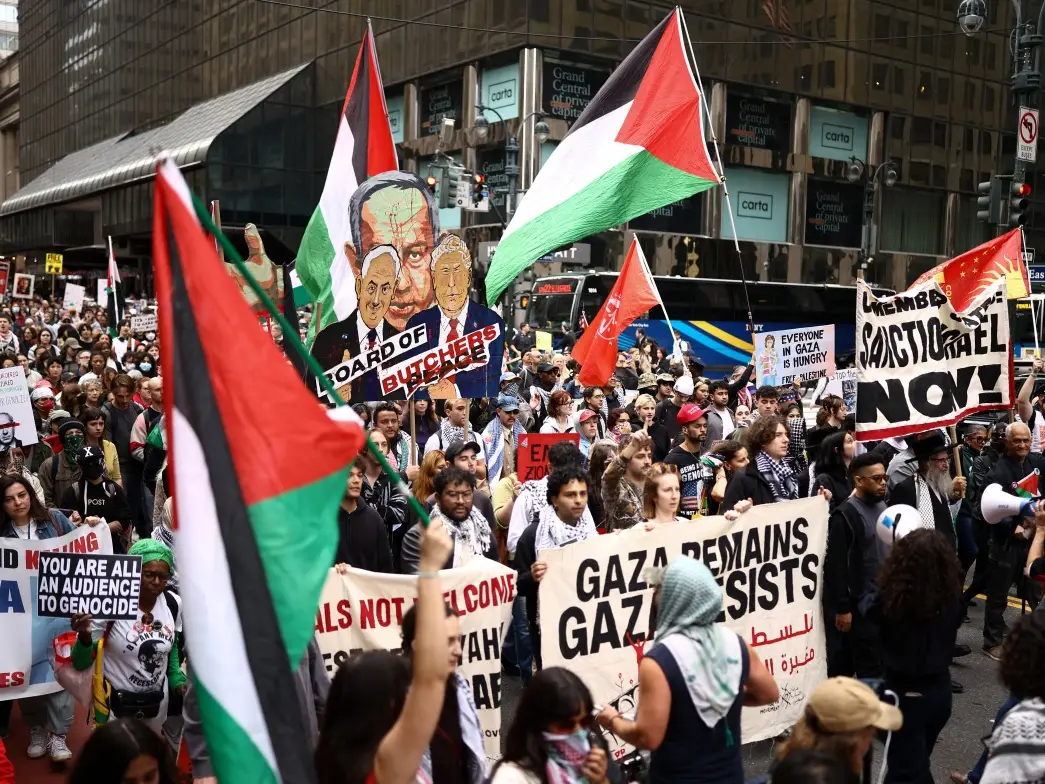
'Fund people, not bombs': Hundreds take to New York streets as Netanyahu delivers speech at UN; dozens arrested
)
'A terrorist country is asking me that question?': Jaishankar hits back at Pakistani journalist at UN; flags attacks on commercial shipping
)
Army chief reviews operational preparedness along LoC, visits mega eye camp in Tangdhar
&im=FitAndFill=(700,400))
‘Absolutely savage, sickening’: Zelensky slams Russia as daytime strikes kill 5 in Kyiv
)
‘Totally unacceptable’: Trump warns Xi over China’s support for Iran
On Saturday, pictures of Shanghai authorities erecting mesh barriers outside some residential buildings went viral, sparking fresh outcry over the nearly month-long lockdown.
The posts show white hazmat suit-clad workers sealing the entrances of these buildings.
“This is so disrespectful of the rights of the people inside, using metal barriers to enclose them like domestic animals,” says a Chinese netizen on social media platform Weibo.
While other videos show residents complaining about the lack of food and other essentials. A six-minute video titled “The Voice of April”, containing a montage of voices recorded over the course of the 28-day lockdown became a victim of censorship.
All direct references to the video were taken down by Weibo, however some comments have managed to evade it.
"I can only say that if you don't even want to listen to just a small amount of real voices, then it is really hopeless," said one.
While another mentioning Dr. Li Wenliang said "Dr. Li, after two years nothing has changed, we still can't open our mouths, still can't speak." Dr. Li Wenliang passed away two years ago; he was one of the doctors who was reprimanded by the Chinese authorities for sharing “false” information about this infectious disease in late 2019.
Adding to the woes was a horrifying video of big green bags stuffed with cats and dogs.
Watch: Bags full of cats and dogs seen in China as authorities kill pets of COVID positive owners
"People are committing suicide from their balconies and pets from people getting tested positive for #Covid are being collected to be killed and slaughtered in #Shanghai / #China This is pure evil!" said the caption accompanying the video on Twitter.
Furthermore, city residents were also ordered to ‘throw away food they received from the government after complaints about quality issues,’ according to Bloomberg. Some neighborhoods allegedly received ‘moldy braised duck and meatballs or issues with the packaging of food.’
On Thursday, the hashtag calling for probe was trending on Weibo after residents complained of stomachaches and diarrhoea after eating food they’d received on Wednesday.
This week, the Global Times reported that three officials of a funeral home in Shanghai had been punished for ‘refusing to provide funeral service with the excuse of epidemic prevention,’ taking the total number to at least 15.
On the other hand, the country’s capital Beijing has also kicked off a three-day mass testing as it reported 41 cases triggering panic buying.
China signs two important treaties
This week, China signed two treaties. One on the domestic front and one on the international.
At home, it ratified the much talked about treaties on forced labour amid rising criticism over its treatment of Uyghur minority group.
On Wednesday, China’s top legislative body decided to sign onto the Forced Labor Convention of 1930 and Abolition of Forced Labor Convention of 1957, according to website of the National People’s Congress.
The alleged ill-treatment of Uyghurs has also been a point of contention between China and the West.
Last year, USPresident Joe Biden signed the Uyghur Forced Labor Prevention Act, which bans imports of good from Xinjiang. China’s deal with the European Union was also paused after sanctions were imposed last year.
Beijing has always dismissed these claims and repeatedly called it “the biggest lie of the century.” On Monday, Foreign Ministry spokesman Zhao Lijian said, “those U. researchers’ conclusions are nothing but ill-intentioned smears against China.”
Treaty no. 2 which China signed this week was a security pact with the Solomon Islands.
On Tuesday, Beijing confirmed that it has signed the pact which would allow them to dock warships in the Pacific Islands.
Chinese Foreign Ministry spokesperson Wang Wenbin confirmed that Foreign Minister Wang Yi and his Solomon Islands counterpart, Jeremiah Manele had “officially signed the inter-governmental framework agreement on security cooperation between the two countries the other day.”
Neither of the nations published the details of the pact, but a draft which had circulated online in March alarmed the U.S. and Australia and drew objections from them.
For Washington and Canberra by allowing Beijing to dock military ships in Solomon Islands it could use the forces ‘to protect the safety of Chinese citizens and major projects,’ said the Wall Street Journal.
On Monday, before the signing of the document between the Solomon Islands and China, U.S. State Department spokesman Ned Price said that “such an agreement could increase destabilization within the Solomon Islands and will set a concerning precedent for the wider Pacific Island region.”
While Wang Wenbin suggested in his daily press conference that U.S. had neglected the Pacific archipelago. And the agreement relates to cooperation in maintaining social order, protecting citizens and property, providing humanitarian assistance, and boosting the national security of the pacific nation.
While Wang Wenbin clarified that the agreement “doesn’t target any third party”, Australia, which is one of the closest neighbours of the Islands also expressed deep disappointment.
“We are concerned about the lack of transparency with which this agreement has been developed, noting its potential to undermine stability in our region,” said Marise Payne, Australia’s minister for foreign affairs, and Zed Seselja, minister for the Pacific, in a joint statement. And that Australia was seeking further clarity on the matter.
China in world reportage
Taiwan TV Station mistakenly reports Chinese Attack
This week, Chinese Television Systems, a Taiwan government-backed news channel mistakenly reported a Chinese attack in Taipei.
On Wednesday, the channel ran the news in the ticker at the bottom of the screen that military ships and critical infrastructure near the capital had been struck by Chinese missiles.
The alerts included messages such as "a war could break out", a major train station in Taipei being set fire by "Chinese agents" and Taiwan's president declaring a state of emergency,’ reported Reuters. And items ‘such as “on the brink of war”, “vessel explodes in Taipei harbour, facilities and ships destroyed”, and “New Taipei City hit by PLA ground force missiles”, ’ reported the South China Morning Post.
The station issued an on-air apology, "Citizens, please don't be overly panicked. We hereby clarify the information and apologise," said the anchor during the 10 a.m. bulletin. And clarified that the alerts were meant for a drill with the Fire Department and had been mistakenly displayed due to a technical error.
This mistake has cost two senior managers their jobs, reported the South China Morning Post.