Chinese-American scientists under scrutiny in US as House panel releases new details of alleged research security breaches

&imwidth=600&imheight=450&format=webp&quality=medium "Chinese-American scientists under scrutiny in US as House panel releases new details of alleged research security breaches")
Image strictly for representative purpose only Photograph: (Others)
A US House panel recently released over 700 pages of records on researchers facing scrutiny over alleged China links. This is part of a larger effort to prevent US taxpayer-funded research from benefiting foreign countries
A US congressional panel recently released new details about some 30 foreign researchers and scientists, mostly Chinese-Americans, who are accused of having undisclosed links to China. The details about the investigations into these scientists, many of them working in premier institutions in the US, were released by the House Select Committee on the Chinese Communist Party, chaired by Republican Representative John Moolenaar. The committee's report, titled “How to Stop China’s Theft of Taxpayer-Funded Research”, contains more than 700 pages of previously undisclosed records from the National Science Foundation’s Office of Inspector General (NSF OIG). These include suspension and debarment recommendations, foreign employment and talent-recruitment documentation, financial records, and federal grant disclosures.
Research security concerns raised in the US over China links of academics
The report points to undisclosed foreign appointments or positions held by these academics at Chinese government-run institutions, as well as compensation received from them. The academics had participated in Chinese recruitment programmes. In several cases, there were conflicts of commitment and failures to disclose required information to US federal funding agencies, such as the NSF.
Criminal charges were not filed in most cases, although some researchers were referred for further investigation. A smaller number of cases resulted in prosecutions or convictions, some of which were later overturned.
Some of the listed academics left their university positions or the US. For some, funding was suspended, and in certain cases, debarment from receiving future federal funding was recommended.
Also read: SPY VS SPY: As Xi meets Trump, a 12-year history of US-China espionage accusations | WION Decodes
Trending Stories
&imwidth=280&imheight=210&format=webp&quality=medium)
&imwidth=280&imheight=210&format=webp&quality=medium)
&imwidth=280&imheight=210&format=webp&quality=medium)
&imwidth=280&imheight=210&format=webp&quality=medium)
&imwidth=280&imheight=210&format=webp&quality=medium)
&imwidth=280&imheight=210&format=webp&quality=medium)
&imwidth=280&imheight=210&format=webp&quality=medium)
&imwidth=280&imheight=210&format=webp&quality=medium)
&imwidth=280&imheight=210&format=webp&quality=medium)
&imwidth=280&imheight=210&format=webp&quality=medium)
&imwidth=280&imheight=210&format=webp&quality=medium)
&imwidth=280&imheight=210&format=webp&quality=medium)
&imwidth=280&imheight=210&format=webp&quality=medium)
&imwidth=280&imheight=210&format=webp&quality=medium)
&imwidth=280&imheight=210&format=webp&quality=medium)
&imwidth=280&imheight=210&format=webp&quality=medium)
&imwidth=280&imheight=210&format=webp&quality=medium)
&imwidth=280&imheight=210&format=webp&quality=medium)
&imwidth=280&imheight=210&format=webp&quality=medium)
&imwidth=280&imheight=210&format=webp&quality=medium)
&imwidth=280&imheight=210&format=webp&quality=medium)
&imwidth=280&imheight=210&format=webp&quality=medium)
&im=FitAndFill=(700,400)&imwidth=280&imheight=210&format=webp&quality=medium)
&imwidth=280&imheight=210&format=webp&quality=medium)
&imwidth=280&imheight=210&format=webp&quality=medium)
&im=FitAndFill=(700,400)&imwidth=280&imheight=210&format=webp&quality=medium)
&imwidth=280&imheight=210&format=webp&quality=medium)
&imwidth=280&imheight=210&format=webp&quality=medium)
&imwidth=280&imheight=210&format=webp&quality=medium)
&imwidth=280&imheight=210&format=webp&quality=medium)
&imwidth=280&imheight=210&format=webp&quality=medium)
&imwidth=280&imheight=210&format=webp&quality=medium)

&imwidth=280&imheight=210&format=webp&quality=medium)
&imwidth=280&imheight=210&format=webp&quality=medium)
&imwidth=280&imheight=210&format=webp&quality=medium)
&imwidth=280&imheight=210&format=webp&quality=medium)
&imwidth=280&imheight=210&format=webp&quality=medium)
A push for the SIRA Act to prevent tech or intellectual property transfers
The release of these details appears aimed at building support for the passage of the Securing Innovation and Research from Adversaries (SIRA) Act, which Moolenaar has been advocating. The proposed legislation aims to establish government-wide restrictions on federally funded research collaborations involving entities on US government restricted lists.
It also recommends stronger post-award monitoring, uniform research security standards across federal agencies, robust safeguards at universities, and greater use of suspension and debarment measures.
The SIRA Act is being presented as a way to protect taxpayer-funded research and national security from undisclosed foreign affiliations and technology risks.
US increases scrutiny of people with links to China
The move is part of a broader effort to address concerns over research security and potential technology transfers to US adversaries such as China.
It comes amid other cases involving individuals accused of acting as agents of foreign governments, particularly China.
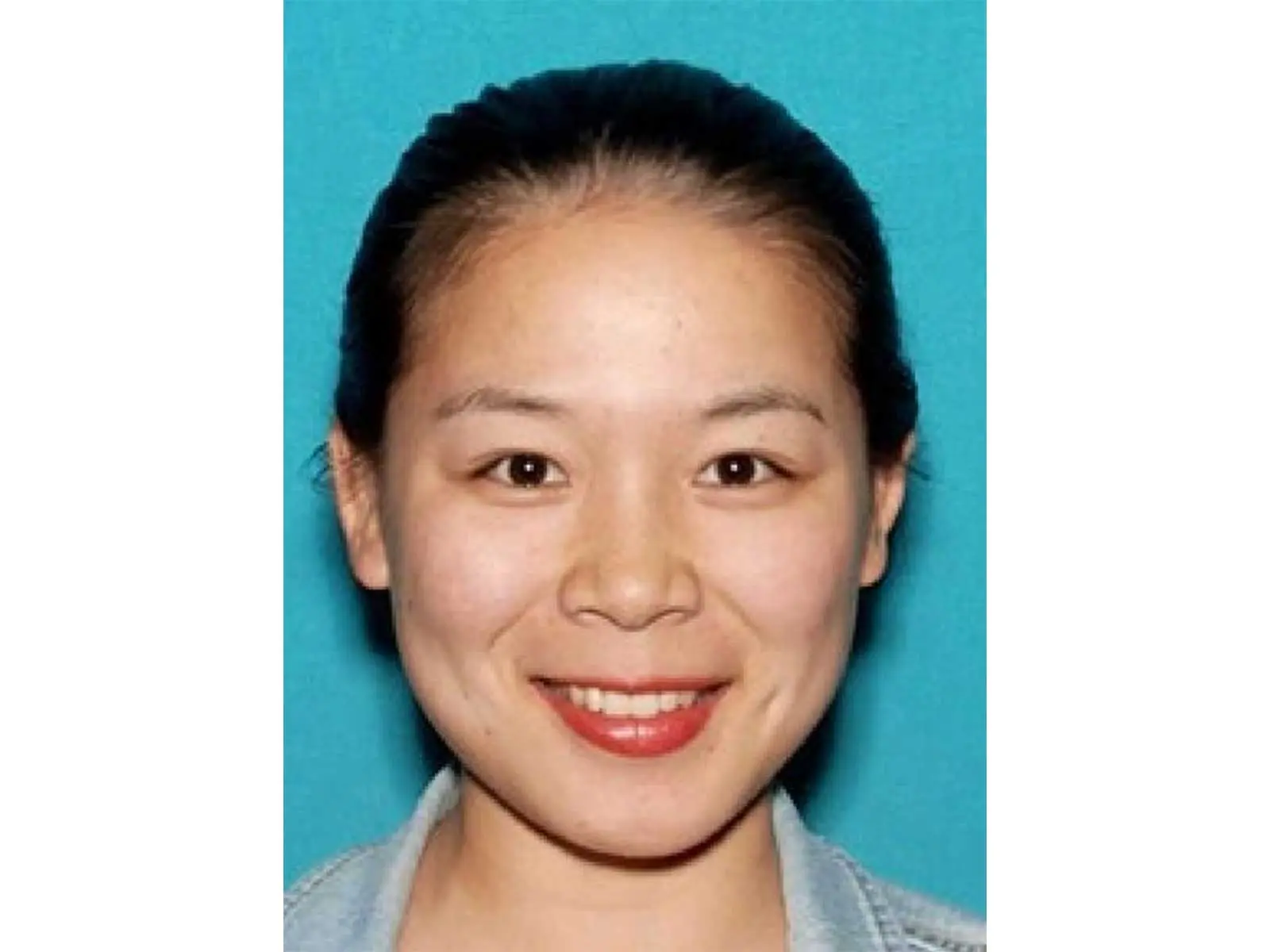
Earlier this month, real estate agent Wanying “Heather” Zhang was arrested on allegations of acting as an unregistered agent of the Chinese government and conducting surveillance on a high-ranking Taiwanese government. According to the US Department of Justice, Zhang was accused of surveilling the official's family members of the official in the US.