China's internet regulator releases list of approved suppliers of deep fake technology


China's internet regulator releases list of approved suppliers of deep fake technology
In line with China's plan to regulate the fast-evolving deep fake technology, the internet regulator in the country has released its first line of approved suppliers.
As per the South China Morning Post report, the white list, that was released by the Cyber Administration of China (CAC) on Tuesday, included names of the owners of 41 algorithms, including major tech giants Tencent, Baidu and Alibaba.
The algorithms were filed in adherence to the Administrative Provisions on Deep Synthesis for Internet Information Service, which came into effect in the month of January this year.

China's deep synthesis rules
The Administrative Provisions on Deep Synthesis for Internet Information Service took effect on January 10. It controls deepfake technology and services including video, audio, text and images generated by artificial intelligence-based models.
As per the law, deep synthesis providers have to abide by the local laws and respect ethics, and maintain the “correct political direction and correct public opinion orientation”.
)
US Supreme Court backs Trump administration's use of SAVE database to check voter citizenship
)
Beijing to Washington! Ivanka Trump makes a style statement in Chinese designer Guo Pei for President Xi Jinping’s White House welcome
)
Outrage erupts after 3-year-old is married to 60-year-old man in Pakistan, link to her sister's murder being probed
)
‘Not just a local tragedy’: Nepal PM Shah warns UN of growing climate threat, says Nepal floods were 'a warning to the world'
)
Pakistan deploys over 20,000 security personnel as PTI vows march for Imran Khan's release
)
India-New Zealand FTA is ‘an expression of trust’, NZ High Commissioner Patrick John Rata says
)
OpenAI AI Agents hacked 4 websites before Hugging Face, researchers reveal
)
Pentagon quietly adds 37 wounded troops to Iran war tally without explaining when or how
&im=FitAndFill=(700,400))
New Friday OTT releases (September 25, 2026): Don’t Be Shy, Hunkkaar: The Roar, Mango Pachcha- 6 movies and TV shows on Netflix, Prime Video and more
)
Watch: PM Modi joins Bhajan Clubbing event in Delhi on Deendayal Upadhyaya's birth anniversary
)
‘Attack on Mecca a red line for Pakistan’: Shehbaz Sharif warns Houthis at UN
)
Tesla is preparing something big for Optimus: new Gen 3 models surface in app
)
Bias or safety concerns? Bengaluru CEO says firm will not hire men from UP, Bihar, Rajasthan, MP. Here's why
)
Nigeria Navy moves to boost oil security, tackle crude theft and infrastructure threats
)
Scientists detect first radio signals directly from faraway planet
)
‘It is all possible’: Putin weighs next steps on Ukraine talks, rules out Europe conflict
)
Saudi Arabia, Turkey and Pakistan to hold urgent military talks amid intensifying Houthi attacks
)
Ex-Liverpool forward Mohamed Salah banned from driving in United Kingdom for six months
)
10,000 gather in support of 87-year-old forcefully evicted from home of 71 years
)
Meet Adrian Abraham: 9-year-old Indian-origin guitar prodigy aiming for a Guinness World Record
)
Trump rejects Iran's 7-day ceasefire proposal as US weighs renewed bombing after midterms: Report
)
Red Sea crisis: Houthis promise not to target European ships; UNSC condemns Saudi attacks
)
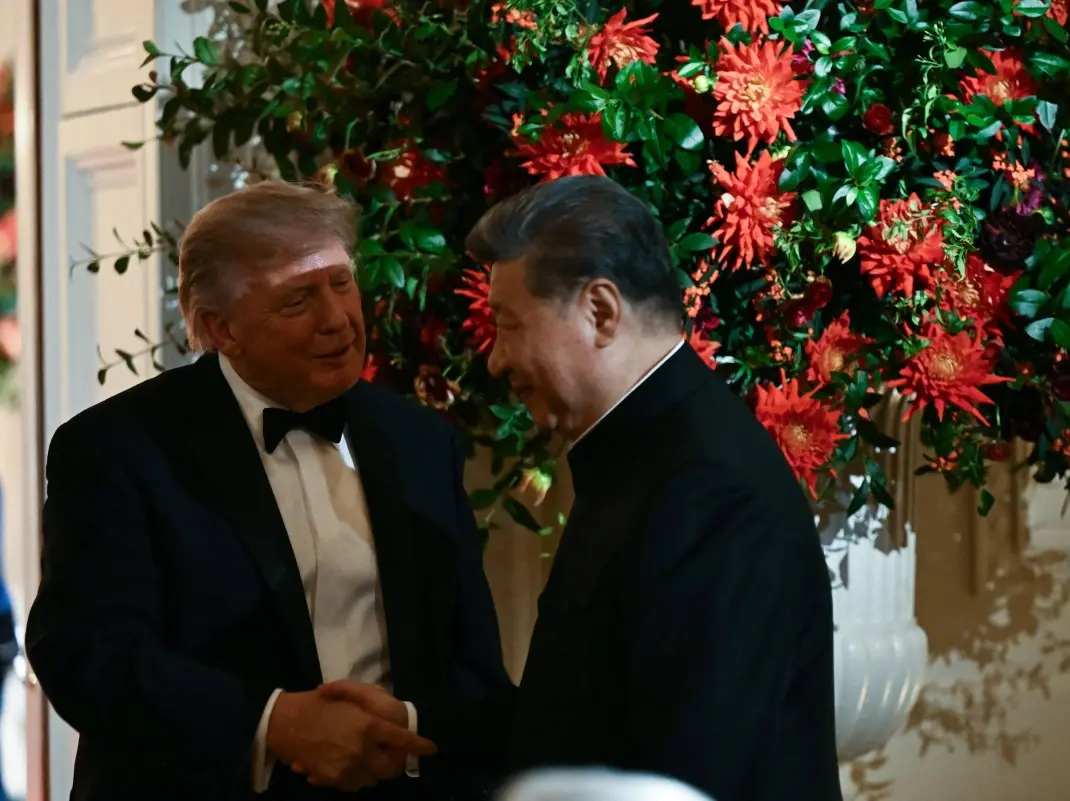
Trump-Xi summit wrap: Big pageantry, Iran talks, few major developments and more meetings planned
)
'Making history': Xi Jinping praises Trump as US-China leaders dine at White House
)
'We do not wish to continue. It's America that must choose': Iran president Pezeshkian calls on US to end war
)
Exclusive | 'We always want to improve': Suruchi, Kamaljeet after winning Asian Games gold
)
Bollywood mourns Mushtaq Khan: Sunny Deol, Rajpal Yadav and others pay tribute
)
Myanmar training camp case: US national, 6 Ukrainians allowed to meet their families abroad
)
'FIRST LOOK from inside Noah’s Ark': Researchers share video from inside mysterious mound in Turkey
)
Cindy Crawford’s son Presley Gerber cremated as death probe continues
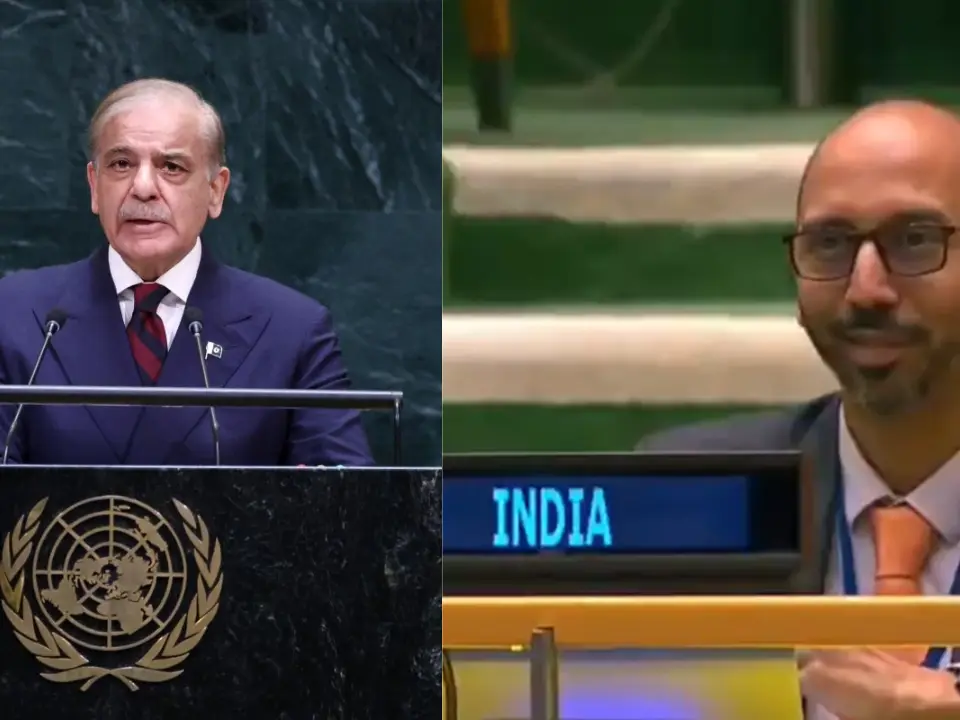)
WATCH | As Shehbaz Sharif claims Pakistan’s ‘victory’ during 2025 conflict, Indian diplomat R Srinivas laughs at UN
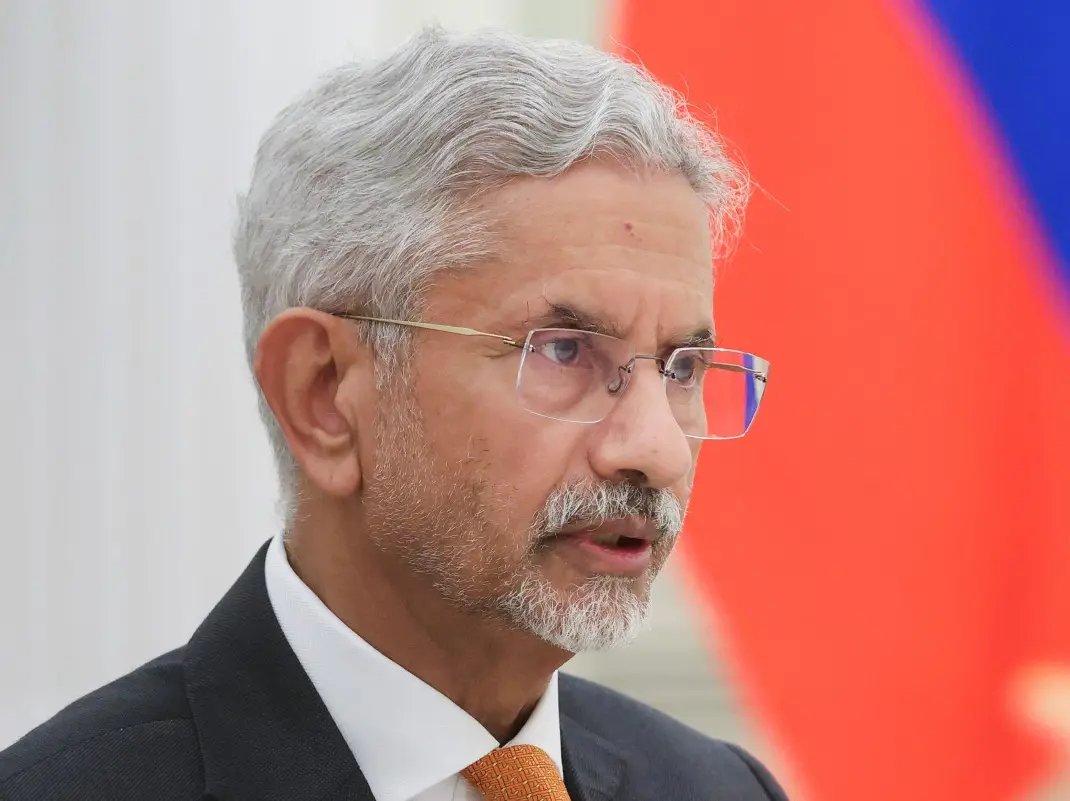)
'A terrorist country is asking me that question?': Jaishankar hits back at Pakistani journalist at UN; flags attacks on commercial shipping
)
Army chief reviews operational preparedness along LoC, visits mega eye camp in Tangdhar
&im=FitAndFill=(700,400))
‘Absolutely savage, sickening’: Zelensky slams Russia as daytime strikes kill 5 in Kyiv
)
US court backs Pentagon's decision to exclude Anthropic over Claude AI restrictions
The regulation by CAC also urged deep fake providers to register as early as possible.
As per the list, the organisations that have already filed are in the business of generating images from text, editing images/videos from the ones uploaded by clients and intelligent customer service.
Also read:German tabloid embraces AI revolution: Bild to replace editorial jobs with artificial intelligence
According to the CAC, Beijing introduced the laws to constrict surveillance on the management of deep fake service, to promote “core socialist values”, protect national security and public interest and safeguard the rights of citizens and companies.
First arrest after regulation of deep fake technology
The Gansu public security department arrested Hong under charges of “picking quarrels and provoking trouble.” The charges carry a maximum sentence of five years in jail but can be extended to 10 years in extreme cases.
China’s quest to control AI chatbots
In February, it was reported that China has blocked ChatGPT in the country to make sure content critical of the Chinese Community Party doesn’t reach Chinese users. However, Chinese users are increasingly relying on a VPN connection to access the AI chatbot.
Now, Chinese companies are coming up with their own versions of ChatGPT in conformity with Chinese standards. China’s top internet regulator has already warned that the advancement of AI technology can make it more difficult for the authorities to differentiate deepfake content from the original one, and can lead to scams and defamation.
(With inputs from agencies)
WATCH WION LIVE HERE