Ceuta migrant crisis: Meta, TikTok agree to fact-check border content after nearly 100 deaths

&imwidth=600&imheight=450&format=webp&quality=medium "Ceuta migrant crisis: Meta, TikTok agree to fact-check border content after nearly 100 deaths")
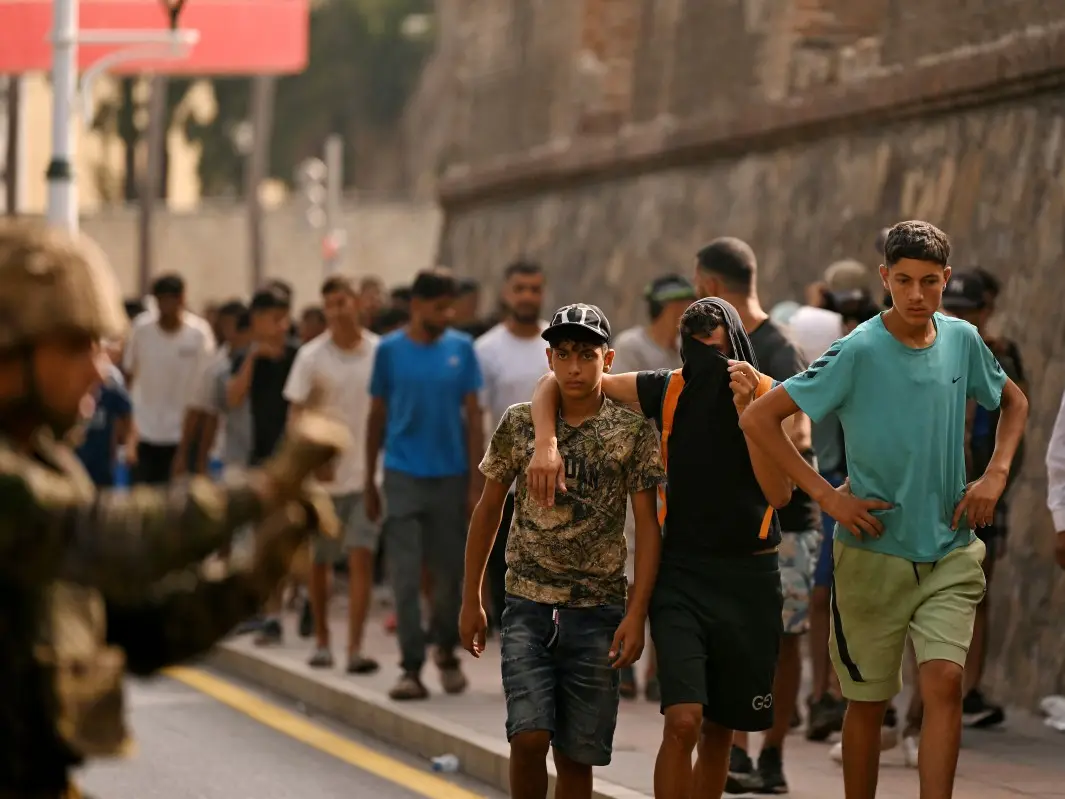
A Spanish soldier monitors a group of migrants on their way back towards the Moroccan border, following their illegal crossing into the Spanish enclave of Ceuta, on August 1, 2026. Photograph: (AFP)
Meta and TikTok will fact-check Spain border content after a deadly Ceuta migrant rush, as the EU targets misinformation and criminal networks
Meta and TikTok have agreed to strengthen fact-checking of content related to migrant crossings into Spain following a massive rush to enter the Spanish enclave of Ceuta from Morocco late last month, European Union tech chief Henna Virkkunen said. The move comes after a surge in migration-related content online, including viral videos that encouraged would-be migrants to attempt the dangerous crossing.
Virkkunen said the purpose of the new measures is to prevent criminal networks from using false information to lure potential migrants into attempting to cross the border, a phenomenon that has previously resulted in deaths. Meta and TikTok agreed with the European Union to establish an "ad-hoc escalation and cooperation mechanism with fact-checkers" under crisis protocols, according to Virkkunen's post on X.
The European Commission and Europol, the European Union's pan-European police force, are now discussing the situation with the two social media companies on a daily basis, the post said. Virkkunen also held discussions with Spanish Digital Economy Minister Oscar Lopez on measures to prevent dangerous border crossings and reduce the loss of life.
More than 70,000 migrants rushed towards Ceuta
More than 70,000 would-be migrants reportedly flooded towards Ceuta in a mass rush on July 30. The incident resulted in nearly 100 deaths, highlighting the dangers faced by migrants attempting to reach the Spanish territory from Morocco. Officials have been increasingly concerned about the role of social media in encouraging such attempts, particularly when misleading information or videos create the impression that entering Ceuta is easier or safer than it actually is.
A handful of viral videos reportedly encouraged would-be migrants to make the attempt. One of the videos was posted by a Spanish news outlet as part of coverage intended to highlight the pressure caused by migration. The spread of such material has raised concerns that content created for news or informational purposes can potentially be misinterpreted or exploited by criminal networks seeking to organise or encourage migration attempts.
Trending Stories
)
)
)
)
)
)
)
)
)
)
)
)
)
)
)
)
)
)
)
)
)
)
)
)
)
)
)
)
)
)
)
)
)
)
)
)
)
EU steps up pressure on social media platforms
The agreement with Meta and TikTok represents a broader effort by European authorities to respond quickly when online content contributes to a migration crisis. Under the new crisis mechanism, fact-checkers will be able to escalate potentially harmful or misleading content and coordinate with the platforms more rapidly.
The European Commission and Europol are expected to continue monitoring developments and communicating with Meta and TikTok as the situation evolves. The focus is particularly on content that could provide false information about border conditions, crossing routes or the likelihood of successfully entering Spanish territory. The EU has previously placed increasing pressure on major technology platforms to address illegal content, disinformation and risks associated with their services.
Social media's role under scrutiny
The Ceuta incident has renewed debate over whether social media platforms can inadvertently facilitate dangerous migration attempts.
Videos can quickly reach large audiences and may be shared without context, allowing false claims about border security or crossing conditions to spread.
EU officials are particularly concerned about criminal networks exploiting these platforms to distribute misleading information and encourage people to undertake dangerous journeys.
The new fact-checking arrangement with Meta and TikTok is intended to enable authorities and platforms to react more quickly during similar crises.
For European officials, the immediate priority is to prevent misinformation from contributing to further mass crossings and avoidable deaths.

