Britain redefines 'extremism' in the face of rising hate crimes, critics call it a threat to free speech


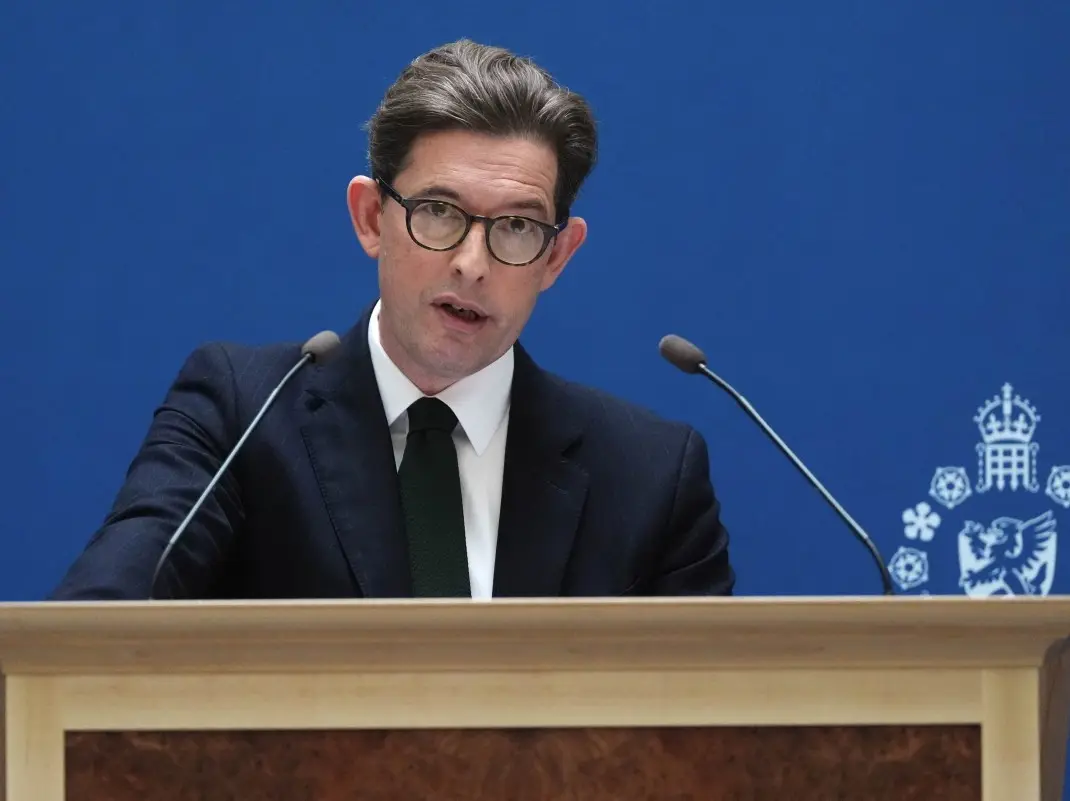
Michael Gove
Britain on Wednesday (Mar 13) came up with a new definition of extremism, aiming to address a surge in hate crimes against Jews and Muslims following the Oct 7 Hamas attackon Israel.
Extremism's new definition
As per the UK's new definition of extremism, it "is the promotion or advancement of an ideology based on violence, hatred, or intolerance", that aims to negate or destroy the fundamental rights and freedoms of others; or undermine, overturn or replace the UK’s system of liberal parliamentary democracy and democratic rights; or intentionally create a permissive environment for others to achieve those results.

Also read |'Vile' abuse and hate forces UK's first 'anti-Muslim hatred tsar' to quit before taking office
"This new definition helps clearly articulate how extremism is evidenced through the public behaviour of extremists that advance their violent, hateful or intolerant aims," reads the UK government website.
Tackling extremism
&imwidth=180&imheight=135&format=webp&quality=medium)
Cornell University suspends fraternity parties over 2024 gang rape allegations
&imwidth=180&imheight=135&format=webp&quality=medium)
'Don't ever mess with nature!': Trump’s tiger attack post triggers social media backlash as victim's family issues heartbreaking tribute
&im=FitAndFill=(700,400)&imwidth=180&imheight=135&format=webp&quality=medium)
Navratri 2026: 9 days, 9 forms of Goddess Durga and 9 colours- Check the complete list
&imwidth=180&imheight=135&format=webp&quality=medium)
MI5 chief warns Russia is UK’s ‘aggressor number one’ as Iran and AI threats grow
&imwidth=180&imheight=135&format=webp&quality=medium)
UK school ditches technology, shifts from screen to pen and paper for learning
&imwidth=180&imheight=135&format=webp&quality=medium)
Sidhu Moose Wala’s younger brother wins hearts by recreating late singer’s signature move at Toronto Hologram Show
&im=FitAndFill=(700,400)&imwidth=180&imheight=135&format=webp&quality=medium)
IMF World Economic Outlook: 10 economies to watch for growth in FY27 and FY28 - Where does India stand?
&imwidth=180&imheight=135&format=webp&quality=medium)
Blasts heard in Sanaa as Saudi-led coalition warns civilians to evacuate; Houthis vow retaliation
&imwidth=180&imheight=135&format=webp&quality=medium)
UEFA Champions League: Atletico Madrid sink Manchester United as Viking FK hold Bayern Munich to 3-3 draw
&imwidth=180&imheight=135&format=webp&quality=medium)
Robot gropes girl, makes thrusting movements in bizarre crime in Germany
&imwidth=180&imheight=135&format=webp&quality=medium)
1,500 drones illuminate Mumbai sky as Cordelia Cruises unveils second ship, Cordelia Sky
&imwidth=180&imheight=135&format=webp&quality=medium)
Measles kills again: 6 dead in Pennsylvania as America faces its worst outbreak in decades | Gravitas
&imwidth=180&imheight=135&format=webp&quality=medium)
Girl 'dead' for 8 hours wakes up at her own funeral, dad insists she wasn't breathing
&imwidth=180&imheight=135&format=webp&quality=medium)
Is the AI chip boom already over? Global semiconductor stocks slide as investors question unbridled spending
&imwidth=180&imheight=135&format=webp&quality=medium)
Anupam Kher joins Ranbir Kapoor's Ramayana as Jatayu, new poster unveiled
&imwidth=180&imheight=135&format=webp&quality=medium)
CMs Vijay-Naidu meet in Vijayawada, discuss water sharing, river-linking
&imwidth=180&imheight=135&format=webp&quality=medium)
New Delhi rejects Beijing’s claims and remarks on Ladakh location naming exercise
&imwidth=180&imheight=135&format=webp&quality=medium)
Trump reconsidering calling off Nidal Hasan's execution livestream. Here's why
&im=FitAndFill=(700,400)&imwidth=180&imheight=135&format=webp&quality=medium)
New OTT releases this week (October 12-18, 2026): Sacrifice, Koffee with Karan S9, Roadies Rebirth- 6 titles coming on Netflix, JioHotstar and more
&imwidth=180&imheight=135&format=webp&quality=medium)
Suicidal man survives jump from 11th floor in Japan, could now be tried for murder
&imwidth=180&imheight=135&format=webp&quality=medium)
France accuses Musk of ‘online harassment’ of European leaders, warns of poll interference
&imwidth=180&imheight=135&format=webp&quality=medium)
OpenAI employee arrested by FBI after allegedly hiding recording device in office
&imwidth=180&imheight=135&format=webp&quality=medium)
Ken Paxton's Dubai night out with two US fugitives sparks political storm as Texas Senate race tightens
&imwidth=180&imheight=135&format=webp&quality=medium)
Pope Leo XIV diagnosed with lung cancer after surgery, Vatican says 'successful surgery and recovering'
&imwidth=180&imheight=135&format=webp&quality=medium)
Trump accuses Houthis of driving up oil prices before US midterms, warns of consequences
&imwidth=180&imheight=135&format=webp&quality=medium)
China's counter-surveillance industry booms amid heightened espionage fears | Gravitas
&imwidth=180&imheight=135&format=webp&quality=medium)
'Ouch!!! That must hurt': Kangana Ranaut hails Kamal Haasan's sharp reply to Elon Musk over Starlink row
&imwidth=180&imheight=135&format=webp&quality=medium)
US Midterms 2026: In Alaska, cost-of-living anxiety meets strangest ballot in high-stakes Senate race
&imwidth=180&imheight=135&format=webp&quality=medium)
Mundhe: Fight against unsafe food goes on
&imwidth=180&imheight=135&format=webp&quality=medium)
‘My president, I mean my husband’: Trump's new press secretary Katie Zacharia's first briefing goes off the rails in 14 minutes
&imwidth=180&imheight=135&format=webp&quality=medium)
Marco Rubio to visit India next week, focus on energy cooperation and strategic ties
&imwidth=180&imheight=135&format=webp&quality=medium)
'Turn approver, resign, we'll forgive you': Rahul Gandhi claims receiving messages from CEC Gyanesh Kumar
&imwidth=180&imheight=135&format=webp&quality=medium)
Pakistan to chair UN-backed global Borrowers’ Platform as its own debt burden mounts, triggers sarcastic reactions on social media
&imwidth=180&imheight=135&format=webp&quality=medium)
Delhi Police arrest Cockroach Janta Party's Saurav Das, Ashutosh Ranka, Ajinkya Shinde in Jantar Mantar case, to be produced before court
&imwidth=180&imheight=135&format=webp&quality=medium)
Saudi Arabia strikes Yemen oil sites as Houthi missiles target Riyadh; 'limited fire' breaks out at Aramco
&imwidth=180&imheight=135&format=webp&quality=medium)
L Murugan resigns as Union Minister, expresses wish to return to grassroots
Michael Gove, the communities minister who heads the department that is behind the new definition, said: "Today's measures will ensure that government does not inadvertently provide a platform to those setting out to subvert democracy and deny other people's fundamental rights."
"This is the first in a series of measures to tackle extremism and protect our democracy," he added.
Also read |UN report finds Israel's killing of journalist in Lebanon a clear violation of international law
Britain already proscribes groups involved in terrorism, and that membershipor support for such organisations constitutes a criminal offence.
Groups identified as extremist through a "robust" assessment in the coming weeks will be denied government funding or engagement opportunities.
Critics warn against it
Critics, including Archbishop of Canterbury Justin Welby, as per Reuters, have cautioned that the new definition could potentially encroach on freedom of speech.
Archbishop Welby said, "The problem with a top-down definition of extremism is that it catches people who (we) don't want to catch."
"It may accidentally inhibit what we have very preciously in this country, an extraordinarily robust freedom of speech and ability to disagree strongly," he added in a conversation with BBC radio on Wednesday, before the release of the definition.
Furthermore, more than 50 survivors or relatives of victims of Islamist attacks in Britain have criticised politicians for "equating being Muslim with being an extremist".They've signed a letter alleging that this rhetoric inadvertently plays into the hands of militants.
Extremism in Britain
This comes as British Prime Minister Rishi Sunak had previously warned that the nation's multi-ethnic democracy was under deliberate threat from both Islamist and far-right extremists.
According to the Community Security Trust, a Jewish safety watchdog, driven by the Oct 7 attacks, antisemitic incidents in the UK surged by 147 per cent in 2023, reaching record levels.
Tell Mama, a group monitoring anti-Muslim incidents, also reported a 335 per cent increase in anti-Muslim hate crimes since the attacks.
(With inputs from agencies)

