Brent crude crosses $90 mark for first time in nearly two years as Middle East war jolts markets

&imwidth=600&imheight=450&format=webp&quality=medium "Brent crude crosses $90 mark for first time in nearly two years as Middle East war jolts markets")
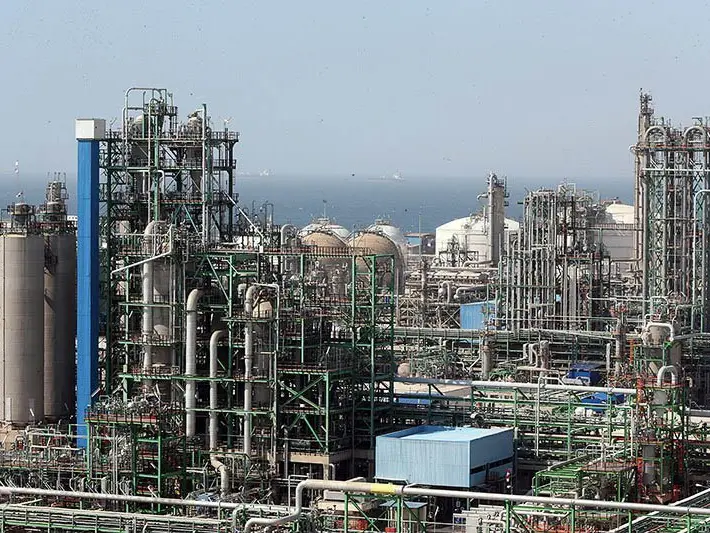
For representative purpose only Photograph: (Wikimedia Commons)
Oil prices surged above $90 as Middle East conflict and attacks on Iraqi oilfields raised supply fears, while weak US jobs data pushed global stocks lower
Global oil prices surged on Friday (March 6), pushing the international benchmark Brent crude above the $90-per-barrel level for the first time in nearly two years, as escalating conflict in the Middle East raised fears of supply disruptions and wider economic fallout. The sharp rise came as attacks targeted oil fields in Iraq and tensions deepened in the ongoing war involving the United States, Israel and Iran. At the same time, fresh economic data from the United States showing an unexpected decline in employment weighed on global stock markets.
Brent crude climbed more than six per cent at one point to $91.89 per barrel, while US benchmark West Texas Intermediate (WTI) jumped over 11 per cent to trade above $90. The surge follows growing concerns that the conflict could drag on after US President Donald Trump demanded Iran’s “unconditional surrender,” a stance analysts say reduced expectations of a quick diplomatic resolution. The war and retaliatory attacks across the Gulf region have already disrupted energy and shipping routes. Maritime traffic through the Strait of Hormuz, a critical chokepoint through which roughly one-fifth of the world’s crude oil and liquefied natural gas passes, has dropped sharply as shipping companies avoid the region.
Oil prices have climbed dramatically over the past week, with Brent gaining more than 25 per cent and WTI rising by roughly one-third. Market analysts warn that prolonged disruptions to energy infrastructure or shipping lanes could push prices even higher and create serious consequences for the global economy. Concerns also intensified after reports that attacks struck oil facilities in southern Iraq and the autonomous Kurdistan region, forcing a US-operated oil field to halt production.
While the United States has pledged to protect commercial vessels in the Strait of Hormuz, many shipping companies remain cautious. US Energy Secretary Chris Wright said the US Navy was preparing to escort ships through the vital waterway when conditions allow. Iranian state television also reported a drone strike on a vessel in the Strait of Hormuz on Friday, which triggered a fire aboard the ship.
The spike in energy prices is raising fears of renewed inflation globally. Higher oil costs could limit the ability of central banks to cut interest rates in order to support economic growth. Meanwhile, economic data from the United States added to market uncertainty. The Labor Department reported that the economy lost 92,000 jobs in February, reversing the revised gain of 126,000 jobs recorded in January. Unemployment also ticked higher.
Trending Stories
)
)
)
)
)
)
)
&im=FitAndFill=(700,400))
)
)
)
)
)
)
&im=FitAndFill=(700,400))
)
)
)
)
)
&im=FitAndFill=(700,400))
)
)
)
)
)
)
)
)
)
)
)
)
)
)
)
)
)
)
Additional data showed US retail sales slipped 0.2 percent in January, signaling weakening consumer demand.
Although slowing economic data can increase expectations for interest rate cuts by the Federal Reserve, analysts say the situation is complicated by rising wages and surging energy prices. As a result, markets are now betting the Fed will delay any interest rate cuts until September rather than June. Global stock markets reacted negatively. Major indices on Wall Street fell more than one per cent in late morning trading, while European markets closed the day with losses of around one per cent.
Disclaimer: WION takes utmost care to accurately and responsibly report ongoing conflicts in West Asia involving Israel, Iran, US, Gulf nations and non-state actors like Hezbollah, Hamas, Houthis, Islamic State, and others. Claims and counterclaims, disinformation and misinformation are being made online and offline. Given this context, WION cannot independently verify the authenticity of all statements, social media posts, photos and videos.

