Beijing’s top govt advisor asks Christian community groups to align beliefs with Chinese culture

Chinese Christians
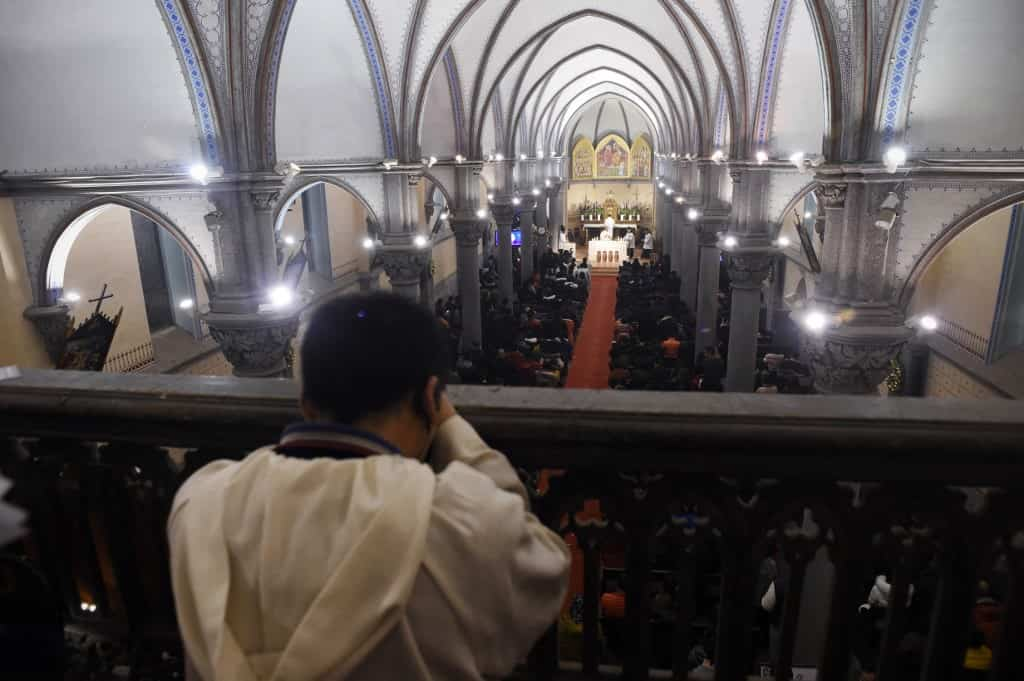
In a bid to sinicise Christian festivities and tighten control over organised religion, Beijing’s top political adviser Wang Huning has asked the Chinese Christian groups to ensure “strict” management of religious affairs.
While meeting with Protestant religious leaders during their once in five years national congress in Beijing last week, Wang asked the groups to guide Protestant figures and believers to be patriotic and enhance their identification with the nation, Chinese culture, the party, and socialism with Chinese characteristics, Xinhua reported on Sunday.
The call from Wang came days after the 11th National Chinese Christian Congress, held over Wednesday and Thursday, elected new leaders for the two state-sanctioned Protestant groups in the country.

'Sinicisation of Christianity'
He said that Christian groups “should adhere to the direction of Sinicisation of Christianity” and “interpret the doctrines that conform to the development and progress requirements of contemporary China, thecore values of socialismand the excellent traditional Chinese culture”.
He also urged them to “adhere to comprehensive and strict governance of religions, and carry out religious activities in accordance with laws and regulations”.
&imwidth=180&imheight=135&format=webp&quality=medium)
Premier League: Haaland wants Manchester City to 'try to enjoy the situation and win the game'
&imwidth=180&imheight=135&format=webp&quality=medium)
'Nidal Hasan's firing-squad execution to be livestreamed', says Pentagon; first US military execution since 1961
&imwidth=180&imheight=135&format=webp&quality=medium)
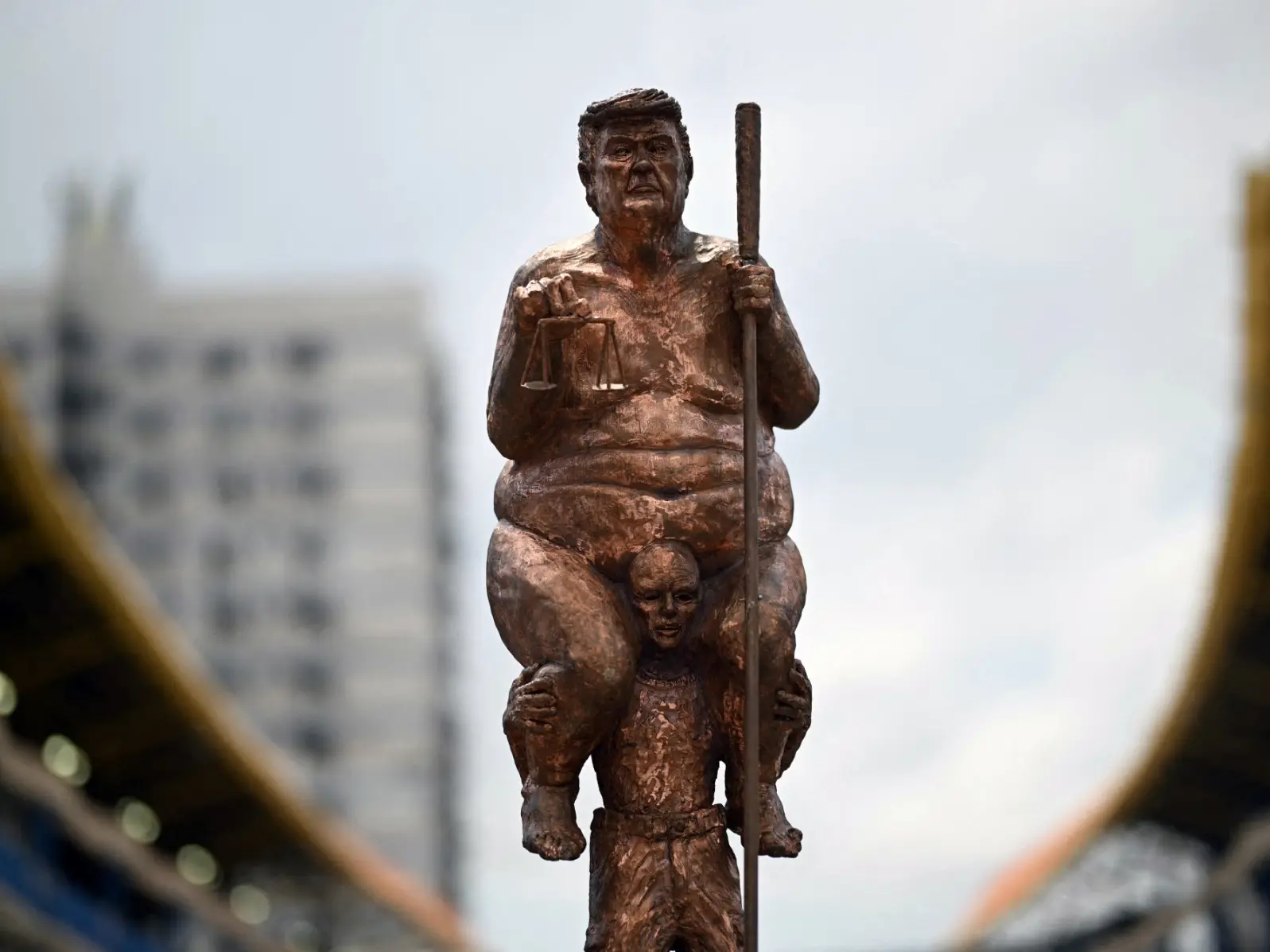
Trump's naked 23-karat gold statue unveiled near European Parliament
&imwidth=180&imheight=135&format=webp&quality=medium)
‘Never-ending flow of cheap labour’: JD Vance hits back at Indian-origin Congresswoman over US green card curbs for major tech companies
&imwidth=180&imheight=135&format=webp&quality=medium)
Thai Actors Fourth Nattawat, Gemini Norawit face racism accusations from Indian fans over viral Bollywood act
&imwidth=180&imheight=135&format=webp&quality=medium)
Nigeria govt rolls out 30-day NNPC petrol discount, insists it is not a subsidy
&im=FitAndFill=(700,400)&imwidth=180&imheight=135&format=webp&quality=medium)
Fastest-growing Asian economies in 2026: Who tops the chart? Where does India rank?
&imwidth=180&imheight=135&format=webp&quality=medium)
A Love Other Than Yours: The temptation to cheat and what pushes people over the edge
&imwidth=180&imheight=135&format=webp&quality=medium)
Russia president Putin promises to 'do everything' to help settle Middle East conflict as US-Iran negotiations stall
&imwidth=180&imheight=135&format=webp&quality=medium)
‘Wait till you discover the other guy’: Rahul Gandhi takes a swipe as Musk's 'Ambani real boss of India' remark triggers X subscription cancellations
&imwidth=180&imheight=135&format=webp&quality=medium)
BTS agency HYBE announces first-ever Weverse Con Festival in India
&imwidth=180&imheight=135&format=webp&quality=medium)
Trump has a new 'enemy': Anyone who calls it 'artificial intelligence'. Here's what we wants instead
&imwidth=180&imheight=135&format=webp&quality=medium)
India at UN: Pak allows terror groups to operate from its soil
&imwidth=180&imheight=135&format=webp&quality=medium)
Air India, Air India Express increase fuel surcharge on domestic, international flights amid rising ATF costs
&imwidth=180&imheight=135&format=webp&quality=medium)
'Something truly catastrophic will happen': Former OpenAI researchers sound the alarm, claim they were fired for prioritising AI safety
&imwidth=180&imheight=135&format=webp&quality=medium)
Scientists find highly radioactive nuclear particles at Chernobyl 40 years after the disaster
&im=FitAndFill=(700,400)&imwidth=180&imheight=135&format=webp&quality=medium)
From Kramatorsk buses to Yandex fire: Russia-Ukraine war in the last 48 hours
&imwidth=180&imheight=135&format=webp&quality=medium)
Pakistan denies reports of PAF jets being used in attacks against Iran-backed Houthis in Yemen
&imwidth=180&imheight=135&format=webp&quality=medium)
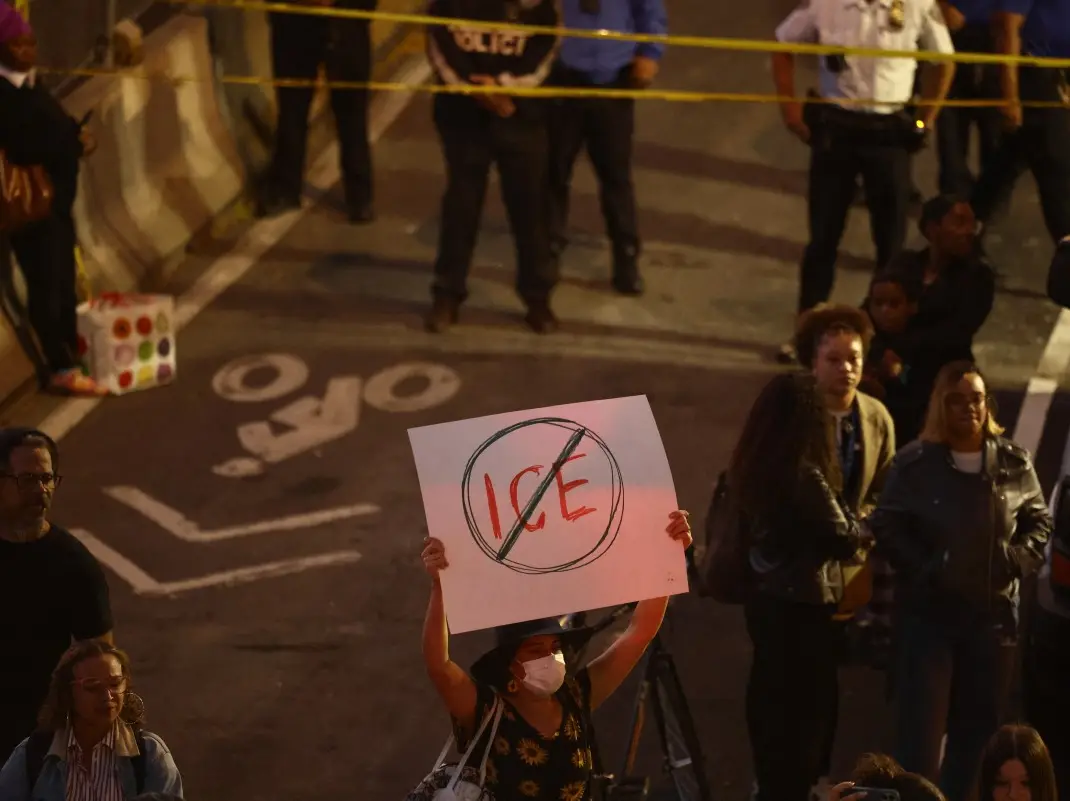
New York ICE shooting sparks protests as Mamdani to call on Trump to halt ICE operations
&imwidth=180&imheight=135&format=webp&quality=medium)
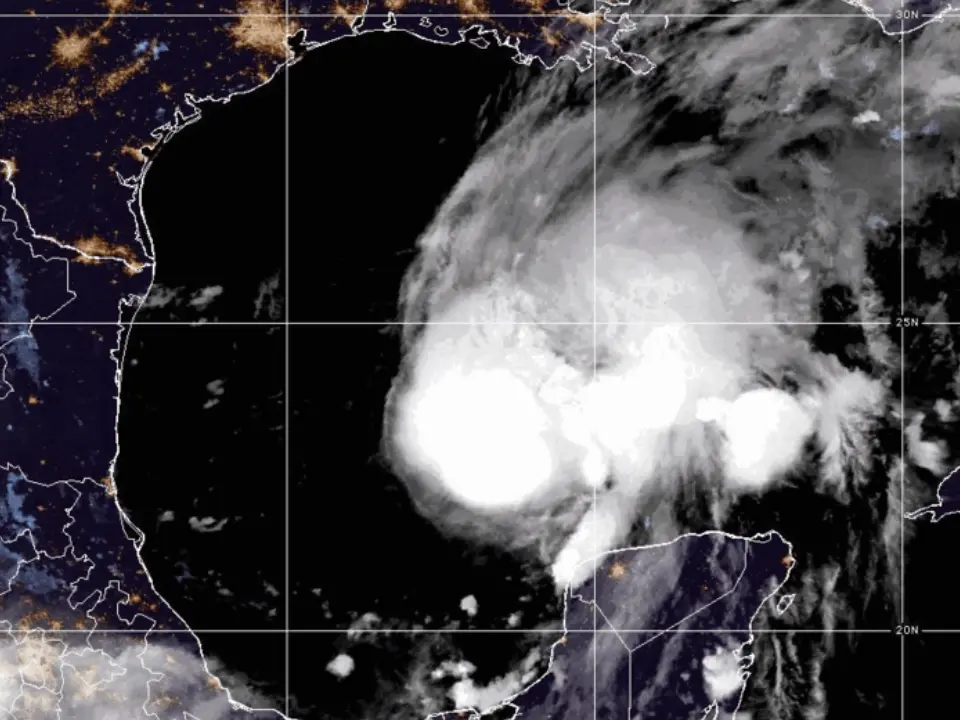
Atlantic hurricane Isaias could make landfall as a strong Category 2 storm, tornado warnings issued
&imwidth=180&imheight=135&format=webp&quality=medium)
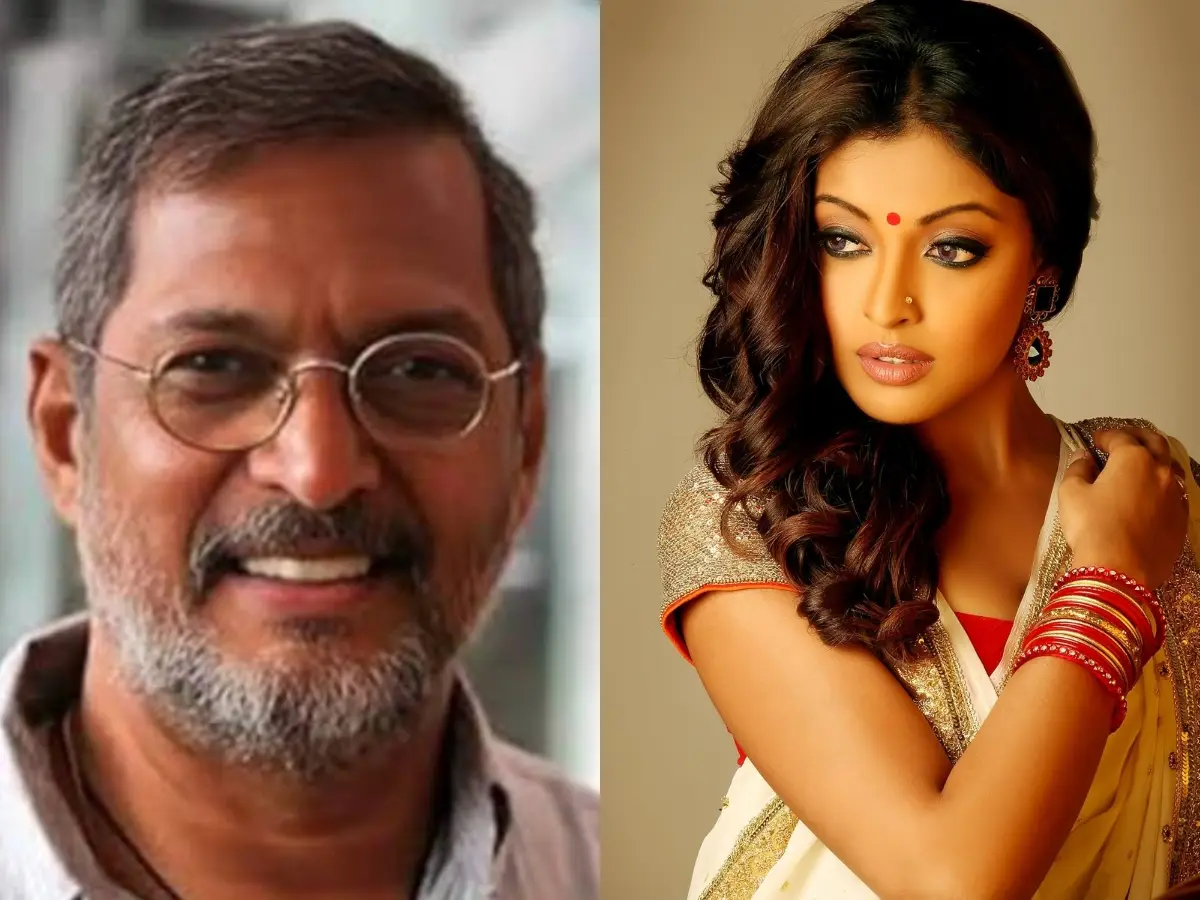
Nana Patekar's #MeToo controversy: From Tanushree Dutta’s allegations to court ruling
&imwidth=180&imheight=135&format=webp&quality=medium)
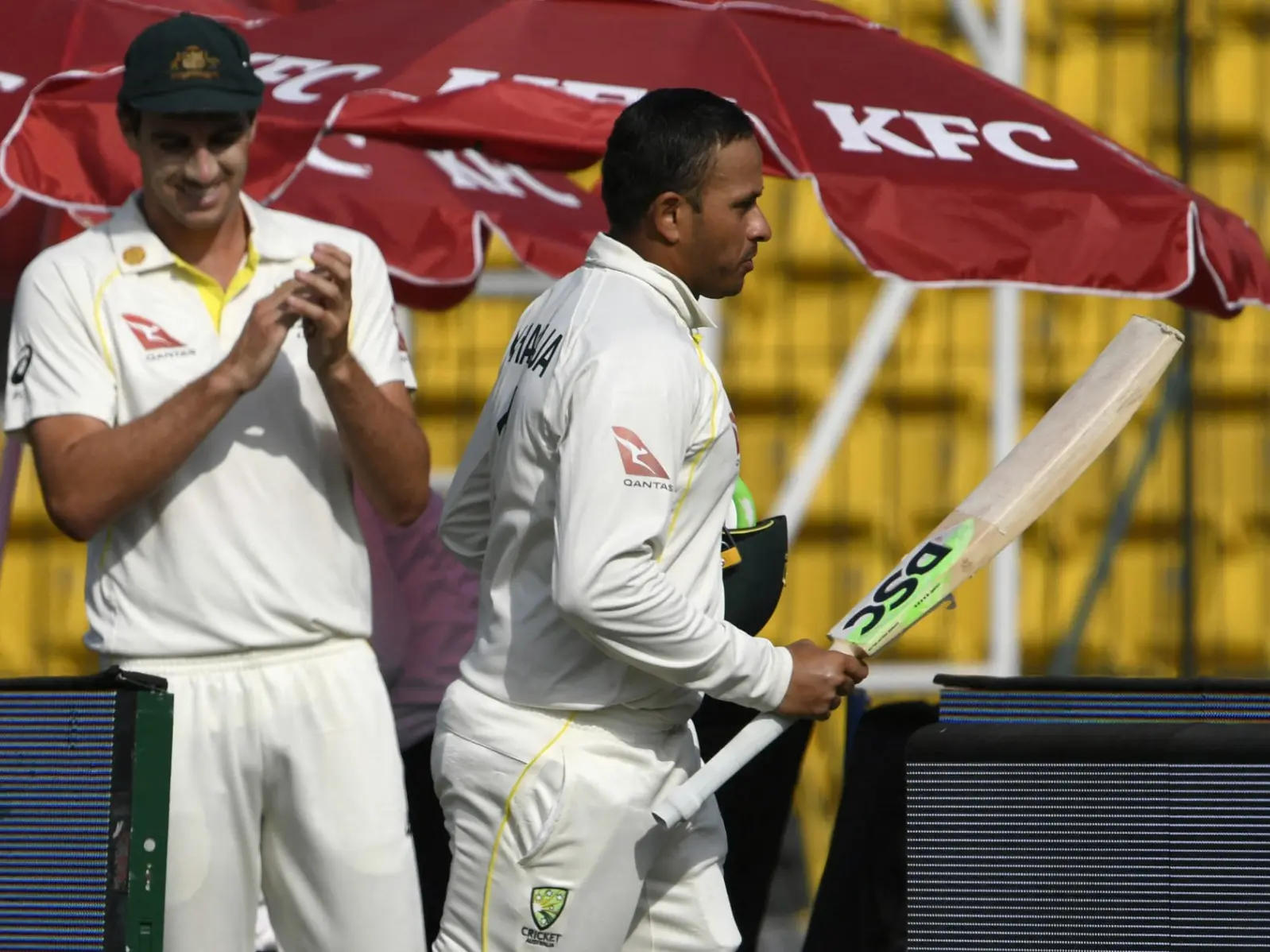
AUS vs SA: 'That's fine,' says Cummins on Khawaja's book contents about Sandpapergate
&imwidth=180&imheight=135&format=webp&quality=medium)
Who is Nana Patekar's wife Neelakanti? The bank officer who earned Rs 2,500 when he earned Rs 50
&imwidth=180&imheight=135&format=webp&quality=medium)
KATSEYE’s Sophia Laforteza to return in 2027 after hiatus, agency issues statement
&imwidth=180&imheight=135&format=webp&quality=medium)
French students light European bonfire, protests erupt in Belgium, Italy & Greece | Gravitas
&imwidth=180&imheight=135&format=webp&quality=medium)
France student protests: Over 500 arrested, govt promises 3,000 substitute teachers
&imwidth=180&imheight=135&format=webp&quality=medium)
Arizona congressional candidate claims she was sexually assaulted while repairing signs
&imwidth=180&imheight=135&format=webp&quality=medium)
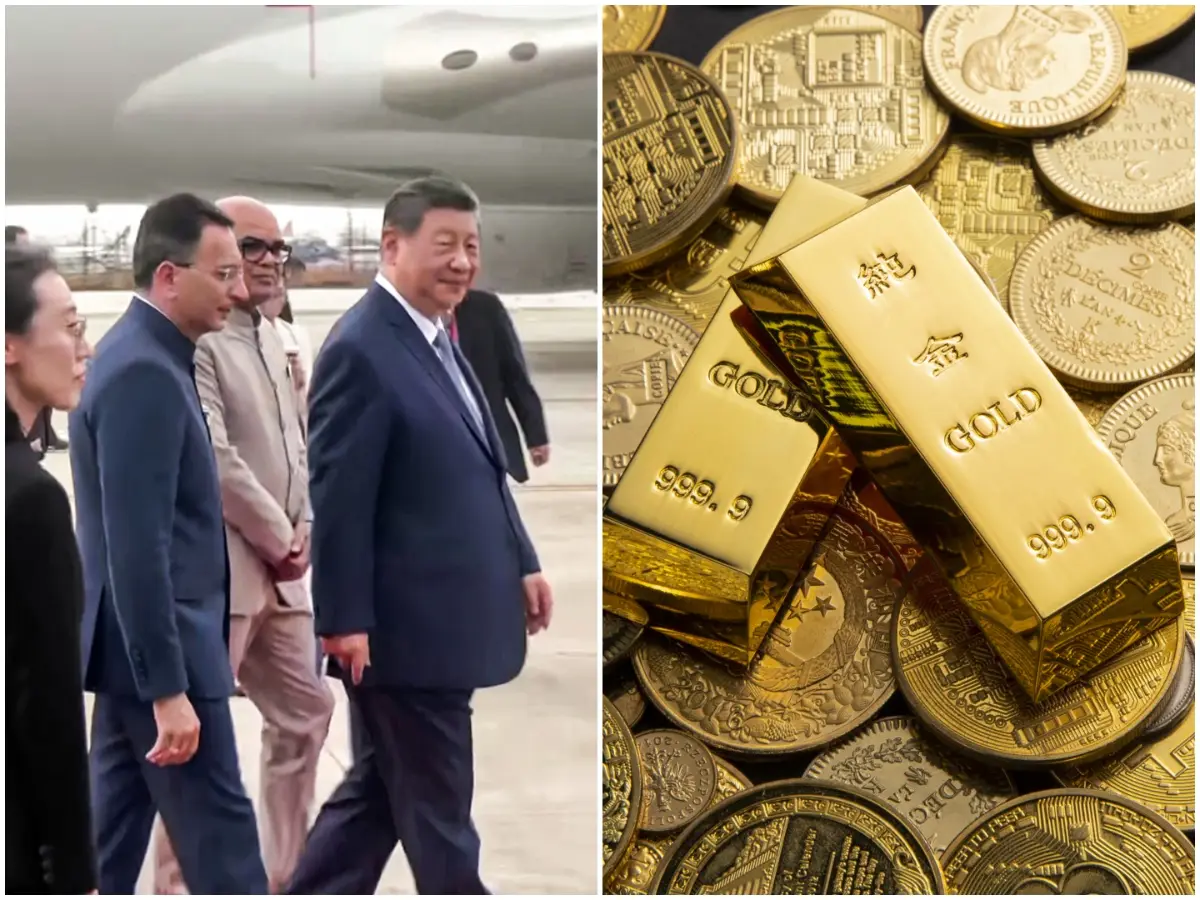
New Cold War: Why is China buying more gold? Explained
&imwidth=180&imheight=135&format=webp&quality=medium)
OpenAI shuts down Russian, Iranian influence operations using ChatGPT to spread propaganda
&imwidth=180&imheight=135&format=webp&quality=medium)
'Understood consequences of a few mistakes': Ishan Kishan reflects on journey back to India team
&im=FitAndFill=(700,400)&imwidth=180&imheight=135&format=webp&quality=medium)
435 House seats, 35 Senate races: The numbers behind US midterms 2026
&imwidth=180&imheight=135&format=webp&quality=medium)
Zendaya gives The Odyssey white lace jacket a stylish twist at Paris Fashion Week 2026
&imwidth=180&imheight=135&format=webp&quality=medium)
SC asks Centre to frame mechanism against unethical pharma marketing practices
&imwidth=180&imheight=135&format=webp&quality=medium)
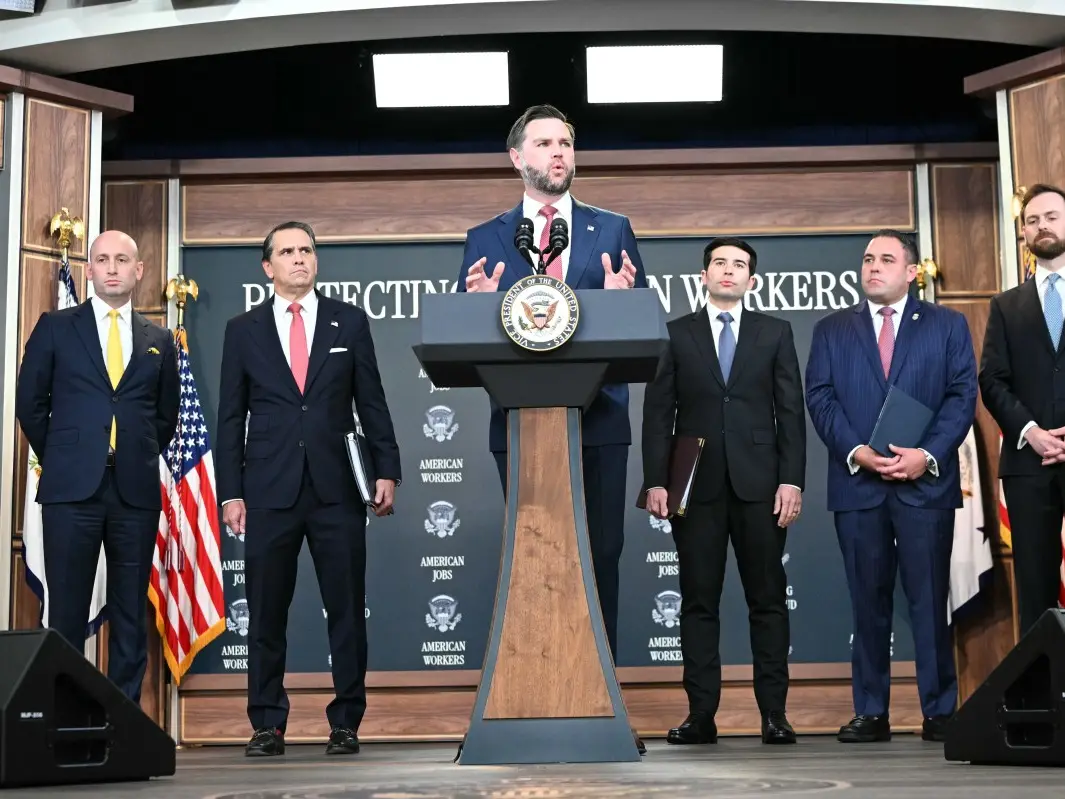
US suspends Microsoft, Infosys, Tata, Wipro from green card programme over alleged H-1B abuse
&imwidth=180&imheight=135&format=webp&quality=medium)
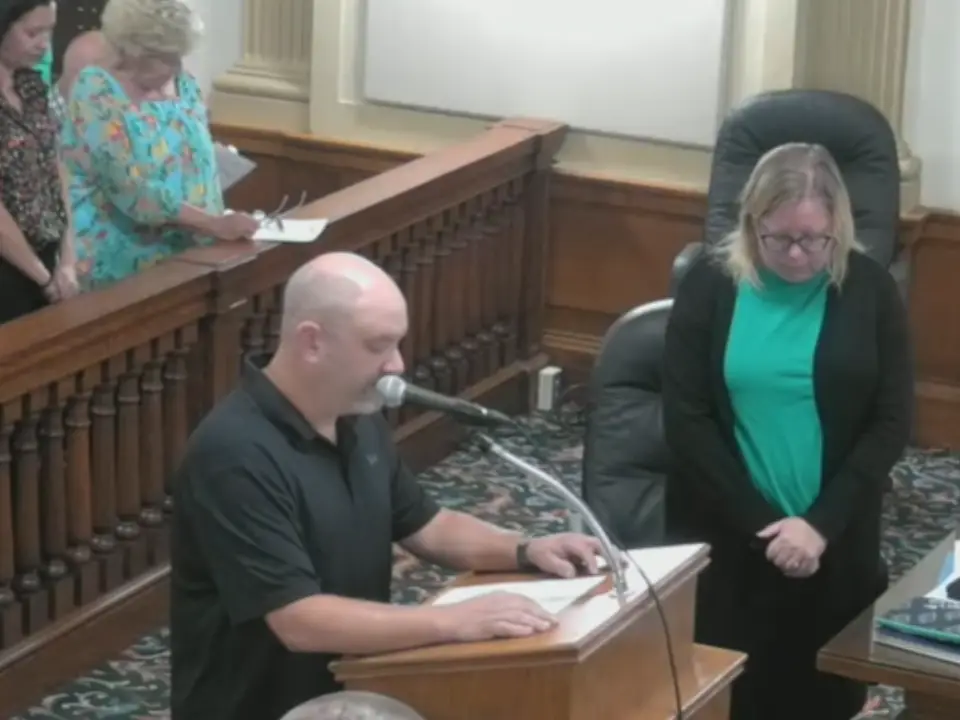
Man prays to Satan at an Iowa city council, pastor rushes to 'reverse the curse'
&imwidth=180&imheight=135&format=webp&quality=medium)
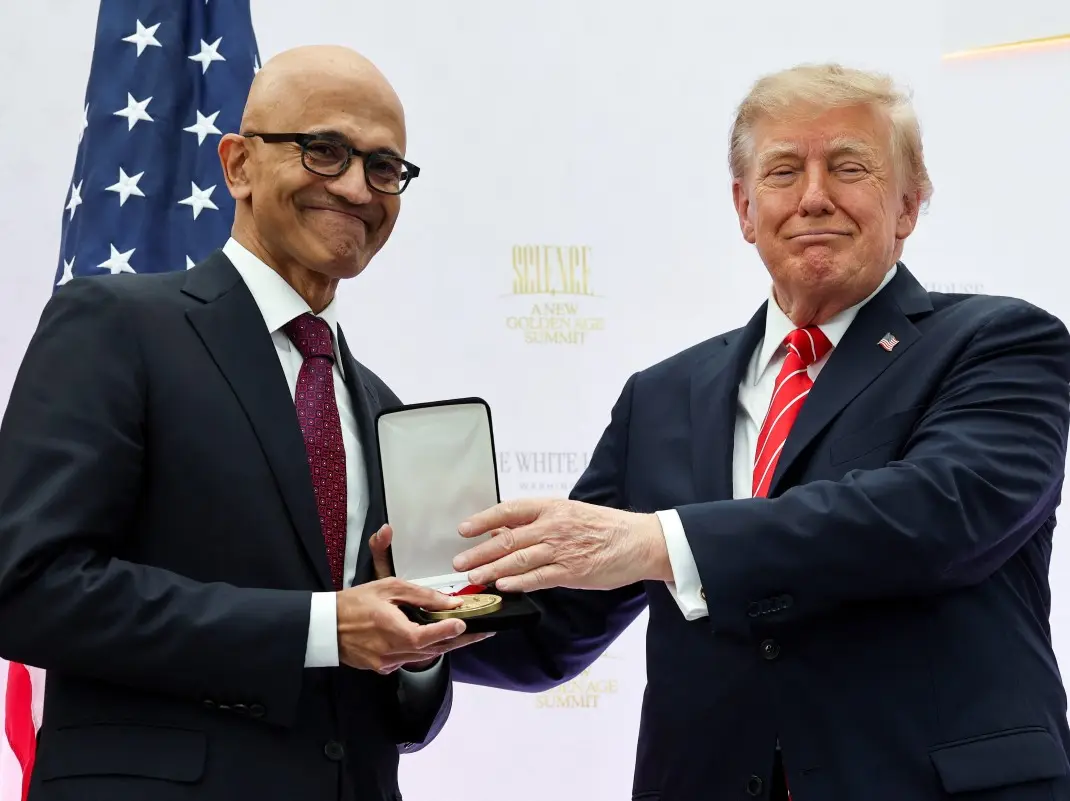
Trump honours Microsoft CEO Satya Nadella with top technology honour amid immigration scrutiny
&imwidth=180&imheight=135&format=webp&quality=medium)
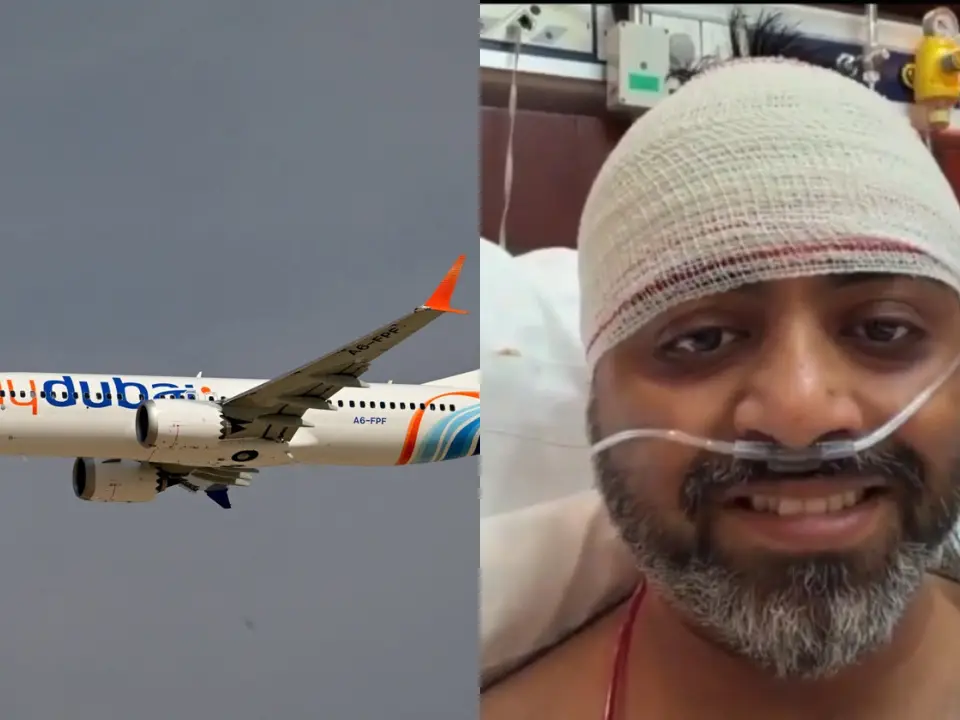
Flydubai flight attack: Indian pilot Smit Machchhar to receive Israel's highest civilian bravery award for saving 174 lives
The sinicsation of religion is a by-product of Xi Jinping’s overarching policy to control all facts of the religious practices in the Communist Party-ruled country, which officially practices atheism.
But it recognises five religions—Buddhism, Catholicism, Daoism, Islam, and Protestantism.
About7.4 per cent of China's total population identify themselvesas Christians, according to Boston University’s 2020 World Religion Database.
Of those, around 90 per cent of Christians in China identify themselves as Protestant, a Pew Research Centre analysis of the latest available survey data collected by academic organisations in China showed.
Xi tightens grip on religious affairs
In December 2021, during a religious work conference, Xi had said that the religious groups should study the history of the Chinese Communist Party and strengthen the governance of online religious affairs.
The party’s policy on freedom of religious belief must be “completely, accurately and comprehensively” implemented, and religions must adapt to the fact that China is a socialist country, Xi said at that time.
However, concerns have been raised against Xi Jinping’s handling of religious affairs in the country.
In the annual US State Department report on International Religious Freedom released in May, Beijing said to have labelled a number of Christian groups as “cult organisations”, and censored online posts referencing Jesus or the Bible, and removed articles published by Christianity-related platforms.
(With inputs from agencies)