
&imwidth=800&imheight=600&format=webp&quality=medium "As US-Iran war escalates, Red Sea cable threat raises fear of internet disruption in India")
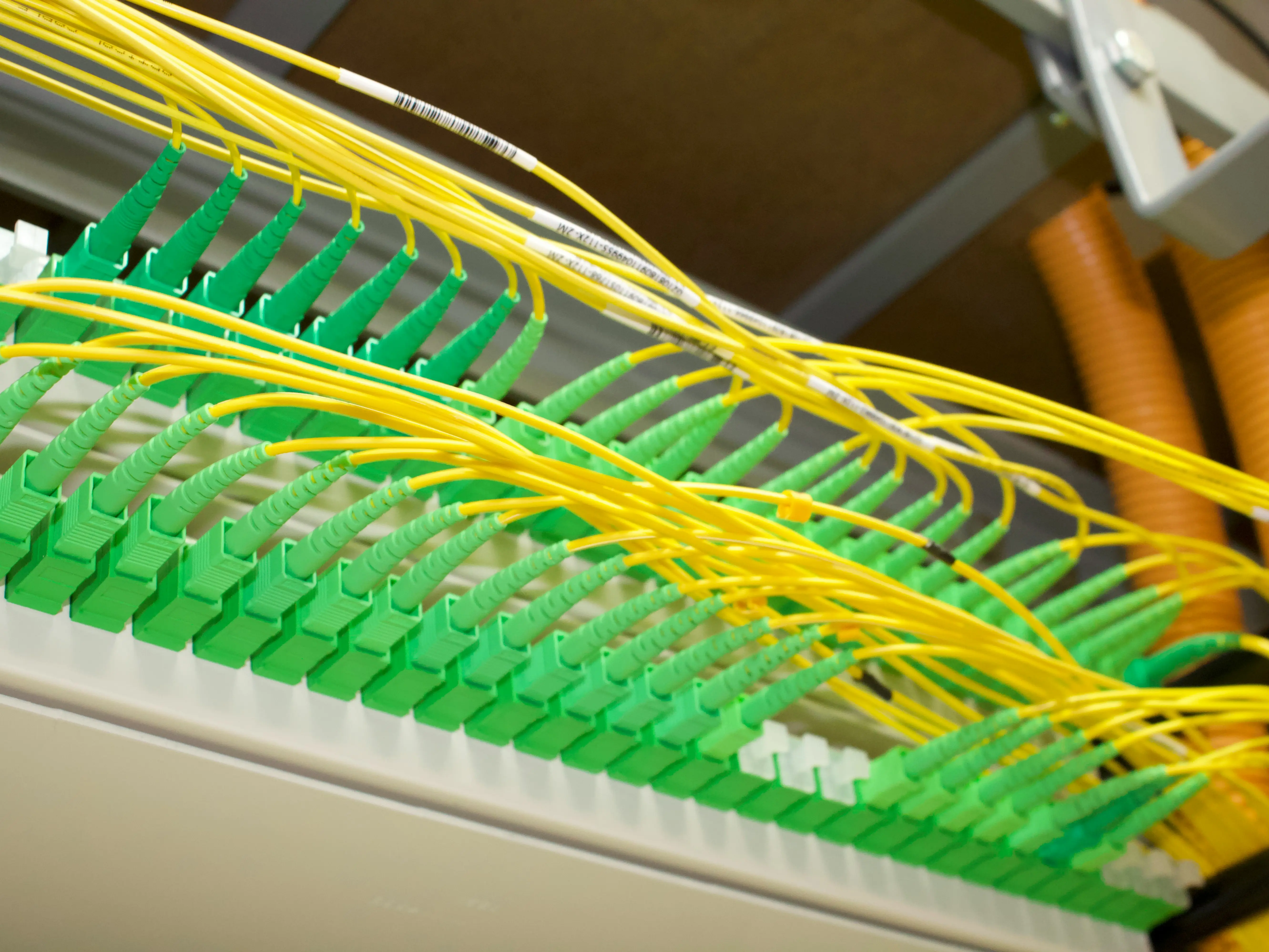
As conflict in West Asia intensifies, concerns are growing over potential disruptions to global internet infrastructure, particularly undersea cables in the Red Sea. While Iran has not officially threatened such action, several accounts on X have raised alarms about possible cable damage amid rising tensions involving the US, Israel, and Iran.
The last major disruption occurred in September 2025, when a commercial vessel reportedly dragged its anchor and damaged multiple submarine fibre optic cables. This incident caused noticeable internet slowdowns across parts of West and South Asia. Now, with the conflict escalating and Yemen’s Houthi group entering the fray, fears of a deliberate attack have increased. The Iran-backed Houthis have previously issued threats on social media about targeting these critical cables, making the risk difficult to ignore.

According to the International Cable Protection Committee, four key cables were affected in the 2025 incident: SEA-ME-WE 4, India-Middle East-Western Europe (IMEWE), FALCON (GCX), and Europe India Gateway (EIG). Experts say that around 30% of cable faults each year are caused by ship anchors, but the current geopolitical climate raises the possibility of intentional disruption. These Red Sea cables are vital for global connectivity, supporting financial systems, cloud computing, video communication, email, and AI operations. Any damage could have widespread consequences.
What does it mean for India?
India, which was impacted during the 2025 outage, could again face disruptions. Although services did not completely fail, users experienced slow speeds and latency. With increasing dependence on digital payments, cloud infrastructure, and AI technologies, India remains vulnerable. Nearly 95% of international data is transmitted via undersea cables.
Trending Stories
&im=FitAndFill=(700,400))
How fast can the Sukhoi Su-30 fighter jet really fly?
)
South Korea plans for military deployment in Strait of Hormuz amid US pressure
)
Nigerian Navy discovers 99,000 litres of suspected stolen, illegally refined products as it intensifies anti-crude oil theft operations
)
Who is Aditi Paudel? 17-year-old becomes Japan's first literacy ambassador
&im=FitAndFill=(700,400))
Why US tanks can spin their heavy turrets much faster than Russian tanks
)
Man pushes Russian humanoid robot. Watch what happens next
)
US Open 2026: Auger-Aliassime out but Swiatek, Osaka, and Gauff advance into third round
)
Nobel laureate Machado says Venezuela’s ‘illegitimate’ regime has no right to strike US oil deal
)
The Verdict: Peace for Iran, pressure on Afghanistan: Pakistan’s contradictory diplomacy
)
Netherlands shifts 86 tonnes of gold reserve to UK citing geopolitical risks
)
Kenya vs Tata Chemicals: Why President William Ruto ordered company to stop operations
)
Breaking | Vance takes the podium: First White House briefing since Leavitt's exit
)
Indian agencies uncover hawala, shell firms and fake trade used to hide illicit money, FATF says
)
Inside Iran's shadow fleet: How Tehran dodges the US blockade at sea
)
Bangladesh batter Towhid Hridoy creates history with 350 not out in South Africa
)
China detains 52 Singaporeans over alleged pyramid schemes; Beijing denies arrest
&im=FitAndFill=(700,400))
Krishna Janmashtami 2026: From Dhaniya Panjiri to Makhana Kheer- 5 best sweet dishes perfect for celebrating Lord Krishna’s birth
)
ISRO stages comeback with GSLV-F17/EOS-05 success; targets six more launches
)
Lollapalooza India 2027: From Olivia Dean to KATSEYE, check full lineup, dates and tickets
)
‘I wouldn’t call it a war,’ says JD Vance on ongoing conflict with Iran
)
Iran's army conducts drone & missile attack on US bases
)
Volkswagen to cut 50,000 more jobs, 100,000 roles to be eliminated by 2030
)
Happy Krishna Janmashtami 2026 wishes: 30+ messages, quotes, greetings, and WhatsApp status ideas to share
)
Husband uses secret camera to record wife’s affair, wins divorce case, ends up in jail for spying
)
Suvendu Adhikari threatens to cut school aid over refusal to sing full Vande Mataram
)
At least 2 killed in Minneapolis shooting, suspect also dead
&im=FitAndFill=(700,400))
Why Russian fighter jets use bulky, low-pressure tyres compared to US jets
&im=FitAndFill=(700,400))
Why US tanks weigh over 20 tons more than Russian tanks
)
NATO troops gather in Arctic, Russia threatens nuclear retaliation
)
Manipur violence: 25 houses torched in Manipur’s Kangpokpi a day after 10 homes were burnt along Imphal-Tamenglong road
&im=FitAndFill=(700,400))
New Friday OTT releases (September 4, 2026): GDN, Dhamaal 4, Jagamae Sangeetham- Watch 6 new movies and TV shows on Netflix, Prime Video and more
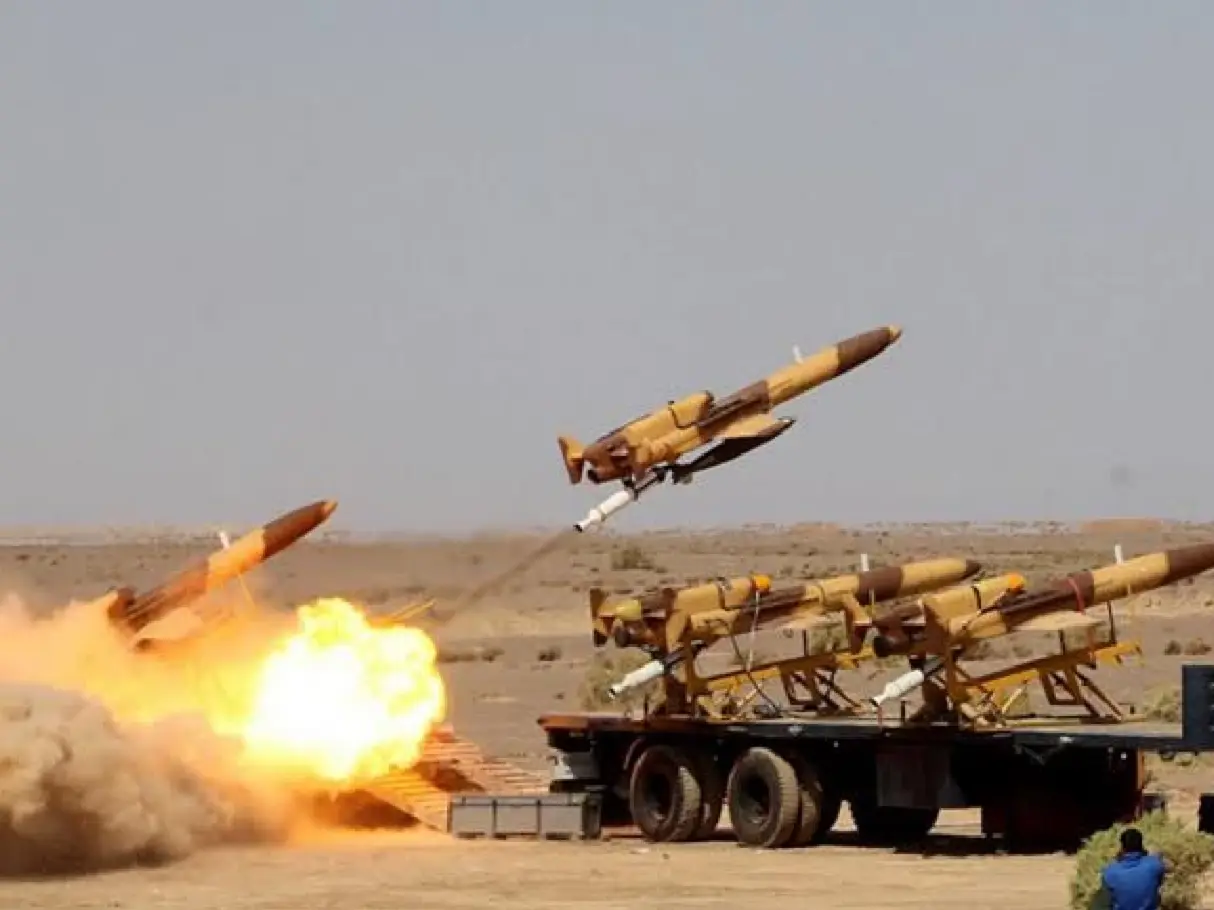)
Iran attacks US bases in Kuwait & UAE, supersecret missile project in focus | Gravitas
)
Killing the Himalayas slowly: Human urine is melting a glacier on Mount Everest
India currently connects through 17 cables across 14 landing stations, primarily in Mumbai and Chennai. However, this uneven distribution creates a risk; any disruption in these hubs could significantly impact connectivity across the country. As tensions persist in the region, the threat to critical internet infrastructure remains a growing concern for India and the world.
Disclaimer: WION takes utmost care to accurately and responsibly report ongoing conflicts in West Asia involving Israel, Iran, the US, Gulf nations, and non-state actors like Hezbollah, Hamas, Houthis, Islamic State, and others. Claims and counterclaims, disinformation and misinformation are being made online and offline. Given this context, WION cannot independently verify the authenticity of all statements, social media posts, photos, and videos.

