

&imwidth=800&imheight=600&format=webp&quality=medium "All those who work are fools? Elon Musk's 'Protopian' idea of post-work society and what it means for wage earners")
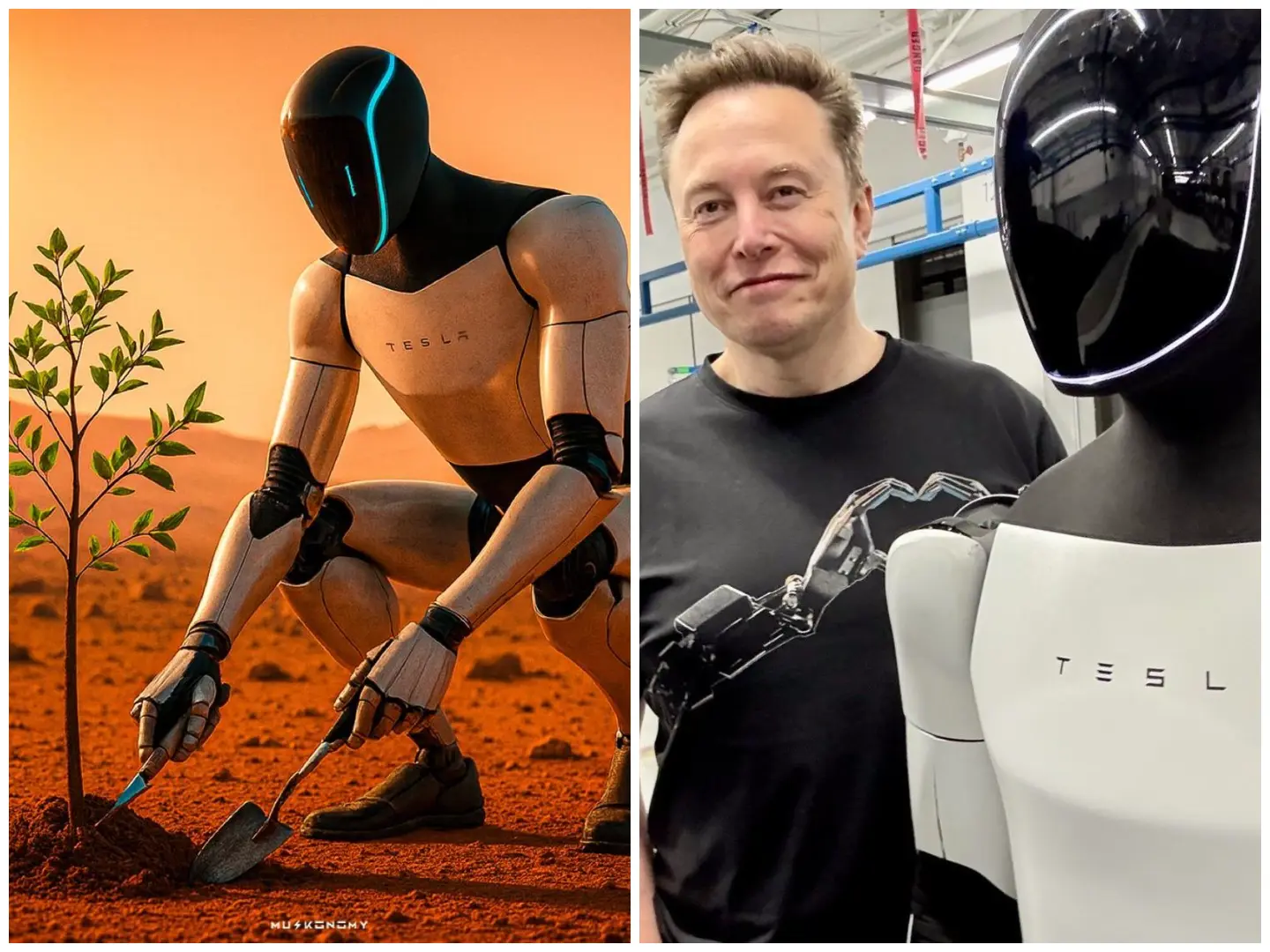
Elon Musk’s idea of a post-work society, mentioned most recently in his podcast with Nikhil Kamath, is raising both curiosity and eyebrows. He envisages a world where work would be optional, with AI and AI-powered robots doing most tasks for humans. Work would then become similar to a hobby, as people automate most of their functions, and everyone receives a universal high income or UHI. It could be the world’s most ridiculous idea, the perfect marketing strategy to sell more of Tesla’s Optimus humanoid robots, or a landmark prediction of our society’s future shape in the coming decades. Whatever your take on it is, let us understand what Musk means by a post-work society and its key features.
Post-work society: Elon Musk's ‘Protopia’ vision
In Musk’s vision, nearly all human labour, both manual and intellectual, would soon be automated. This, he argues, will bring about an “age of abundance” or a post-scarcity economy. Work would no longer be a means of survival but an optional pursuit, similar to gardening your own vegetables rather than buying them from a supermarket. This is his vision of a gradually improving world, which he calls Protopia. In this world, scarcities would be eliminated, except in the case of intentionally limited or naturally constrained resources such as land.
AI would be the “magic genie”: delivering personalised education, providing superhuman medical care, entertainment, and unlimited goods and services.
When will a post-work society come into being?
Trending Stories
&imwidth=180&imheight=135&format=webp&quality=medium)
Zohran Mamdani's Garba dance goes viral as he joins Indian community's Navratri celebrations | WATCH
&imwidth=180&imheight=135&format=webp&quality=medium)
Rafale Marine fighter begins flight trials in Goa ahead of Indian Navy induction
&imwidth=180&imheight=135&format=webp&quality=medium)
SBI confirms data breach: 3,897 records flagged on dark web. Is your money safe?
&imwidth=180&imheight=135&format=webp&quality=medium)
India to develop first indigenous aviation gun for Prachand, Rudra attack helicopters, SSS Defence CEO confirms
&imwidth=180&imheight=135&format=webp&quality=medium)
Man marries off wife of 17 years to her lover in Uttar Pradesh
&imwidth=180&imheight=135&format=webp&quality=medium)
Boeing 737 MAX10 gets FAA certification, deliveries expected to begin in 2027
&imwidth=180&imheight=135&format=webp&quality=medium)
Shastri backs Shami comeback; lauds Bhuvi and warns Bumrah on format workload ahead of World Cup
&imwidth=180&imheight=135&format=webp&quality=medium)
US midterms 2026: Red seats once deemed safe now appear shaky as Republicans spend big on ads
&imwidth=180&imheight=135&format=webp&quality=medium)
'Tap dancing through a minefield': Musk backs SpaceX-Tesla merger as AI boom fuels rocket firm's first profit
&imwidth=180&imheight=135&format=webp&quality=medium)
Dandiya Nite ’26: Indian High Commissioner hails diaspora as bridge between India and Nigeria
&imwidth=180&imheight=135&format=webp&quality=medium)
Trump says Ilhan Omar 'could go to jail' amid federal probe, calls Somalia a 's***house'
&imwidth=180&imheight=135&format=webp&quality=medium)
Punjab CM Bhagwant Mann allegedly detained for three hours at Delhi airport, fined ₹50,000: AAP
&imwidth=180&imheight=135&format=webp&quality=medium)
Trump waves at 'empty space' in viral video,' critics claim 'mental decline getting worse' | WATCH
&imwidth=180&imheight=135&format=webp&quality=medium)
What the Mecca Joint Defence Agreement says about withdrawal and military support. Read full text of the pact here
&imwidth=180&imheight=135&format=webp&quality=medium)
IND vs NZ T20Is: Will Sooryavanshi play? Skipper Shreyas Iyer clears the air on Samson vs Vaibhav debate
&imwidth=180&imheight=135&format=webp&quality=medium)
'You are not Gen Z': Delhi HC pulls up CJP's Das, Ranka over bail bond breach after Jantar Mantar trespass
&imwidth=180&imheight=135&format=webp&quality=medium)
India vs New Zealand T20I Series 2026: Complete schedule, match timings, squads and live streaming details
&imwidth=180&imheight=135&format=webp&quality=medium)
Trump considers removing White House press corps to restore historic indoor swimming pool
&imwidth=180&imheight=135&format=webp&quality=medium)
Ukrainian soldier rescued by a drone chopped off own leg while hiding for 491 days
&imwidth=180&imheight=135&format=webp&quality=medium)
US-Iran war | Tehran: Must end port blockade, oil sanctions and regional attacks
&im=FitAndFill=(700,400)&imwidth=180&imheight=135&format=webp&quality=medium)
Priyanka Chopra to Shilpa Shetty: 6 Bollywood actresses and their fitness secrets
&imwidth=180&imheight=135&format=webp&quality=medium)
Pujara says 'Samson and Vaibhav cannot be in Playing XI' for India on NZ tour
&imwidth=180&imheight=135&format=webp&quality=medium)
'What's wrong with you? Are you a sick person?': Trump at it again as he snaps at reporters, faces backlash
&imwidth=180&imheight=135&format=webp&quality=medium)
US Midterms 2026 and money: From Bloomberg to Musk, corporate donors, super PACs and lobbies, it's all about the cash
&imwidth=180&imheight=135&format=webp&quality=medium)
‘Even legends can fall ill’: Badshah, Anupam Kher and other stars defend Daler Mehndi after Uttarakhand stage controversy
&imwidth=180&imheight=135&format=webp&quality=medium)
'UN experts is an oxymoron': Rubio mocks UN over India protests criticism, refuses to comment on India's internal matter
&im=FitAndFill=(700,400)&imwidth=180&imheight=135&format=webp&quality=medium)
New OTT releases this week (October 19-25, 2026): Gajab Raat to Chaar Yaar-8 titles to watch during Dussehra week on Netflix, Prime Video and more
&imwidth=180&imheight=135&format=webp&quality=medium)
Ukrainian drone airlifts wounded soldier in what is likely a world first
&imwidth=180&imheight=135&format=webp&quality=medium)
The Verdict | Trump, Putin and Xi: A superpower triangle that could reshape global diplomacy
&imwidth=180&imheight=135&format=webp&quality=medium)
India moves to buy 10,000 more AI chips for a national compute pool open to startups
&imwidth=180&imheight=135&format=webp&quality=medium)
'They are not even telling us' - Mysterious metallic object discovered in Minnesota field
&imwidth=180&imheight=135&format=webp&quality=medium)
Hunger makes alcohol more appealing, study finds
&imwidth=180&imheight=135&format=webp&quality=medium)
Cattle-feed bran in biscuits, detergent in milk: FSSAI acts against 3 companies
&imwidth=180&imheight=135&format=webp&quality=medium)
US midterms 2026: With Republicans spending big, Bloomberg opens his wallet for Democrats. Here's how much he is pouring
&imwidth=180&imheight=135&format=webp&quality=medium)
Iran rejects US talks until demands are met, rules out moving enriched uranium out of the country
&imwidth=180&imheight=135&format=webp&quality=medium)
Feds obtain DNA evidence that could prove Ilhan Omar married her brother: Report
&imwidth=180&imheight=135&format=webp&quality=medium)
Ramayana advance booking: Ranbir Kapoor, Yash's film cross $500K ahead of Diwali release
&imwidth=180&imheight=135&format=webp&quality=medium)
French military plane crashes in northeast France, one dead
&imwidth=180&imheight=135&format=webp&quality=medium)
Delhi HC agrees to hear Neha Bora's plea against 'maintain peace' directive on 'urgent basis'
According to Musk, there is an 80 per cent chance of post-work societies emerging within the next 10 to 20 years. But he also believes there are risks if AI “doesn’t prioritise truth and beauty”.
But Musk once worried about automation displacing jobs. What changed? Musk spoke about his fears of automation back in 2016. But since then, he has become more optimistic. He is now less concerned about unemployment and more focused on ‘shared prosperity’. Much of his inspiration comes from science fiction works like Iain M. Banks’s Culture series, which depicts societies where AI ensures abundance while humans pursue creativity and exploration.
Also read: World to see a major war in 5-10 years? Elon Musk’s major prediction leaves internet speculating
How will people earn a living in Musk’s post-work world?
Musk is a proponent of the concept of Universal High Income (UHI), as opposed to people earning wages from employment. He envisions UHI as an unconditional financial distribution to all individuals, far above the level of Universal Basic Income (UBI). UHI would cover things beyond basic necessities such as food and shelter. The high standard of living would be funded by productivity gains from AI and robotics, in Musk's view.
Labour would be effectively zero cost when robots and AI operate across manufacturing, logistics, farming and services. This would generate enormous wealth, enabling equitable redistribution, potentially via a robot tax or direct AI-generated value.
Abundance of resources would be the result when AI eliminates production bottlenecks and drives down the cost of everything, from housing to healthcare.
“There will be no shortage of goods and services, and money will no longer be a ‘database for labour allocation’ but a tool for optional exchanges,” Musk predicts.
So why would people still want to work?
In Musk’s view, work would exist only for self-fulfilment, for example in art, science, or volunteering, not for income.
He is not clear, however, on how people will find meaning and purpose in a jobless world.
Musk thinks humanoid robots will outnumber humans by 2030
Musk is optimistic about the rapid expansion of AI robots, but critics like Bill Gates argue that the world is not yet ready for full income guarantees, and instead seeks the retraining of workers on new technolgies.
Musk’s ideas, despite UHI being framed as an equaliser, also risk deepening inequality if the benefits of AI are captured by a small elite.
In a post-work society, does everyone have to buy a robot?
Nobody buys a power plant to receive electricity. Similarly, Musk argues that individuals will not need to buy their own AI or robots. In a world enabled by AI and robotics, goods and services would become extremely cheap or even free. Once nearly all physical and cognitive labour is performed by robots and AI at near-zero marginal cost, the cost of food, housing, clothing, healthcare, transport, education and entertainment would collapse, in his view. Even the cost of raw materials and energy would fall, as robots mine, refine and transport everything.
“The cost of goods and services will approach zero, just like the cost of searching on Google is essentially zero today,” he has said.
A cheque in your account? How universal high income works
The enormous economic surplus would be redistributed as a monthly payment to every adult, and possibly children, similar to certain existing child-payment schemes in the United States.
This high income would allow people to live comfortably, not merely survive. Under UHI, even the poorest people would have enough money to cover the few remaining costs in society, such as land, experiences and rare physical items.
In this world, robots and AI would become so ubiquitous that they would be provided like utilities or services, not sold as consumer products, just as one does not need to buy a ChatGPT server to get answers to queries. Governments or companies would own billions of robots and rent them out through tiny subscriptions.
“In a future of abundance, there will be no poverty… Everyone will have access to whatever goods and services they want,” Musk said.
The pitfalls of Musk's future vision without work
Almost sounding like a socialist, the potential trillionaire claims that “the poorest person in that world will live better than the richest person today in almost every way, except perhaps square footage of land”.
But many questions remain unanswered: corruption, the concentration of AI and robotics power in a handful of firms or governments, the use of autonomous machines in warfare, and the erosion of wages before the post-work society is established, which risks worsening income inequalities.
Musk believes that the same forces eliminating jobs will also end scarcity and poverty, creating a world of abundance. He argues that poverty would be impossible in such a society.
Do you think Musk should travel the current world a little more, disguised as a commoner, as former kings once did, to see what is really happening on the ground?

