After the Trump tariff war, digital tax on US tech firms is emerging as new conflict area with Europe. What is US threatening?

&imwidth=600&imheight=450&format=webp&quality=medium "After the Trump tariff war, digital tax on US tech firms is emerging as new conflict area with Europe. What is US threatening?")
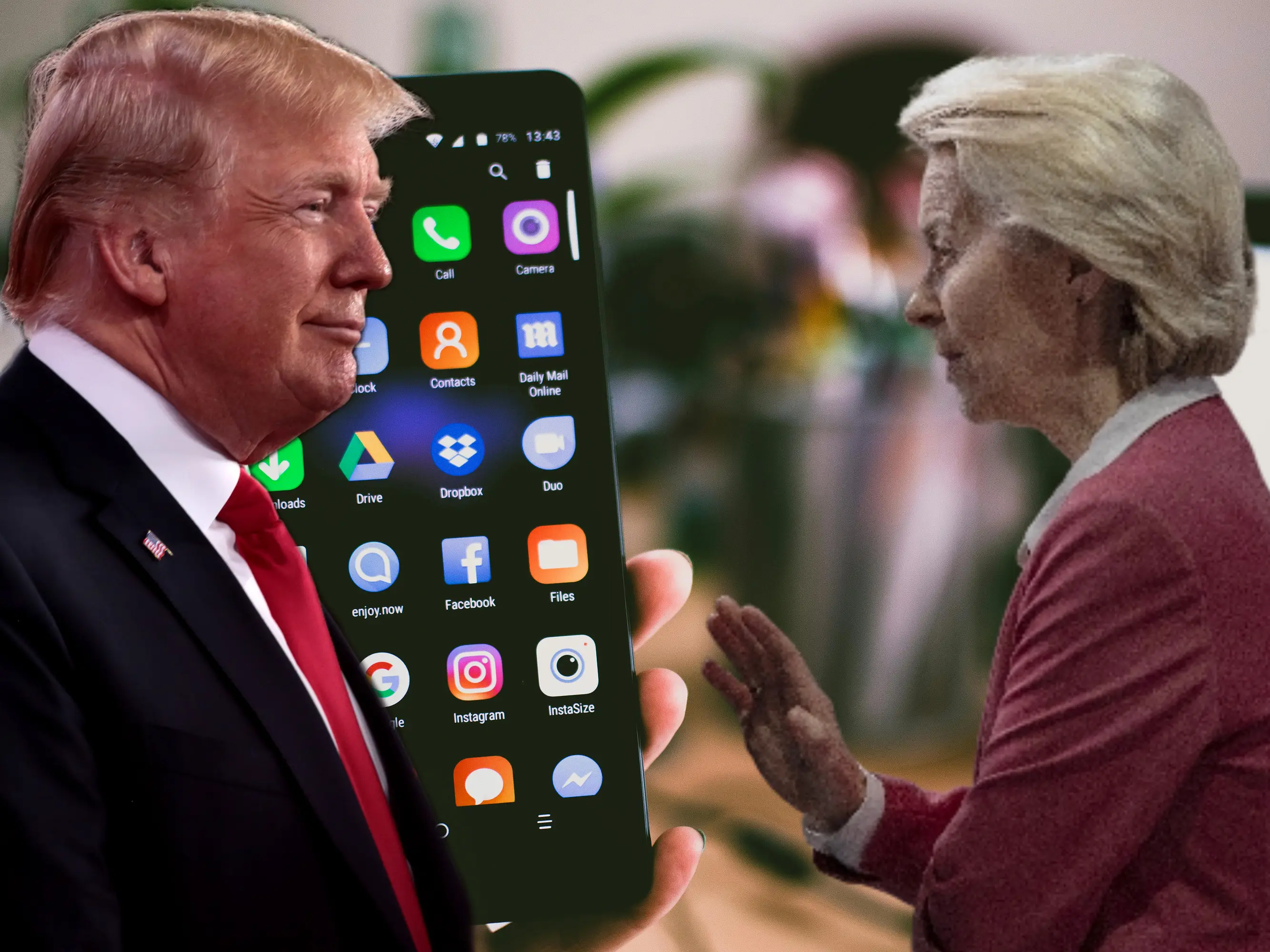
Trump administration is likely to clash with European Commission led by Ursula von der Leyen over digital tax Photograph: (Others)
After the Trump tariff war, the US and European Union appear poised for another clash, this time over digital taxes and tech rules. The US has warned of fees and restrictions on European companies in response to EU action against US tech firms.
The US has said that Europe is unfairly targeting American companies with its digital tax rules and is preparing retaliation, according to multiple reports. Nearly half of OECD member states from Europe have implemented or proposed digital services taxes (DSTs). Compliance costs and penalties have increased significantly for US firms due to these laws and regulations. Ths US is now viewing fines against its tech firms as de facto tariffs on digital services and preparing to retaliate. Here is what you should know.
What is digital tax?
The EU collectively and some of its member states individually impose taxes on revenue earned by large tech firms from advertising, marketplaces and user data. The EU also has the Digital Markets Act and the Digital Services Act that regulate how Big Tech firms operate, compete, and moderate content in the region. The DMA and DSA regulate gatekeepers and content moderation. The US has argued that these ar e trade barriers, disproportionately affecting American firms rather than European competitors.
How does digital tax affect American tech companies?
Tech giants like Google, Meta, Amazon, Apple, and X face the major brunt of EU investigations and fines. Recent fines include €2.95 billion on Google, €500 mn on Apple, €200 mn on Meta, and €140 mn on X, as per European Commission records.
Trending Stories
)
)
)
)
)
)
)
)
)
)
)
)
)
)
)
)
)
)
)
)
)
)
)
)
)
)
)
)
)
)
)
)
)
)
&im=FitAndFill=(700,400))
)
)
)
)
Besides financial penalties, most are facing ongoing legal cases and higher compliance costs. American officials say digital taxes reduce revenues earned by these companies in Europe and limit market access, undermining US competitiveness.
The Trump administration is painting these as equivalent to tariffs on digital services.
Digital tax in EU: How will US retaliate?
The Office of the US Trade Representative warned that it would use all available trade tools if the EU continues its policies. Countermeasures include fees or restrictions on European service providers operating in the United States, such as Spotify. Some European firms in consulting, logistics, software and manufacturing could also be potential targets. Specific companies like Accenture, Siemens, DHL could feel the heat. Possible tariffs and other trade actions would take place against countries adopting digital taxes on US firms.
US is trying to pressure Europe to roll back or modify tech regulations
The dispute has increased US–EU trade tensions, even amid ongoing negotiations over broader economic cooperation and to address Trump tariffs. The EU and specific nations in the bloc argue that digital laws apply equally to all companies and refuse to weaken them. Similar threats from Trump administration had led Canada to rescind its DST in June.