

&imwidth=800&imheight=600&format=webp&quality=medium "'To uphold ceasefire commitment': Pakistan breaks silence after inconclusive Iran-US talks in Islamabad")
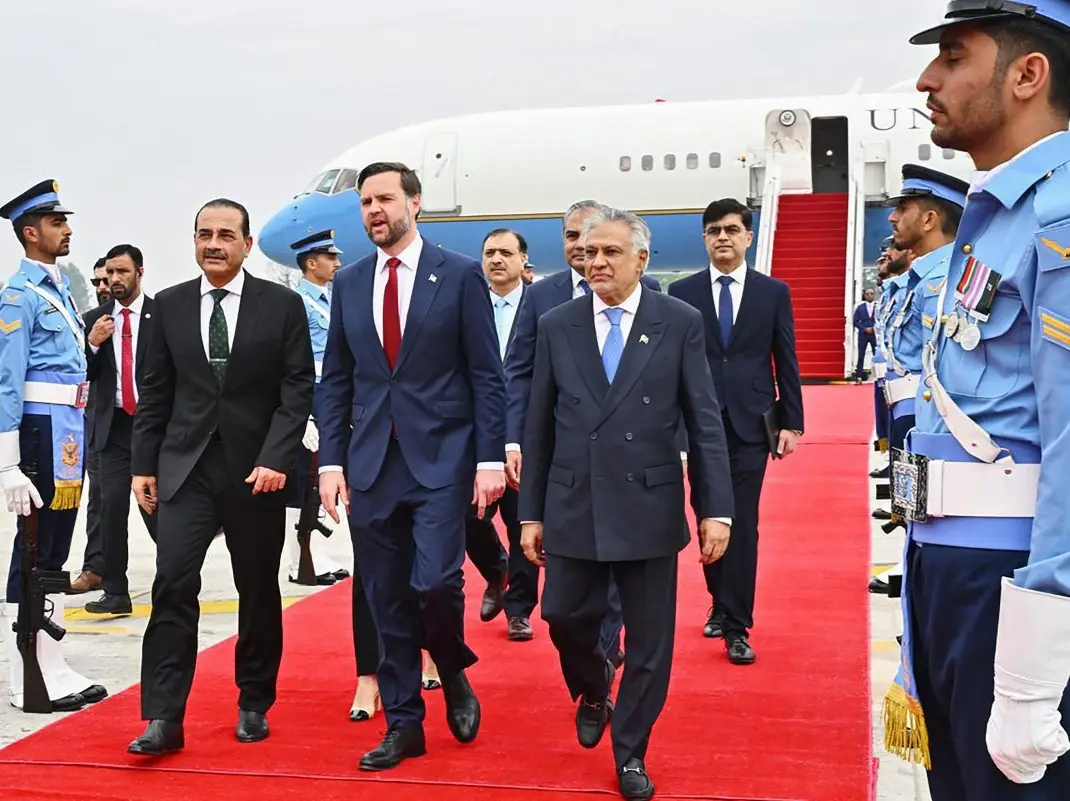
Pakistan's foreign minister and Deputy PM Ishaq Dar, in his first response after Islamabad talks between US and Iran, on Sunday (Apr 12) said that Washington and Tehran must uphold a ceasefire agreement. He said that it is “imperative” for the parties continue to uphold their commitment. Pakistan hosted the talks and acted as a mediator. While the US said that no deal was reached, Tehran accused the American side for “unreasonable demands.”
"I along with the Chief of Defense Forces and Chief of Army Staff Field Marshal Syed Asim Munir helped mediate several rounds of intense and constructive negotiations between the two sides, that continued through the last 24 hours and ended this morning. On behalf of Pakistan, I would like to express gratitude to the two sides for appreciating Pakistan's efforts to help achieve the ceasefire and its mediatory role. We hope that the two sides continue with the positive spirit to achieve durable peace and prosperity for the entire region and beyond. It is imperative that the parties continue to uphold their commitment to ceasefire.
Pakistan has been and will continue to play its role to facilitate engagement and dialogue between the Islamic Republic of Iran and the United States of America in the days to come," Pakistan Foreign Ministry said in a statement.
What are the sticking points of the negotiations?
According to Iranian Press TV, key sticking points included the Strait of Hormuz, nuclear rights, and other contentious issues. Lebanon has become a major bone of contention in the ceasefire announced earlier this week, as Israel insisted that the ceasefire does not affect its invasion of Lebanon, and Iran blocked the Hormuz again in response of massive Israeli strikes on Hezbollah in Lebanon.
Trending Stories
&im=FitAndFill=(700,400)&imwidth=180&imheight=135&format=webp&quality=medium)
Navratri 2026: 9 days, 9 forms of Goddess Durga and 9 colours- Check the complete list
&imwidth=180&imheight=135&format=webp&quality=medium)
US troop deaths in Iran war on rise? Pentagon reveals latest toll
&imwidth=180&imheight=135&format=webp&quality=medium)
Trump claims ‘energy ceasefire’ between Russia and Ukraine; Zelensky says ‘news for me’
&im=FitAndFill=(700,400)&imwidth=180&imheight=135&format=webp&quality=medium)
Is sending robots to Mars easier than sending humans?
&imwidth=180&imheight=135&format=webp&quality=medium)
‘If Russia stops…’: Zelensky says Ukraine ready to halt oil refinery strikes on THIS condition
&imwidth=180&imheight=135&format=webp&quality=medium)
Amitabh Bachchan celebrates birthday with fans at Jalsa during Sunday darshan | Watch
&imwidth=180&imheight=135&format=webp&quality=medium)
1,500 drones illuminate Mumbai sky as Cordelia Cruises unveils second ship, Cordelia Sky
&imwidth=180&imheight=135&format=webp&quality=medium)
‘Please tell Putin...’: Zelensky says Ukraine will hold elections if Russia agrees to 60-day ceasefire
&imwidth=180&imheight=135&format=webp&quality=medium)
Delhi Sikh Gurudwara Committee files complaint against Kejriwal, AAP leaders for ‘violating sanctity’ of Bangla Sahib
&imwidth=180&imheight=135&format=webp&quality=medium)
CJI Surya Kant declines INDIA bloc leaders’ request for meeting ahead of march to SC, asks them to file petition
&imwidth=180&imheight=135&format=webp&quality=medium)
After crackdown on CJP, opposition to march to Supreme Court Monday over ‘vote chori', removal of CEC
&imwidth=180&imheight=135&format=webp&quality=medium)
One Indian killed in Riyadh airport attack; 11 others injured : MEA
&imwidth=180&imheight=135&format=webp&quality=medium)
Cordelia cruises unveils second ship | CEO Jurgen Bailom hails momentous occasion
&imwidth=180&imheight=135&format=webp&quality=medium)
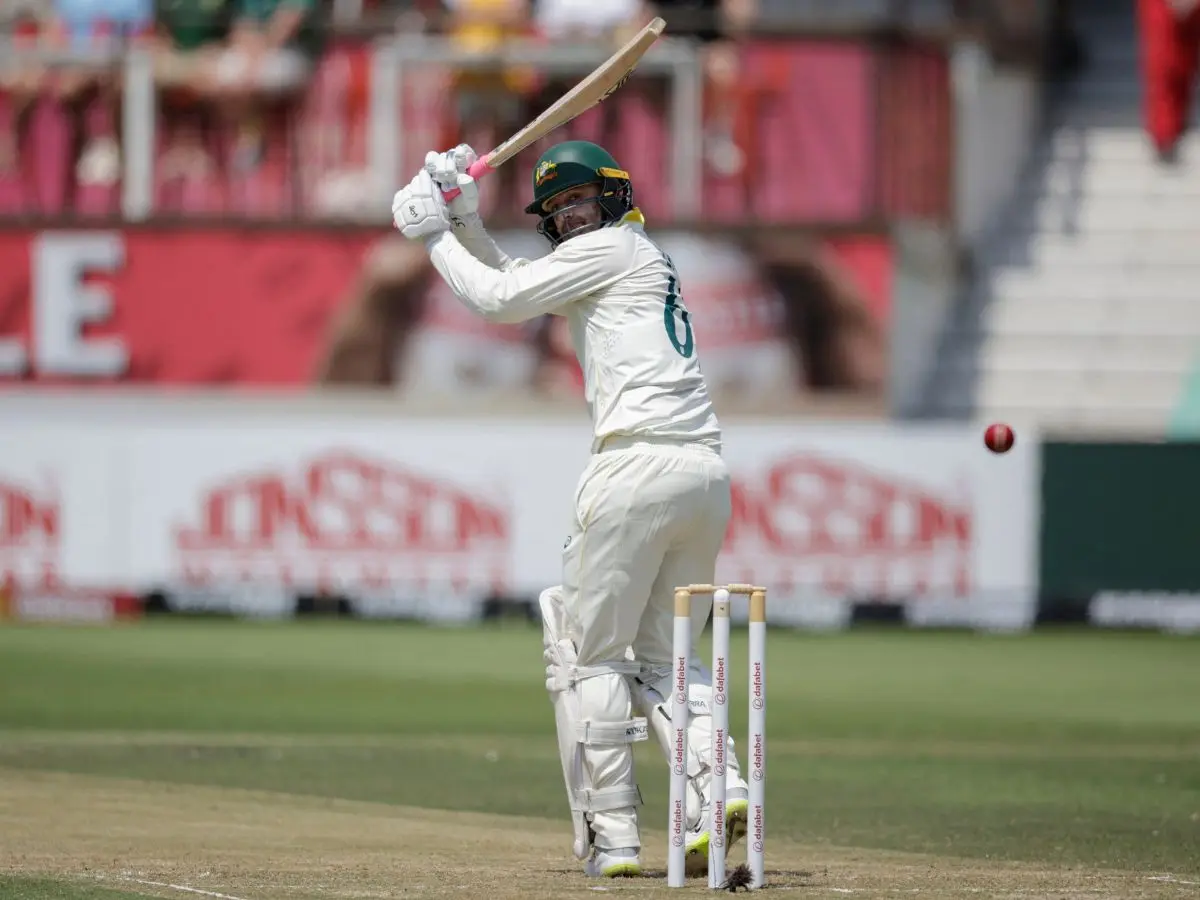
Nathan Lyon completes 1,000 Test runs at No. 10 to script rare cricket feat
&imwidth=180&imheight=135&format=webp&quality=medium)
The Dirty Picture 2: Ektaa Kapoor confirms sequel to Vidya Balan's 2011 film
&imwidth=180&imheight=135&format=webp&quality=medium)
On cam: IndiGo flight en route to Chennai diverted to Hyderabad as power bank catches fire - Here’s what happened next
&imwidth=180&imheight=135&format=webp&quality=medium)
Cordelia cruises unveils second ship | drone formations depict Mumbai, India & the new ship
&imwidth=180&imheight=135&format=webp&quality=medium)
Nepal flash floods swallow homes and bridges a month after devastating disaster
&imwidth=180&imheight=135&format=webp&quality=medium)
'Ouch!!! That must hurt': Kangana Ranaut hails Kamal Haasan's sharp reply to Elon Musk over Starlink row
&imwidth=180&imheight=135&format=webp&quality=medium)
Sidhu Moose Wala’s younger brother wins hearts by recreating late singer’s signature move at Toronto Hologram Show
&imwidth=180&imheight=135&format=webp&quality=medium)
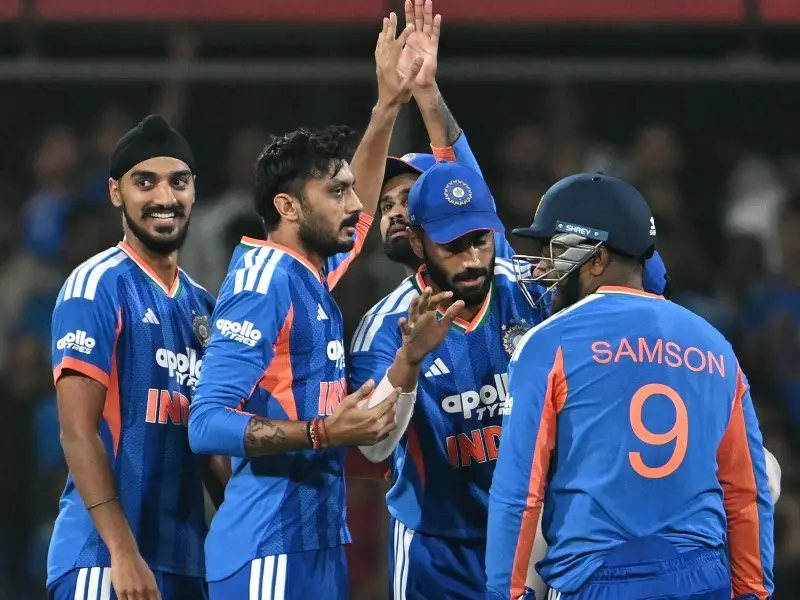
IND vs WI, 3rd T20I: Arshdeep, Abhishek star as India secure 14-run win over West Indies
&imwidth=180&imheight=135&format=webp&quality=medium)
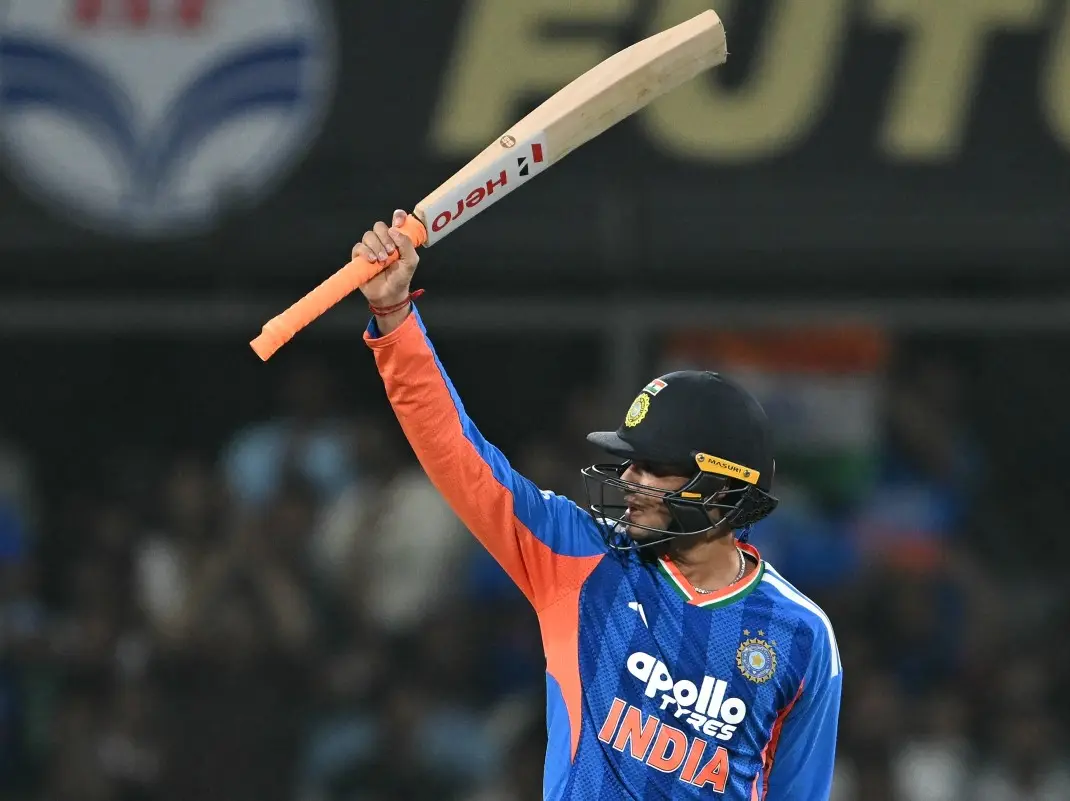
IND vs WI, 3rd T20I: Abhishek Sharma smashes 18-ball fifty, sets record for fastest to 2,000 T20I runs
&imwidth=180&imheight=135&format=webp&quality=medium)
UK school ditches technology, shifts from screen to pen and paper for learning
&imwidth=180&imheight=135&format=webp&quality=medium)
Apple strikes deal with AI audio startup Huxe after shutdown, raising questions over future podcasts
&imwidth=180&imheight=135&format=webp&quality=medium)
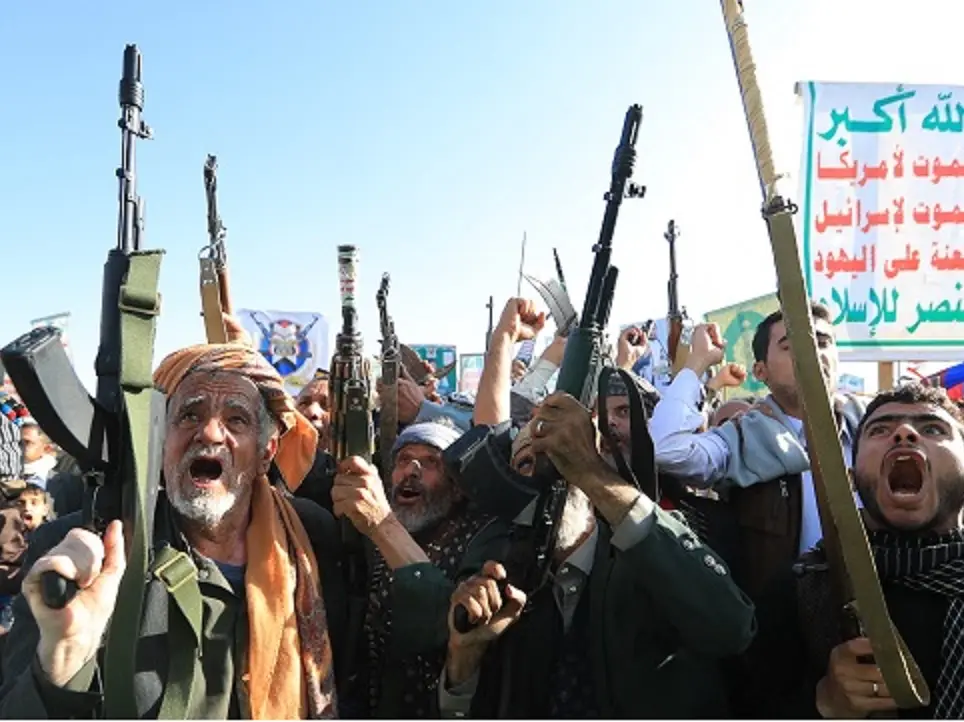
Houthis claim Riyadh airport attacks, Aramco strikes; issue fresh warning to airlines, travellers and workers
&imwidth=180&imheight=135&format=webp&quality=medium)
Portugal Federation confirms Cristiano Ronaldo’s return to national team despite suspension
&imwidth=180&imheight=135&format=webp&quality=medium)
US taps strategic petroleum reserve, releasing 4 million barrels after hurricane isaias disruption
&imwidth=180&imheight=135&format=webp&quality=medium)
Anthropic AI safety test uncovers website exploits, unpaid database access and fake police tip
&imwidth=180&imheight=135&format=webp&quality=medium)
The street cannot govern India, but the government cannot ignore it either
&imwidth=180&imheight=135&format=webp&quality=medium)
3 students killed as allegedly drunk 19-year-old rams Mini Cooper into scooter
&imwidth=180&imheight=135&format=webp&quality=medium)
Nana Patekar's cause of death confirmed; here's what his postmortem report says
&imwidth=180&imheight=135&format=webp&quality=medium)
Microsoft CEO Satya Nadella says AI models need an ‘emergency brake’ to prevent loss of control
What Vance said after negotiations?
Holding a news conference in Islamabad, Pakistan, after trilateral in-person talks between the US and Iran, Vance said that no deal was struck. Vance suggested the primary sticking point was Iran’s refusal to abandon its nuclear program. “We leave here with a very simple proposal, a method of understanding that is our final and best offer,” he said. “We’ll see if the Iranians accept it.” “The simple fact is we need to see an affirmative commitment that they will not seek a nuclear weapon and they will not seek the tools that would enable them to quickly achieve a nuclear weapon,” he said when asked about sticking points of the deal.
What Iran said after negotiations?
Iran issued several statements after negotiations. Iranian state broadcaster IRIB said that "unreasonable demands" by the United States failed the talks in Islamabad. Iran's foreign ministry said no one had held any expectation that talks with the United States could have reached an agreement within one session after the negotiations in Islamabad stalled on Sunday. Tehran also said that it is 'confident' its contact with Pakistan would continue.

