'Strait of Hormuz only closed for...': Araghchi says Iran ready to take war as far as necessary

&imwidth=600&imheight=450&format=webp&quality=medium "'Strait of Hormuz only closed for...': Araghchi says Iran ready to take war as far as necessary")
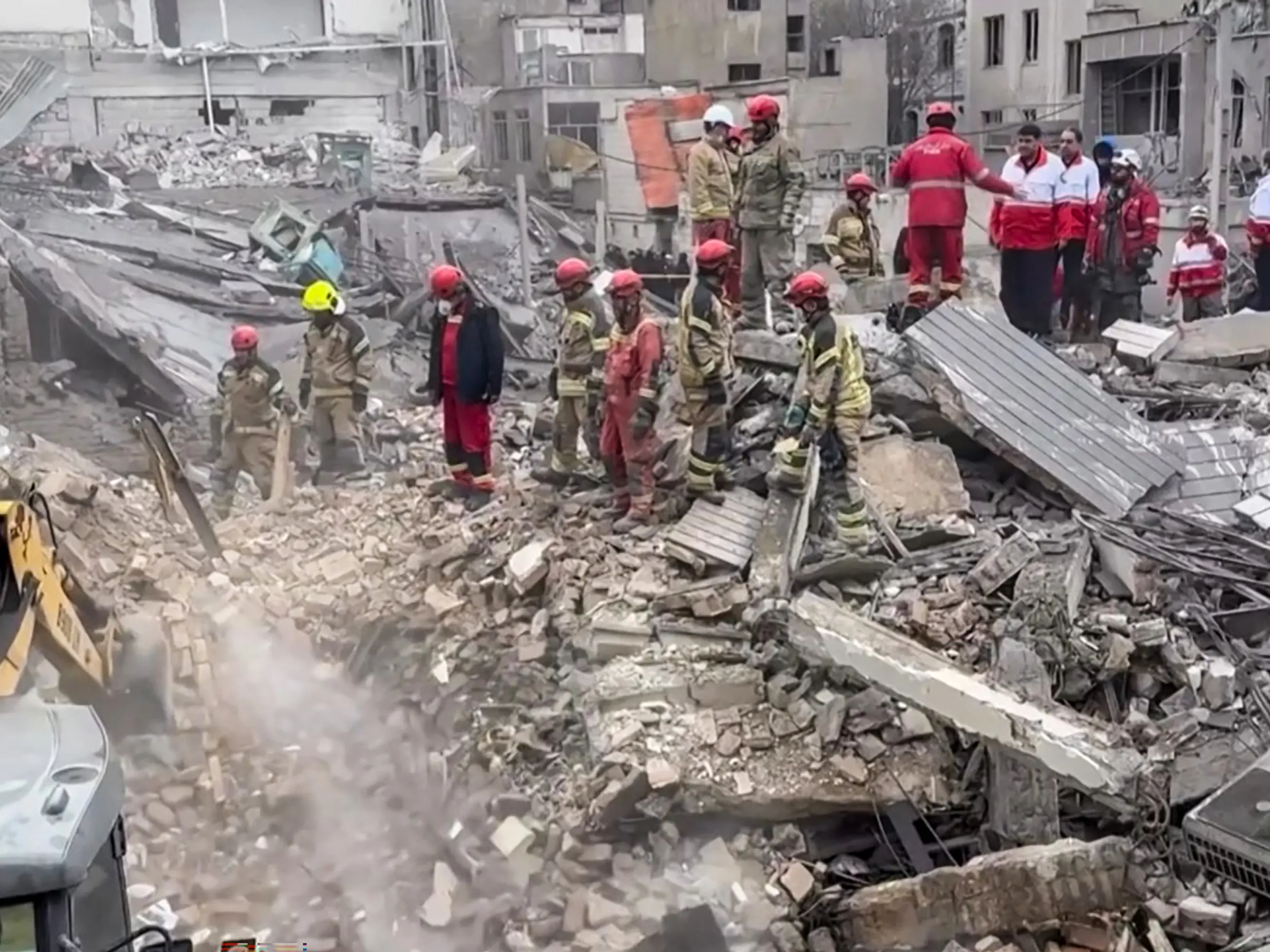
An image taken from an undated video released by the Iranian Red Crescent Society on March 15, 2026, shows members of the Iranian Red Crescent and Iranian firefighters searching the rubble of a collapsed building following a reported military strike in an undisclosed location. Photograph: (AFP)
At the United Nations, the Islamic Republic vowed not to submit to "lawless aggression," and said its citizens were in "grave danger" from US and Israeli strikes.
Iran's foreign minister, Abbas Araghchi, on Monday (March 16) said that the Strait of Hormuz is only closed for enemies and those supporting their aggression, and clarified that Iran has not requested a ceasefire while emphasising that any end to the war with the United States and Israel must be definitive, Reuters reported, citing the semi-official Students News Network.
A foreign ministry spokesperson maintained that states not party to the war have been able to transit their vessels through the strait with coordination and permission from Iranian forces.
Earlier in the day, Araghchi declared that Tehran had shown it was ready to take the war with Israel and the United States as far as necessary.
"I think by now they have learned a good lesson and understood what kind of nation they are dealing with, one that does not hesitate to defend itself and is ready to continue the war wherever it may lead, and take it as far as necessary," said Araghchi during a weekly foreign ministry briefing.
At the United Nations, the Islamic Republic vowed not to submit to "lawless aggression," and said its citizens were in "grave danger" from US and Israeli strikes. Tehran reprimanded the United Nations Human Rights Council in Geneva, where countries were discussing the rights situation in Iran following a deadly crackdown on protests in the recent past.
Trending Stories
&im=FitAndFill=(700,400))
)
)
)
)
)
)
)
)
)
)
&im=FitAndFill=(700,400))
)
)
&im=FitAndFill=(700,400))
)
)
)
)
&im=FitAndFill=(700,400))
)
)
)
)
)
)
)
)
)
)
)
&im=FitAndFill=(700,400))
"The most urgent and fundamental human rights issue concerning Iran is the imminent threat to the lives of 90 million people whose lives are in immediate and grave danger under the shadow of reckless military aggression," said Ali Bahreini, Iran's ambassador to the UN in Geneva.
Calling the war in West Asia "an aggression that is carried out by some of the most lawless and unscrupulous actors on the international stage," the Iranian ambassador cautioned that if such indifference continues, then "Iran will most certainly not be the last country to suffer such treatment".
These developments come as the war in West Asia entered its 17th day after joint US-Israeli strikes on February 28 targeted the top leadership of Iran, assassinating Supreme Leader Ali Khamenei on the opening day of the military campaign.
In retaliation, Iran launched missile and drone attacks on US bases across the region. It also announced the effective closure of the Strait of Hormuz, which accounts for nearly 20 per cent of global oil shipping. This led to a sharp rise in energy prices, with crude crossing $100 per barrel.
US President Donald Trump is facing mounting domestic and international pressure as the conflict in West Asia has triggered a global energy shock. With the Strait of Hormuz effectively closed to commercial traffic and crude oil prices surging by more than 40% since the start of the war, the administration is racing to implement emergency measures to stabilise the market.
(Disclaimer: WION takes utmost care to accurately and responsibly report ongoing conflicts in West Asia involving Israel, Iran, US, Gulf nations and non-state actors like Hezbollah, Hamas, Houthis, Islamic State, and others. Claims and counterclaims, disinformation and misinformation are being made online and offline. Given this context, WION cannot independently verify the authenticity of all statements, social media posts, photos and videos.)