‘Silence of virgin girl counts as consent’: Taliban formally recognises child marriage

&imwidth=600&imheight=450&format=webp&quality=medium "‘Silence of virgin girl counts as consent’: Taliban formally recognises child marriage")
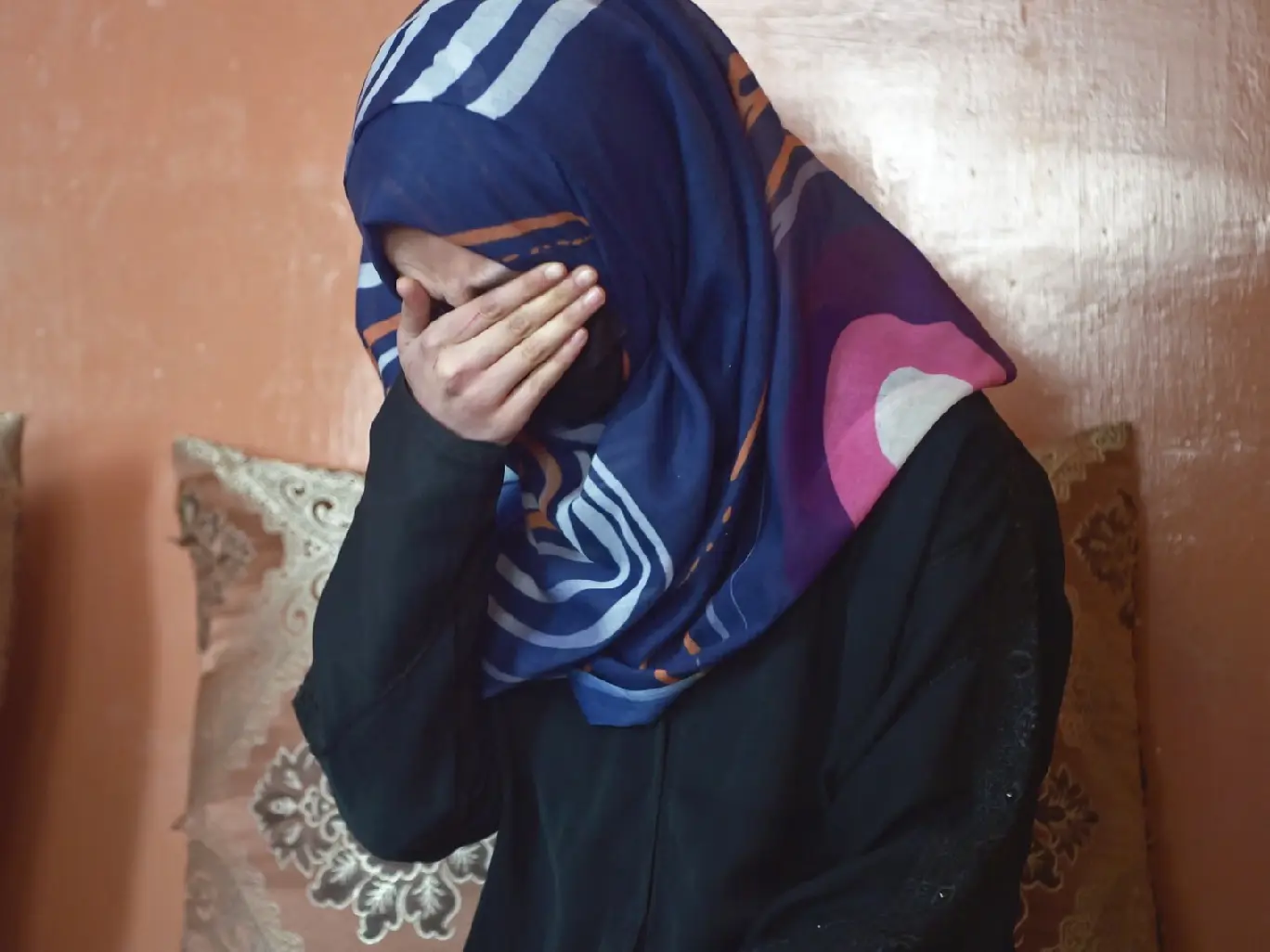
The provision in the law has drawn widespread criticism from international observers. Photograph: (AFP)
One of the most controversial provisions states that the silence of a “virgin girl” after reaching puberty may be interpreted as consent to marriage. The regulation then adds that the silence of a boy or a previously married woman, however, would not automatically count as consent.
The Taliban regime in Afghanistan has introduced a controversial new family law regulation governing marriages, divorce and child marriage, with one of the most debatable articles of the decree recognising the silence of a “virgin girl” as consent to marriage. However, the silence of a boy or a married woman cannot be taken to mean consent.
The law has drawn widespread criticism from international observers. The 31-article regulation, titled “Principles of Separation Between Spouses,” was approved by Taliban supreme leader Hibatullah Akhundzada and published in the regime’s official gazette in mid-May, reported Afghan media outlet Amu TV.
Also Read: ‘Clock is ticking for Iran, there won’t be anything left of them,’ says Trump in new warning
The document outlines rules governing child marriage, missing husbands, forced separation, apostasy, accusations of adultery and other religious and legal matters.
One of the most controversial provisions states that the silence of a “virgin girl” after reaching puberty may be interpreted as consent to marriage. The regulation then adds that the silence of a boy or a previously married woman, however, would not automatically count as consent.
Also Read: US and Israel trying to pit Muslim nations against one another, says President Masoud Pezeshkian
Trending Stories
&imwidth=280&imheight=210&format=webp&quality=medium)
&imwidth=280&imheight=210&format=webp&quality=medium)
&imwidth=280&imheight=210&format=webp&quality=medium)
&imwidth=280&imheight=210&format=webp&quality=medium)
&imwidth=280&imheight=210&format=webp&quality=medium)
&imwidth=280&imheight=210&format=webp&quality=medium)
&imwidth=280&imheight=210&format=webp&quality=medium)
&imwidth=280&imheight=210&format=webp&quality=medium)
&imwidth=280&imheight=210&format=webp&quality=medium)
&imwidth=280&imheight=210&format=webp&quality=medium)
&imwidth=280&imheight=210&format=webp&quality=medium)
&imwidth=280&imheight=210&format=webp&quality=medium)
&imwidth=280&imheight=210&format=webp&quality=medium)
&imwidth=280&imheight=210&format=webp&quality=medium)
&imwidth=280&imheight=210&format=webp&quality=medium)
&imwidth=280&imheight=210&format=webp&quality=medium)
&imwidth=280&imheight=210&format=webp&quality=medium)
&imwidth=280&imheight=210&format=webp&quality=medium)
&imwidth=280&imheight=210&format=webp&quality=medium)
&im=FitAndFill=(700,400)&imwidth=280&imheight=210&format=webp&quality=medium)
&imwidth=280&imheight=210&format=webp&quality=medium)
&imwidth=280&imheight=210&format=webp&quality=medium)
&imwidth=280&imheight=210&format=webp&quality=medium)
&imwidth=280&imheight=210&format=webp&quality=medium)
&imwidth=280&imheight=210&format=webp&quality=medium)
&imwidth=280&imheight=210&format=webp&quality=medium)
&imwidth=280&imheight=210&format=webp&quality=medium)
&imwidth=280&imheight=210&format=webp&quality=medium)
The decree also addresses “khiyar al-bulugh” or the “option upon puberty”, a concept in Islamic jurisprudence under which a child married at a young age may seek annulment after reaching puberty. However, annulment requires the consent of the religious courts.
According to Article 5 of the regulation, if relatives other than a child’s father or grandfather arrange the marriage of a minor, the marriage can still be considered legally valid if the spouse is deemed socially compatible and the dowry appropriate. The child may later seek annulment, but only through a Taliban court order.
Another provision says marriages involving a “non-compatible” spouse or an unfair dowry would not be considered valid. The regulation gives fathers and grandfathers broad authority over child marriages, although it says such marriages could be invalidated if guardians are found to be abusive, mentally unfit or morally corrupt.
The document also authorises Taliban judges to intervene in disputes involving accusations of adultery, religious conversion, prolonged absence of husbands and “zihar”, a classical Islamic concept in which a husband compares his wife to a female relative with whom marriage would be forbidden.
Under those provisions, judges may order separation, imprisonment or punishment in certain cases. The latest decree comes amid growing international criticism of the Taliban’s restrictions on women and girls since returning to power in August 2021. Girls in Afghanistan cannot study beyond the sixth grade, women are banned from universities, and severe restrictions have been imposed on employment, travel and public participation.
International organisations describe the Taliban’s policies as a system of “gender apartheid”.