
&imwidth=800&imheight=600&format=webp&quality=medium "'Serious talks': US and Iran in high-stakes discussion as military tensions escalate in Gulf")
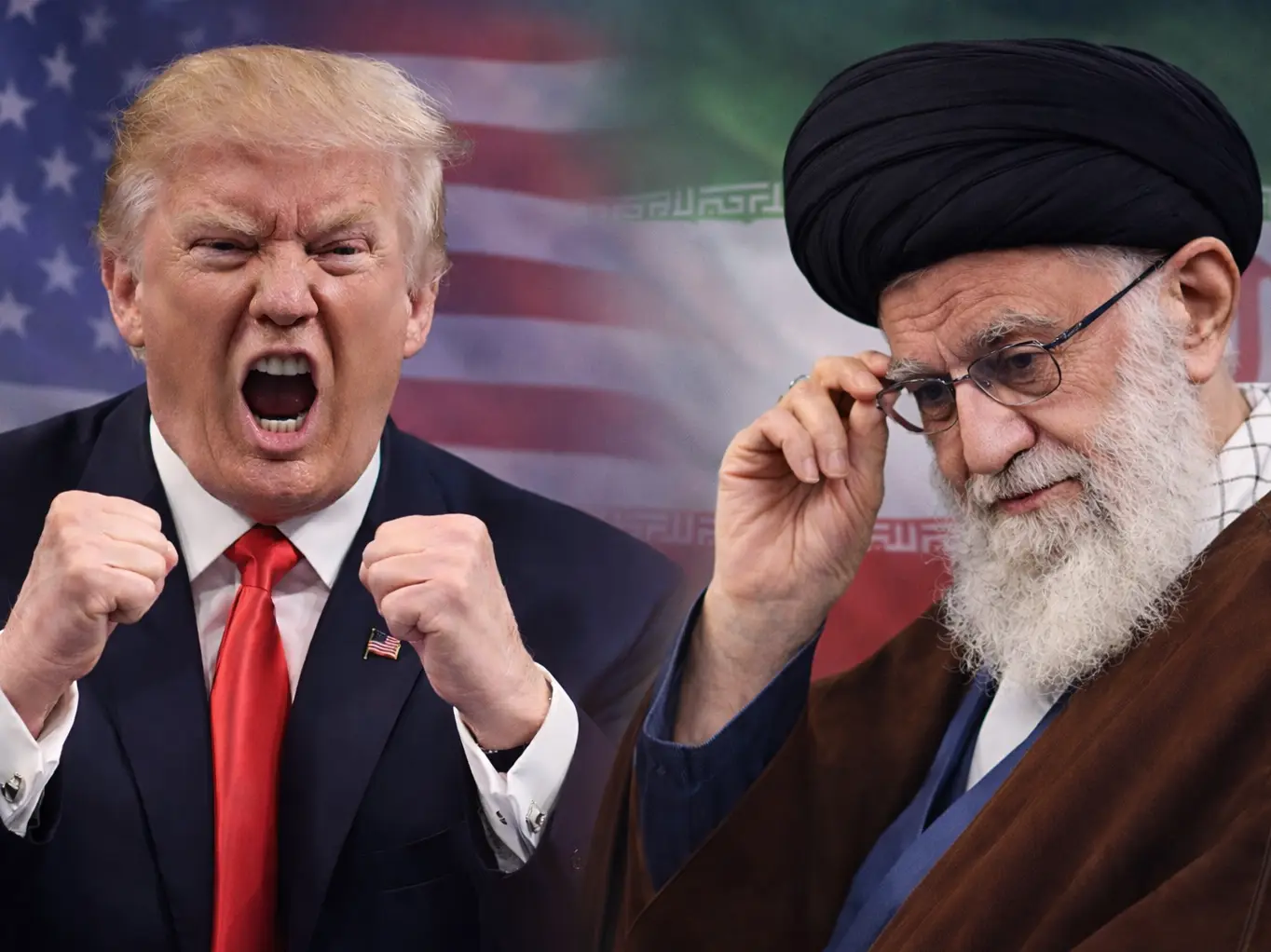
US President Donald Trump has said that Washington and Tehran are engaged in what he described as “serious talks,” following a significant increase in American military presence in the Gulf region. Speaking amid escalating tensions, Trump expressed hope that any agreement with Iran would be “acceptable,” while Iran’s senior security figure Ali Larijani confirmed that discussions were advancing toward a potential framework.
Relations between the two countries remain strained. Trump has repeatedly warned that the US could take military action over Iran’s nuclear program and its violent response to recent anti-government protests. Iranian officials, in turn, have vowed to respond swiftly and forcefully to any attack, whether on land or at sea. Iran is preparing to launch a two-day naval drill involving live ammunition in the Strait of Hormuz, a critical global shipping corridor. Roughly 20% of the world’s traded oil flows through the narrow passage, which at its tightest point is just 33km wide. Tehran has previously threatened to block the strait if it comes under attack.
The US has warned Iran against what it called “reckless or unsafe conduct” near American forces. As part of its military buildup, Washington deployed the aircraft carrier USS Abraham Lincoln to the region, with US Central Command confirming operations in the Arabian Sea. Iran’s Foreign Minister Abbas Araghchi criticised the US stance, accusing Washington of trying to dictate how Iranian forces should conduct exercises in what he called Iran’s own territory.

Also Read: India ups budget allocation for Afghanistan, Mongolia, Nepal, Sri Lanka but a cut for Bangladesh
Tensions rose further after two deadly explosions struck Iran on Saturday. In the southern port city of Bandar Abbas, a blast killed one person and injured 14 others. Authorities attributed the incident to a gas leak, dismissing online claims that a senior Revolutionary Guards naval commander had been targeted. Another explosion in Ahvaz, in the southwest, left at least four people dead. Officials again cited a gas leak as the cause, according to Iran’s Tehran Times.
Earlier this week, Trump said he had issued Tehran two conditions to avoid US military action: halting its nuclear ambitions and ending the killing of protesters. Human Rights Activists News Agency, based in the US, reports that more than 6,300 people have been killed since unrest erupted in late December, with investigations ongoing into thousands more deaths. Meanwhile, the Norway-based Iran Human Rights group warned the final death toll could surpass 25,000.
Trending Stories
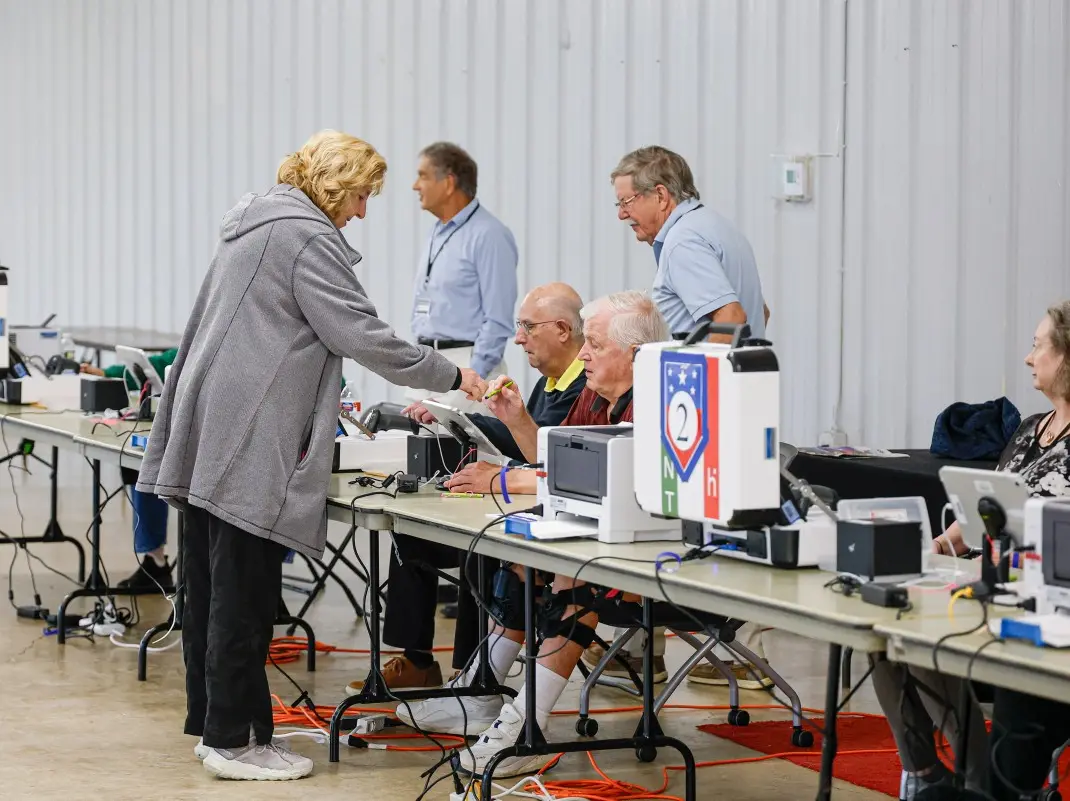)
US Supreme Court backs Trump administration's use of SAVE database to check voter citizenship
)
Heart of the Beast review: Brad Pitt leads a gripping tale of survival and loyalty
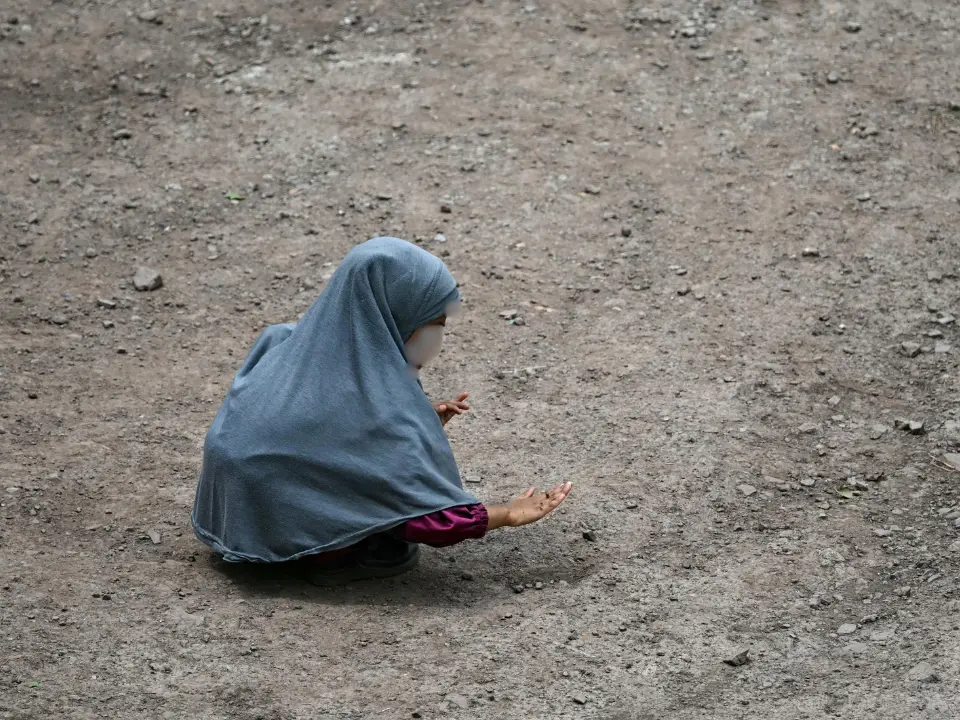)
Outrage erupts after 3-year-old is married to 60-year-old man in Pakistan, link to her sister's murder being probed
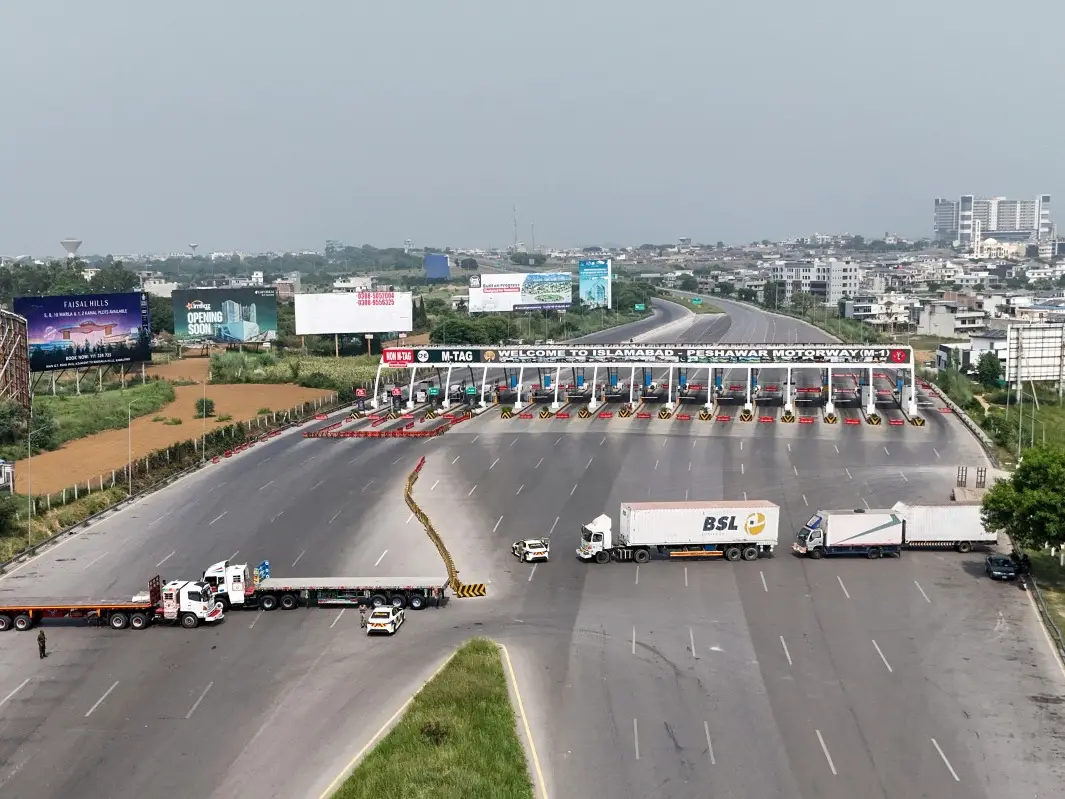)
Pakistan deploys over 20,000 security personnel as PTI vows march for Imran Khan's release
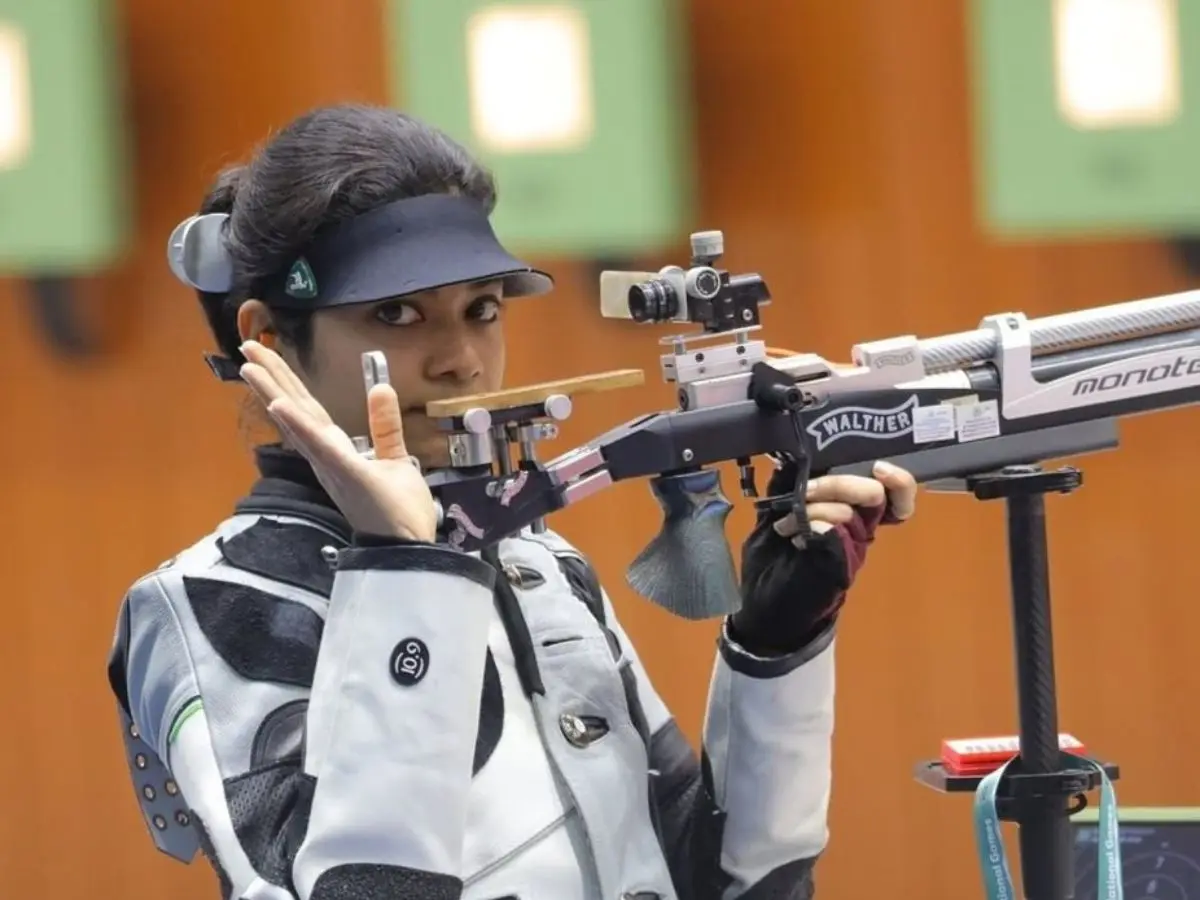)
Asian Games: Shooting spree continues as India win silver in women’s 50m rifle 3P team event
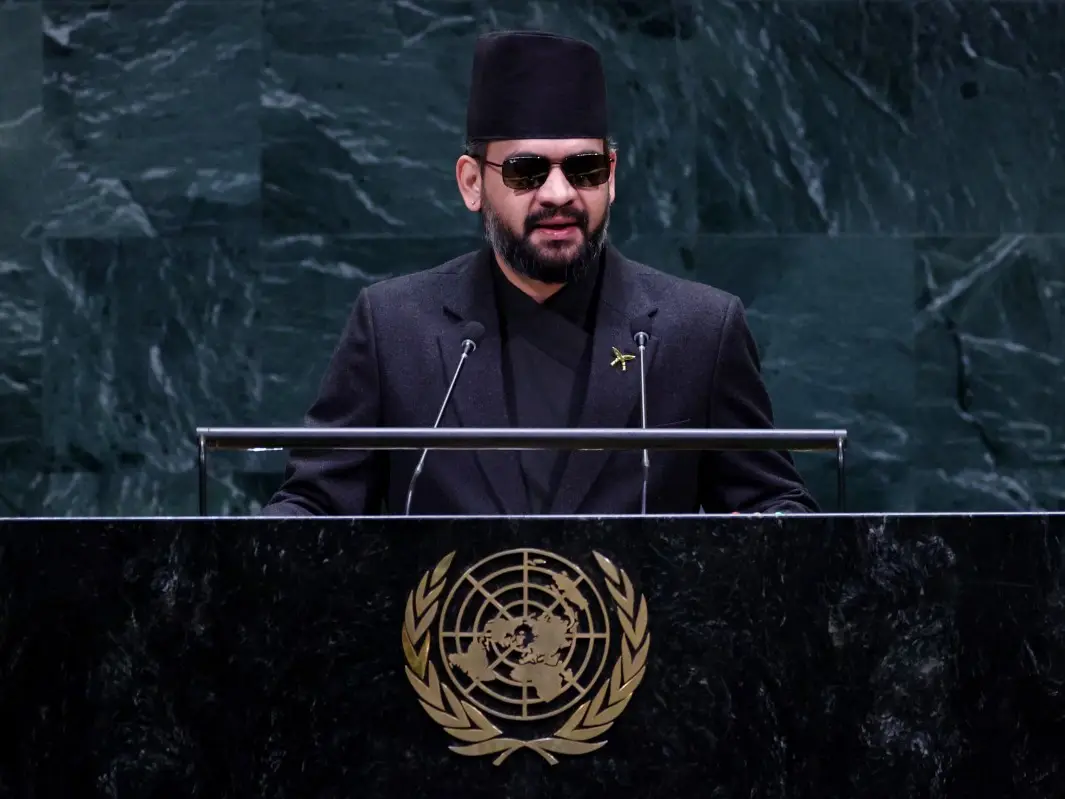)
‘Not just a local tragedy’: Nepal PM Shah warns UN of growing climate threat, says Nepal floods were 'a warning to the world'
)
OpenAI AI Agents hacked 4 websites before Hugging Face, researchers reveal
)
Pentagon quietly adds 37 wounded troops to Iran war tally without explaining when or how
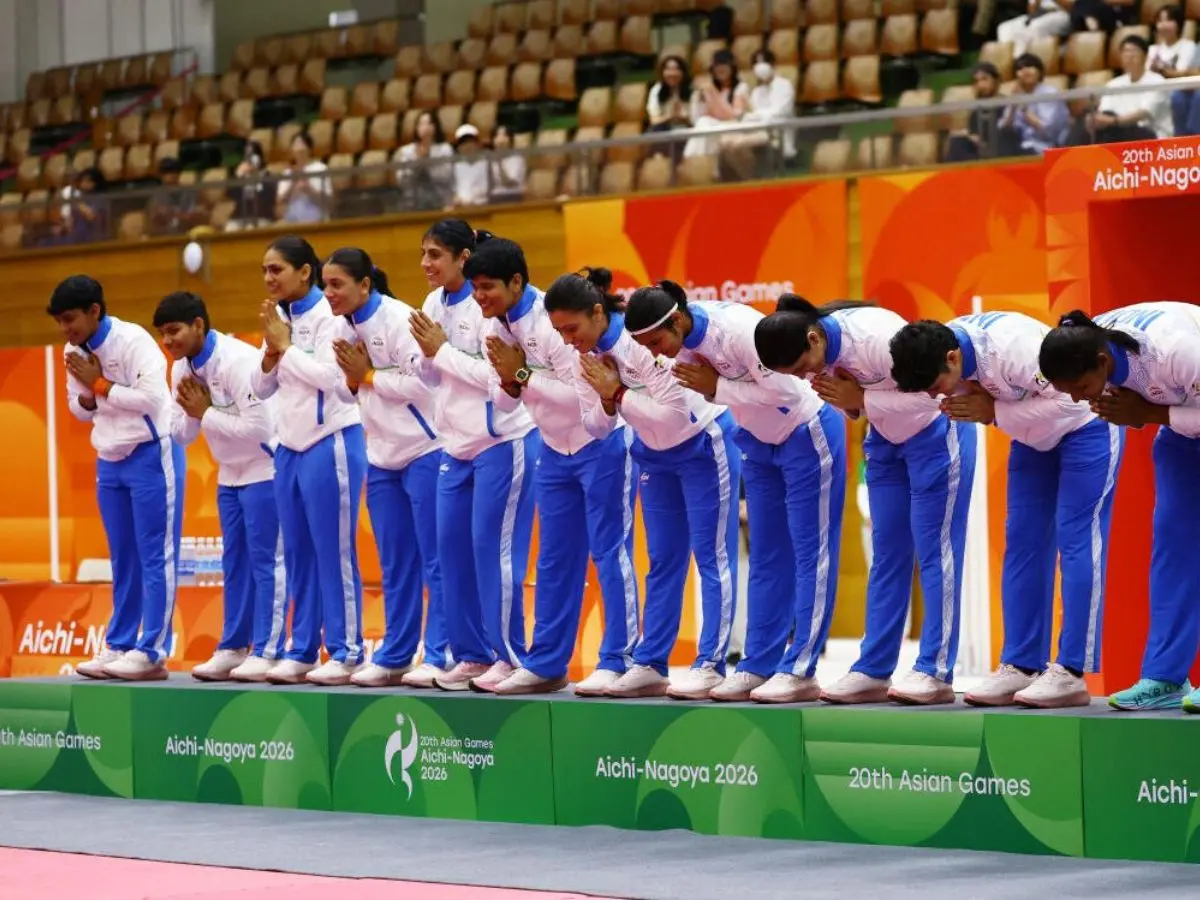)
Asian Games 2026: India women’s kabaddi team edge Iran 37-34 to clinch 3rd gold medal
&im=FitAndFill=(700,400))
New Friday OTT releases (September 25, 2026): Don’t Be Shy, Hunkkaar: The Roar, Mango Pachcha- 6 movies and TV shows on Netflix, Prime Video and more
)
Yemen's war escalates: Saudi-backed leader calls for general mobilisation against the Houthis
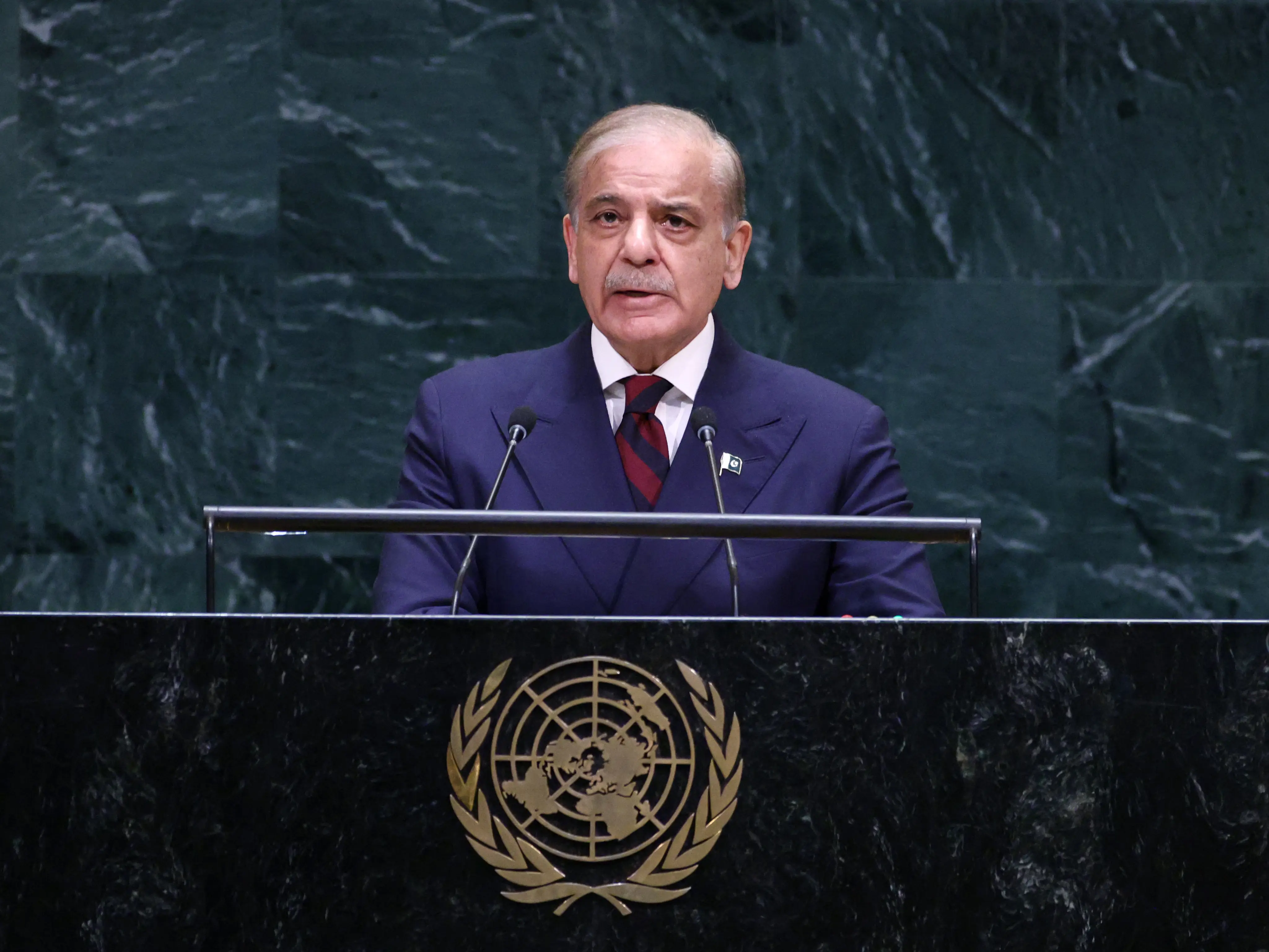)
‘Attack on Mecca a red line for Pakistan’: Shehbaz Sharif warns Houthis at UN
)
Tesla is preparing something big for Optimus: new Gen 3 models surface in app
)
Bias or safety concerns? Bengaluru CEO says firm will not hire men from UP, Bihar, Rajasthan, MP. Here's why
)
Did Hitler kill his niece Geli Raubal? Newly found records reopen a 95-year-old mystery
)
Nigeria Navy moves to boost oil security, tackle crude theft and infrastructure threats
)
Indian diplomat Petal Gahlot raises deteriorating situation in Pakistan-occupied Kashmir in right of reply at UN
)
Scientists detect first radio signals directly from faraway planet
)
‘It is all possible’: Putin weighs next steps on Ukraine talks, rules out Europe conflict
)
10,000 gather in support of 87-year-old forcefully evicted from home of 71 years
)
OpenAI investigates leak of 53 images linked to ChatgGPT users
)
Trump rejects Iran's 7-day ceasefire proposal as US weighs renewed bombing after midterms: Report
)
Red Sea crisis: Houthis promise not to target European ships; UNSC condemns Saudi attacks
)
Gaza's war turned environmental damage into second crisis
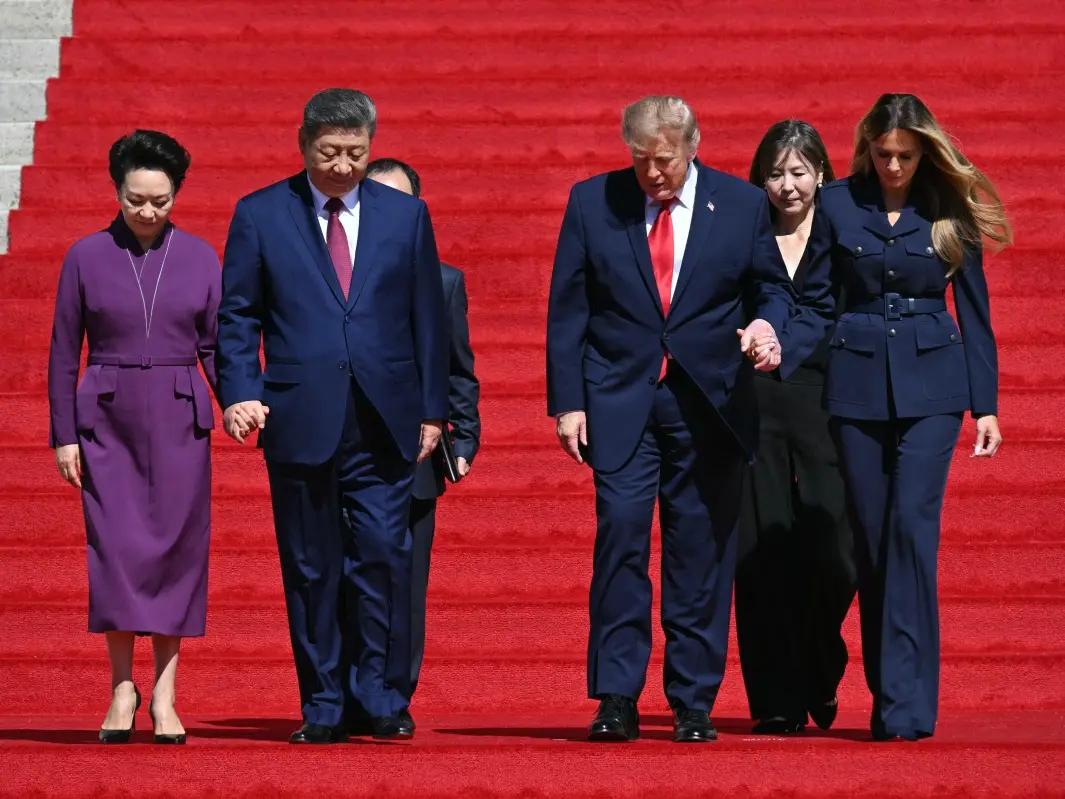)
Trump-Xi summit wrap: Big pageantry, Iran talks, few major developments and more meetings planned
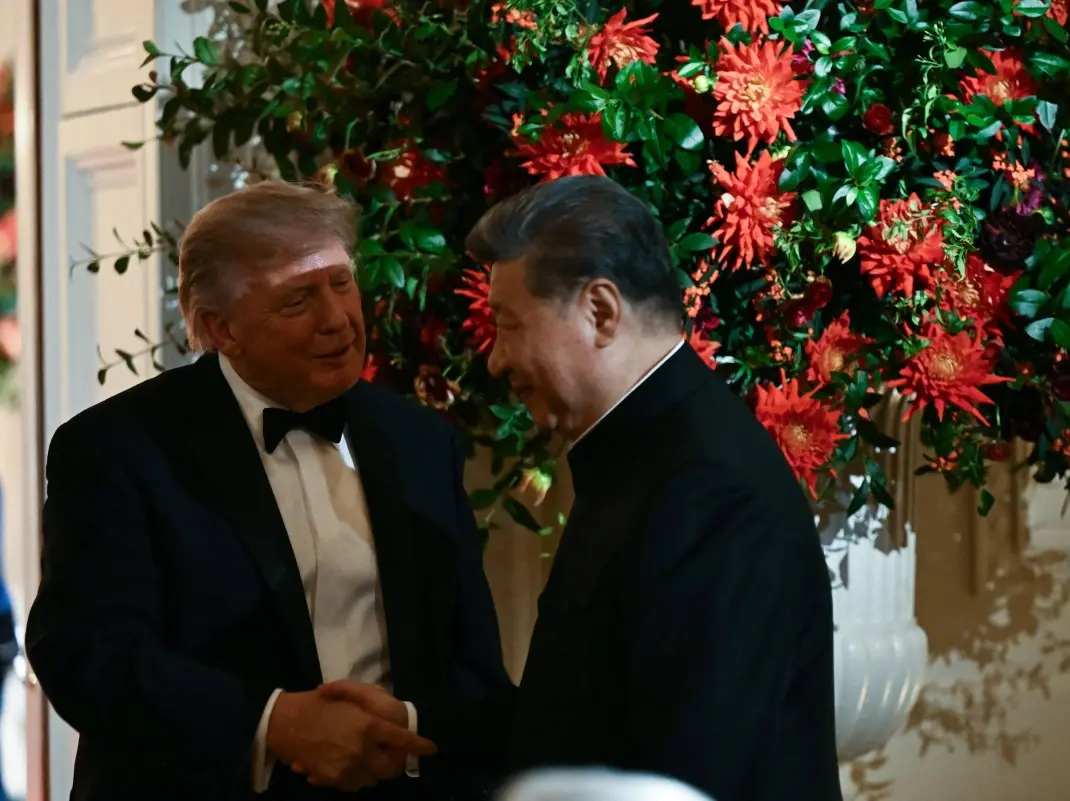)
'Making history': Xi Jinping praises Trump as US-China leaders dine at White House
)
India's UN Envoy slams Pakistan: 'They claim security by day, terrorism by night'
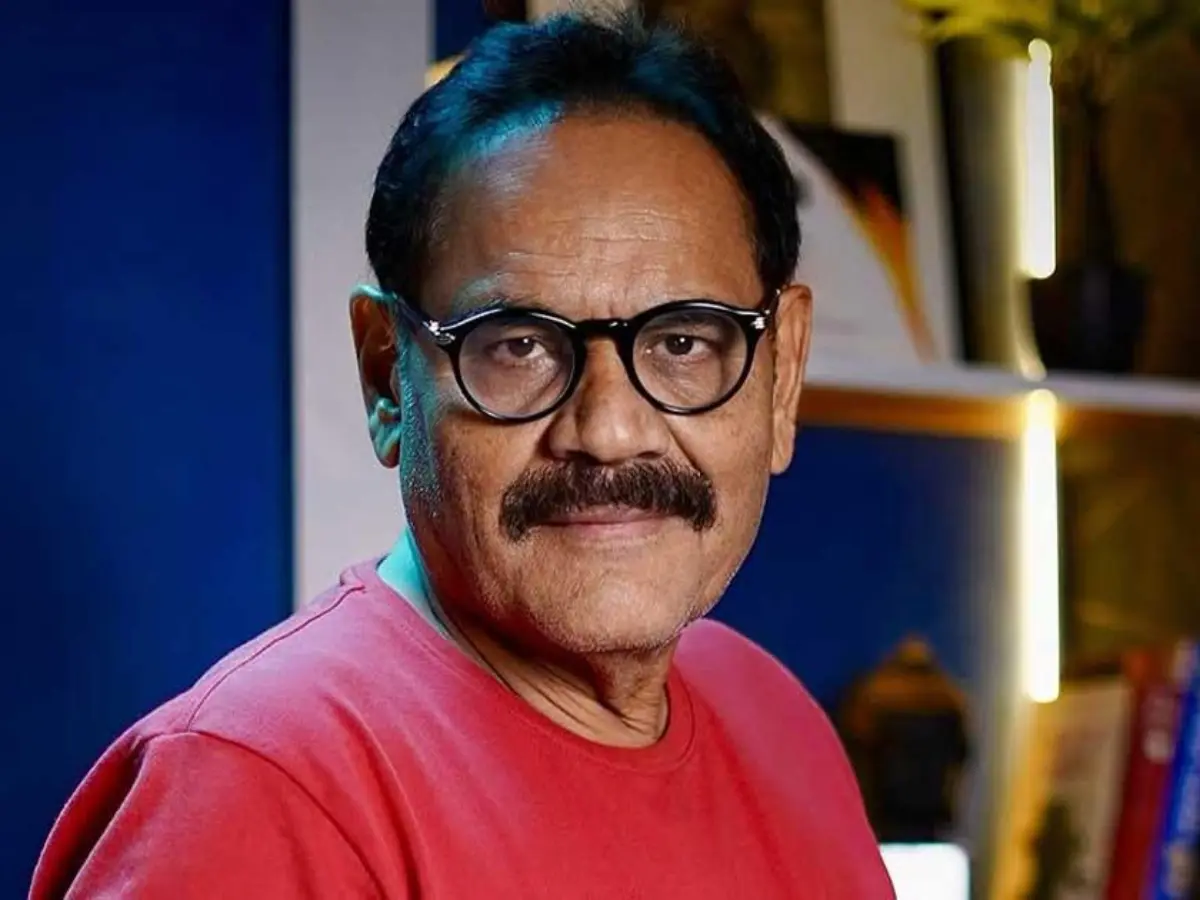)
Bollywood mourns Mushtaq Khan: Sunny Deol, Rajpal Yadav and others pay tribute
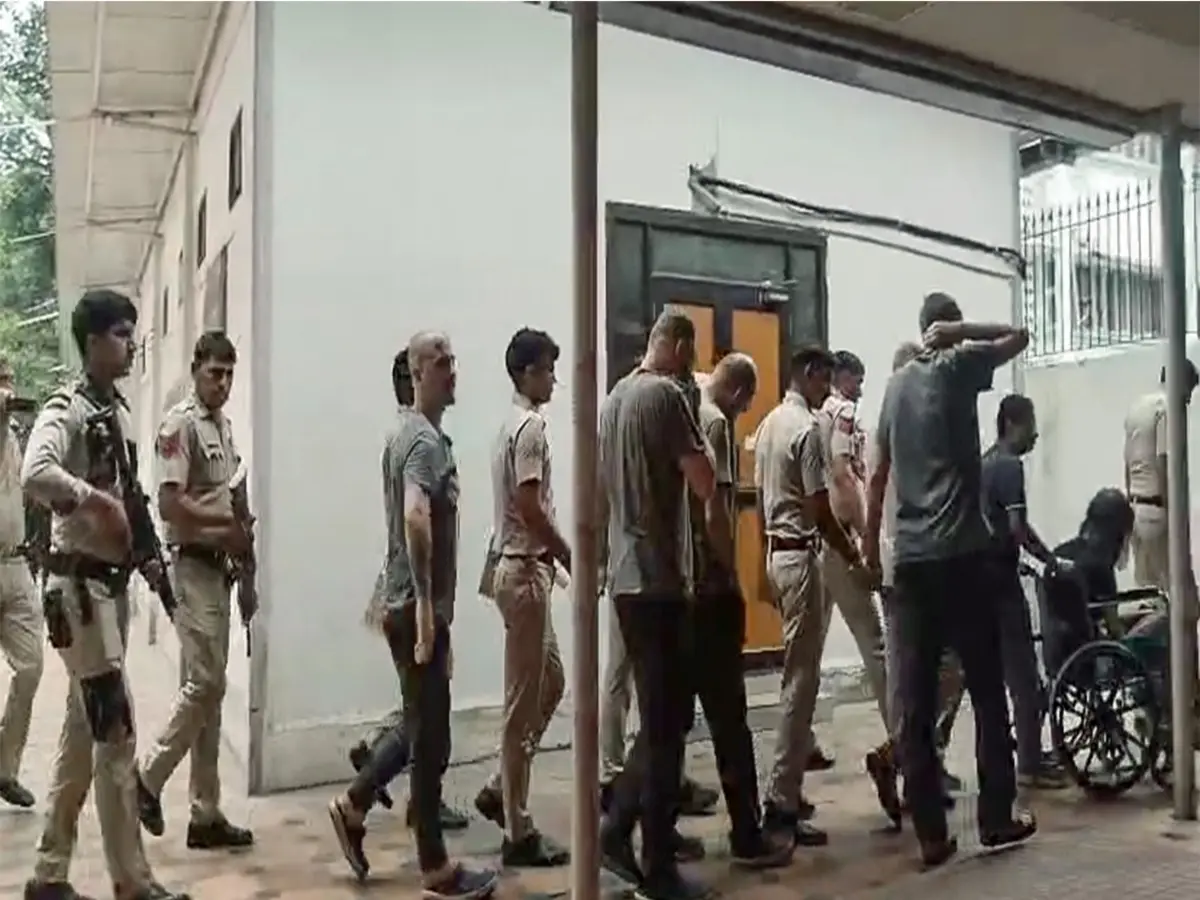)
Myanmar training camp case: US national, 6 Ukrainians allowed to meet their families abroad
)
'FIRST LOOK from inside Noah’s Ark': Researchers share video from inside mysterious mound in Turkey
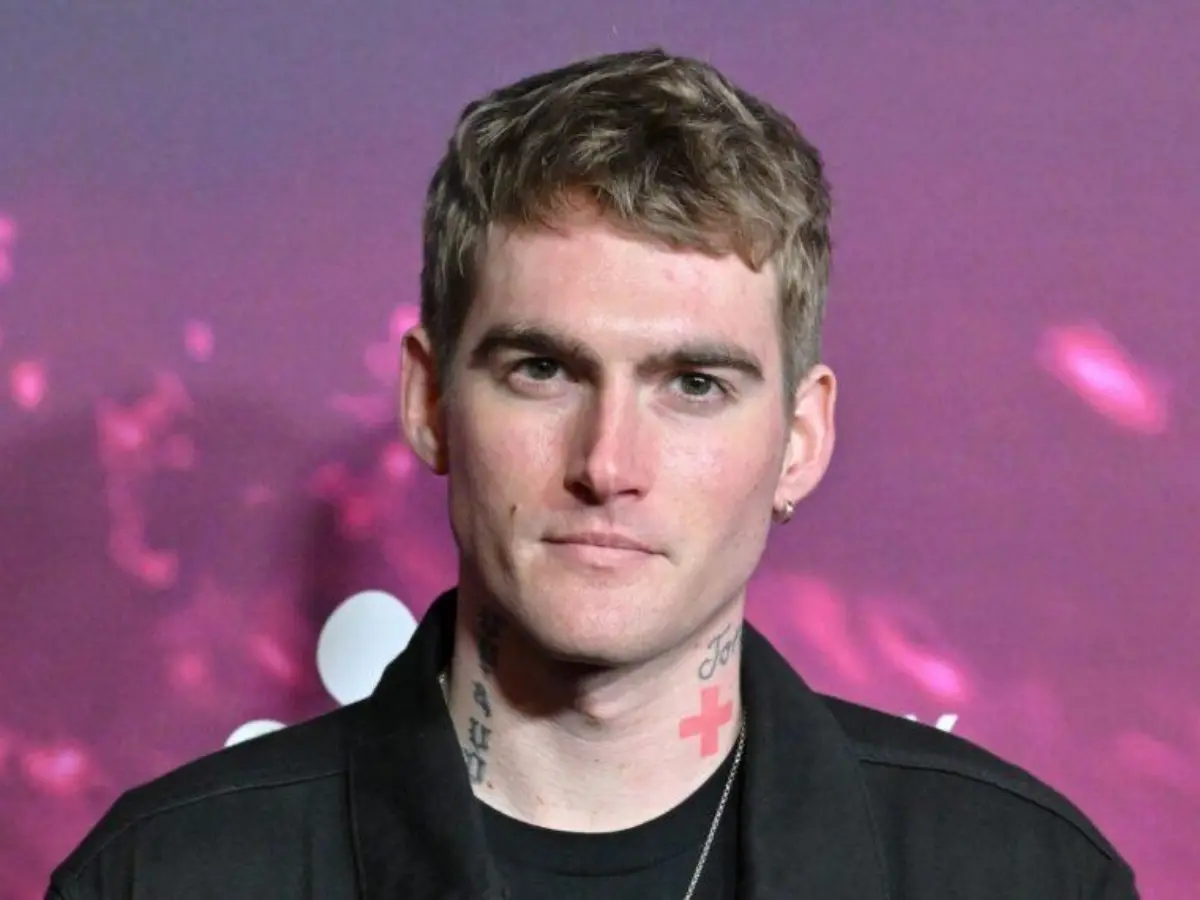)
Cindy Crawford’s son Presley Gerber cremated as death probe continues
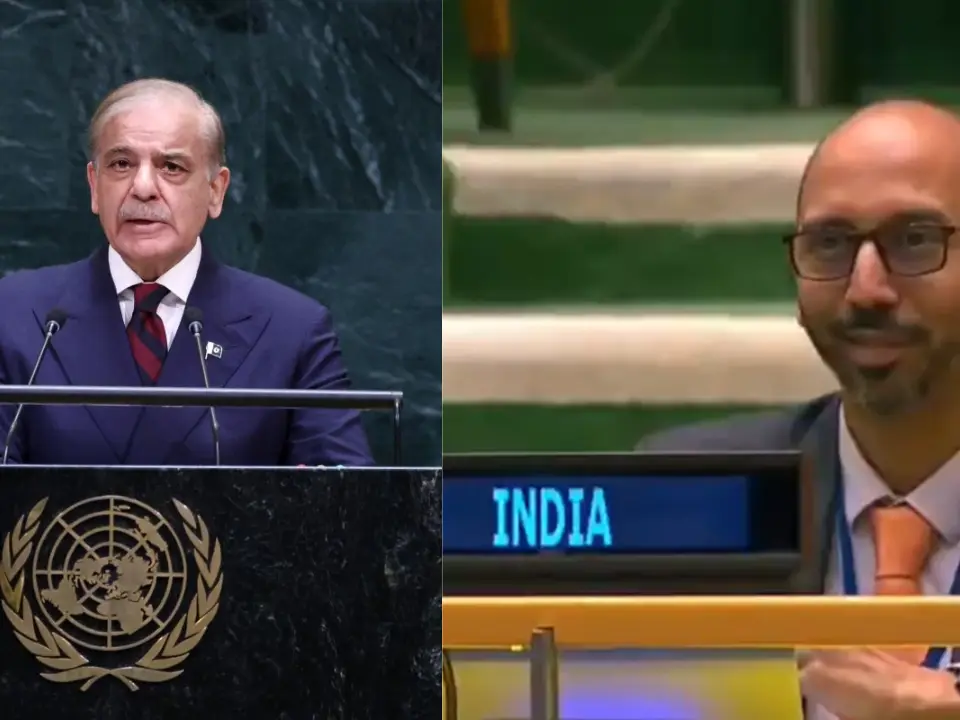)
WATCH | As Shehbaz Sharif claims Pakistan’s ‘victory’ during 2025 conflict, Indian diplomat R Srinivas laughs at UN
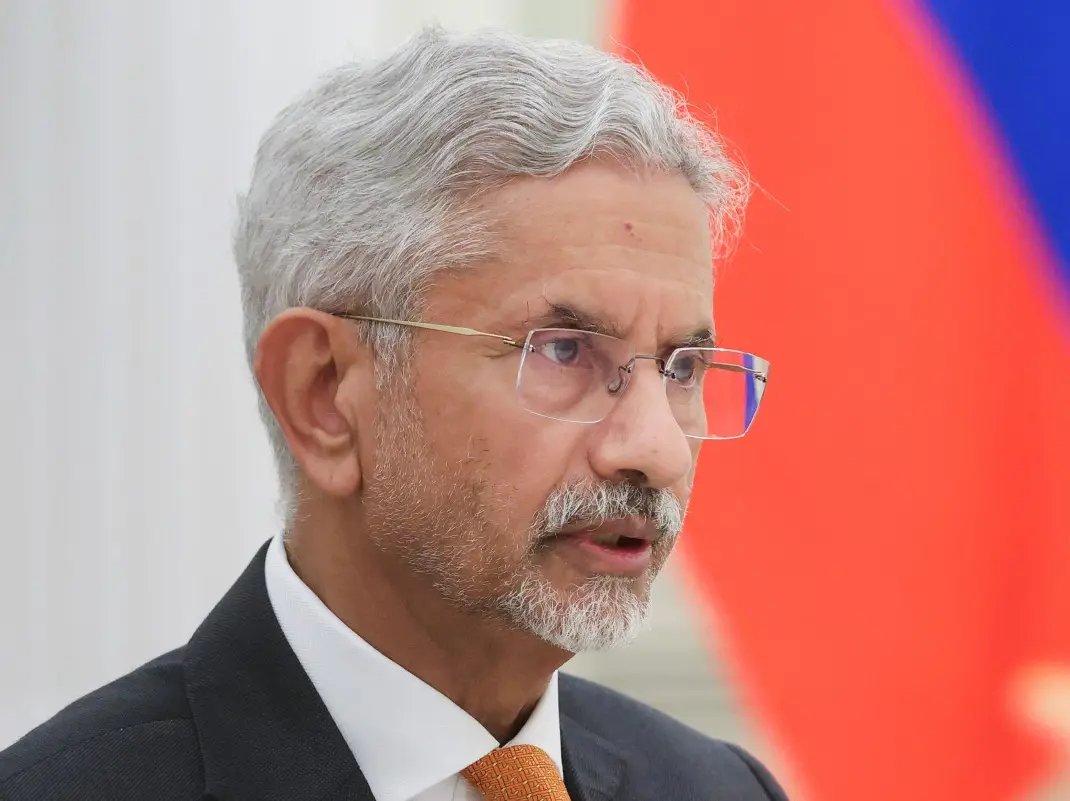)
'A terrorist country is asking me that question?': Jaishankar hits back at Pakistani journalist at UN; flags attacks on commercial shipping
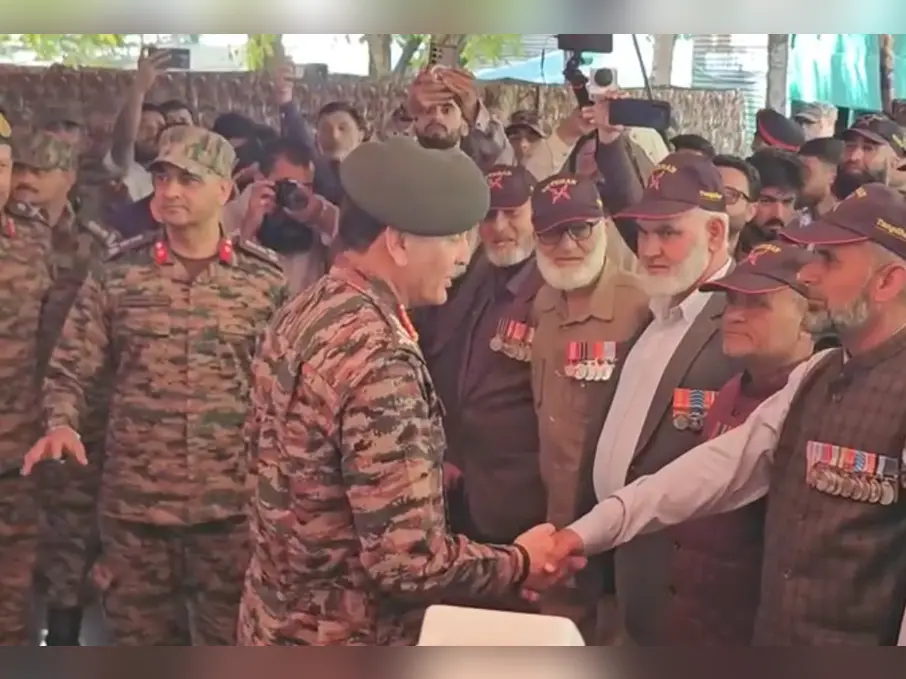)
Army chief reviews operational preparedness along LoC, visits mega eye camp in Tangdhar
)
US court backs Pentagon's decision to exclude Anthropic over Claude AI restrictions
Demonstrators told the BBC that the violence used by security forces was unprecedented in their experience. Iran’s Supreme Leader Ayatollah Ali Khamenei rejected the protesters’ claims, accusing them of attacking police, the Revolutionary Guards, and public institutions such as banks and mosques. According to the Tasnim news agency, Khamenei said what he described as a “coup” had been defeated.

