&imwidth=800&imheight=600&format=webp&quality=medium "'No more exits for now': UAE is reassessing multilateral ties after its OPEC departure, rules out further withdrawals")
The United Arab Emirates’ decision to leave OPEC, effective 1 May, marks a significant shift in the global oil architecture, removing one of the cartel’s largest producers from its production quota system after nearly six decades of membership. While OPEC and its allies are expected to maintain coordinated supply policy, the move has triggered a broader reassessment in Abu Dhabi, of its engagement across multilateral organisations, even as officials stress that no further withdrawals are being considered.
A UAE official told Reuters that the country is ‘reviewing the utility of its membership in multilateral organisations broadly” but is “not considering any further withdrawals at this time’. The statement follows speculation over whether Abu Dhabi could reconsider participation in other regional bodies, including the Arab League and the Gulf Cooperation Council (GCC), following its surprise decision to leave OEPC and OEPC+.

OPEC+ cohesion expected despite widening Saudi rift
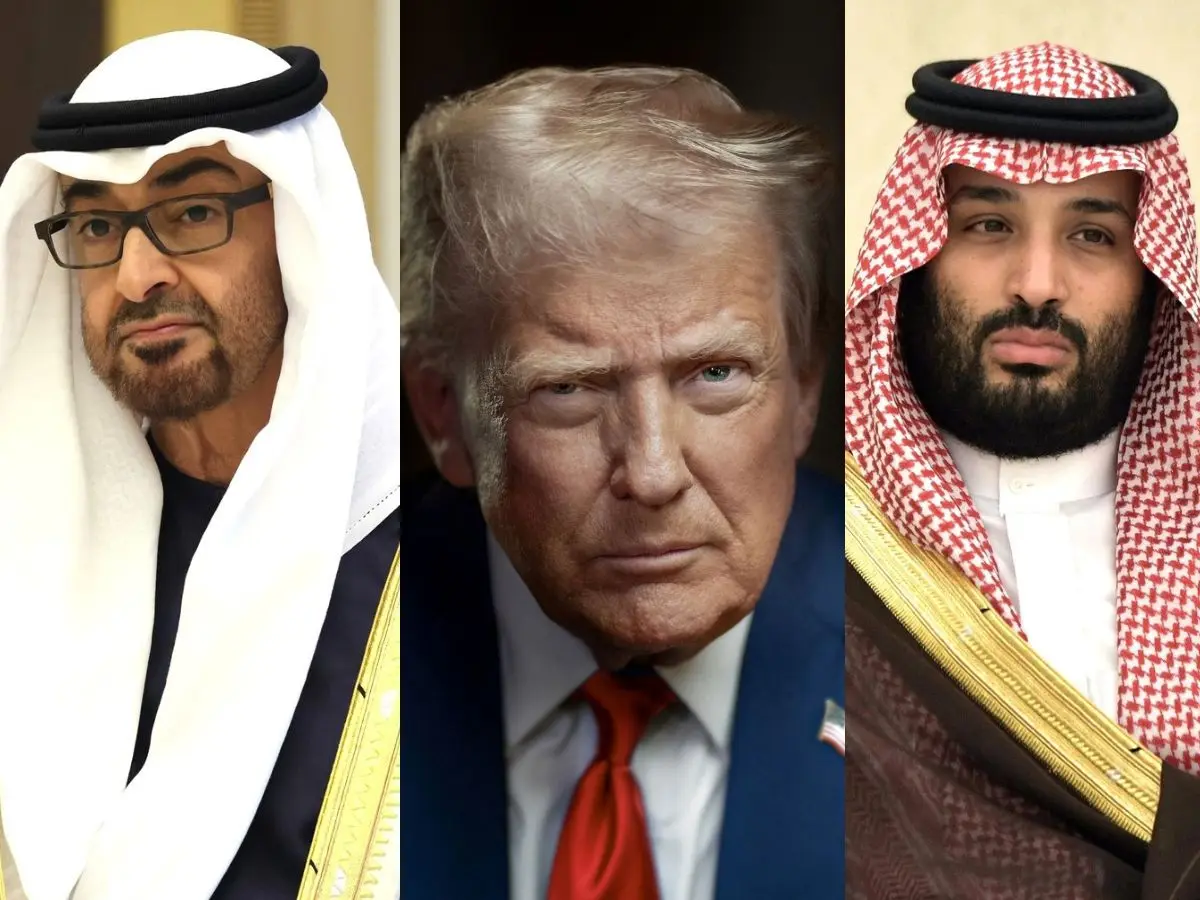
OPEC+ delegates and analysts said the wider producer alliance is likely to remain intact, continuing coordination on oil supply policy despite the UAE’s departure. However, the exit of the UAE, the fourth-largest producer in OPEC, underscores growing friction with Saudi Arabia, the group’s de facto leader.
Trending Stories
)
Why asking questions could be more important than memorising answers
)
BRICS Summit 2026 full schedule: Day-wise agenda, timings and key issues - All you need to know
)
BRICS Summit 2026: Iran's Pezeshkian praises PM Modi at BRICS
)
BRICS rejects EU carbon tax as ‘punitive’, ‘discriminatory’; warns of burden on Global South
)
'Iran won't surrender': Pezeshkian sends blunt message to US while attending BRICS Summit in India
)
Why dehydration is the hidden cause of travel fatigue on long flights
)
Top 5 places to visit in Goa beyond its famous beaches
)
'He is popular...': Malaysian PM Anwar Ibrahim's praise for PM Modi during bilateral meeting | WATCH
)
BRICS Summit 2026: 30+ countries seek BRICS membership
)
Frustrated man demolishes his kitchen after thousands flock to see Mother Mary his wife spotted on the wall
)
BRICS Summit 2026: PM Modi, Xi reach key consensus on ties, China to assume BRICS chairmanship in 2027
)
Trump says Canada eager to reach a deal, it could come ‘fairly soon’ if Ottawa treats US farmers better
)
From drones to KAAN fighters: Turkey outlines 229% surge in defence spending amid regional shifts
)
‘Partners, not rivals’: Xi outlines four point plan for stronger India-China ties
)
Could staying indoors all day affect your health?
)
Bigg Boss 20: Uditi Singh reacts to ex Karan Wahi’s possible wildcard entry
)
Why going digital does not always mean becoming more efficient
)
800 million years old - Scientists discover 'fingerprints' of supercontinent Gondwana in ancient rocks
)
Israel spent nearly $470,000 on PM's hair, makeup since 2019, data shows
)
From severe mobility problems to recovery: Madhuri the elephant’s journey of wildlife care
)
BRICS Summit day 1: New Delhi declaration adopted with full consensus, big diplomatic win for India
)
From India, Putin warns Europe against sending troops to Ukraine, Zelensky expresses willingness to meet him at G20 Summit
)
Did Iran President Pezeshkian touch feet of Hindu spiritual leader at Delhi event as shown in viral video?
)
9-year-old Chennai prodigy clears Cambridge IGCSE grade 10 exams
)
Reacher actor Alan Ritchson, wife Catherine part ways after 20 years of marriage
)
Why does your body need time to adjust after a long journey?
)
Baba Vanga's first prophecy for 2027 is out, and straight out of science fiction
)
Why does your skin need protection from UV rays?
)
How does the loss of forests affect the way wildlife lives and moves?
)
IND vs AFG, 1st T20I: When and where to watch live streaming in India?
)
Anthropic is giving Claude to schools free, and the reason is not philanthropy
)
BRICS Summit: China resumes Guangzhou-New Delhi flight, issues 'good-neighbourliness' remark ahead of Xi-Modi meet
)
Why do wild animals need quiet places to survive?
)
Humans may lose control of AI: Anthropic CEO calls for slowdown, Altman, Musk back him
Abu Dhabi was producing around 3.4 million barrels per day, or roughly 3 per cent of global crude supply, before production adjustments linked to regional conflict conditions. Its departure removes one of the bloc’s most influential producers from the quota framework that has long balanced global supply and demand.
ALSO READ: UAE’s exit from OPEC: A sign of a widening rift with Saudi Arabia and a win for Trump — how?
Strategic recalibration and shifting alliances
The move comes amid what officials describe as a wider reassessment of alliances in Abu Dhabi. Senior UAE official Anwar Gargash told Reuters, “Strategic autonomy remains the UAE’s enduring choice,” adding that the country would “scrutinize” its regional and international relationships “to determine who can be relied upon”.
He also remarked, “It is true that, logistically, the GCC countries supported each other, but politically and militarily, I think their position was the weakest in history.” The UAE has strengthened ties with the United States and Israel since the 2020 Abraham Accords, viewing the relationship as a strategic channel to Washington and a tool for regional influence.