UAE’s exit from OPEC: A sign of a widening rift with Saudi Arabia and a win for Trump — how?

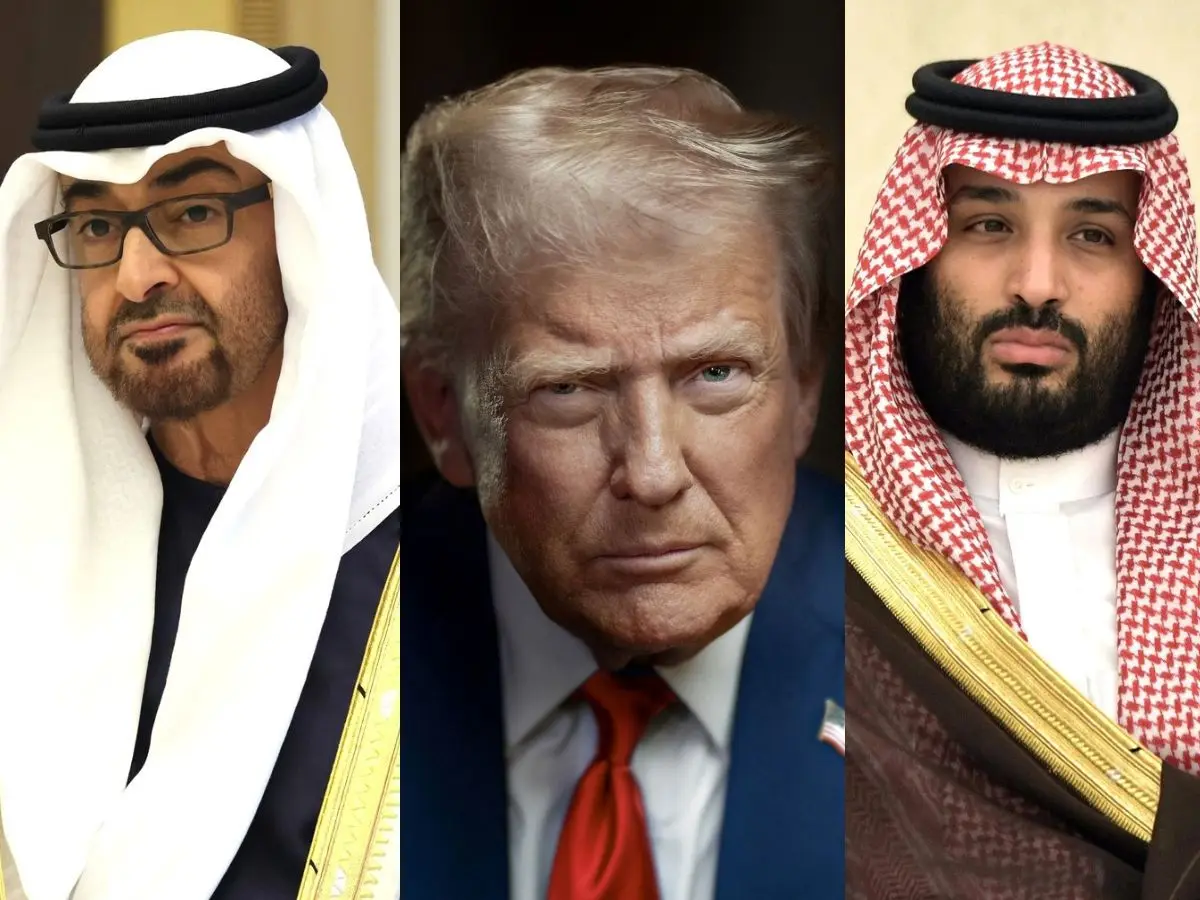
The UAE, which joined OPEC in 1967, will formally exit on May 1, ending nearly six decades of membership. As the group's third largest producer, its departure from OPEC and OPEC+, weakens the influence of these bodies over global oil supply.
A strategic exit amid global energy tensions
The United Arab Emirates’ decision to leave Organization of the Petroleum Exporting Countries marks a significant shift in global energy politics. Announced during a period of heightened instability driven by the Iran war, the move reflects both economic calculation and geopolitical positioning. UAE Energy Minister Suhail Mohamed al-Mazrouei described it as a “policy decision” taken after assessing current and future production strategies. The UAE, which joined OPEC in 1967, will formally exit on May 1, ending nearly six decades of membership. As the group's third largest producer, its departure from OPEC and OPEC+, weakens the influence of these bodies over global oil supply.
Breaking from quotas and Saudi dominance
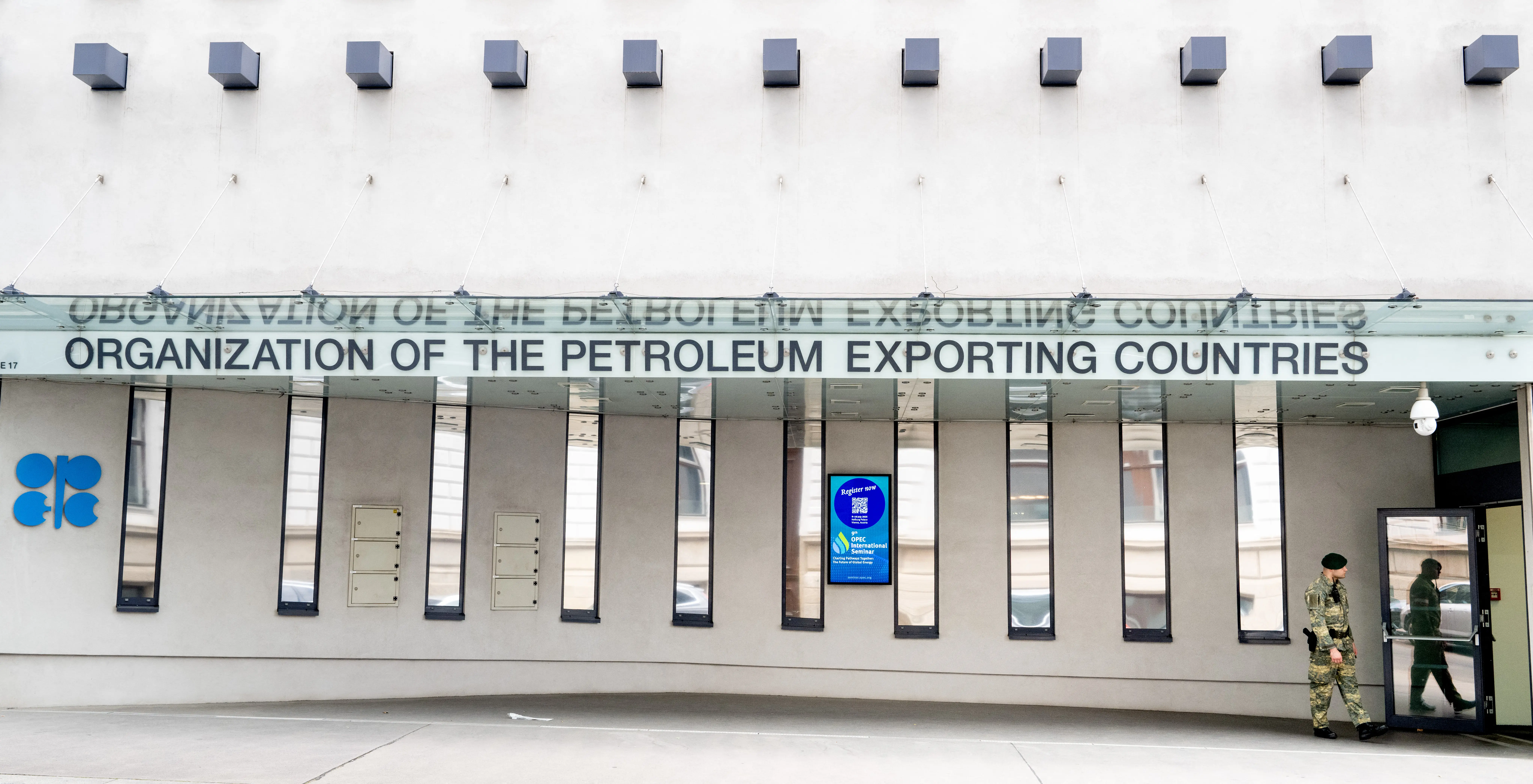
At the centre of the decision lies a long-standing tension over production limits. OPEC was founded in Baghdad in September 1960 by Iran, Iraq, Kuwait, Saudi Arabia and Venezuela, with an objective to co-ordinate and unify petroleum policies among Member Countries. The body has since expanded to include Algeria, Angola, Congo, Equatorial Guinea, Gabon, Libya, Nigeria and the United Arab Emirates, which joined as the Emirate of Abu Dhabi in 1967. It has traditionally coordinated output to stabilise prices, with Saudi Arabia acting as its de facto leader. For the UAE, these quotas have increasingly constrained its ability to expand exports despite possessing significant spare capacity.
Saudi Arabia’s central role under strain
Outside the group, Abu Dhabi gains flexibility to increase output and respond to anticipated global demand. According to state-run ADNOC, the UAE aims to raise production from around 3.4 million barrels per day to 5 million by 2027. Analysts note that this autonomy allows the country to maximise revenues at a time when energy markets remain volatile.

A widening rift with Saudi Arabia
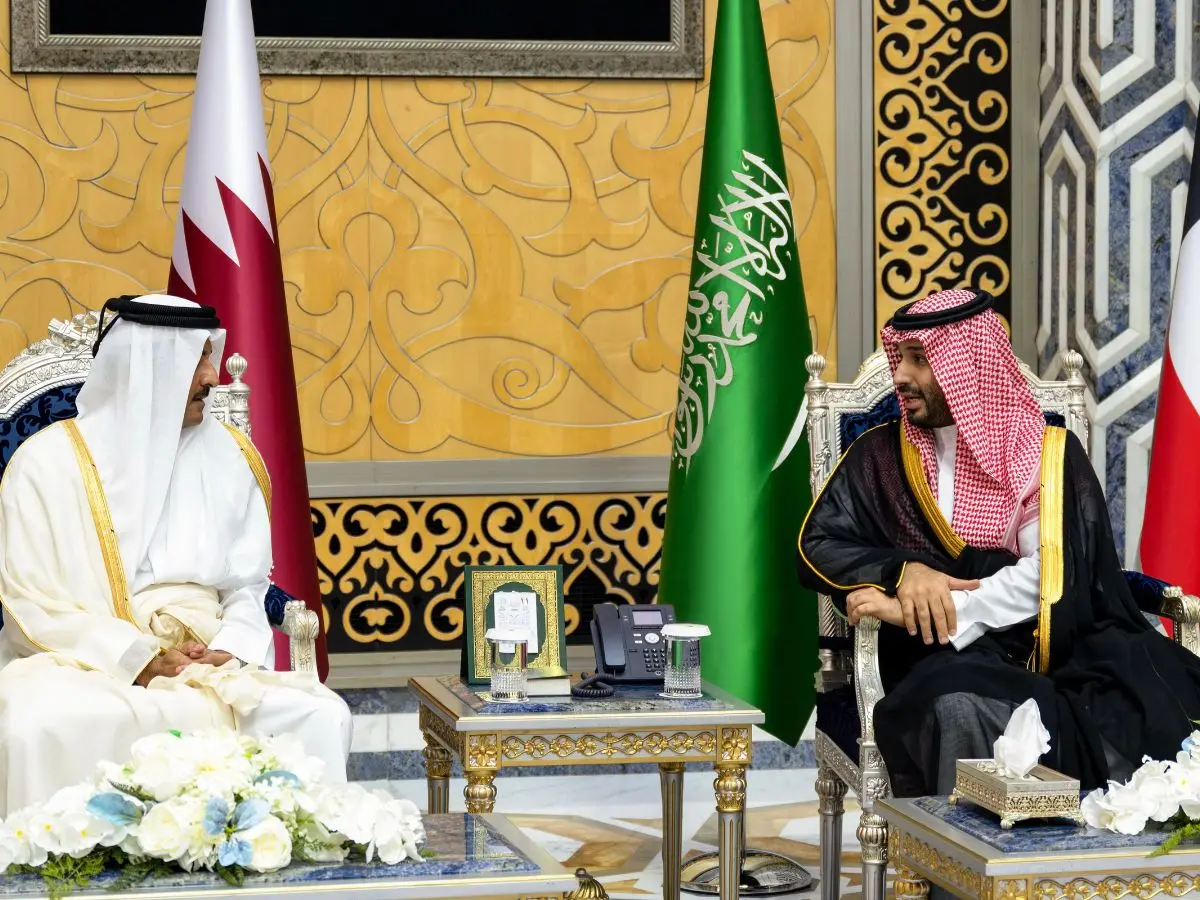
The exit also highlights a growing divergence between Abu Dhabi and Riyadh. Once closely aligned, the two Gulf powers have clashed over oil policy, regional conflicts and economic competition. The UAE’s increasingly independent foreign policy, including stronger ties with the United States and Israel following the 2020 Abraham Accords, reflects a broader shift in its strategic priorities. The departure from OPEC is seen as a blow to Saudi Arabia’s influence, raising questions about its role as the central stabiliser of oil markets.
US pressure and oil politics
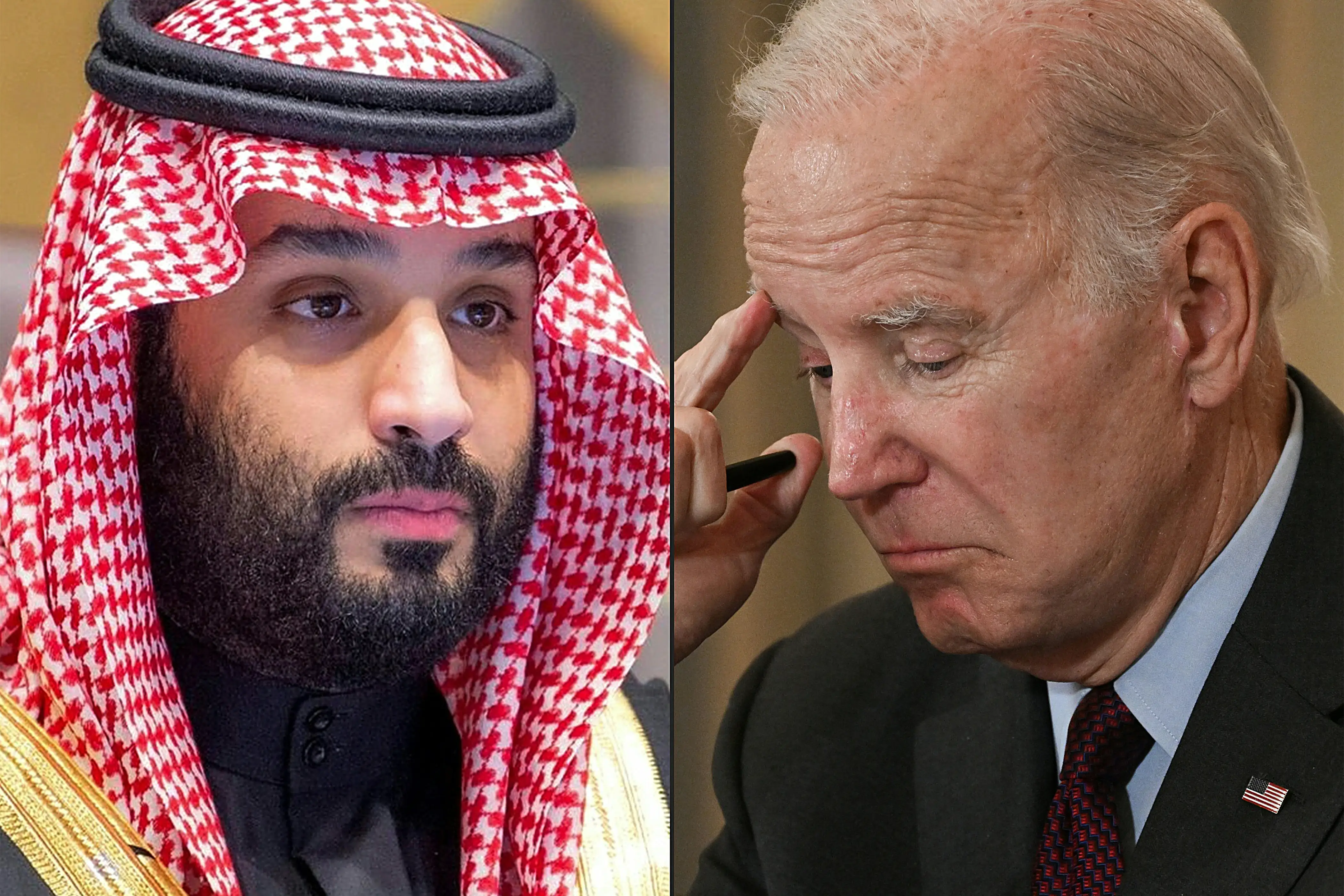
Successive US administrations have sought to influence OPEC by leveraging the strategic relationship with Saudi Arabia to shape production levels in line with American interests. In April 2020, the administration of Donald Trump pressed Riyadh to curb output, helping secure a production cut of 9.7 million barrels per day to resolve a price war with Russia. Later, the Biden administration warned of 'consequences' for US-Saudi ties after OPEC+ announced output cuts in October 2022, though these threats were not ultimately enforced.
Why it aligns with Trump’s stance
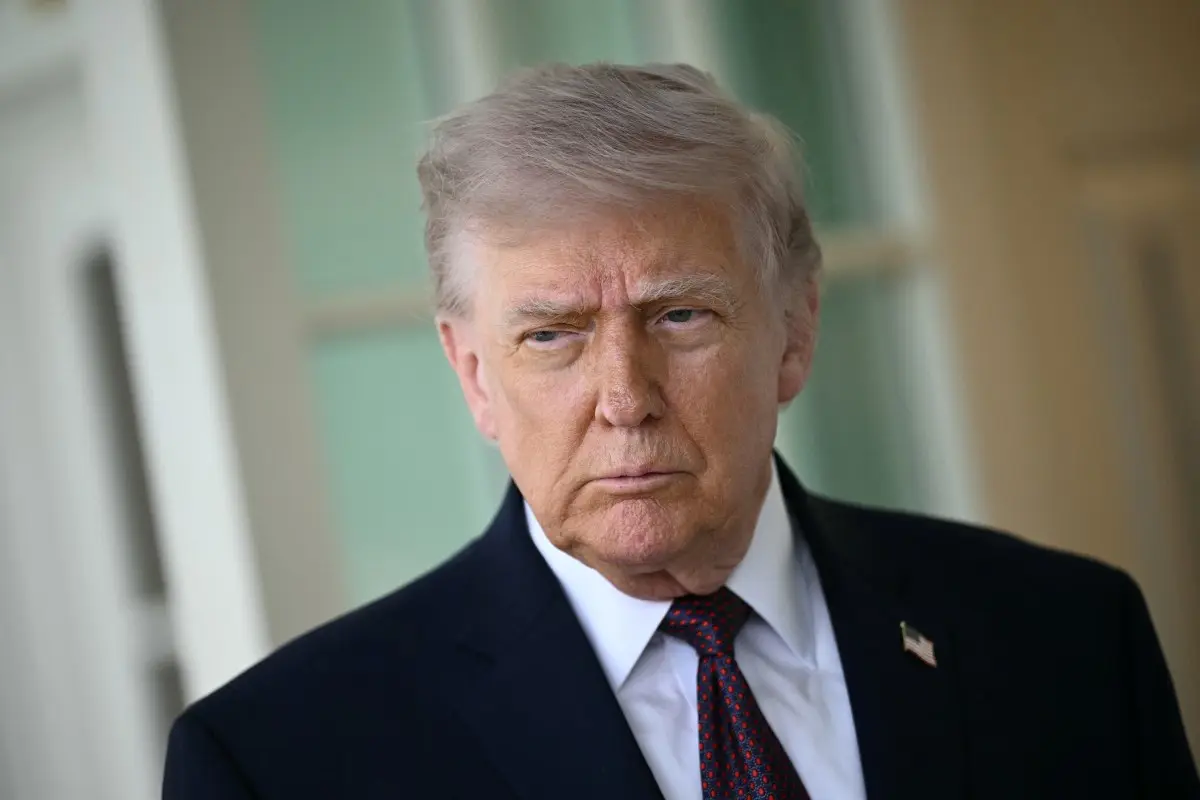
The move also resonates with long-standing criticism of OPEC from Donald Trump, who has often accused the group of inflating oil prices at the expense of 'ripping off the rest of the world.' By stepping outside the cartel, the UAE aligns more closely with calls for increased supply and market-driven pricing. In the short term, analysts quoted by Reuters suggest the decision could benefit global consumers by easing supply constraints, while reinforcing the UAE’s position as a flexible and influential energy producer.
Strategic shift in global energy balance
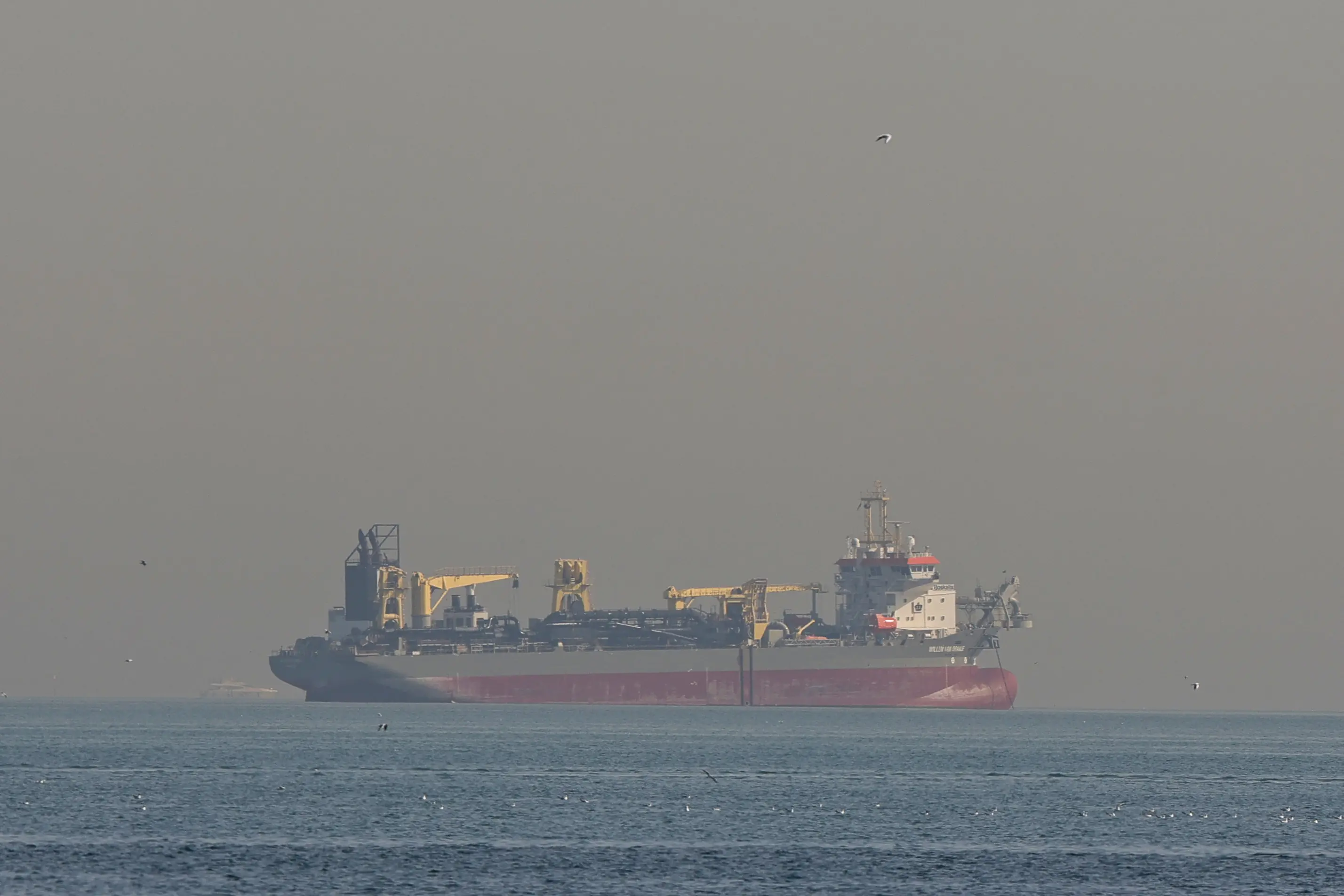
The UAE, OPEC’s third-largest producer, is not a peripheral member. Its exit weakens the cartel’s cohesion and raises doubts over its ability to act collectively. This fragmentation enhances Washington’s leverage in global energy markets at a critical moment. For Donald Trump, it reinforces a long-held stance: a divided OPEC is less capable of coordinating supply cuts, supporting his objective of keeping global oil prices in check.
)

)
)
)