A long-brewing move? What led to the UAE’s exit from OPEC after prolonged strain within the group? 5 reasons

The UAE will become the largest oil producer to depart OPEC, representing a significant blow to the organisation and its de facto leader Saudi Arabia.
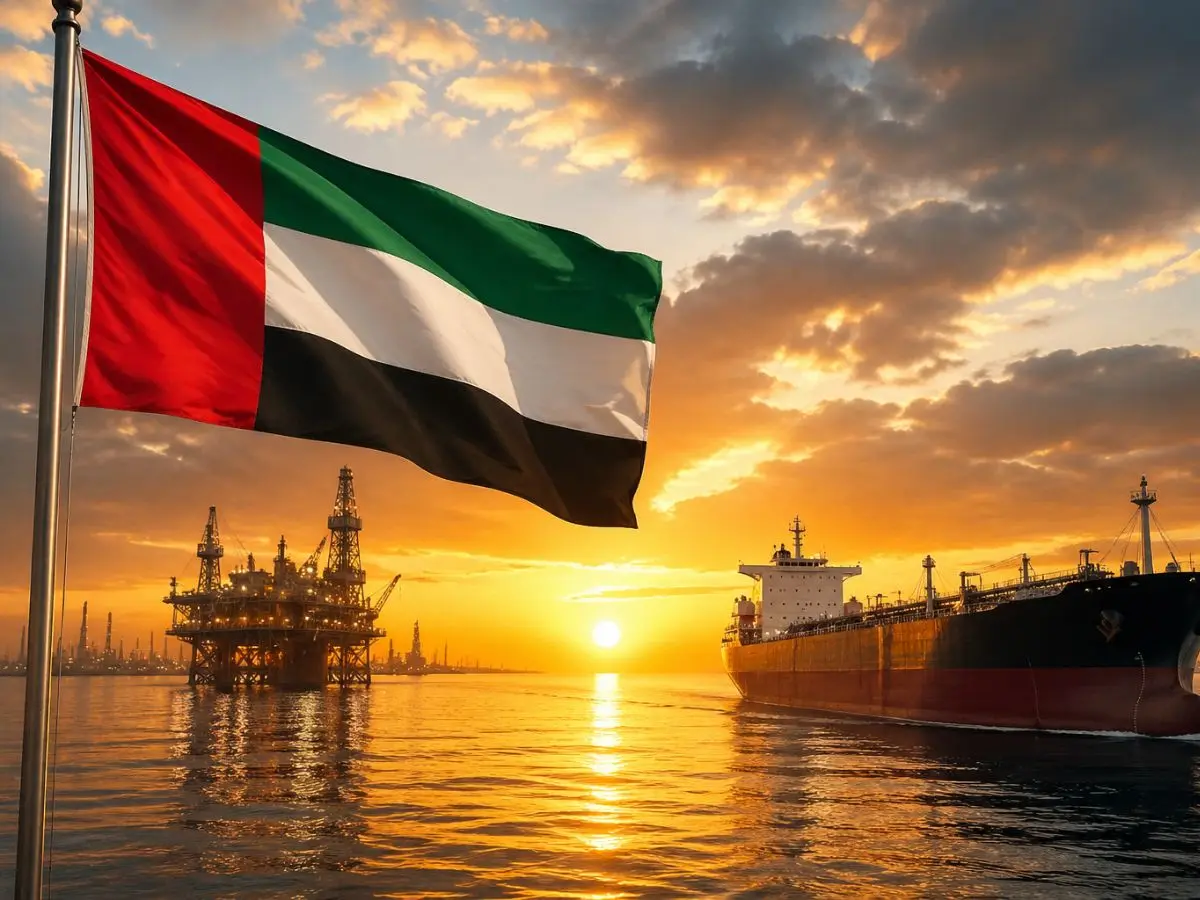
A historic departure after decades of alignment
The United Arab Emirates’ decision to leave OPEC after nearly 60 years marks a rare rupture within one of the world’s most influential oil alliances. The move, effective from 1 May, will see the UAE, OPEC’s fourth-largest producer, exit production quota arrangements that have long governed output discipline. According to the International Energy Agency, it accounted for around 12 per cent of the group’s total output in February. The UAE will become the largest oil producer to depart OPEC, representing a significant blow to the organisation and its de facto leader Saudi Arabia.
Rumours and Reality
Rumours of the UAE’s exit from OPEC+ have circulated for years amid deteriorating relations with Riyadh over regional conflicts in Sudan, Somalia and Yemen. The UAE has also deepened strategic ties with the United States and Israel, further signalling a gradual realignment in its foreign policy posture. Here are the five main reasons that could hae driven the exit:
1. Constraint of production quotas
The UAE has a production capacity of around 4.85 million barrels per day (bpd), with an ambition to raise this to 5 million bpd by 2027, targets that have increasingly sat uneasily alongside OPEC’s ongoing output restraint strategy. A central driver of the exit has been the UAE’s sustained frustration with production ceilings imposed by OPEC and its allies. Leaving the group effectively frees Abu Dhabi from “oil production targets imposed by OPEC and its allies to balance supply and demand,” giving it greater autonomy to adjust output in line with its own economic priorities.
Strategic economic autonomy
Jorge Leon, analyst at Rystad Energy, underscored the UAE’s strategic weight within the bloc, describing it as one of the few OPEC members, alongside Saudi Arabia, with meaningful spare capacity to “add extra oil to the market.” He added that outside the organisation, the UAE would have “both the incentive and the ability to increase production,” a shift that raises wider questions about the durability of Saudi Arabia’s role as the market’s principal stabiliser. Once outside OPEC, the UAE will join the ranks of independent oil producers that pump at will, such as the United States and Brazil.
2. Rising global demand considerations
UAE Energy Minister Suhail Mohamed al-Mazrouei told Reuters that the decision was driven by “the need to meet rising global energy demand.” This reflects a policy shift towards prioritising capacity expansion, particularly as global markets adjust to evolving consumption patterns and supply constraints. Monica Malik, chief economist at Abu Dhabi Commercial Bank (ADCB), told Reuters that “this opens the door for the UAE to gain global market share when the geopolitical situation normalises.”

3. Strains with Saudi Arabia
The UAE, joined the cartel in 1967, but its production quotas have long been shaped by Saudi Arabia, the bloc’s de facto leader. Relations between the two Gulf partners, once closely aligned, have shown increasing strain, extending beyond oil policy to regional geopolitics and competition for foreign capital and talent. A key point of contention has been the UAE’s 3.5 million bpd quota, which it has argued does not reflect capacity built through a $150 billion investment programme. The wider backdrop of global energy disruption and intra-Gulf discord has further sharpened tensions, with the move also seen as a setback to Saudi Arabia’s influence over oil markets.
4. Structural strain within OPEC+ coordination
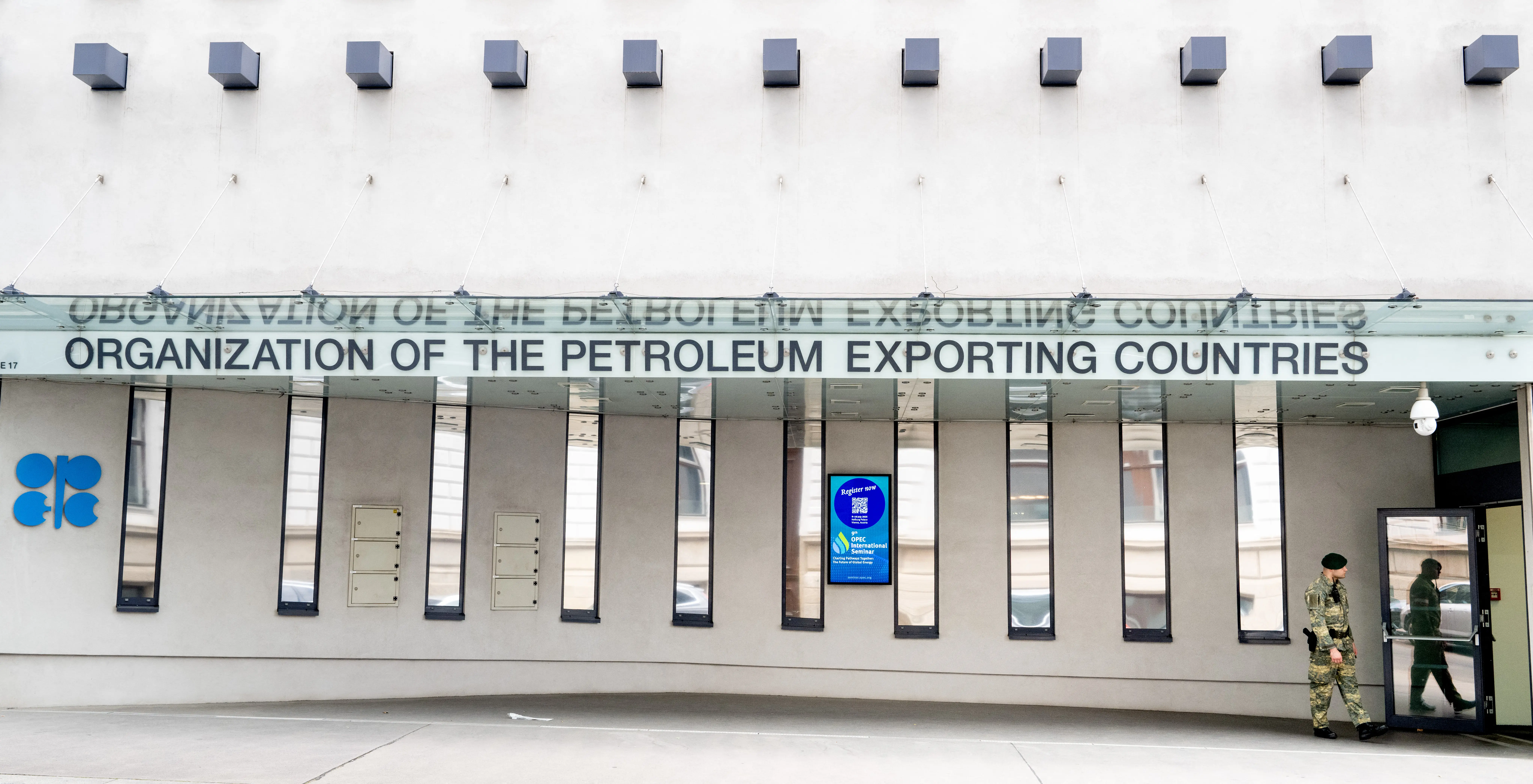
OPEC delegates and analysts noted that while “OPEC and its allies will lose some of their power over the oil market,” the broader OPEC+ framework is likely to remain intact. The UAE’s exit highlights internal tensions over how production levels are set and distributed among members.
5. Security risks and strategic divergence
From a security standpoint, Emirati policymakers argue that the conflict with Iran has fundamentally reshaped regional calculations. Iran has reportedly targeted the UAE more than any other country, including Israel, prompting increasingly vocal criticism from Emirati leaders over what they describe as a “weak” response from Gulf partners. The timing also aligns with what analysts term “unprecedented turmoil in energy markets,” with Gulf oil and gas exports having remained “largely paralysed for two months” due to disruptions in the Strait of Hormuz, which has constrained OPEC’s ability to stabilise supply during crises. Now that Iran, an OPEC member, has sought to influence shipping through the Strait via reportedly proposed tolling mechanisms have further heightened concerns in Abu Dhabi, helping explain why policymakers appear less inclined to remain bound within the cartel’s framework.
)

)
)
)