Weakest gravity point under Antarctica is also immensely strong, and likely froze the continent

&imwidth=600&imheight=450&format=webp&quality=medium "Weakest gravity point under Antarctica is also immensely strong, and likely froze the continent")
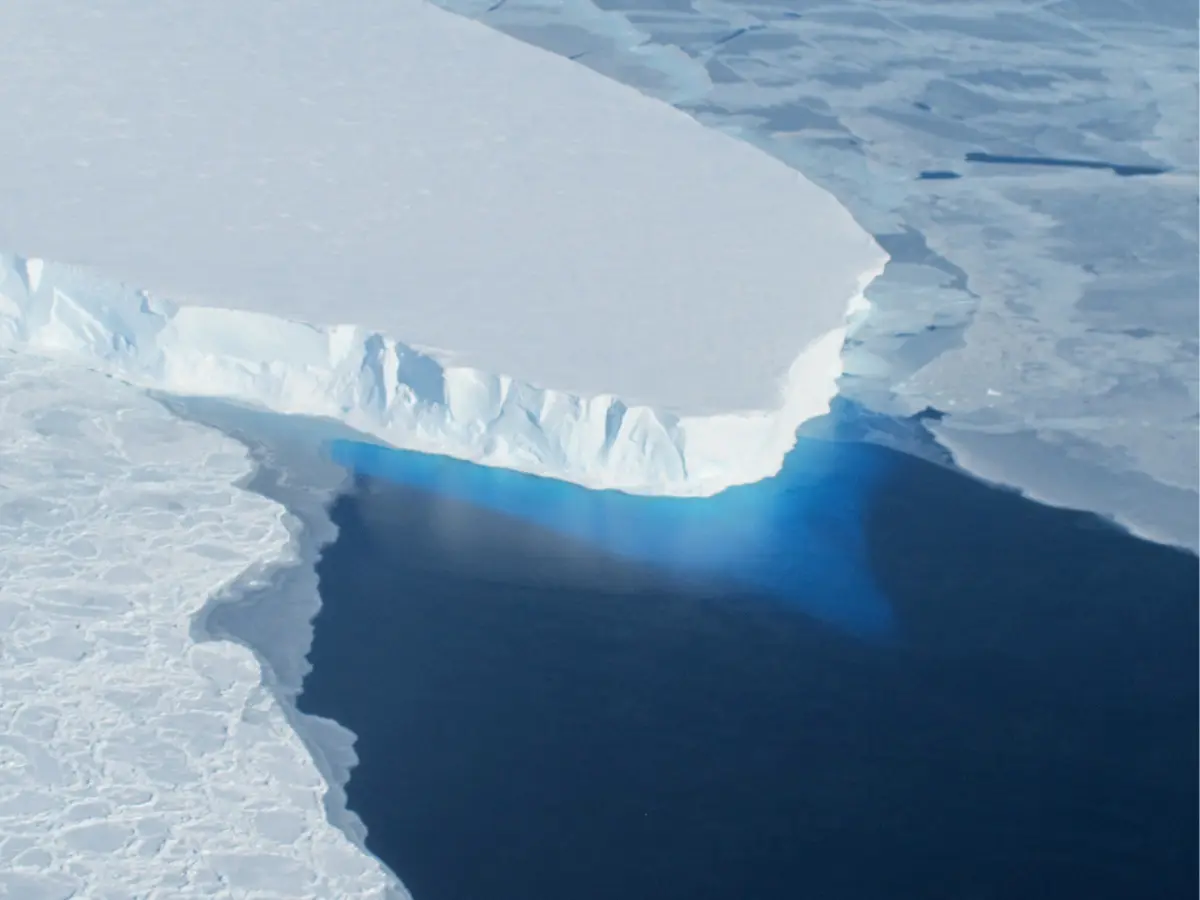
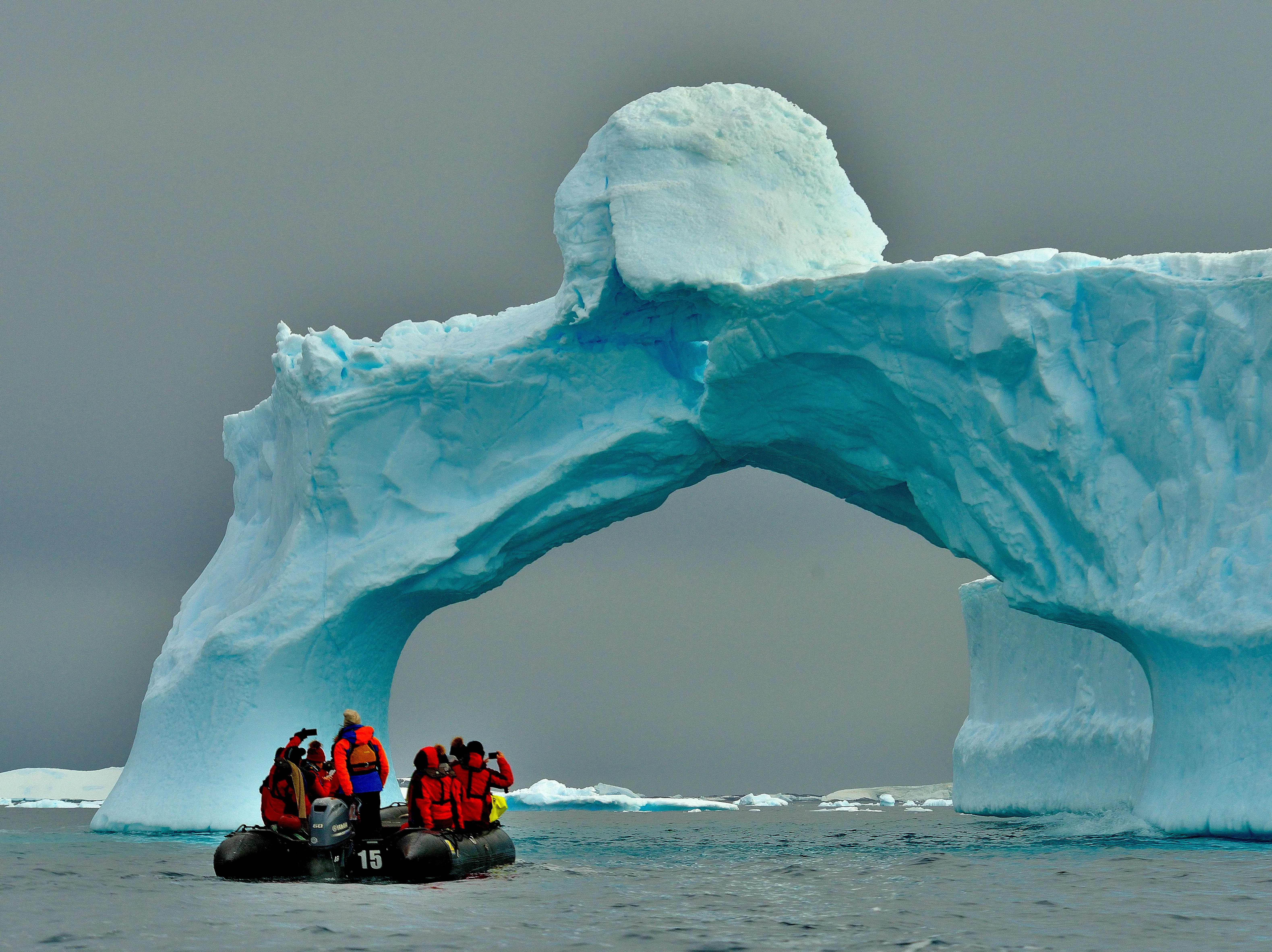
Antarctica has a gravity hole that could have contributed to shaping the frozen continent. Photograph: (Unsplash)
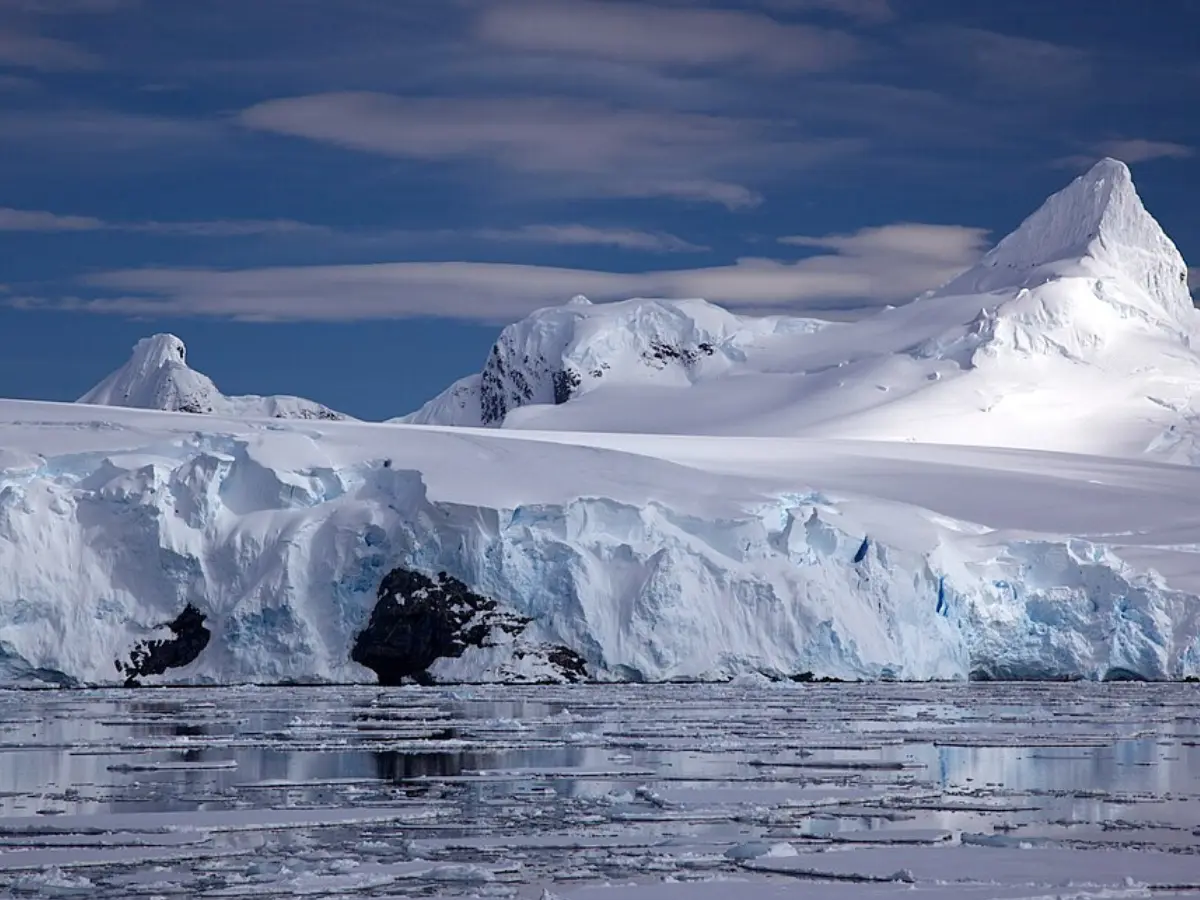
Why is Antarctica frozen? It is in the polar region, which is one explanation. But something deep underneath the continent could have also played a role in turning Antarctica into a frozen continent. It is a gravity hole that changed over millions of years.
Gravity isn't the same everywhere on Earth. In one place under Antarctica, it is so weak that a gravity hole has formed. This point is also extremely strong at the same time, and this happened over tens of millions of years. Inside our planet, where the material is dense, the tug of gravity is stronger, and where the mass is less, the pull is weaker. Under the frozen continent lies the weakest such point. This weak gravity hole has strengethed and could have contributed to freezing Antarctica. Scientists from the University of Florida say in a study that the Antarctic Geoid Low (AGL) evolved slowly. It has become a major force and likely shaped Earth's climate, creating the Antarctic ice sheets. In a study published in Scientific Reports, researchers analysed this Gravity Hole and discovered that it has strengthened over the last 70 million years and is a force that dictates Earth’s global climate. The team created computer models of shifting rocks, which put the timeline between 50 and 30 million years ago. This period coincides with glaciation in Antarctica.
Are Antarctica's climate and gravity hole linked?
Gravity also shapes the oceans. Because of this gravity hole, the sea surface around Antarctica is slightly lower relative to Earth’s centre. The Antarctic Geoid Low anomaly has been known for several years, with satellite missions tracing it. But scientists do not know how it formed or whether there is a link between Antarctica's climate and the hole. They used global earthquake data and advanced physics modelling to analyse the gravity hole. "If we can better understand how Earth’s interior shapes gravity and sea levels, we gain insight into factors that may matter for the growth and stability of large ice sheets,” Alessandro Forte, PhD, a professor of geophysics at the University of Florida and co-author of the new study.
Also Read: A robot got lost in Antarctica. It revealed scary secrets from underneath another glacier
Seismic waves were used like a CT scan to measure Earth's three-dimensional structure. “Imagine doing a CT scan of the whole Earth, but we don’t have X-rays as we do in a medical office. We have earthquakes. Earthquake waves provide the ‘light’ that illuminates the interior of the planet,” Forte said. The method helped researchers reconstruct the density of the rock beneath Antarctica and calculate the gravity field. They then ran the model backwards through geological time to understand how mantle material rearranged over millions of years. They noted that the gravitational low was weaker, but between 50 and 30 million years ago, it started becoming stronger. This is when large ice sheets started to form in Antarctica.
Also Read: NASA images show world's largest iceberg, on the move for 40 years, on the verge of vanishing
Trending Stories
&imwidth=280&imheight=210&format=webp&quality=medium)
&imwidth=280&imheight=210&format=webp&quality=medium)
&imwidth=280&imheight=210&format=webp&quality=medium)
&imwidth=280&imheight=210&format=webp&quality=medium)
&imwidth=280&imheight=210&format=webp&quality=medium)
&imwidth=280&imheight=210&format=webp&quality=medium)
&im=FitAndFill=(700,400)&imwidth=280&imheight=210&format=webp&quality=medium)
&imwidth=280&imheight=210&format=webp&quality=medium)
&imwidth=280&imheight=210&format=webp&quality=medium)
&imwidth=280&imheight=210&format=webp&quality=medium)
&imwidth=280&imheight=210&format=webp&quality=medium)
&imwidth=280&imheight=210&format=webp&quality=medium)
&imwidth=280&imheight=210&format=webp&quality=medium)
&imwidth=280&imheight=210&format=webp&quality=medium)
&imwidth=280&imheight=210&format=webp&quality=medium)
&imwidth=280&imheight=210&format=webp&quality=medium)
&imwidth=280&imheight=210&format=webp&quality=medium)
&imwidth=280&imheight=210&format=webp&quality=medium)
&imwidth=280&imheight=210&format=webp&quality=medium)
&imwidth=280&imheight=210&format=webp&quality=medium)
&imwidth=280&imheight=210&format=webp&quality=medium)
&imwidth=280&imheight=210&format=webp&quality=medium)
&imwidth=280&imheight=210&format=webp&quality=medium)
&imwidth=280&imheight=210&format=webp&quality=medium)
&imwidth=280&imheight=210&format=webp&quality=medium)
&imwidth=280&imheight=210&format=webp&quality=medium)
&imwidth=280&imheight=210&format=webp&quality=medium)
&imwidth=280&imheight=210&format=webp&quality=medium)
&imwidth=280&imheight=210&format=webp&quality=medium)
&imwidth=280&imheight=210&format=webp&quality=medium)
&imwidth=280&imheight=210&format=webp&quality=medium)
&imwidth=280&imheight=210&format=webp&quality=medium)
&imwidth=280&imheight=210&format=webp&quality=medium)
&imwidth=280&imheight=210&format=webp&quality=medium)

&imwidth=280&imheight=210&format=webp&quality=medium)
&imwidth=280&imheight=210&format=webp&quality=medium)
&imwidth=280&imheight=210&format=webp&quality=medium)
The data did not show that this caused the ice to grow. However, it proves that deep-Earth processes affected sea level, the height of the continent and boundary conditions that affected ice-sheet stability.