
&imwidth=800&imheight=600&format=webp&quality=medium "Tyler Robinson, the Charlie Kirk shooting suspect, 'not Black, not Muslim, not Trans': Internet erupts over politics of identity")
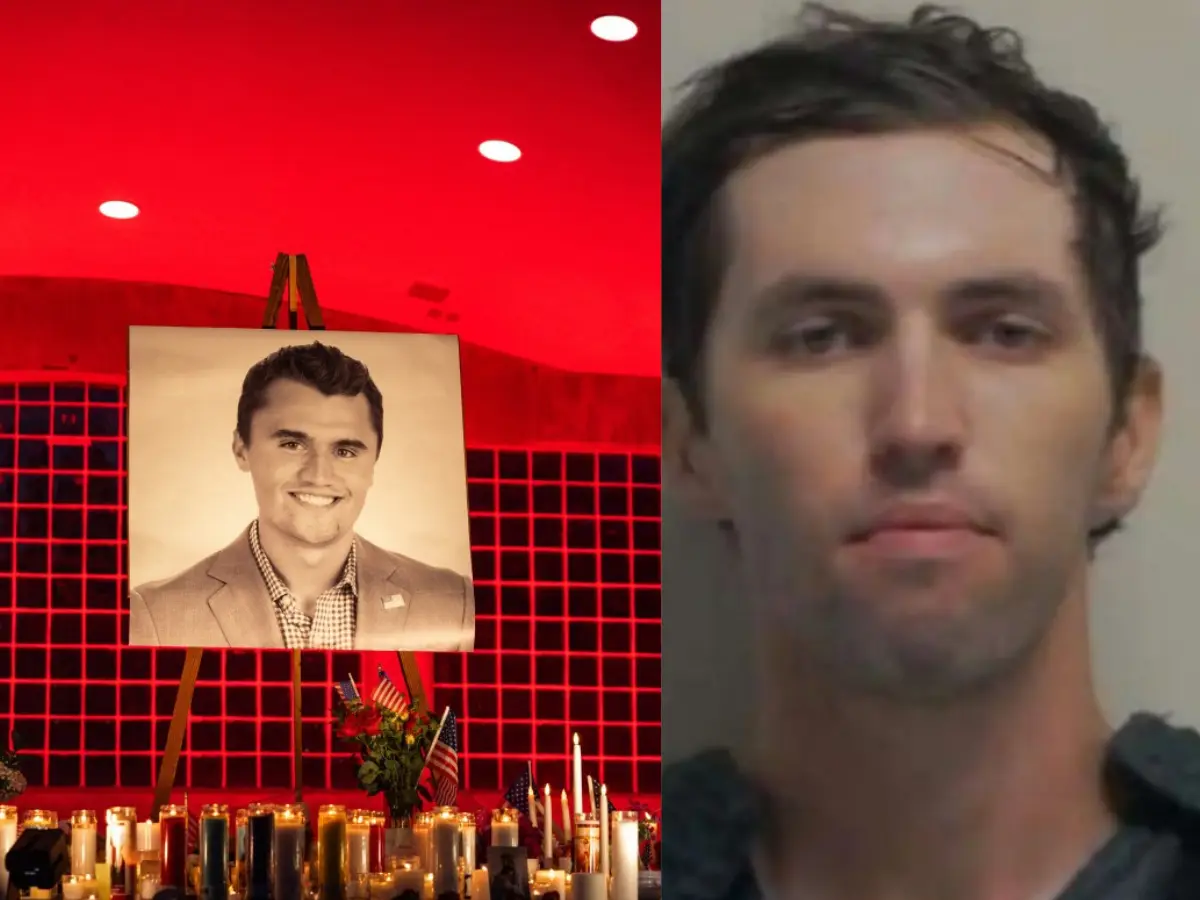
It took less than 33 hours to identify and arrest the man suspected of shooting and killing conservative commentator Charlie Kirk at a Utah Valley University event on Wednesday (September 10). The news traveled quickly — not just through traditional media channels, but across the virtual corridors of Twitter, where an entirely different story was unfolding. The suspect’s name is Tyler Robinson. He’s 22 years old. A local. A gun owner. A practicing Christian. A self-identified conservative and registered Republican. And in the eyes of the internet, particularly the progressive left, his identity was the story.
He was, as one viral post put it: “Not Black. Not Trans. Not Muslim. Not an Immigrant. Not a Democrat.” The final line delivered the punch: “Meet Charlie Kirk assassin Tyler Robinson. A white Christian, Conservative, Republican male with a gun... again.” That phrasing — both accusatory and exhausted — ricocheted across Twitter in a matter of hours, shared thousands of times. To many, it wasn't just a comment about the shooting, but about what America chooses to see — or turns a blind eye to.
A Shocking Moment in Utah

The shooting occurred during a stop on Turning Point USA’s “American Comeback Tour.” Charlie Kirk, the group’s founder and a regular presence in conservative media, was answering a question about mass shootings when a sniper’s bullet struck him in the neck. He collapsed on stage. Paramedics rushed him to the hospital. He died shortly afterward. Within hours, the FBI released surveillance footage of a man fleeing a rooftop near the venue. Days later, forensic evidence and a tip from Robinson’s own family pointed investigators directly to him. According to multiple reports, including police affidavits, Robinson allegedly confessed or implied guilt to a friend, and Discord messages obtained through his roommate detail a premeditated plan: retrieving a weapon from a drop point, changing clothes, leaving a written manifesto of sorts engraved onto bullet casings.
Those bullet casings, found at the scene, carried disturbing messages: “Hey fascist, catch.” Others referenced anti-fascist symbols and memes from online subcultures. It seemed to offer motive. But whether it was political ideology, personal obsession, or a mix of both that drove him remains under investigation.
The Internet Reacts — And Divides
Trending Stories
)
'She married her brother': Ilhan Omar faces criminal probe over immigration fraud claims
)
Bitter Zelensky snubs Trump for playing politics with Ukraine war | Gravitas
)
India’s imports from Russia jump 57% in five months; China remains top import source
&im=FitAndFill=(700,400))
Why European Meteor missiles use ramjet engines compared to standard US solid rockets
)
‘US military task force aiding Saudi Arabia forces with intel, planning support’: Official
)
Top military commanders from US, Israel, and 7 Arab nations held secret meeting on Iran War
)
A big shift in modern air power & control
)
'Definitely feel bad for yourself': Kuldeep Yadav opens up on India Test snubs
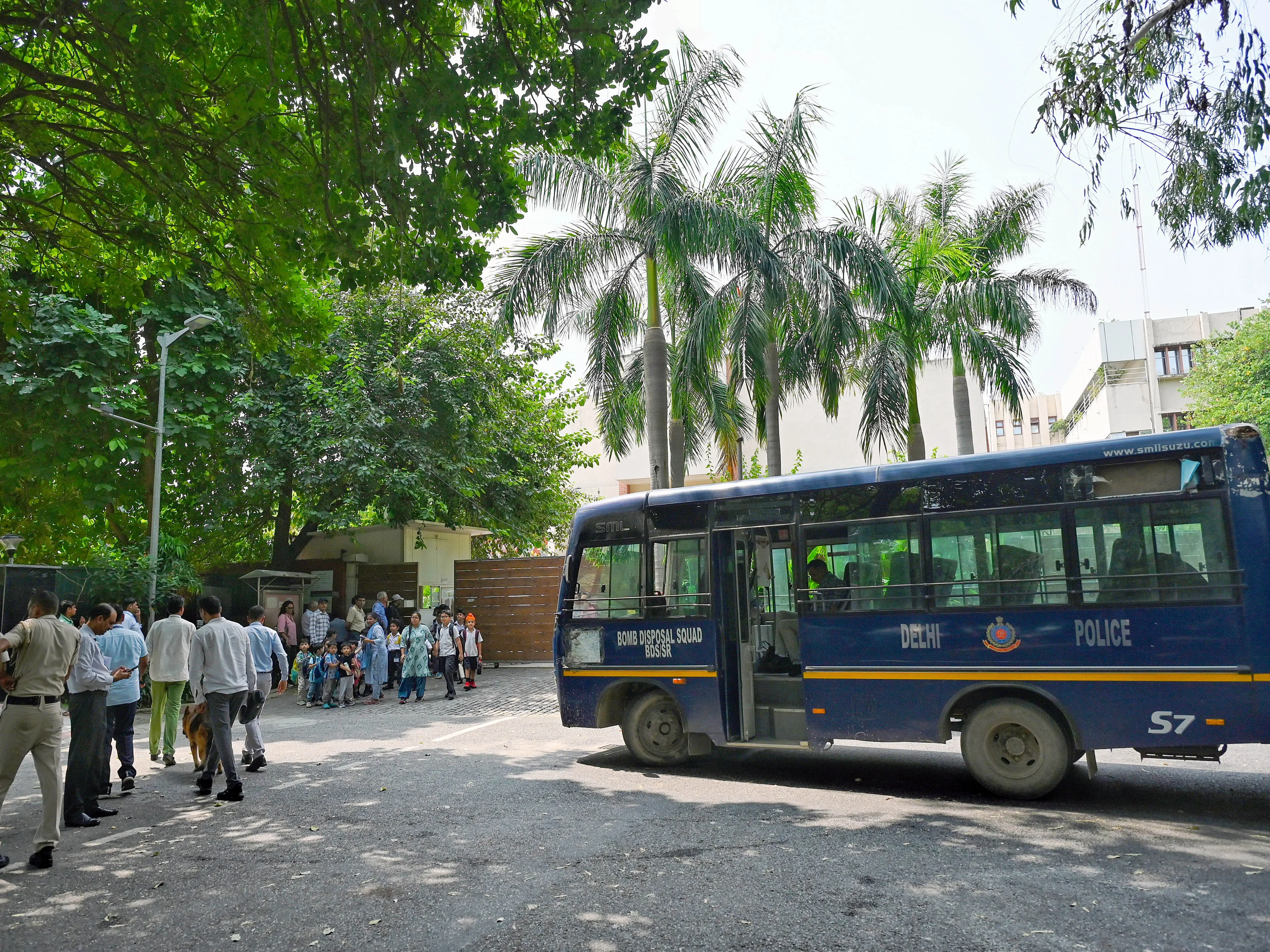)
Delhi schools receive bomb threats in Punjabi, security checks find nothing suspicious
)
China's property crisis deepens as investment plunges nearly 20%
)
What is Hyrox, in news for athlete who soiled herself, but kept running and using common equipment?
)
‘We are sharing some difficult news’: Oracle begins fresh round of job cuts
)
800 million years old - Scientists discover 'fingerprints' of supercontinent Gondwana in ancient rocks
)
Russia proposes to build 360 kmph Ivolga FG trains in India: What happened on sidelines of BRICS
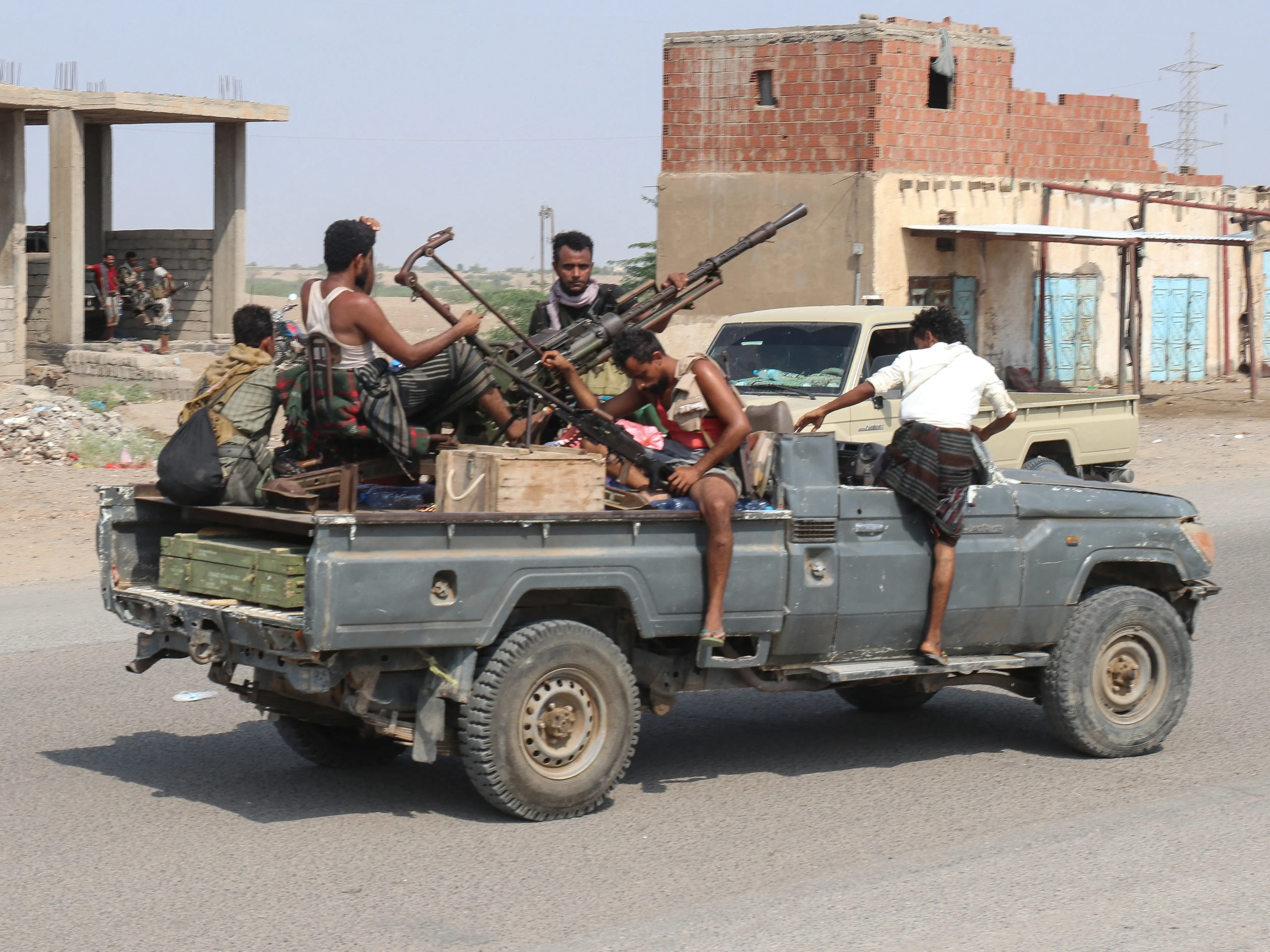)
Saudi turns to Israel for intelligence help as Houthi attacks intensify: Report
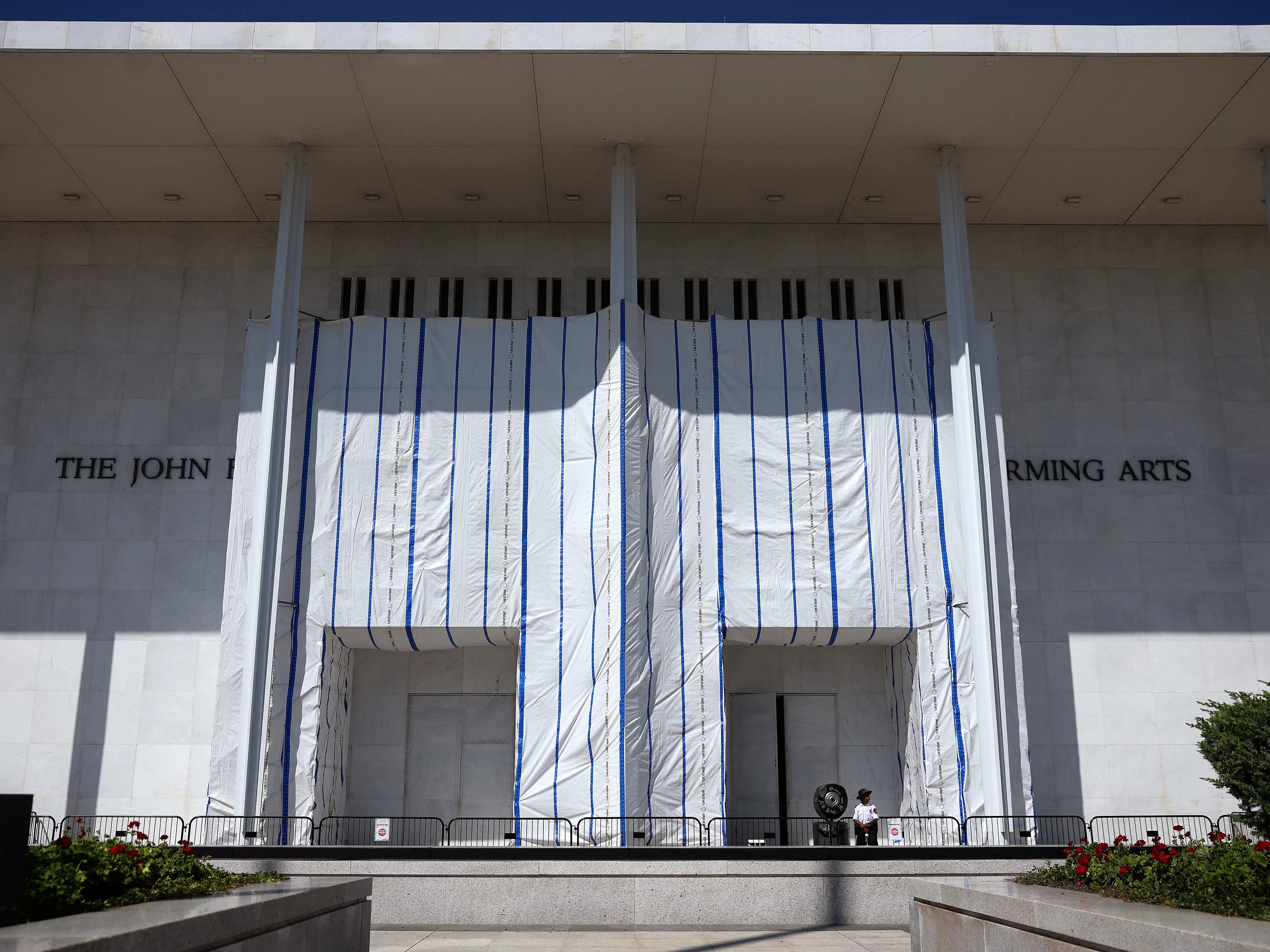)
Trump's name cannot return to Kennedy Center, US judge rules
)
Amid AI safety fears, OpenAI, Anthropic and Google move to create standards body
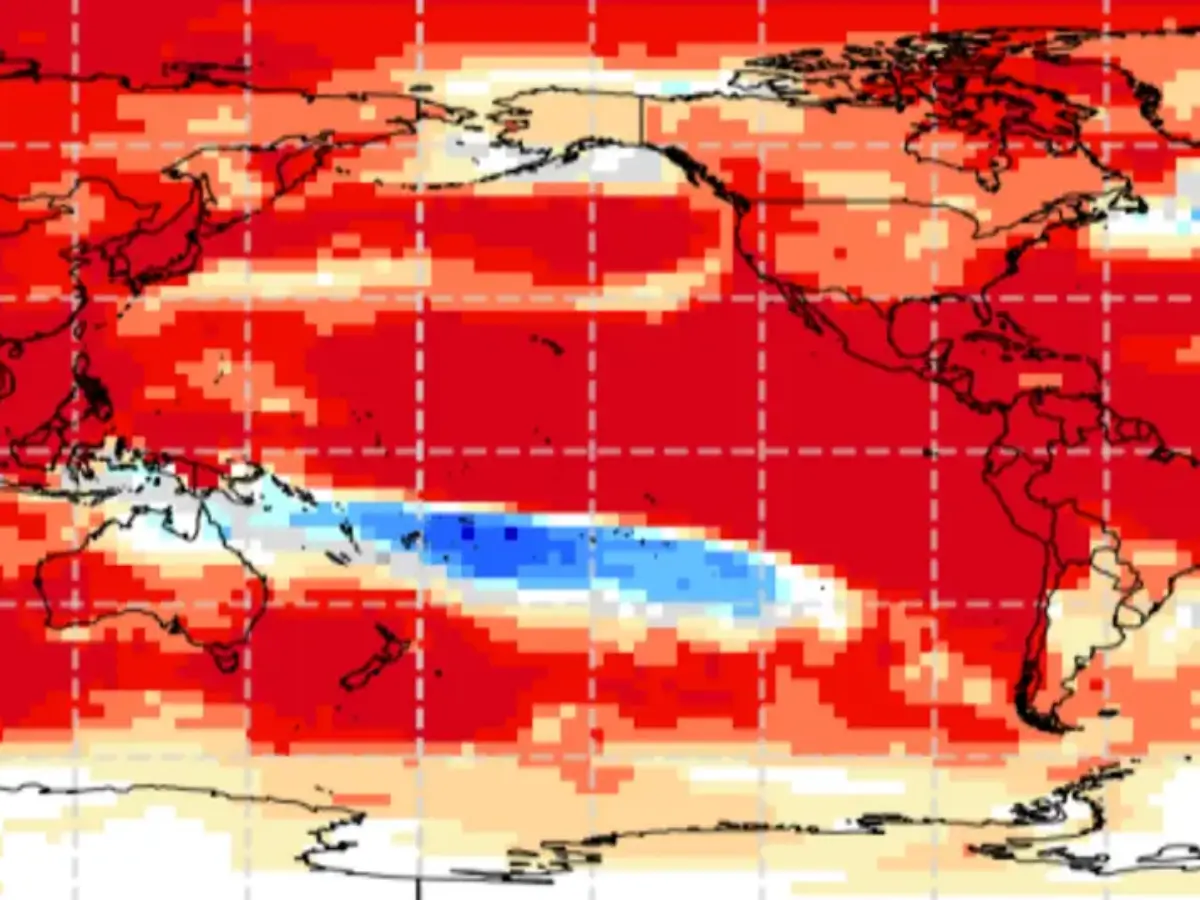)
2026 El Niño will create new extreme weather patterns. Worse, no one can predict them
)
1,200 Indian and US troops begin high-altitude and desert drills
)
Water equivalent to two Pacific Oceans could be stashed 2,900 km inside Earth
)
Ex-CIA officer caught with gold bars worth $40 million seeks plea deal | Gravitas
)
Imran Khan’s sons accuse Asim Munir of holding ‘personal grudge’ against imprisoned father
&im=FitAndFill=(700,400))
New OTT releases this week (September 14-20, 2026): Lust Stories 3, Waiting Hai, Irumudi- 5 new titles coming on Netflix, Prime Video and more
)
US Treasury yields cross 5% as Scott Bessent warns of ‘global issues’ impacting bonds
)
Who is Kalyan Bainsla, accused in the Gurugram hit-and-run case involving woman biker?
)
Saudi Arabia discovers 110 million tonnes of Uranium-rich ore in Madinah region
)
'Now Trump is copying us': Shivakumar links US $5,000 plan to Congress guarantees
)
Elephants hide behind trees, stage surprise attack on poachers targeting rhinos in South Africa
)
West Bengal IPS officer Bushra Bano transferred after objections to ‘Assalamualaikum’, ‘Inshallah’
)
Trump downplays China's alleged 'help' to Iran in strike on Jordan base | Gravitas
)
Spanish officer sent home from NATO base over affair with 'Russian spy' | Gravitas
)
IND vs AFG, 2nd T20I: Reddy, Samson shine as India defeat Afghanistan by 7 wickets to clinch series
)
Legendary costume designer Bob Mackie dies at 87: A look back at his iconic legacy
)
Extreme warming in Indian Ocean added 695 billion tons of ice to Antarctica ice sheet
While police processed evidence and the justice system began to move, Twitter exploded. The viral posts came first. Then came the debate. Was this an act of political terror? A lone-wolf extremist? A targeted assassination? Yet more pressing to many was the uncomfortable truth of who the shooter was — and how differently he might have been treated if he hadn’t been white, Christian, or conservative.
For some, the case was seen as a painful reversal of common media tropes. "If this shooter were Muslim, we’d already be hearing about terror networks,” one user wrote. "If he were Black, we’d see mugshots plastered everywhere. If trans, we’d hear about mental illness. But this? This is being treated like a freak incident. Like he doesn’t represent anyone."
Others pushed back, arguing that justice was moving swiftly and without regard for politics. “You don’t stop extremism by flipping the bias in the other direction,” one post read. “Every act of violence is wrong — regardless of who commits it.” But beneath the noise, a deeper frustration simmered: a belief that acts of violence are filtered through a lens of identity. When someone from a marginalized group commits a crime, the group is often asked to explain or apologise. But when it’s a white conservative Christian male, the crime is too often treated as an anomaly — never reflective of broader ideologies or systemic rot.
A Case That Challenges the Narrative
The Tyler Robinson case, then, has become more than just a criminal proceeding. It has become a cultural litmus test. Charlie Kirk was a divisive figure. To some, he was a champion of free speech and traditional values. To others, he was a provocateur who courted controversy and stoked division. His death only deepens the polarization. But the identity of his alleged killer complicates the picture even further. If a Democrat had pulled the trigger, conservative media would have declared it proof of leftist violence. If the shooter had been Muslim, the word “terrorism” would be unavoidable. If he had been trans, the headlines would be different — crueler, perhaps, and more speculative.
But Tyler Robinson? A man whose demographics align more with Kirk’s followers than his critics? That challenges the script. And in doing so, it reveals just how dependent American political discourse has become on narratives of identity.
Where Does This Go From Here?
Legally, the case is in its early stages. Prosecutors have yet to confirm whether they will pursue terrorism or hate-crime enhancements. Socially, however, the verdict is already being debated — not in courtrooms, but in comment threads. It’s tempting to make Tyler Robinson a symbol. A warning about extremism. A representation of how no community — no matter how “mainstream” — is immune to radicalization. But it’s just as dangerous to let identity dictate outrage. Justice requires consistency. And yet, consistency is precisely what so many feel is missing.
The shooting of Charlie Kirk was a political assassination. That phrase itself is already controversial. Some say it exaggerates. Others say it doesn’t go far enough. But what’s undeniable is this: the identities involved — the shooter’s and the victim’s — have shaped not just how the public is reacting, but how they are even willing to talk about it.

