&imwidth=800&imheight=600&format=webp&quality=medium "The curse of the Bell Curve: Appraisals are making top performers leave firms, as they find it 'a complete waste of time'")
Recently, the Deloitte Global Human Capital Trends report said that 64 per cent of career professionals think performance reviews are a “complete waste of time that doesn’t help them perform better.” This is echoed in other recent studies and developments, leading to a similar conclusion: top performers are finding appraisals and performance reviews unhelpful, often leading to low morale and job jumping.
Why are top performers rejecting performance reviews?
There’s a credibility crisis in the performance review systems of companies, and it’s the best employees who are most vocal about this. While intended to improve productivity and guide growth, these systems are seen as outdated, unfair, and even harmful, according to recent analyses.

Research by AI-driven firm Acorn found that four out of five corporate leaders admit that even top performers “must leave their company to get promoted or earn higher pay.” It also found that only 29 per cent of employees trust how their performance is evaluated, while a disturbing 60 per cent believe their metrics are unfair. Still, 66 per cent of executives in the US remain confident in these systems, according to the study.
Appraisals are driving talent out of organisations
“Performance reviews are not just broken, they are driving talent out the door,” says Keith Metcalfe, President of Acorn, adding, “We don’t need another HR process. We need real capability systems that map what people can do, what they need to learn, and how that moves the business forward.”
Trending Stories
)
Nigeria: Protesters take to the streets, police fire shots
)
US-Iran war: Tehran draws red lines — seven demands before any peace talks
)
Russia-Europe tensions: Polish PM warns Russian attacks could test NATO's unity
&im=FitAndFill=(700,400))
‘Not the US or China’: These are the countries leading the world in arable land
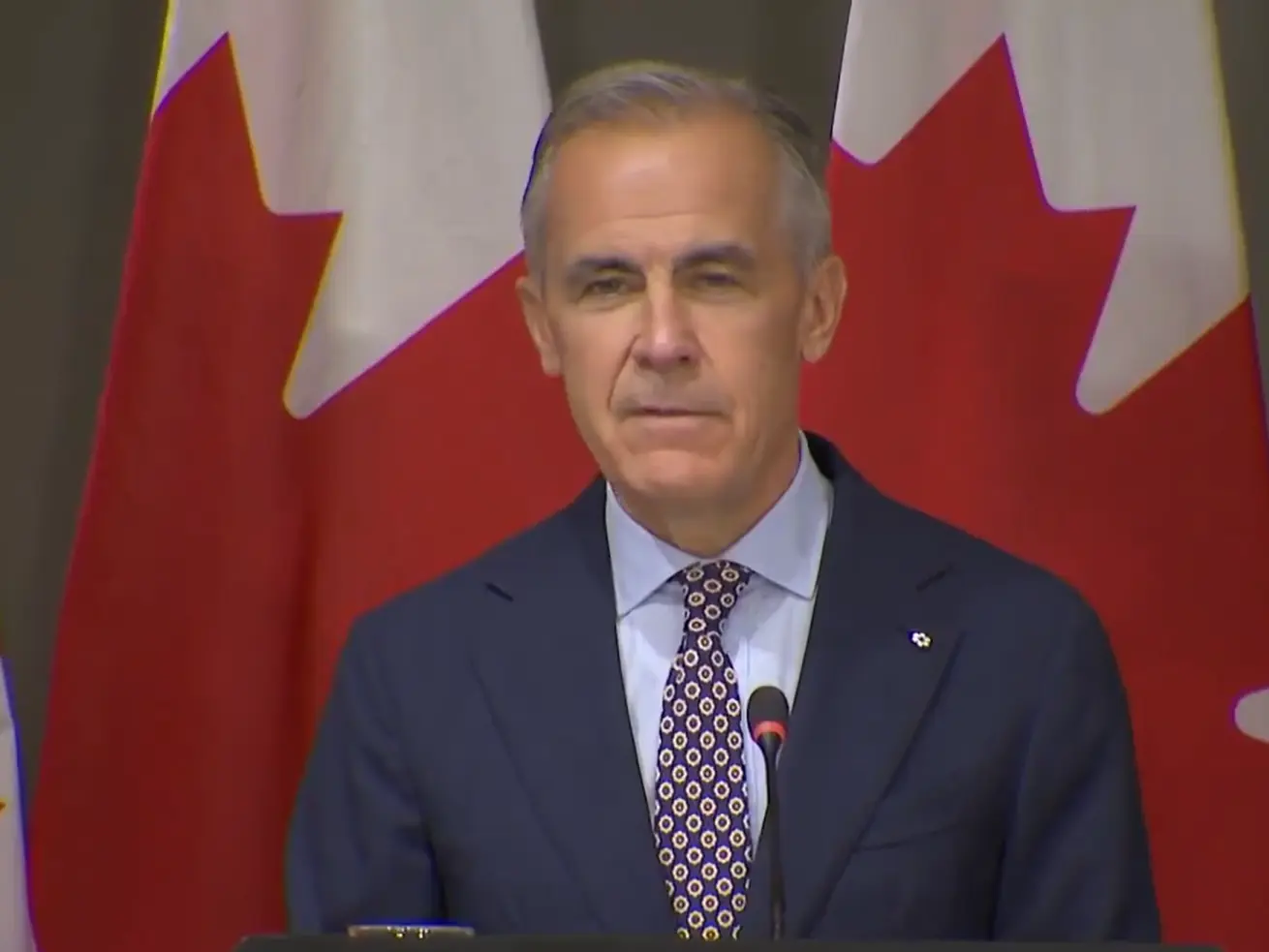)
Mark Carney mimics Trump in hilarious moment over C$70 billion clean-energy investment; room erupts in laughter
)
Pentagon revives mandatory testosterone testing for male troops aged 30 and above
)
‘End of my career...’: NSA Doval recalls tense Sikkim mission when China captured Indian intelligence team
)
Trump defends AI amid growing alarm, announces new 'AI force' and promises an 'AI czar'
)
Iran sets 7 conditions to end war with US: What are Tehran’s demands?
)
Trump announces ‘AI Force’ as debate grows over AI risks and regulation
)
China may have gained access to US's classified F-35 jets; parts meant for repairs diverted to Hong Kong, sparking Pentagon inquiry
)
Gaza under attack: Health chief's son killed in IDF strikes
)
Inspired by podcasts and Meghalaya murder case: How Siya allegedly planned Ketan Agarwal’s Lohagad fort murder
)
Arvind Kejriwal, family members, Delhi CM Rekha Gupta get SIR notices
)
Cochin shipyard starts building Indian Navy's next-gen missile vessels
)
Saudi vs Houthis: Houthis claim missiles & drones used in attack on key Saudi sites
)
Ed Sheeran addresses Macklemore's removal, Gaza conflict during Philadelphia concert: 'I cannot hide how I feel'
)
Brigitte Bardot’s private collection set for Paris auction; key items and prices revealed
)
‘Will go to any extent’: Pakistan vows to defend Saudi Arabia amid Houthi attacks
66 years of the Indus Waters Treaty: How India and Pakistan settled a bitter river dispute
)
The Verdict | When precision fails: US commits war crime in Minab school strike, UN finds
)
9 women found dead near Johannesburg: South Africans rally, demand 'enough' to femicide
)
Trump wants to rename ‘Artificial Intelligence’, gives 3 options: Which one would you pick?
)
US-Iran war: Tehran sets seven conditions to re-engage in talks with US
)
Reacher star Alan Ritchson opens up about alleged blackmail, suicide attempt during difficult period
)
Africa is splitting, and a lot sooner than estimated, giving way to a new ocean
)
Flying cars in UAE: Ras Al Khaimah signs deal with Chinese company to test new transport
)
Trump bans CNN, MS NOW and Politico from White House over ‘FAKE NEWS’
)
Trump 2.0: Dark days ahead for America’s ‘imperial presidency’
&im=FitAndFill=(700,400))
How many F-35s does Britain, Japan and Israel have?
)
Harry Brook targets long reign at top of T20I rankings after Sri Lanka sweep
)
Russia's deadly Ukraine strikes kill 2 in Sumy, hit Dnipro mall
)
Russia holds first parliamentary elections since the beginning of the Ukraine war
&im=FitAndFill=(700,400))
Meet top 5 Indian batters with fastest T20I centuries
)
Raphinha hat-trick powers Barcelona to 3-1 win over Sevilla in La Liga
)
Everything can’t be quantified: How input at workplace is reduced to scoring systems
According to Yad Senapathy, CEO of the Project Management Training Institute, most performance reviews summarise complex input into inflexible scoring systems, often missing context, such as leadership changes or resource gaps. “What used to be a growth checkpoint now has the flavour of a compliance exercise. This misalignment promotes disengagement, and ultimately attrition,” he said.
How layoffs over 'performance' and forced 'bell curves' are killing enthusiasm
According to recent reports, companies like Meta laid off thousands of employees based on performance, including those who had recently received glowing reviews. At TikTok parent ByteDance, forced performance metrics—known as bell curves—limit top scores, leaving many high performers rated lower to fit these arbitrary distribution models.
In a pointed remark, Lisa Sterling, Chief People Officer at Perceptyx, said that a “once-a-year scorecard doesn’t help anyone get better. It doesn’t build capability and doesn’t keep top talent engaged.” She added that traditional reviews “aren’t conversations about growth.”
What are employees seeking from organisations?
According to reports, employees are seeking continuous feedback, clarity about their impact, and real opportunities for development. But instead, they often receive surprise feedback about events that happened months earlier.
“If I only gave my kids feedback once or twice a year, they would never grow. Employees are no different,” Lisa was quoted as saying in a report in Quartz.
Can salaries be separated from performance reviews?
“Performance systems done wrong drain your bench. Done right, they build it,” Sterling said, as experts advocated separating salary from performance conversations, training managers to act as coaches, and shifting focus from static ratings to employee readiness for future roles.
Feedback should be timely, specific, and tied to real business outcomes, they say.
Performance reviews are not tribunals, but should be partnership building
The Quartz article quoted Amy Mosher, Chief People Officer at isolved, stressing that reviews should feel like partnerships, not performance tribunals.
The feedback should be transparent, fair, and growth-focused, the experts noted. This way, organisations can rebuild trust and retain their strongest talent.
The only way for companies to keep their best people is to replace rigid review systems with dynamic, human-centred approaches that foster real growth, not just compliance.