Svalbard 'Doomsday Vault' just added new seeds from two first-time countries

&imwidth=600&imheight=450&format=webp&quality=medium "Svalbard 'Doomsday Vault' just added new seeds from two first-time countries")
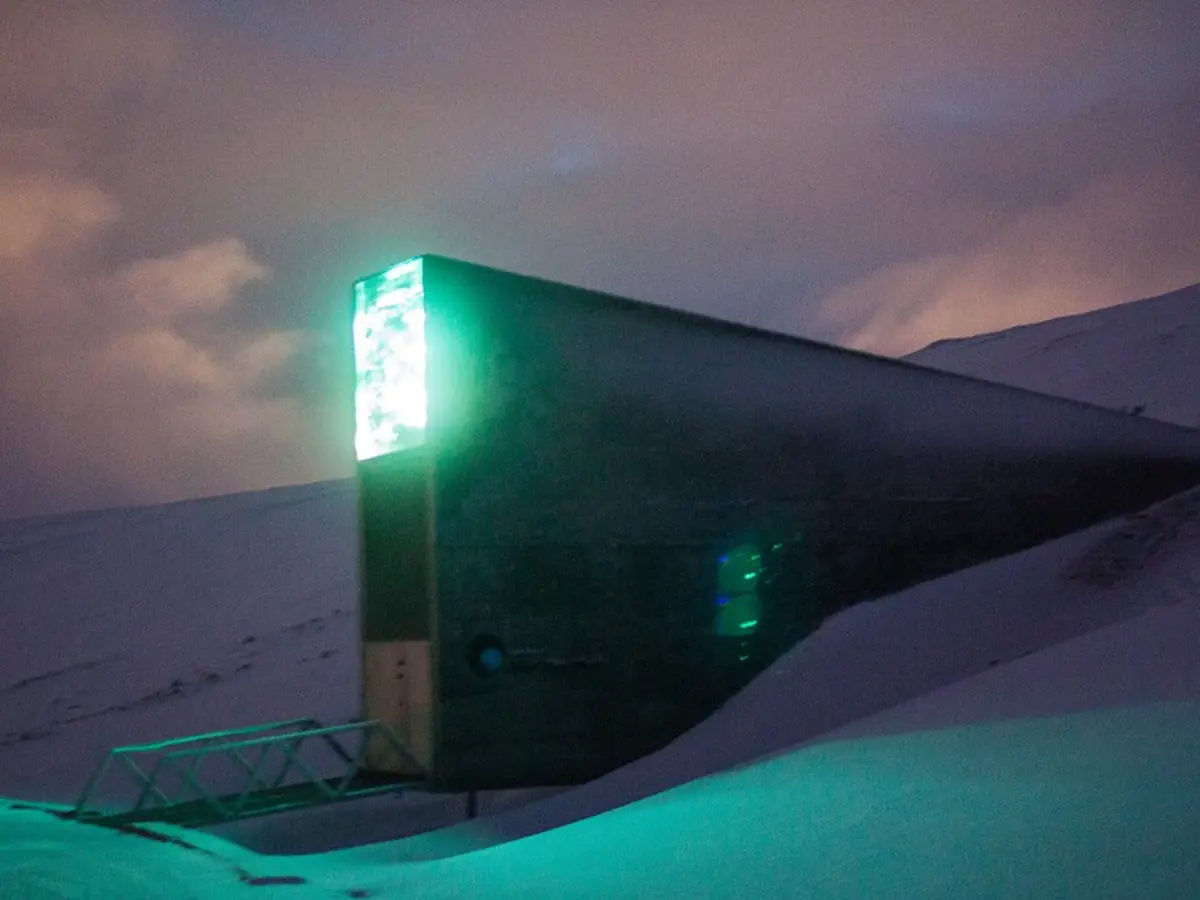
Svalbard Seed Vault has added nearly 8,000 new seed varieties from two new countries. Photograph: (Wikimedia Commons)
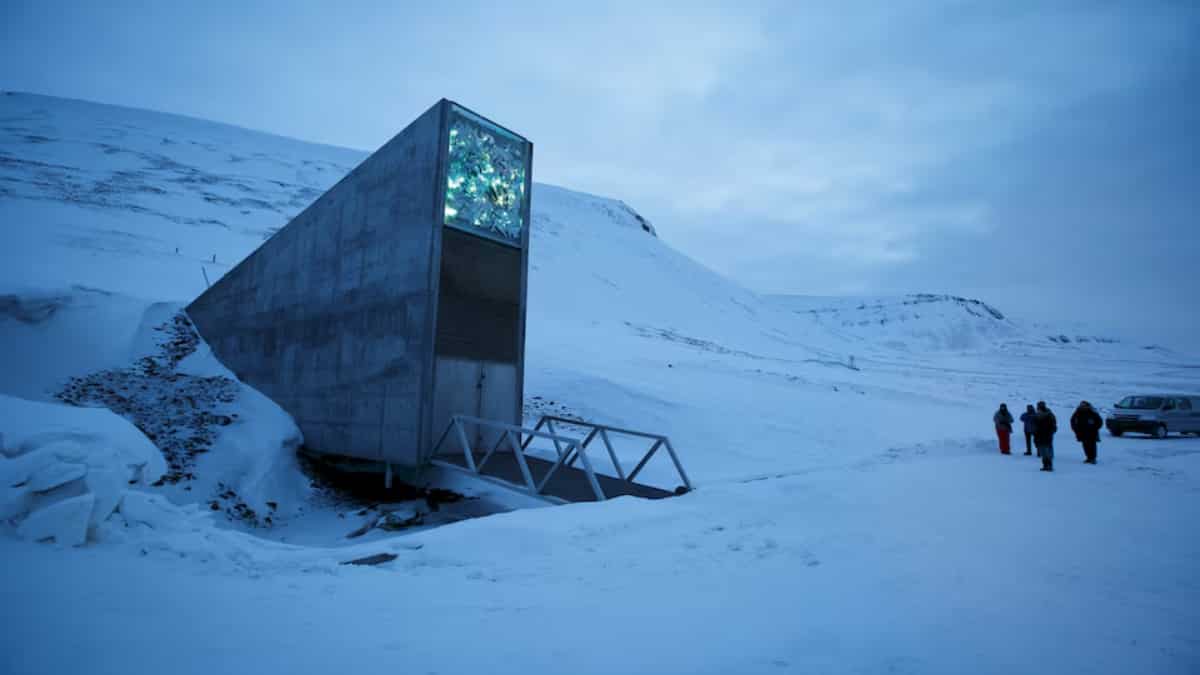
Svalbard Global Seed Vault has received nearly 8,000 new donations from two countries and the Olive Genebank of the University of Córdoba. The secret bunker is meant to support humanity if a crisis hits Earth and we need to restart from scratch.
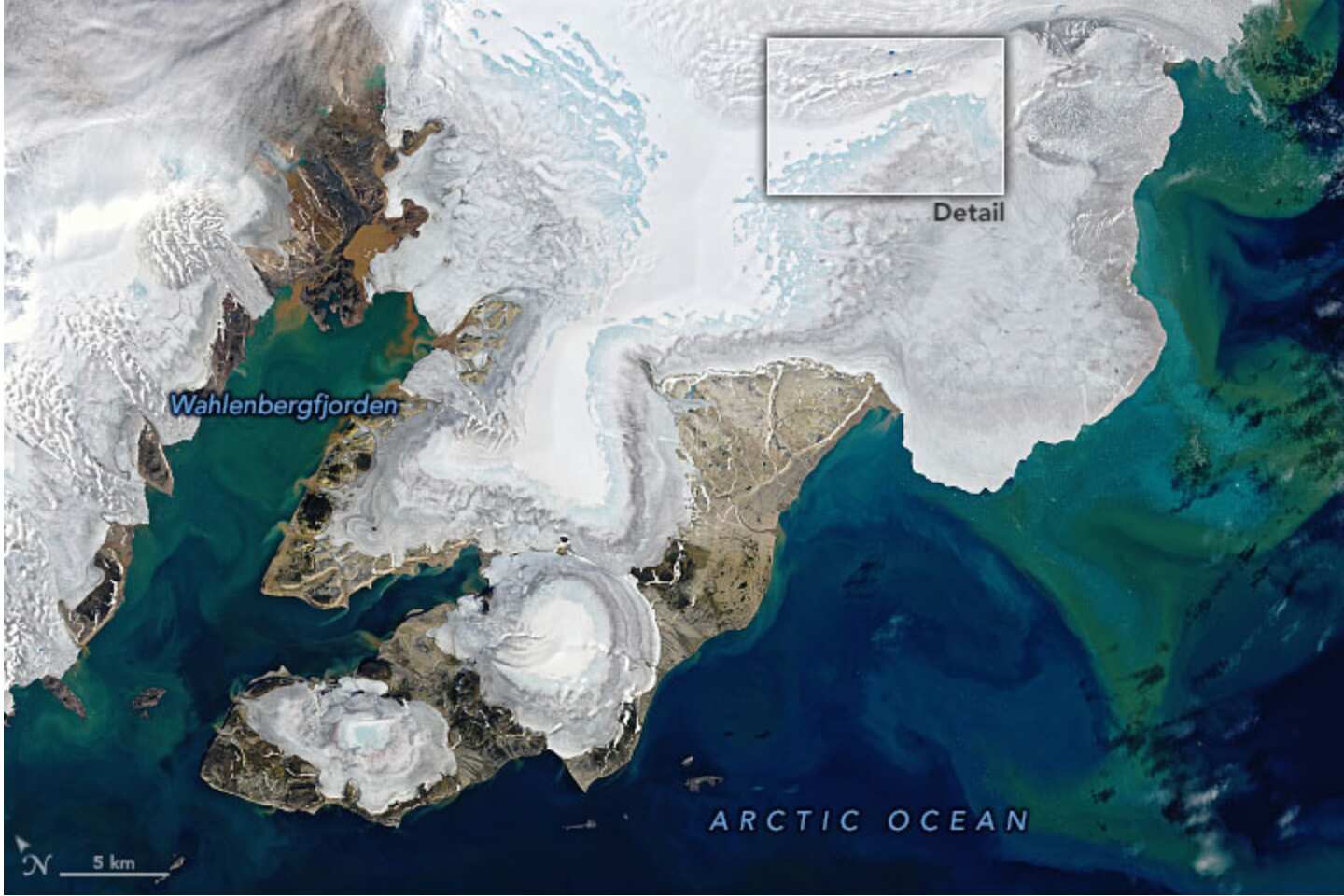
The Svalbard Global Seed Vault, which contains various unique seeds from around the world, has been updated with over 7,800 new seed varieties. This bunker serves a purpose that humanity can fall back on in case of an apocalypse to start life afresh. This is why it is also known as the "Doomsday Vault". It sits under a mountain in Spitsbergen in Svalbard, Norway. Fresh inclusions include some African (Niger) grains, olives from Spain, and ancient crops from Guatemala. Both Niger and Guatemala are first-time contributors to the vault. The vault now has an astonishing total of 1,386,102 seed varieties. However, it is not the only place on Earth where humans have stored seeds for a scenario where we need to rebuild ourselves. So-called "genebanks" are spread across the world and contain millions of seed varieties.
Why Svalbard Vault is the only one for long-term preservation
However, the Svalbard vault is the only one that can conserve these seeds the longest, even if power goes out. The vault operates at a temperature of -18°C (-0.4°F) to create the ideal conditions for preservation. On top of that, it is covered with permafrost and stones that will keep the seeds frozen even if humans are unable to continue operations. Despite several other places storing seeds, the Svalbard vault will be the final place humans will rely on in case a climate catastrophe or war destroys everything on Earth. Those who survive can fall back on this vault to restart agriculture and grow food.
What is wrong with other seed vaults?
"Many of these (other vaults) are vulnerable, exposed not only to natural catastrophes and war, but also to avoidable disasters, such as lack of funding or poor management," Crop Trust states on its website, adding that even "a poorly functioning freezer can ruin an entire collection." This makes the Svalbard Vault the final "global backstop".
Trending Stories
&imwidth=280&imheight=210&format=webp&quality=medium)
&imwidth=280&imheight=210&format=webp&quality=medium)
&imwidth=280&imheight=210&format=webp&quality=medium)
&imwidth=280&imheight=210&format=webp&quality=medium)
&imwidth=280&imheight=210&format=webp&quality=medium)
&imwidth=280&imheight=210&format=webp&quality=medium)
&imwidth=280&imheight=210&format=webp&quality=medium)
&imwidth=280&imheight=210&format=webp&quality=medium)
&imwidth=280&imheight=210&format=webp&quality=medium)
&imwidth=280&imheight=210&format=webp&quality=medium)
&imwidth=280&imheight=210&format=webp&quality=medium)
&imwidth=280&imheight=210&format=webp&quality=medium)
&imwidth=280&imheight=210&format=webp&quality=medium)
&imwidth=280&imheight=210&format=webp&quality=medium)
&imwidth=280&imheight=210&format=webp&quality=medium)
&imwidth=280&imheight=210&format=webp&quality=medium)
&imwidth=280&imheight=210&format=webp&quality=medium)
&imwidth=280&imheight=210&format=webp&quality=medium)
&imwidth=280&imheight=210&format=webp&quality=medium)
&im=FitAndFill=(700,400)&imwidth=280&imheight=210&format=webp&quality=medium)
&imwidth=280&imheight=210&format=webp&quality=medium)
&imwidth=280&imheight=210&format=webp&quality=medium)
&imwidth=280&imheight=210&format=webp&quality=medium)
&imwidth=280&imheight=210&format=webp&quality=medium)
&imwidth=280&imheight=210&format=webp&quality=medium)
&imwidth=280&imheight=210&format=webp&quality=medium)
&im=FitAndFill=(700,400)&imwidth=280&imheight=210&format=webp&quality=medium)
&imwidth=280&imheight=210&format=webp&quality=medium)
&imwidth=280&imheight=210&format=webp&quality=medium)
&imwidth=280&imheight=210&format=webp&quality=medium)
&imwidth=280&imheight=210&format=webp&quality=medium)
&im=FitAndFill=(700,400)&imwidth=280&imheight=210&format=webp&quality=medium)
&imwidth=280&imheight=210&format=webp&quality=medium)
&imwidth=280&imheight=210&format=webp&quality=medium)
The vault started operations in 2008 and is managed by the Norwegian Ministry of Agriculture and Food. It can store a total of 2.5 billion seeds - 500 seeds from 4.5 million varieties of crops. It operates with "black–box conditions", which means that only the country that deposited the seeds can withdraw them. They are packed in three–ply foil packages, which are custom-made, sealed inside boxes and kept on shelves inside the Seed Vault. The location is ideal since it is a geologically stable region with low humidity levels and high above sea level.