Norway: Svalbard Global Seed Vault receives over 30,000 new samples amid climate change impact fears

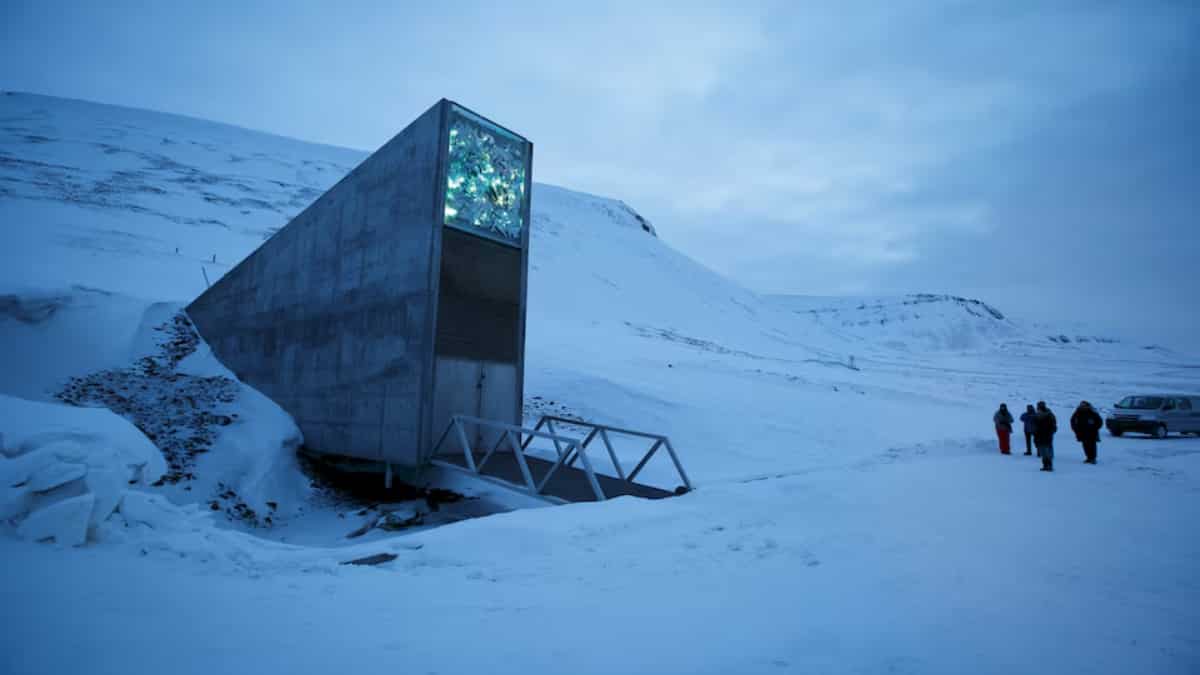
Norway seed vault
The Svalbard Global Seed Vault of Norway has recorded the highest number of new seed samples since 2020. According to the faculty, the increase in number is due to the fear of the impact of climate change on food security. Established in 2008, the vault is situated deep inside a mountain to protect the genetic code of over a thousand plant species from natural disasters.
It is safeguarded by permafrost and receives multiple samples from various countries. The seed vault played a major role in restoring the seed collections between 2015 to 2019, which got damaged during the war in Syria.
Reuters cited the Executive Director of the Crop Trust, Stefan Schmitz as saying, "Climate change and conflict threaten infrastructure and impact food security for over 700 million people in more than 75 countries worldwide.”

Also Read |Israel confirms death of Nasrallah's heir apparent Sayyed Hashem Safieddine
Bolivia made a notable contribution to the Svalbard Global Seed Vault. With the help of 125 farmers and their families from local communities, the 400-year-old Universidad Mayor Real y Pontificia de San Francisco Xavier de Chuquisaca made the first Bolivian contribution.
The representative from Biodiversity for Opportunities, Livelihoods, and Development in Bolivia, financially supported by Norway, stressed the importance of saving crops and protecting our culture.
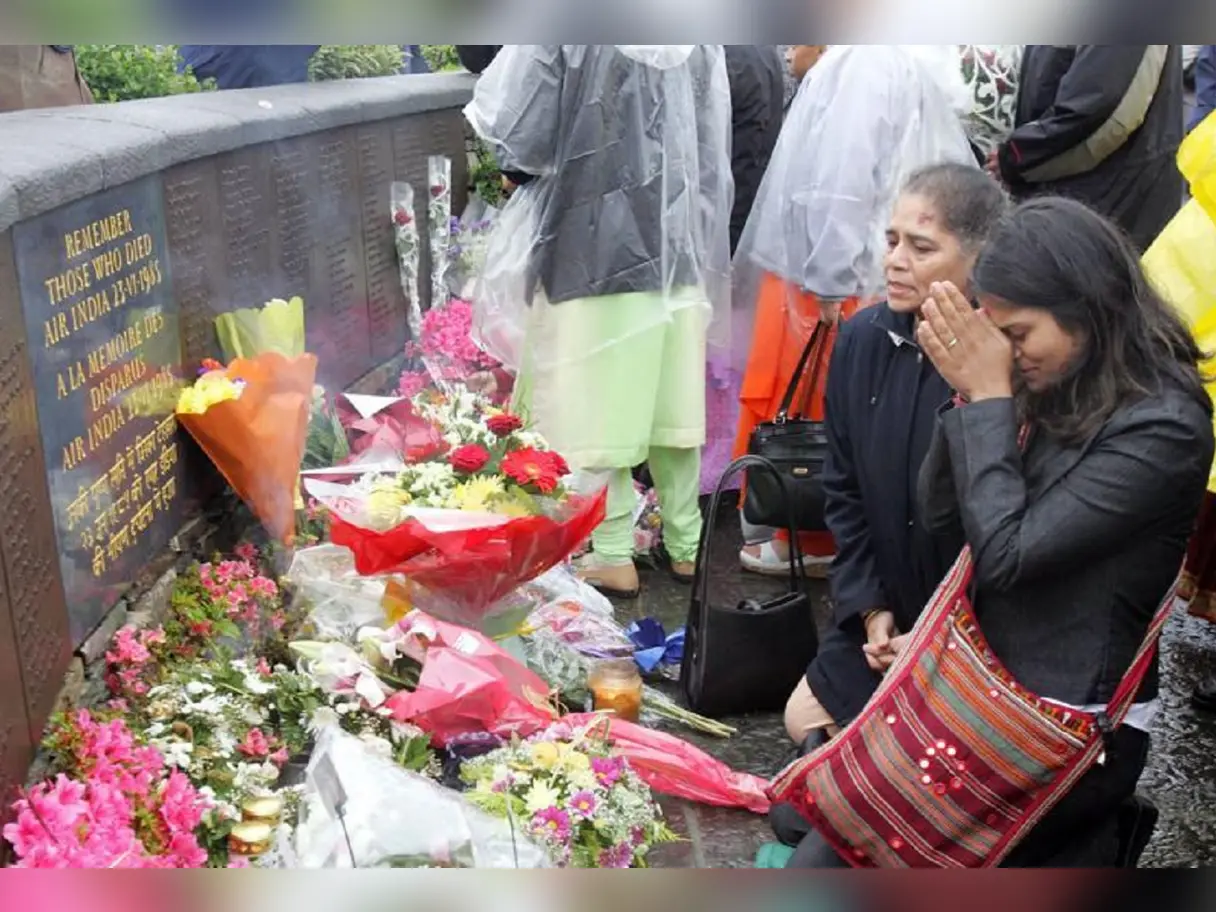)
Justice eludes Air India 1985 bombing victims as Canada probe goes 'inactive' | Gravitas
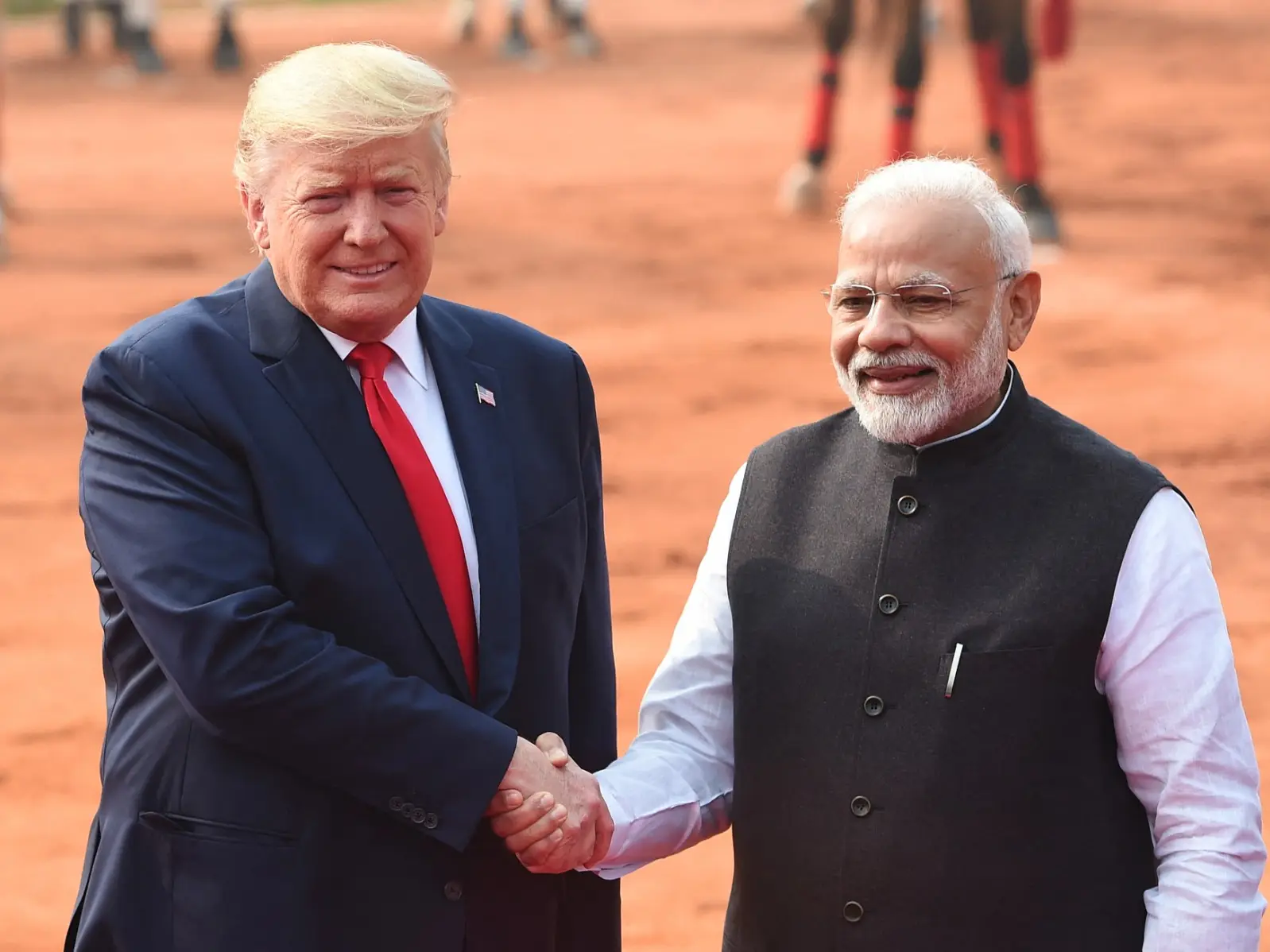)
Trump revives India-Middle East-Europe economic corridor as India emerges central to West Asia’s future: What is it?
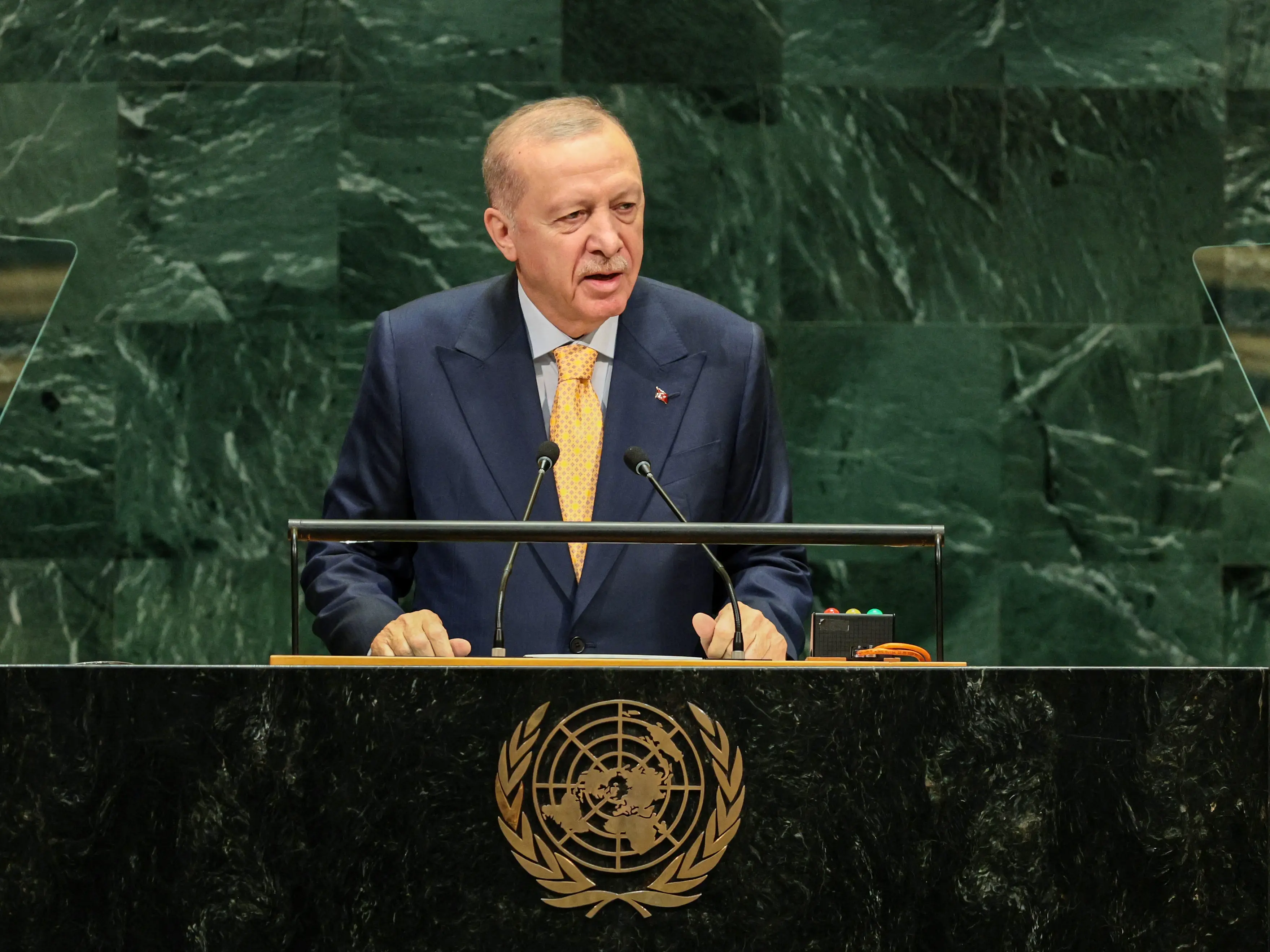)
Erdogan again raises Kashmir issue at UNGA, calls for dialogue under UN Charter
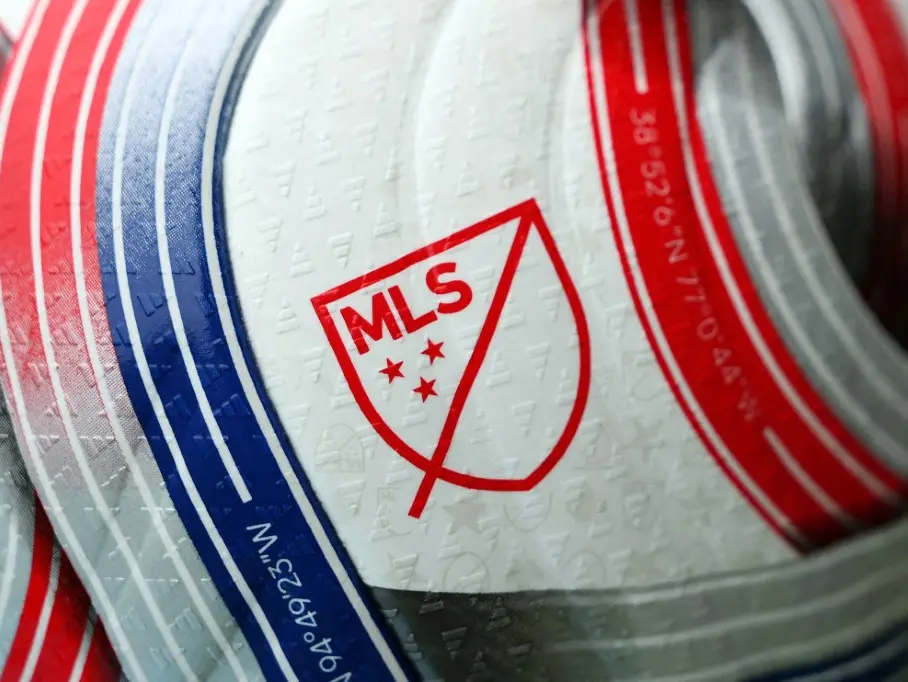)
Major League Soccer referee sacked for sexist comment about female match referee
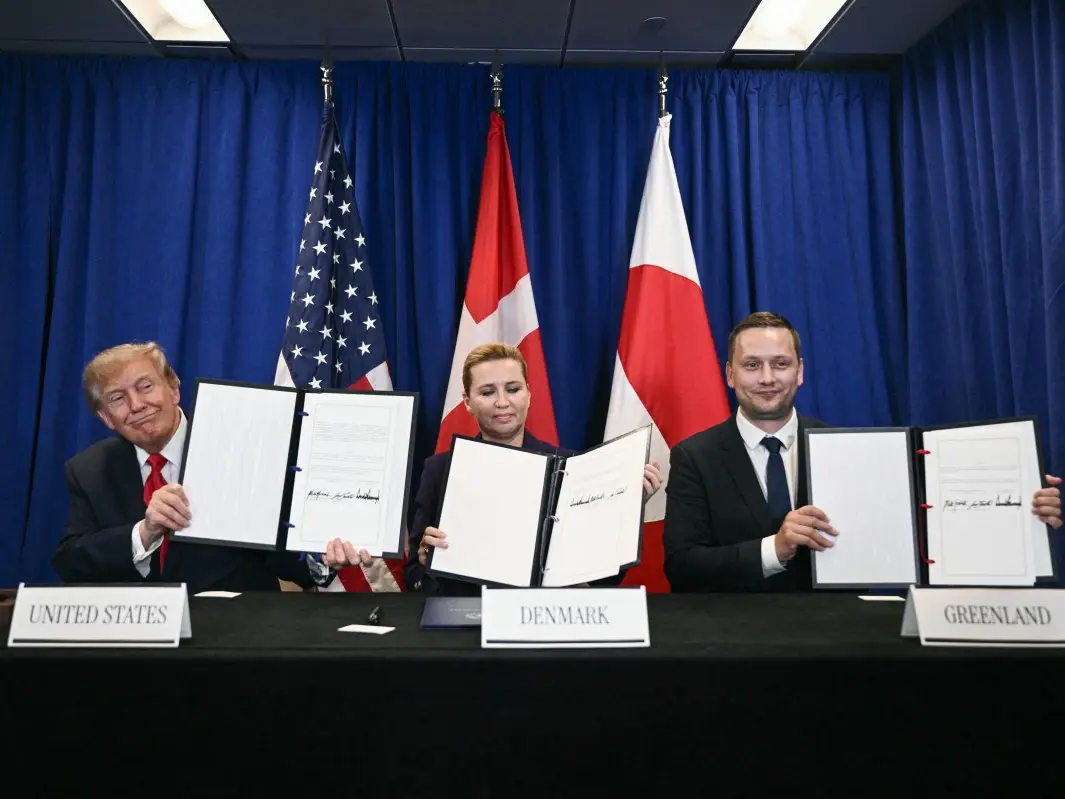)
Trump signs Greenland security deal with Denmark, paving way for two new US military bases
)
IND vs JPN T20I: How an overturned wide became point of difference between India's win and a tie
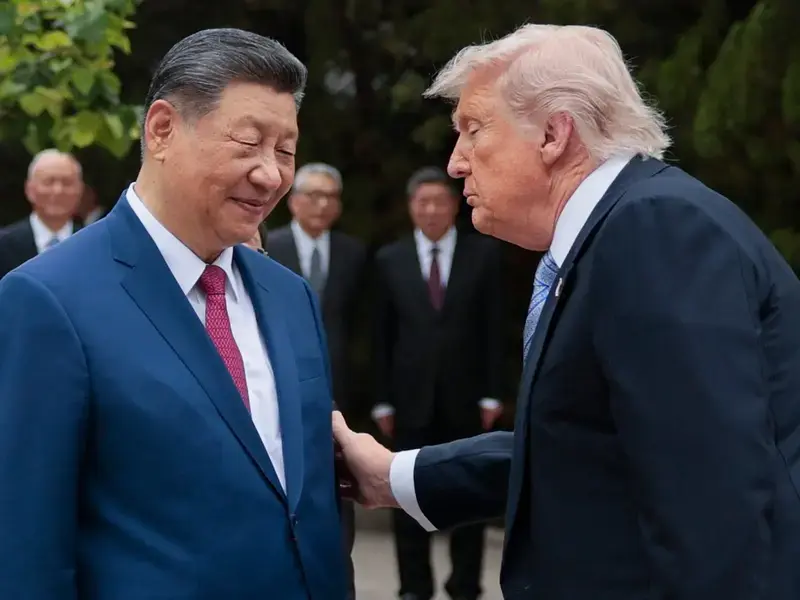)
Trump-Xi summit: From trade to Taiwan, what will the US and Chinese presidents discuss in Washington?
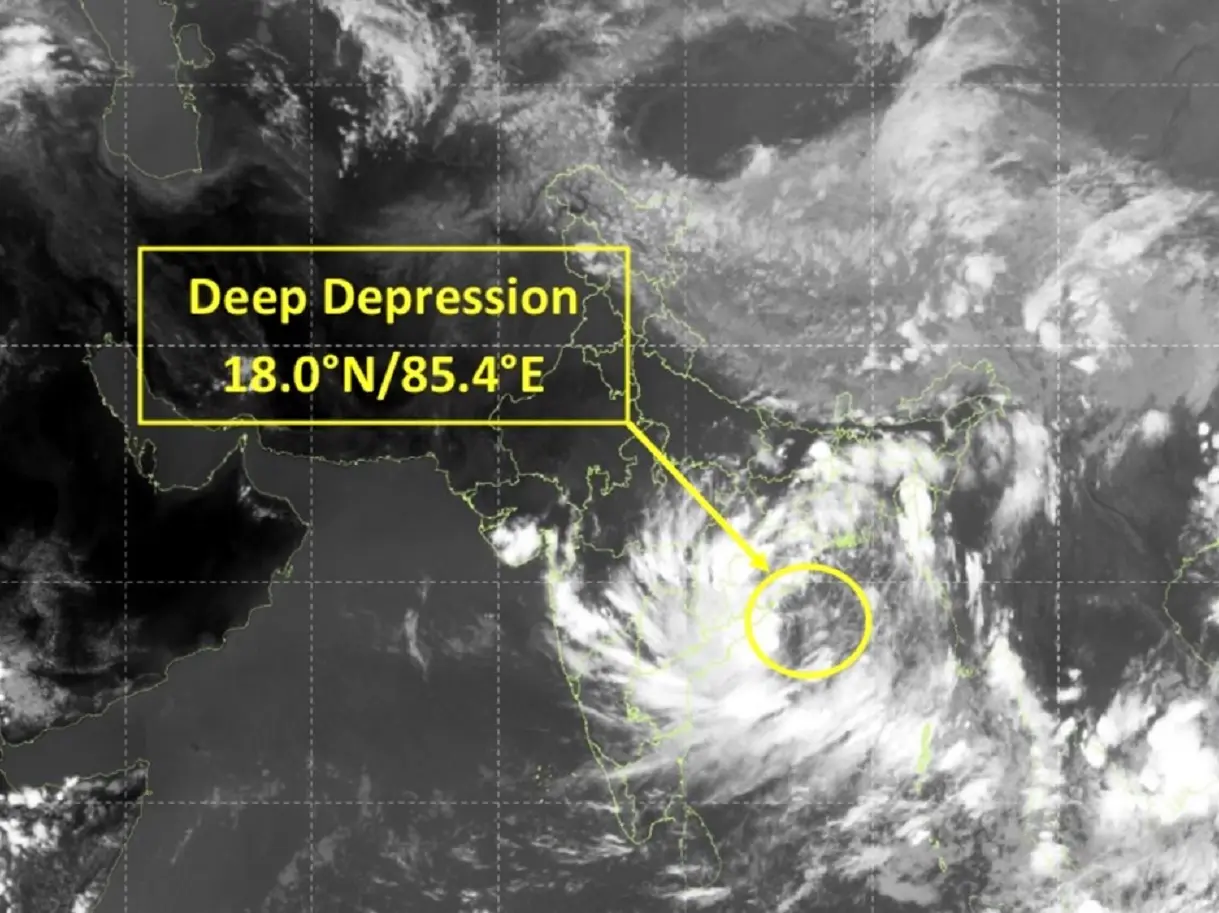)
Cyclone Arnab: Landfall expected before midnight tomorrow as IMD issues orange alerts across six states
)
ICC plans T20I expansion and fewer ODIs in 2027–2031 FTP cycle: Report
)
US-China tech war: Businesses in the front line
)
Gravitas | Boosting NHS productivity could save 20,600 lives in UK annually: Report
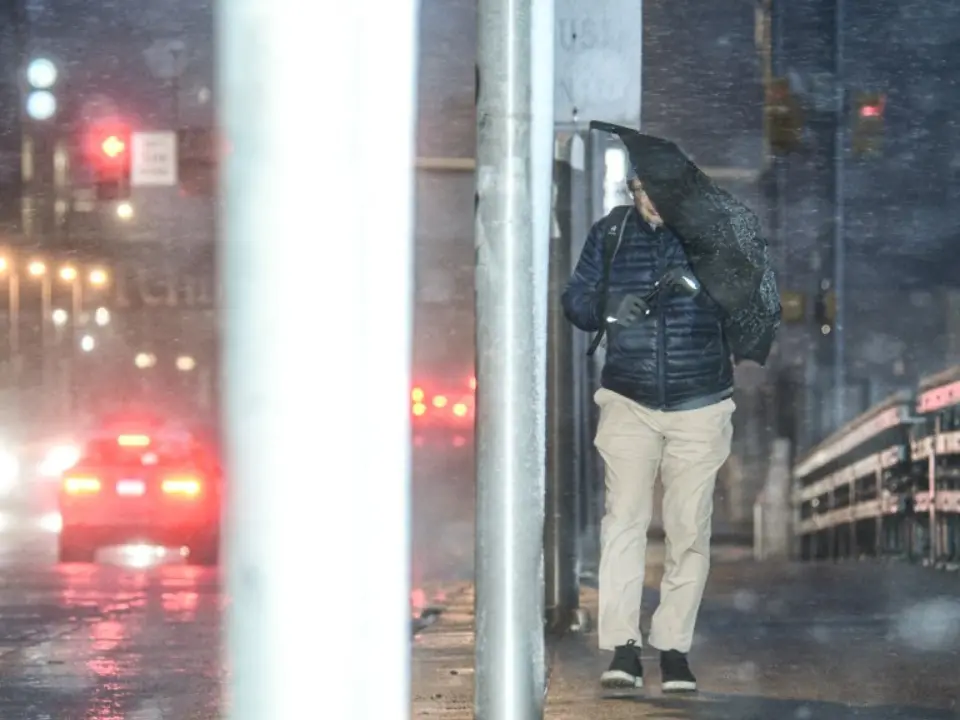)
Nor'easter could batter 13 US states this week. What you should know
)
WION Iconic Tourism Summit: Seychelles envoy says India partnership is important for Seychelles
)
US and China vie for AI dominance as calls grow for regulation | Gravitas
)
Yemen clashes kill 154 people in two days as cornered Saudi battles Houthi offensive | Gravitas
)
China to test supersonic jet that moves at Mach 2, double the speed of sound
)
Bomb scare in New York amid UNGA: Suspicious suitcase found near UN headquarters
)
IND vs JPN, one-off T20I: Japan captain Kendel on pushing India to the brink - ‘It was special’
)
Mikel Arteta verbally agrees to three-year extension with Arsenal after title-winning Premier League season
)
WION Iconic Tourism Summit and Awards 2026: Key voices to discuss India’s tourism future
)
WION Iconic Tourism Summit and Iconic Awards 2026: India's travel economy leaders gather in Delhi
&im=FitAndFill=(700,400))
New OTT releases this week (September 21-27, 2026): Shaque: Trust No One, Hunkkaar, Don’t Be Shy- 5 new titles coming to Netflix, Prime Video and more
)
81st UN General Assembly: Burnham announces UK-US AI defence tie-up
)
Trump calls on nations to quit ‘rogue’ and ‘out-of-control’ International Criminal Court, rips UN
)
Infections transmitted from pregnant woman linked to autism risk
)
'What kind of confession is this?': Pakistan PM Shehbaz Sharif’s 'terrorists would be roaming New York' remark goes viral, raises alarm online. Watch
)
Elephants hide behind trees, stage surprise attack on poachers targeting rhinos in South Africa
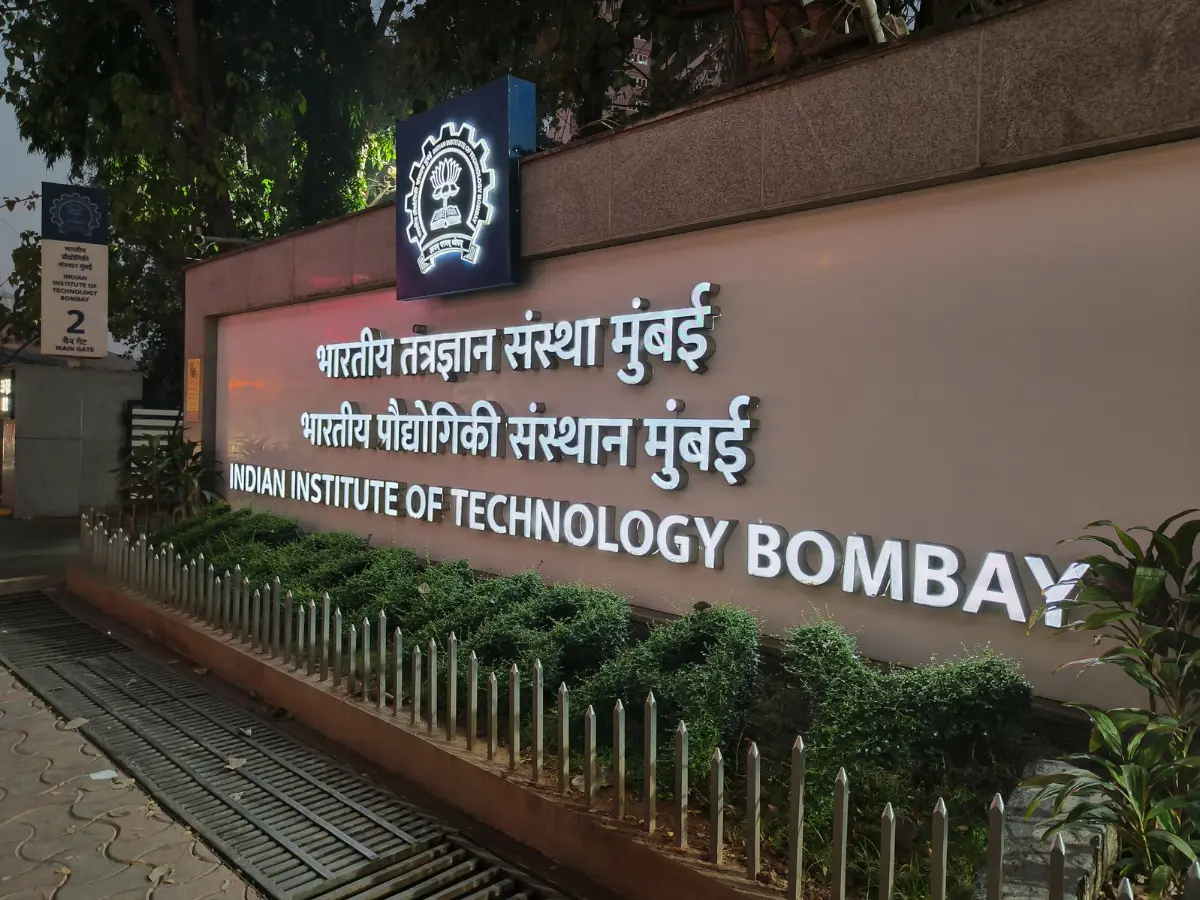)
IIT Bombay professor Suryanarayana Doolla sent on leave amid Sahil Wakode death probe
&im=FitAndFill=(700,400))
National Film Awards 2026: Kartik Aaryan, Mammootty, Yami Gautam, Randeep Hooda and other key winners
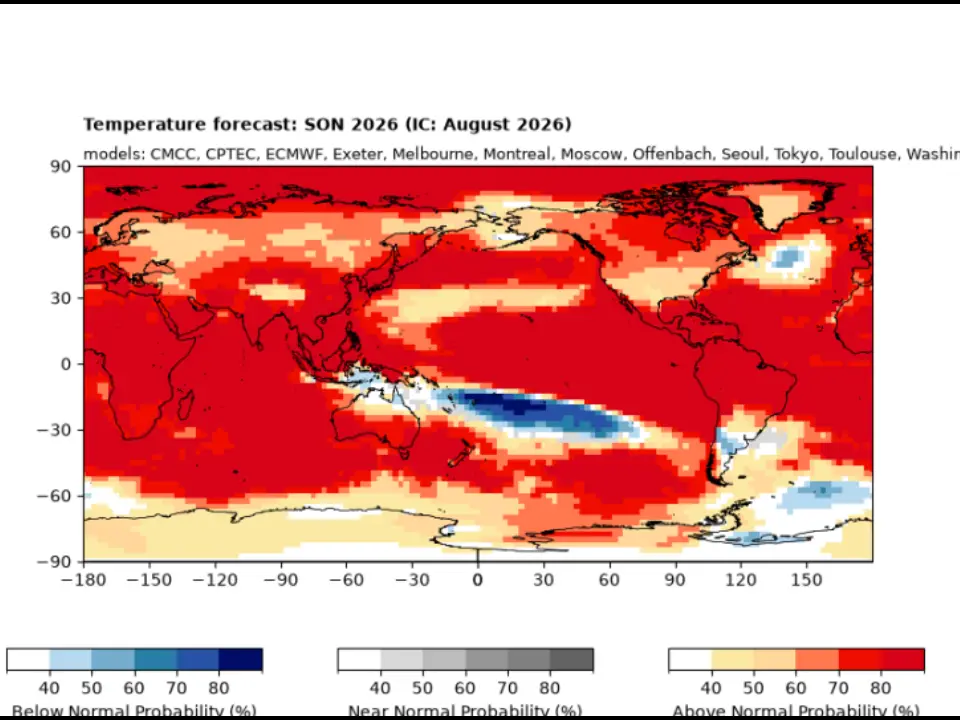)
El Niño 2026 heats up to become strongest in 1,000 years
)
Anne Hathaway to run in supporting race for Nolan's epic
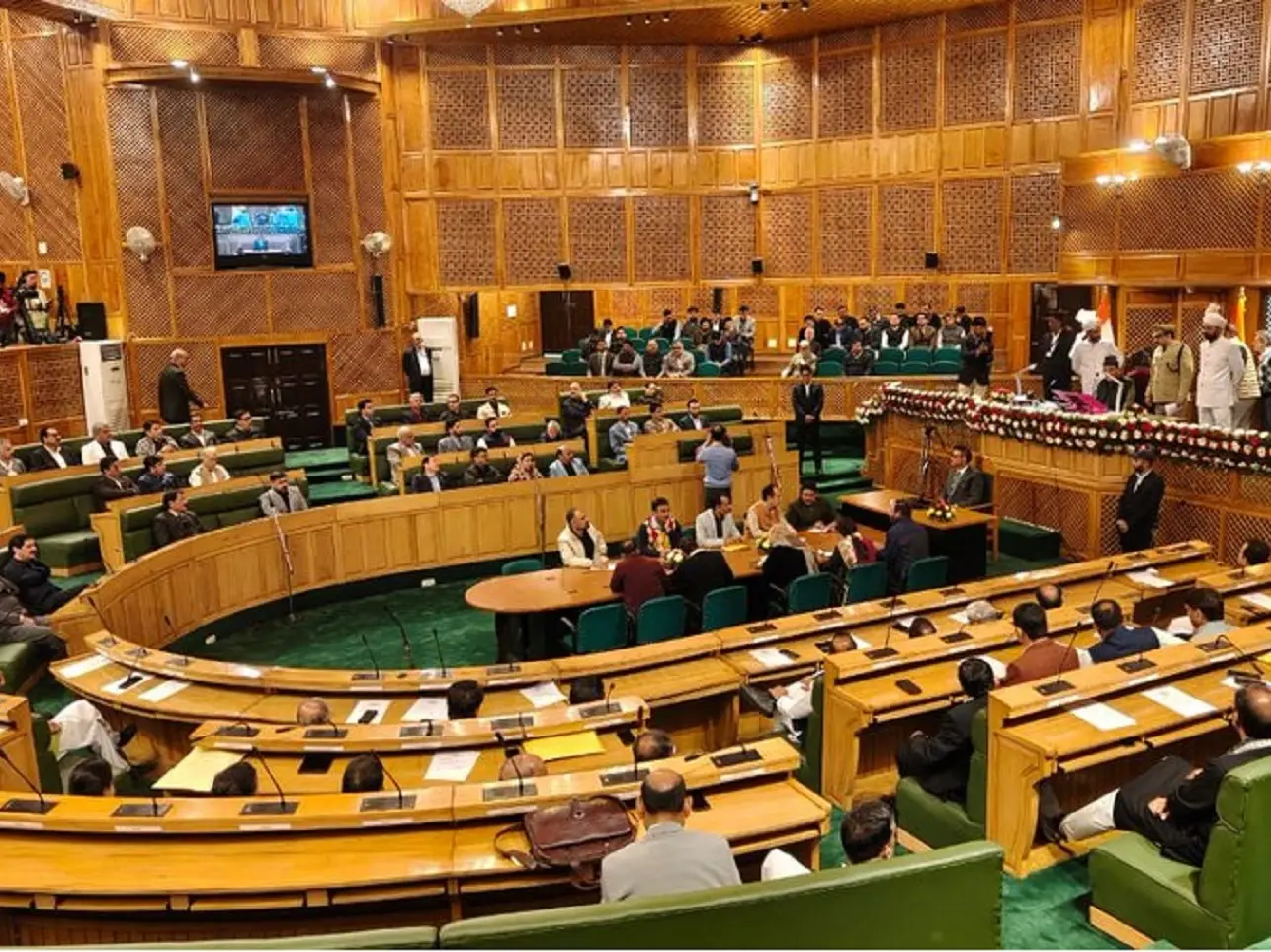)
Over 4,200 books withdrawn from circulation in J&K colleges, 94% from Kashmir
)
From Gaddafi tearing up UN Charter to Trump’s ‘escalatorgate’: Most unforgettable UNGA moments
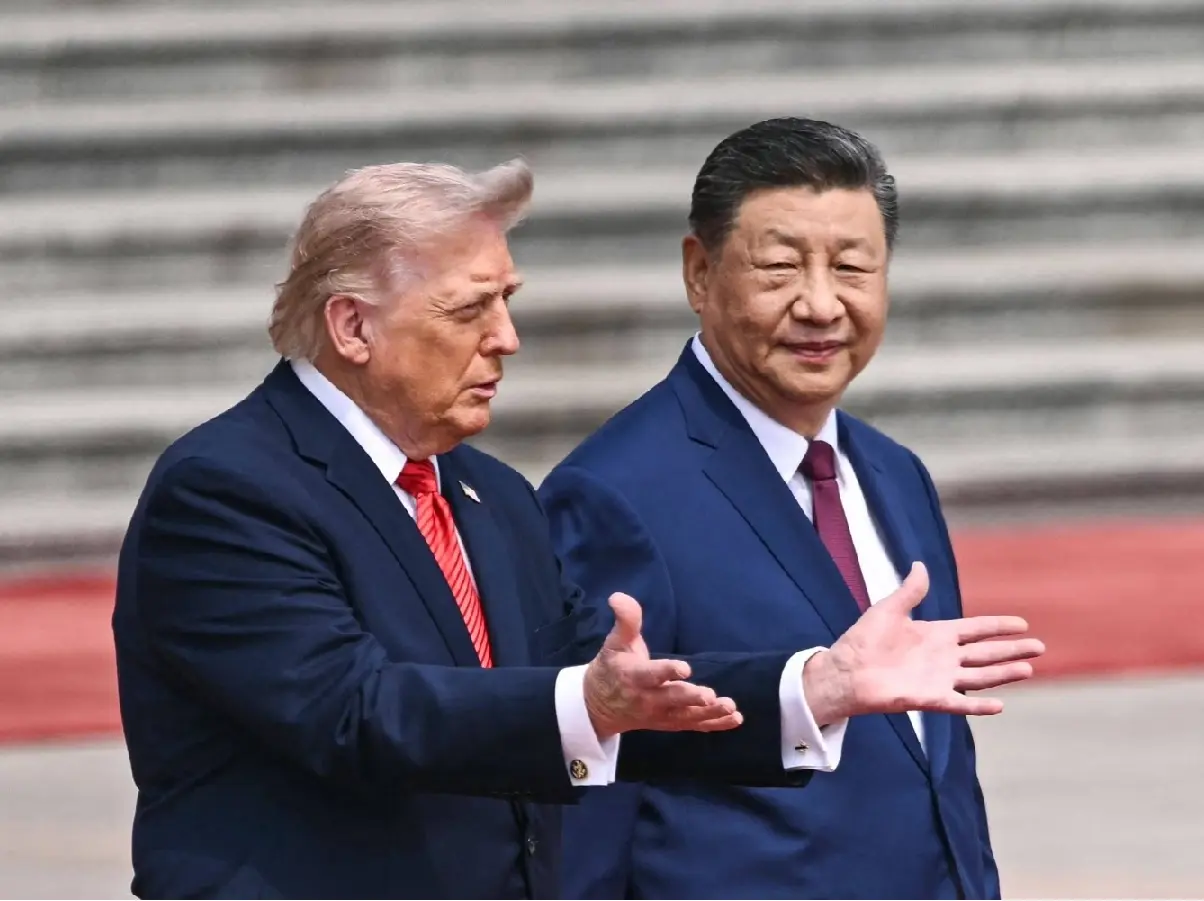)
Explainer: Why rare-earth export licences and Board of Trade are US priorities ahead of Trump-Xi summit
)
Asia prepares for record El Nino, food shock
)
Forget apps: Qualcomm CEO says AI agents will change how we use smartphones
)
Four female students raped during 'Red Zone' at California university. What we know
Also Read |Elite traveler goes bonkers at seeing economy passenger use first-class lavatory
This time, a new contributor, Chad, has deposited a significant number of 1,145 seed samples. It includes rice, sorghum, sesame, and maize. All these samples are adjustable to the climatic conditions of Norway, essential for the development of crops that can resist rainfall and temperature changes.
A huge number of 30,000 new samples have been received from 21 countries. These samples also include the deposits made by Agricultural Work Committees in the occupied Palestinian regions. They have deposited seed samples of herbs, vegetables and legumes.
The aim of the vault is to protect the seed samples. Therefore, to ensure proper safety and conservation, the vault opens its chambers only twice or thrice a year.
(With inputs from agencies)

