In pics: Study reveals Arctic warming four times and Svalbard seven times faster than rest of planet

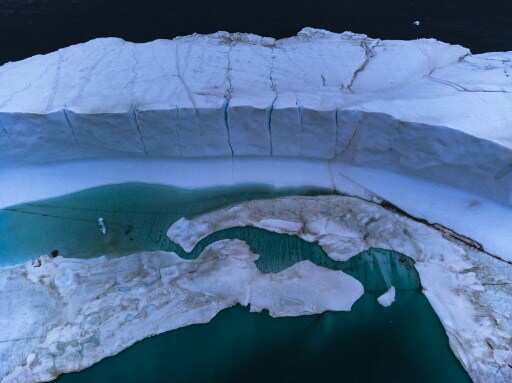
But, why?
This happens when snow and sea ice melt into the sea, which absorbs the heat of the Sun instead of reflecting it.
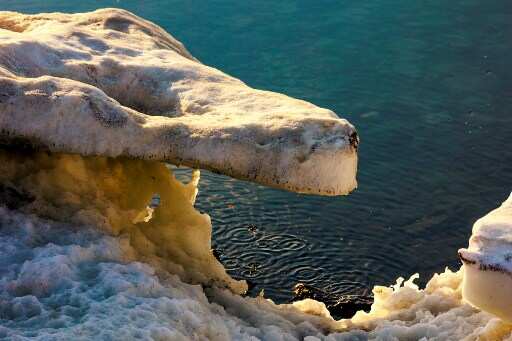
Long-held consensus
Although scientists have long agreed that the Arctic is rising swiftly, estimates differ depending on the time period examined and how the Arctic is defined geographically.
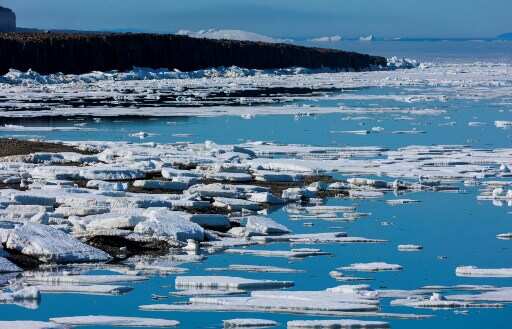
Four sets of temperature data
Four sets of temperature data collected by satellite studies over the whole Arctic circle from 1979, the year that satellite data became available, were analysed by a team of researchers headquartered in Norway and Finland.
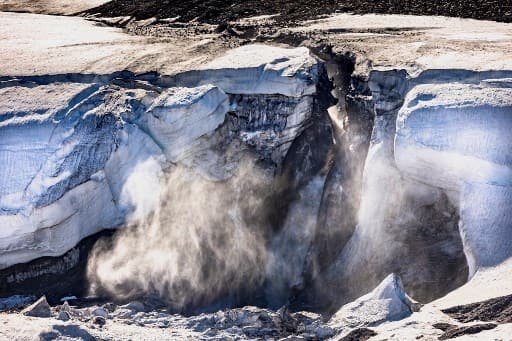
0.75 degrees centigrade per decade
The Arctic warmed on average 0.75 degrees centigrade every decade, roughly four times faster than the rest of the planet, according to the statistics.
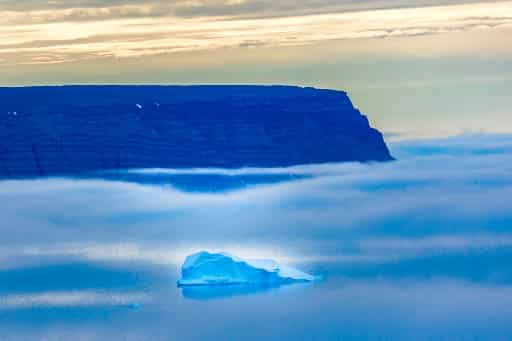
Svalbard seven times faster
In the Arctic circle, the warming rates were found to vary significantly by location, according to the study, which was published in the journal Communications Earth & Environment. In contrast to the rest of the world, the Eurasian region of the Arctic Ocean, close to the Svalbard and Novaya Zemlya archipelagos, has warmed up to 1.25 degrees centigrade per decade.
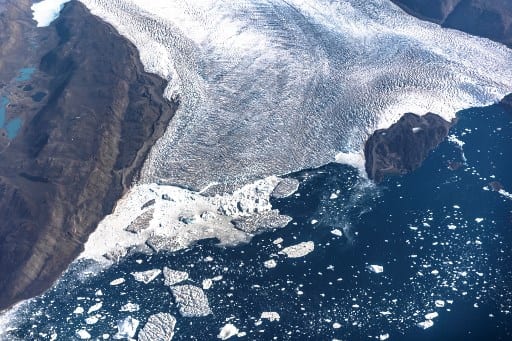
Climate models predicted less
The researchers discovered that even cutting-edge climate models underestimated the warming of the Arctic by almost a third compared to the actual data. They suggested that this gap might be caused by ongoing Arctic modelling making earlier modelled figures out of date.
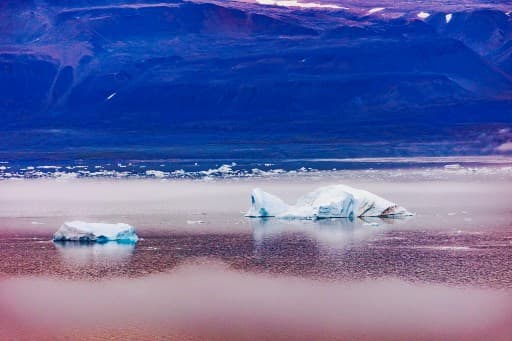
Worldwide repercussions
Intense Arctic warming will have an impact not only on local residents but also on wildlife that depends on sea ice for hunting.
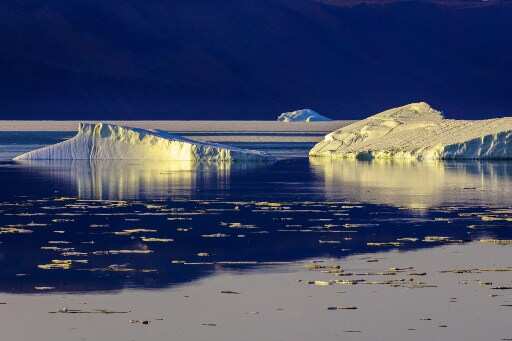
Tipping point
There is enough frozen water in the Greenland ice sheet to raise Earth's oceans six metres, according to recent studies that warn it may be on the verge of melting.
)
)
)
)
)