What happens if lightning strikes an S-400 launcher?

If lightning strikes an S-400 launcher, its heavy metal chassis acts as a Faraday cage to protect the crew. Grounding rods safely dissipate millions of volts, while shielded missile tubes prevent the strike from detonating the solid-rocket fuel.
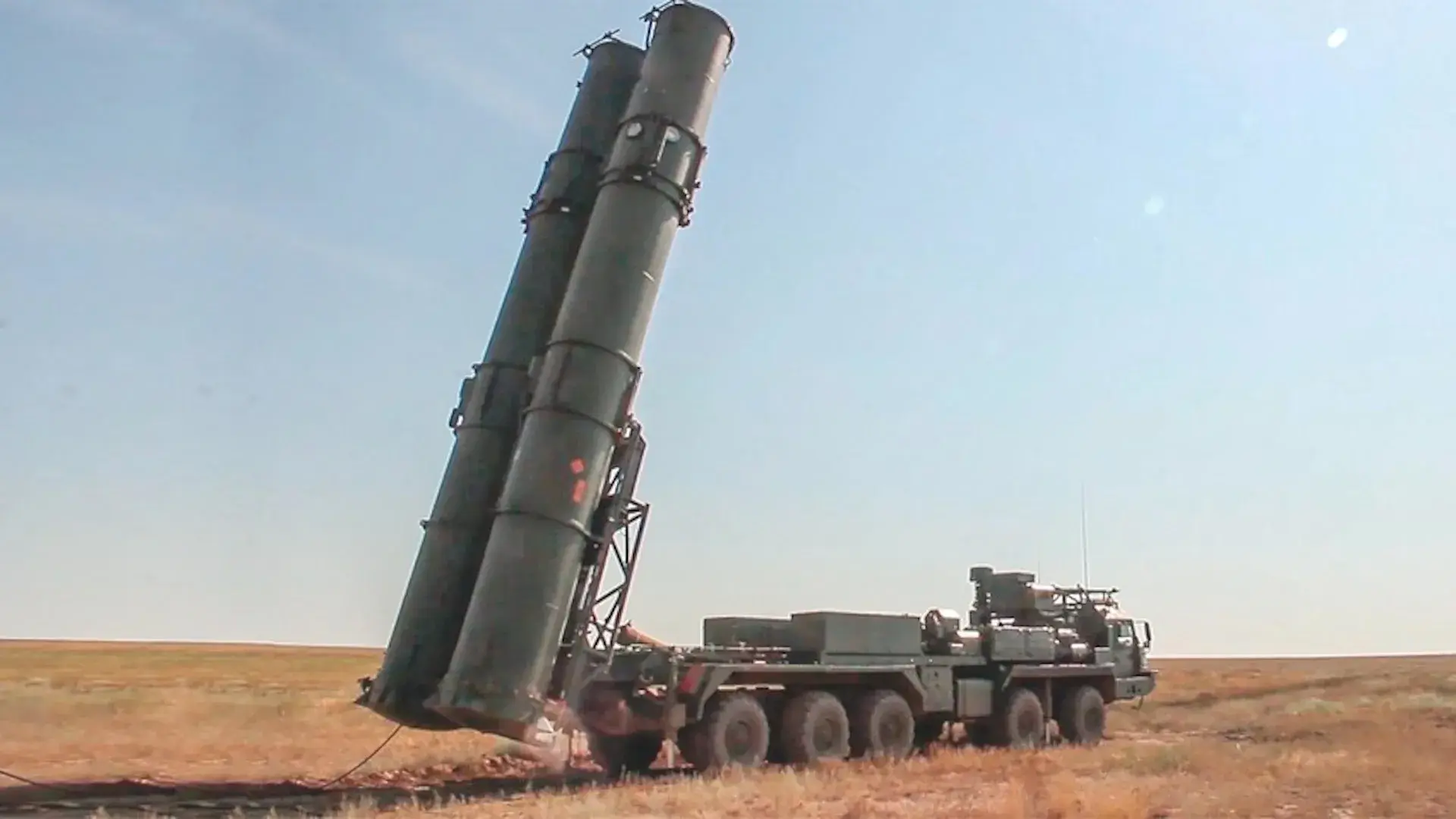
The Faraday Cage
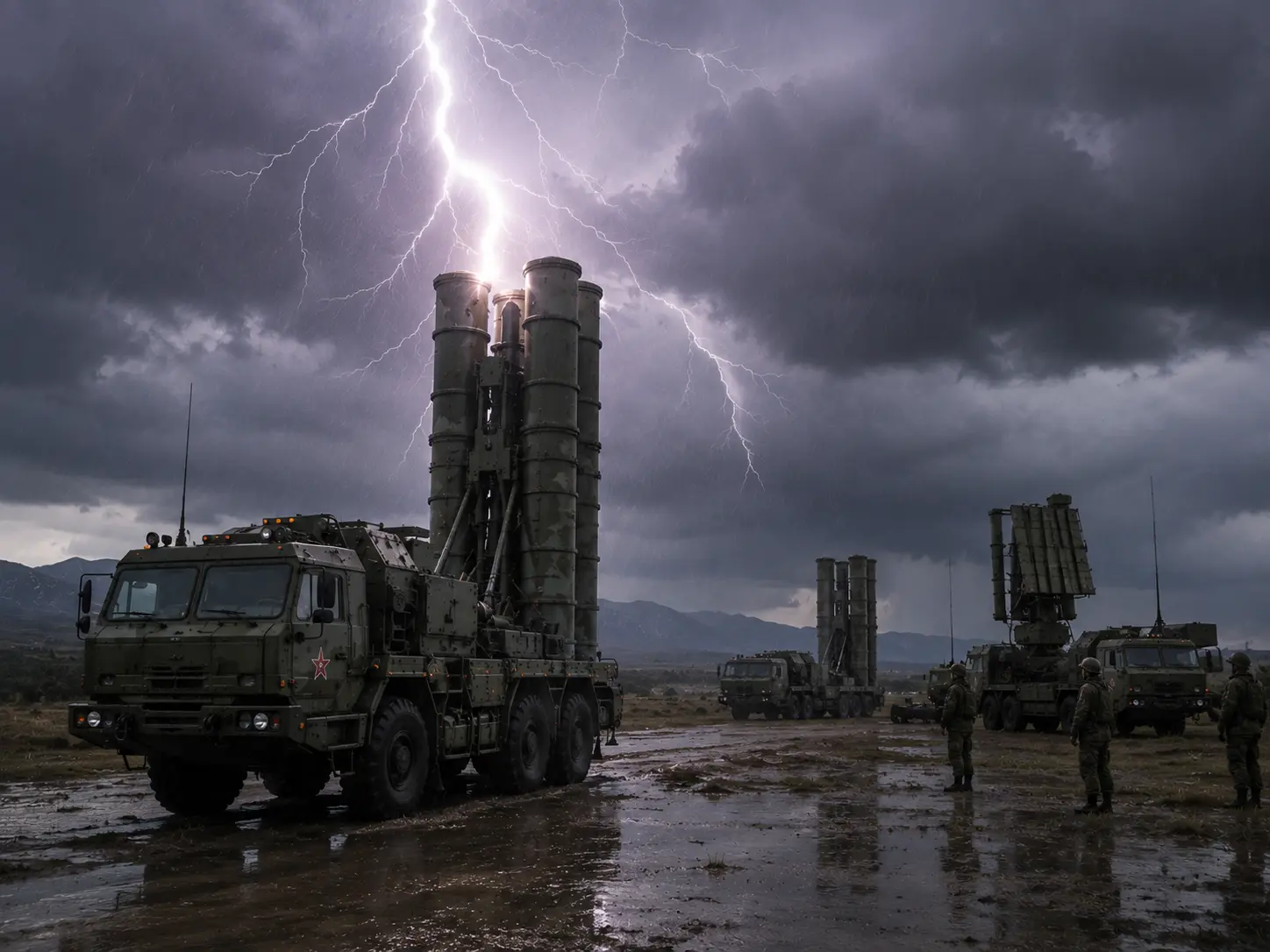
When a massive lightning bolt strikes the S-400 launcher, it hits a heavy-duty metal fortress. The launch vehicle's steel chassis acts as a perfect Faraday cage, safely channelling the extreme electrical current entirely around the exterior of the cabin.
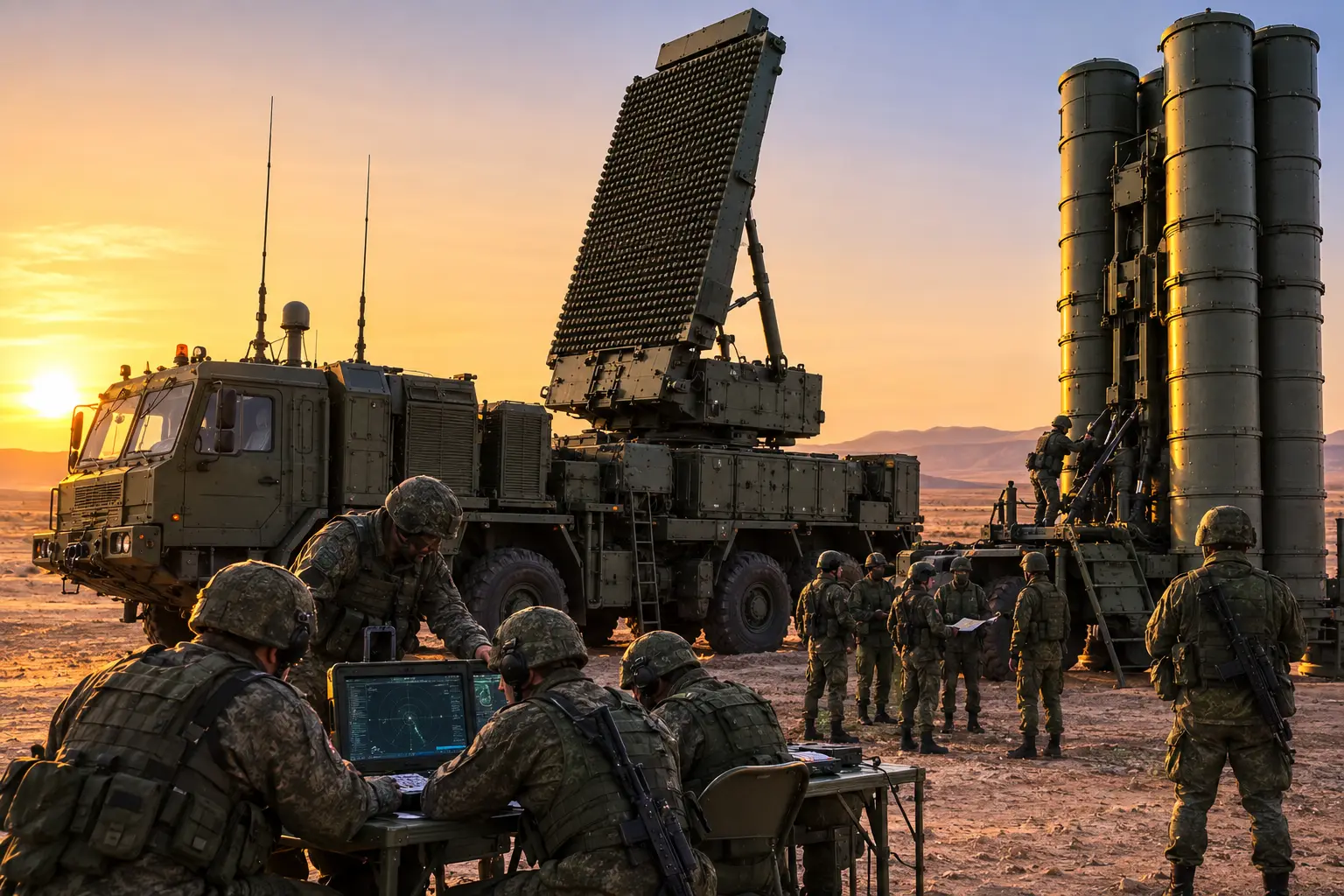
Protecting the Crew
Because the electrical charge naturally follows the path of least resistance along the outer metal skin, it does not penetrate the interior space. The crew sitting inside the massive MZKT-7930 transporter remains completely unharmed, heavily insulated from the deadly voltage.
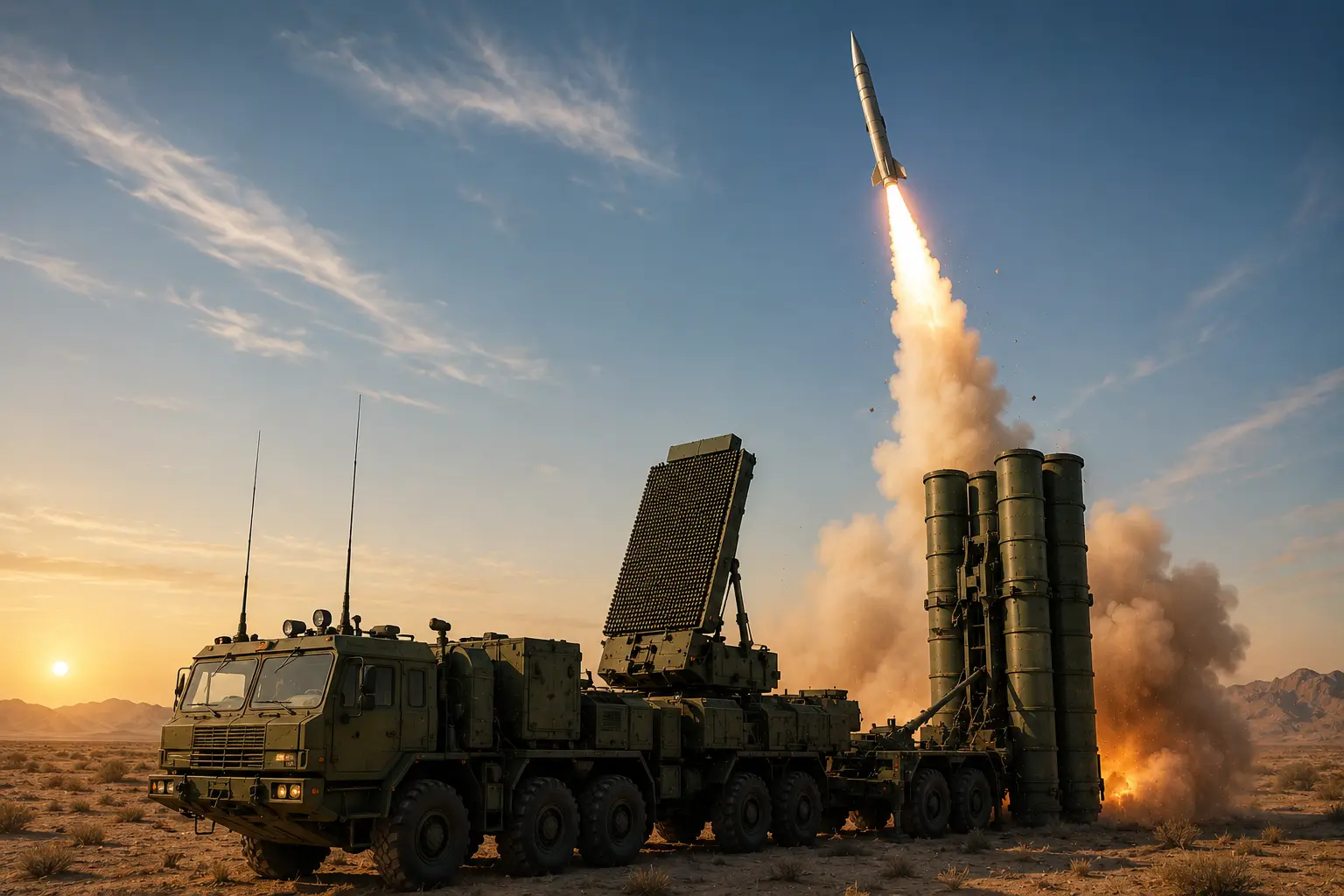
Missile Canister Shielding
The heavy 40N6E and 48N6 missiles are completely sealed inside dense metal launch tubes. These specialised canisters provide robust electromagnetic shielding, explicitly preventing stray electrical arcs from reaching the highly explosive solid-rocket fuel or the fragmentation warhead.
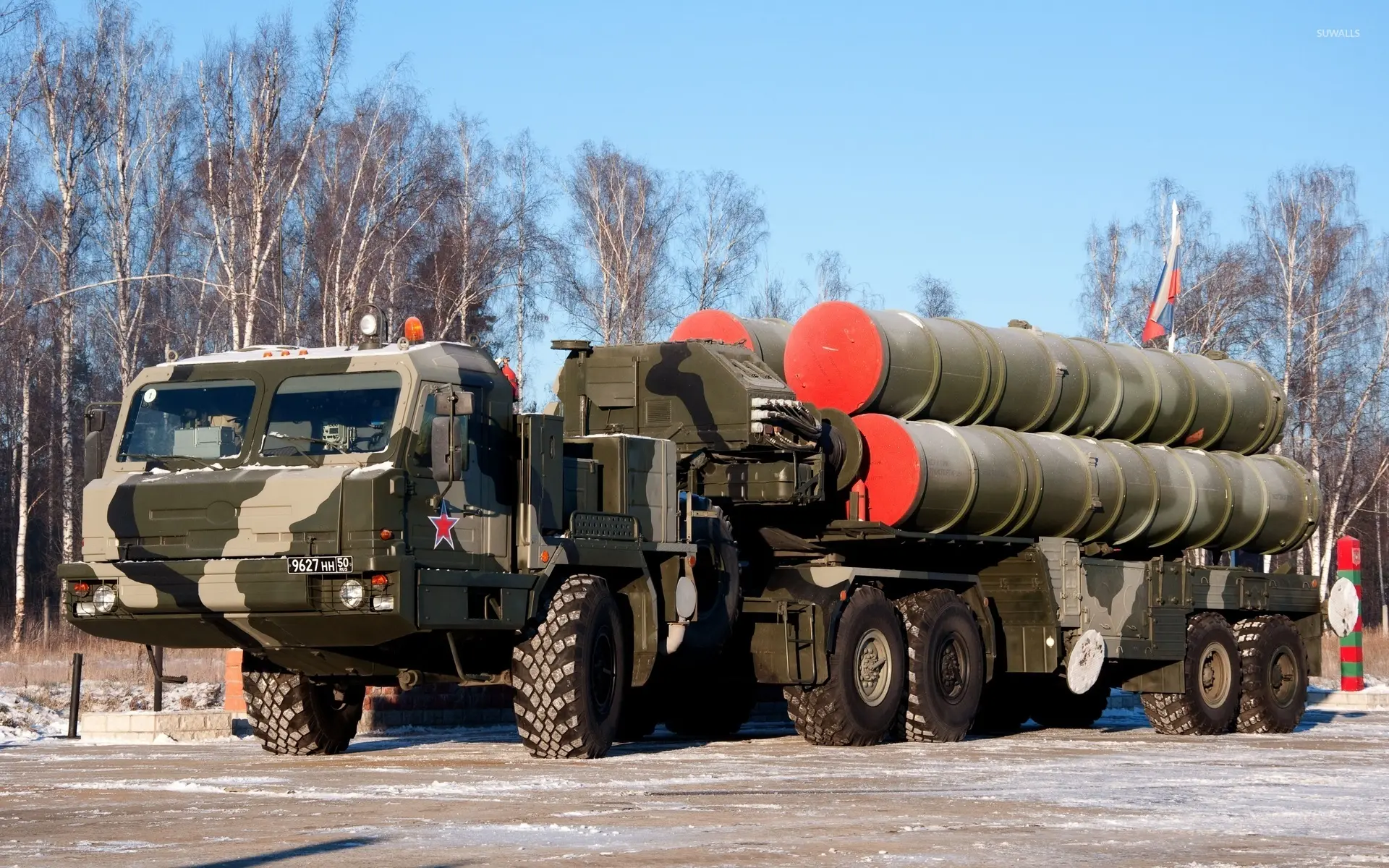
EMP and Surge Protection
Direct lightning strikes generate a massive electromagnetic pulse (EMP) that can instantly destroy unshielded computers. To survive this phenomenon, the S-400's digital fire-control systems and radar vehicles are heavily insulated with military-grade surge protectors and grounding circuits.
Grounding the Battery
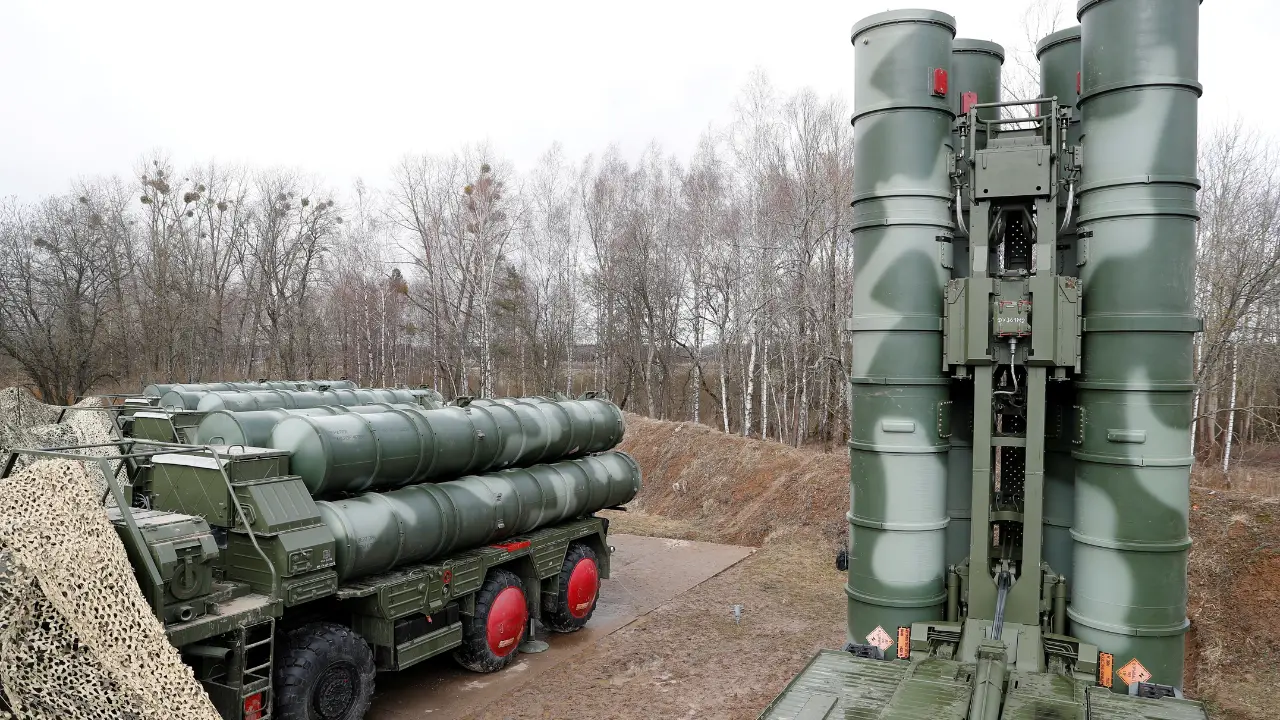
When deployed in a stationary firing position, S-400 crews physically anchor the launch vehicles using heavy hydraulic outriggers and deep grounding rods. This direct connection allows the millions of volts from a lightning strike to safely and instantly dissipate into the earth.
Preventing Accidental Launch
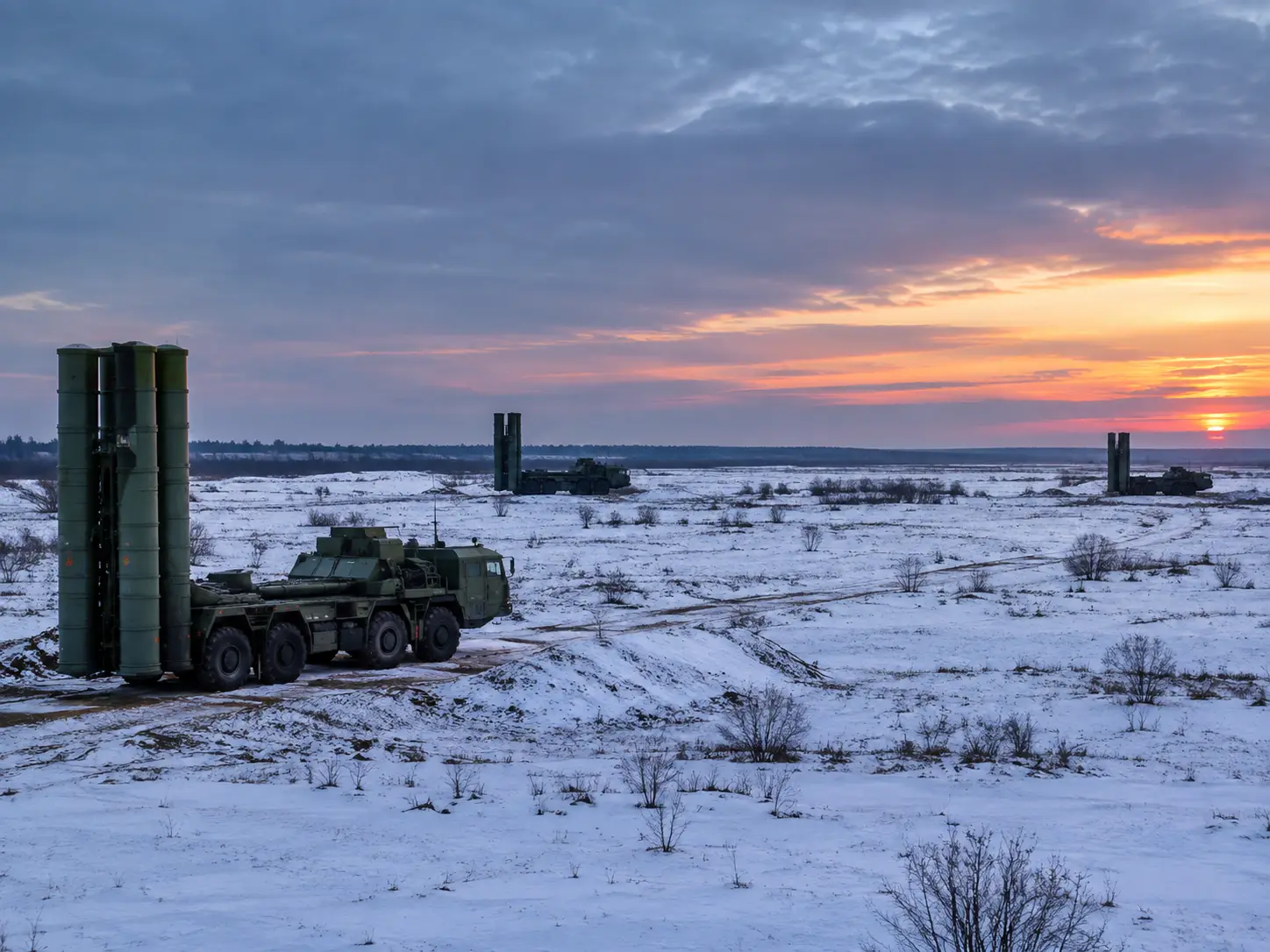
The electrical ignition systems that trigger the S-400's vertical cold-launch sequence are heavily shielded against external electromagnetic interference. This strict physical insulation guarantees that a violent lightning strike will never cause an accidental missile launch or a catastrophic mid-tube detonation.
An All-Weather Shield
Ultimately, the USD 1.25 billion system is engineered to fight in the most severe atmospheric conditions on Earth. While a lightning strike delivers extreme thermal and electrical stress, the S-400 safely absorbs the impact and continues its 600-kilometre surveillance without interruption.
)
)
)
)
)