How long can an S-400 operate continuously?

The S-400 is built for continuous 24-hour combat duty, limited only by the fuel of its 5I57A diesel generators. It requires a major factory overhaul after 10,000 hours of operation, while its interceptor missiles expire after 10 years.
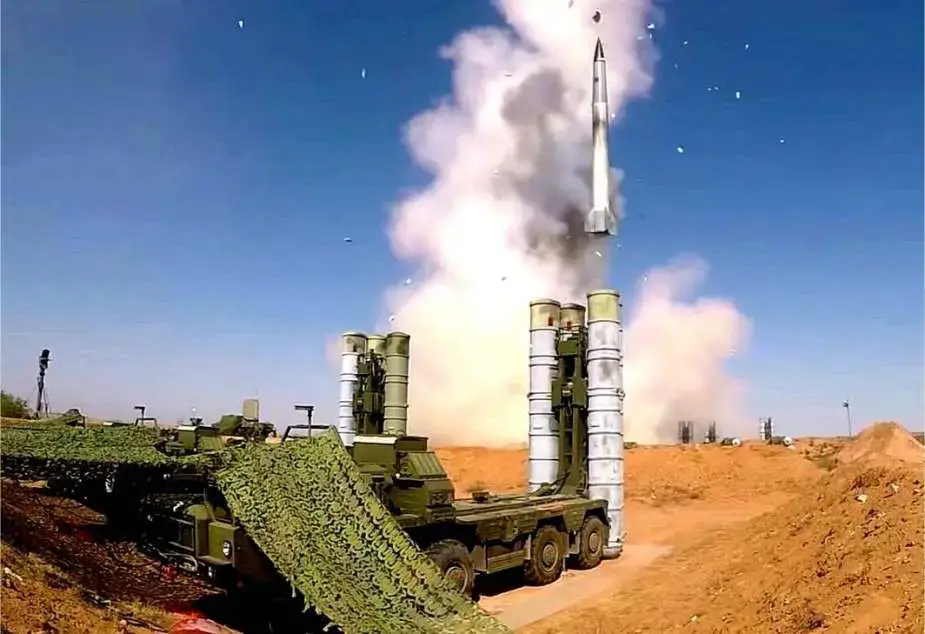
The 24/7 Design
The Russian S-400 Triumf is engineered for relentless, continuous combat duty. The USD 1.25 billion system can theoretically operate 24 hours a day, establishing an unblinking 600-kilometre surveillance bubble that never sleeps.
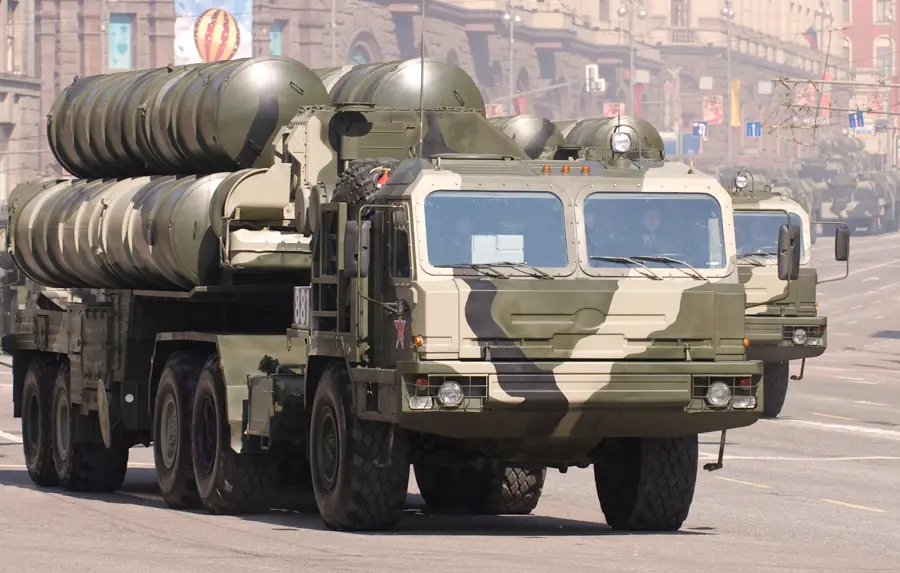
Generator Constraints
Because the battery operates far from civilian power grids, it relies on massive 5I57A mobile diesel generators. Consequently, its absolute maximum continuous operating time is strictly dictated by its fuel supply and the logistical convoys required to refill it.
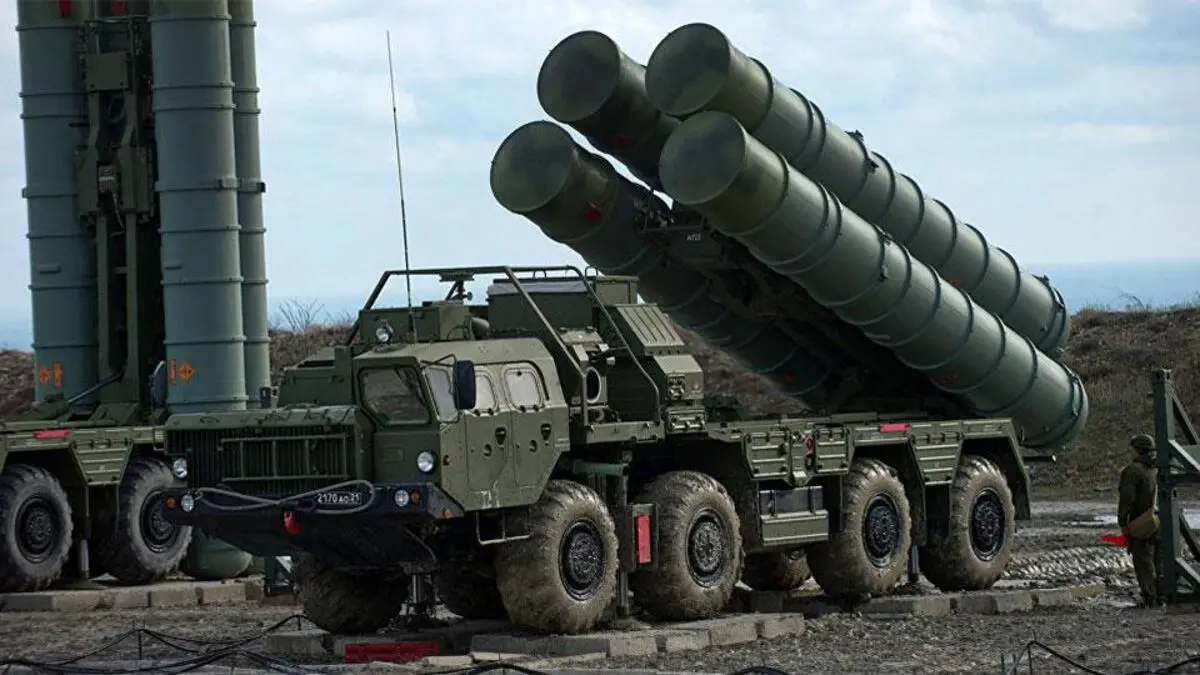
The 10,000-Hour Limit
Once powered on, the hardware endures immense thermal and electrical stress. Official specifications mandate that the S-400 must undergo a massive factory-level major overhaul after reaching exactly 10,000 hours of active combat operation.
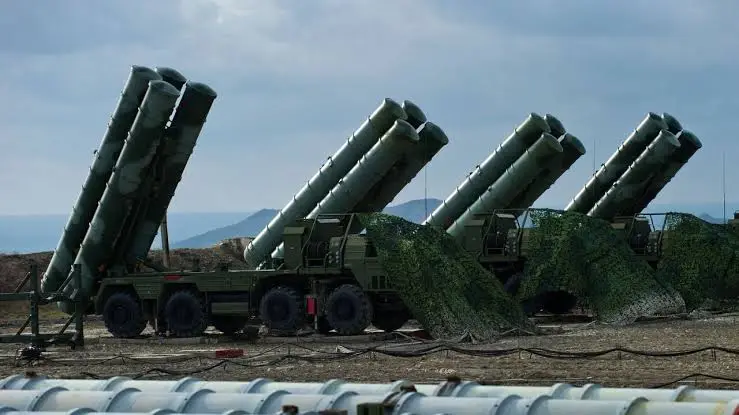
A Two-Decade Lifespan
If the 10,000-hour maintenance schedules are strictly followed, the massive ground facilities boast immense longevity. The heavy 8x8 transport vehicles, liquid cooling systems, and massive radar arrays are engineered to last at least 20 years.
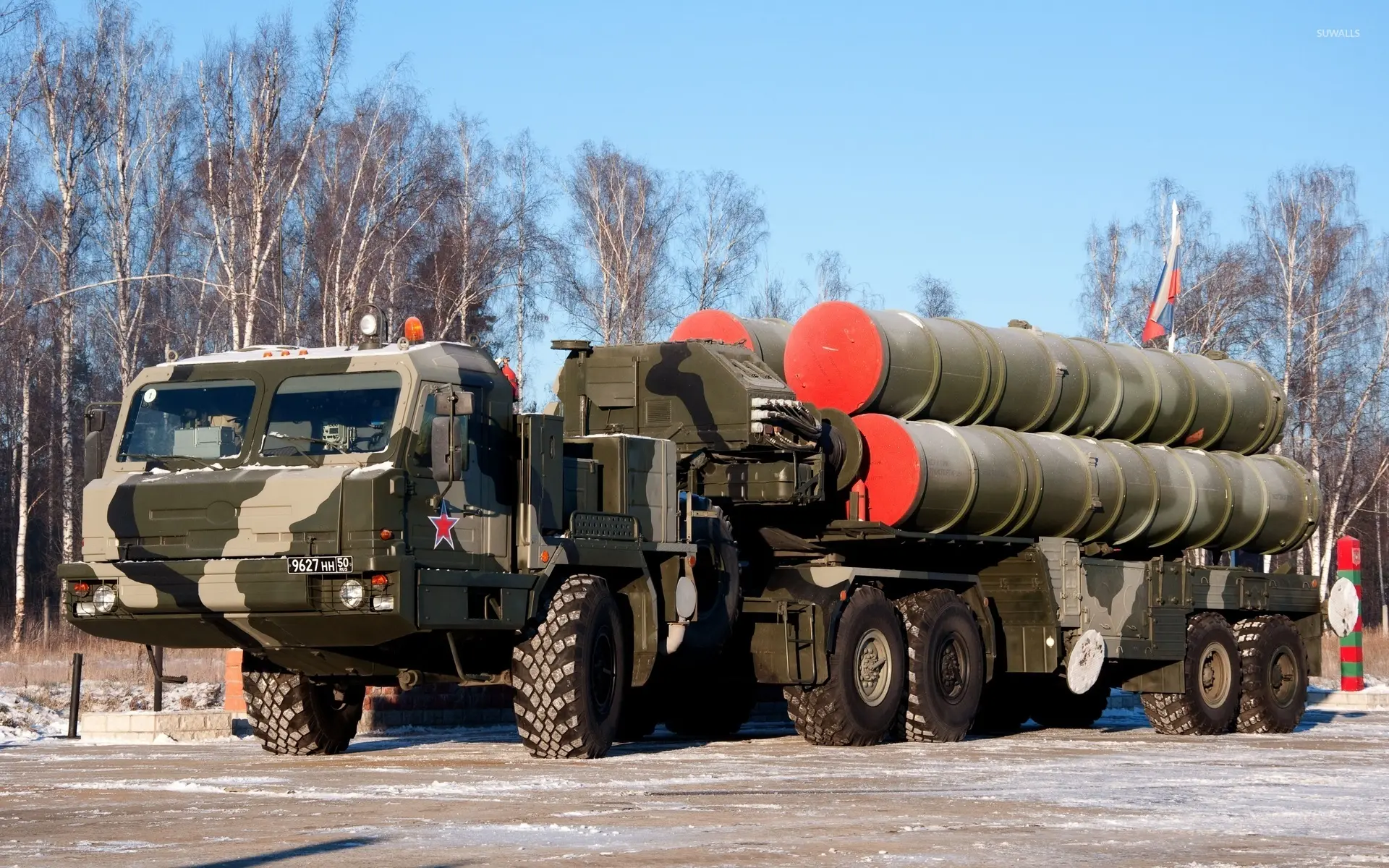
The 10-Year Missile Clock
While the launch vehicles last for two decades, the interceptor missiles do not. The solid-rocket propellant and delicate internal seekers inside the sealed canisters possess a strict maximum service life of just 10 years before requiring total replacement.
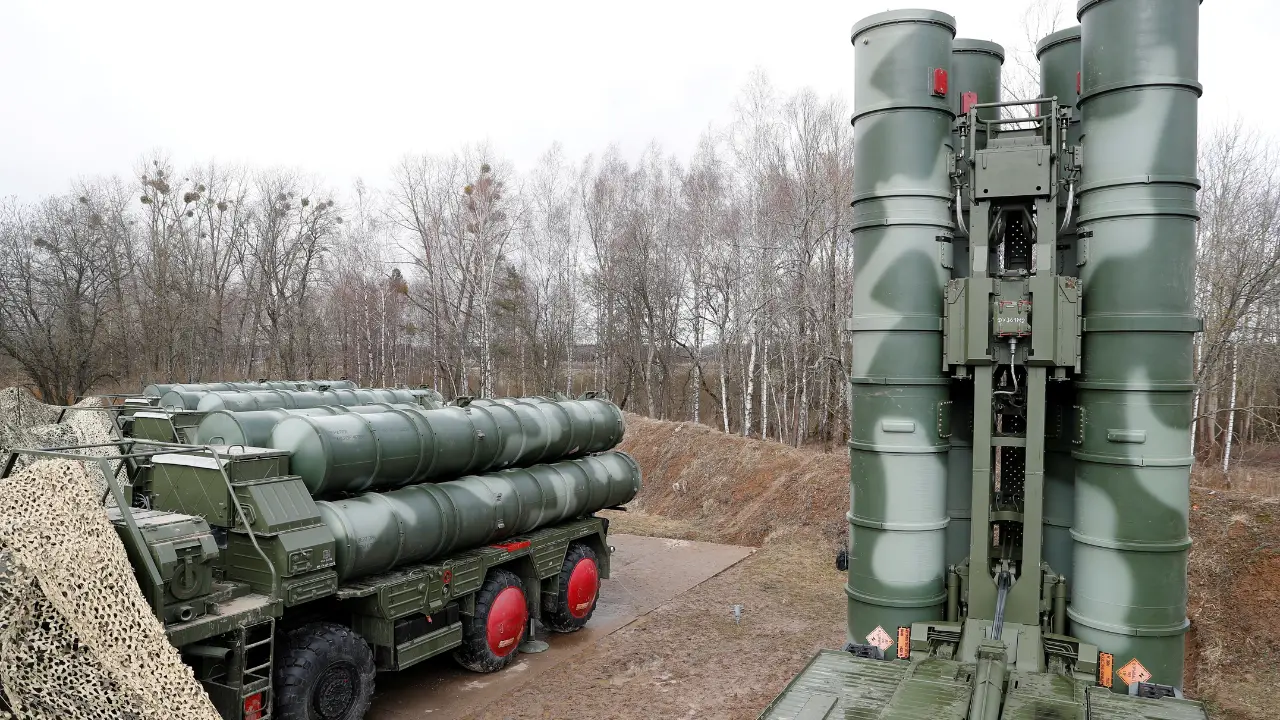
The Human Bottleneck
The true limitation on continuous operation is not the machinery, but the operators. The five officers inside the 55K6E command post must rotate in strict shifts to maintain the split-second reflexes needed to execute a 10-second kill chain.
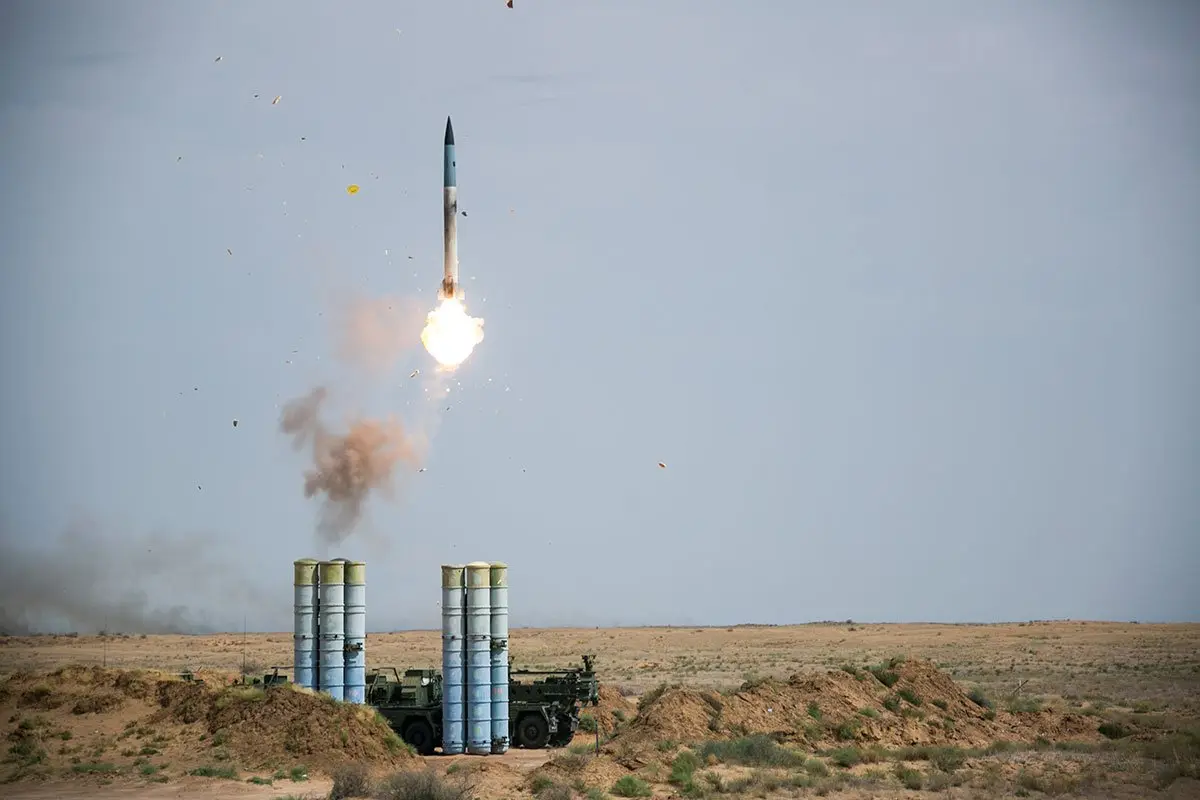
Overlapping Maintenance
No machine can run at maximum power indefinitely without catastrophic failure. To ensure continuous airspace protection, military doctrine networks multiple S-400 batteries together, allowing one to shut down its massive 91N6E radar for field maintenance while another watches the sky.
)
)
)
)
)