Why the Su-30MKI requires two pilots inside the cockpit instead of one

The Su-30MKI divides heavy combat workloads between a front pilot and a rear Weapon Systems Officer. This dual layout enables 10-hour flights, radar operation, and 2.5-tonne BrahMos strikes.
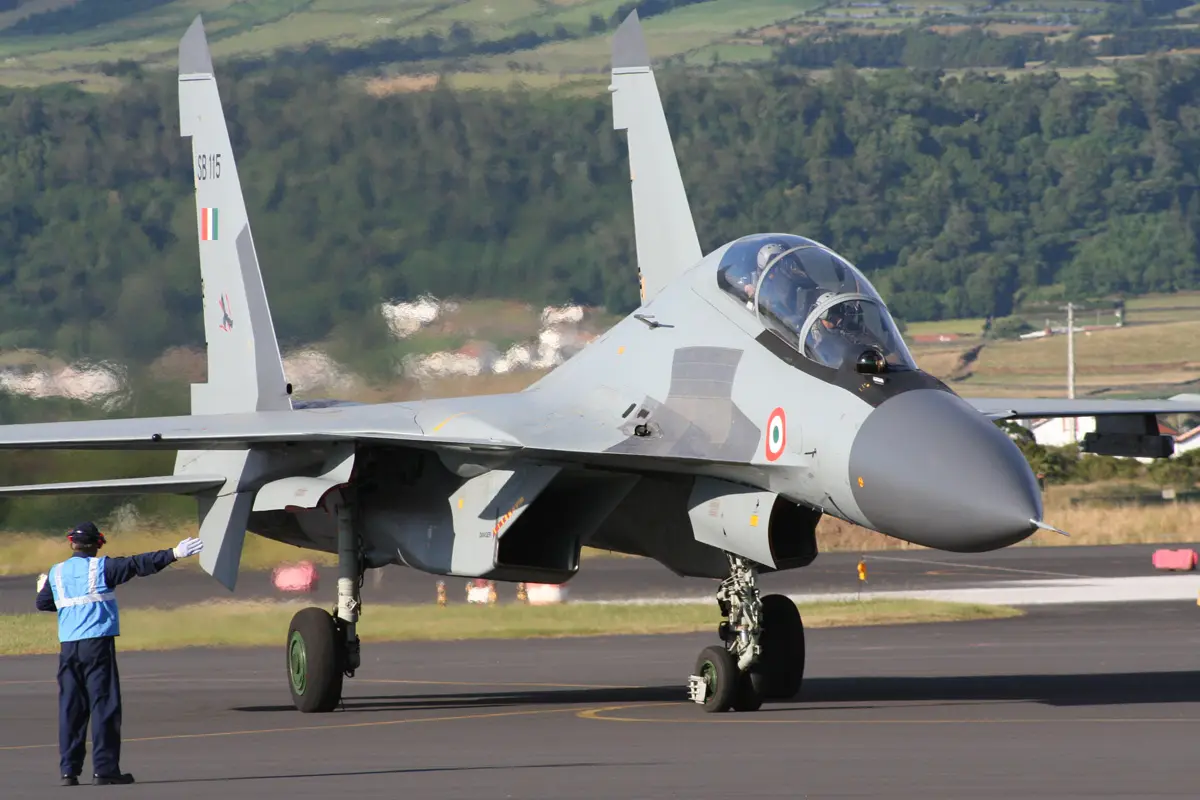
Handling 100 Per Cent Load
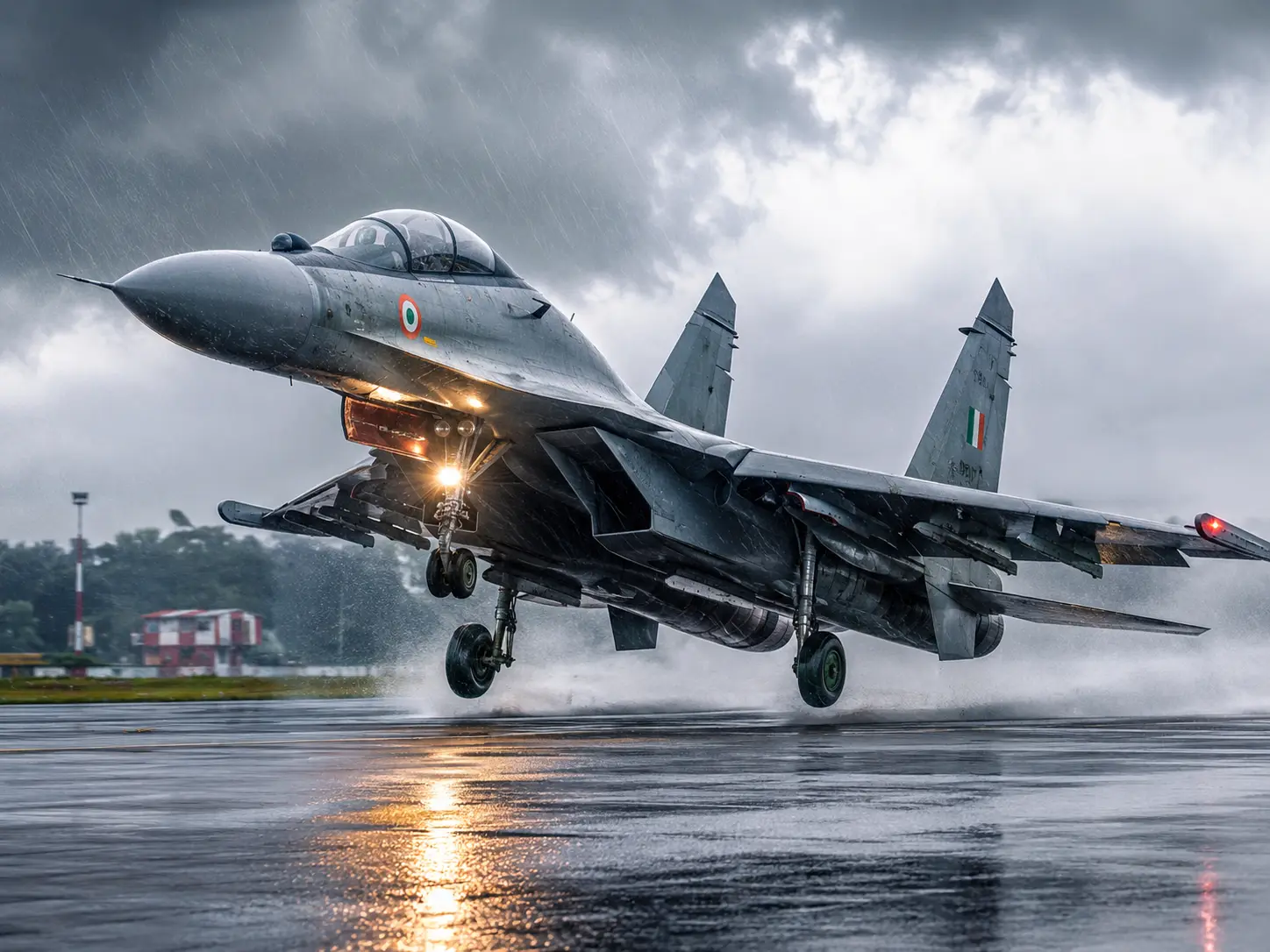
The Su-30MKI is a complex multirole aircraft that routinely handles heavy tactical workloads. To efficiently manage this, the twin-seat cockpit divides duties between a pilot and a Weapon Systems Officer. This setup effectively prevents a single individual from being overwhelmed during combat.
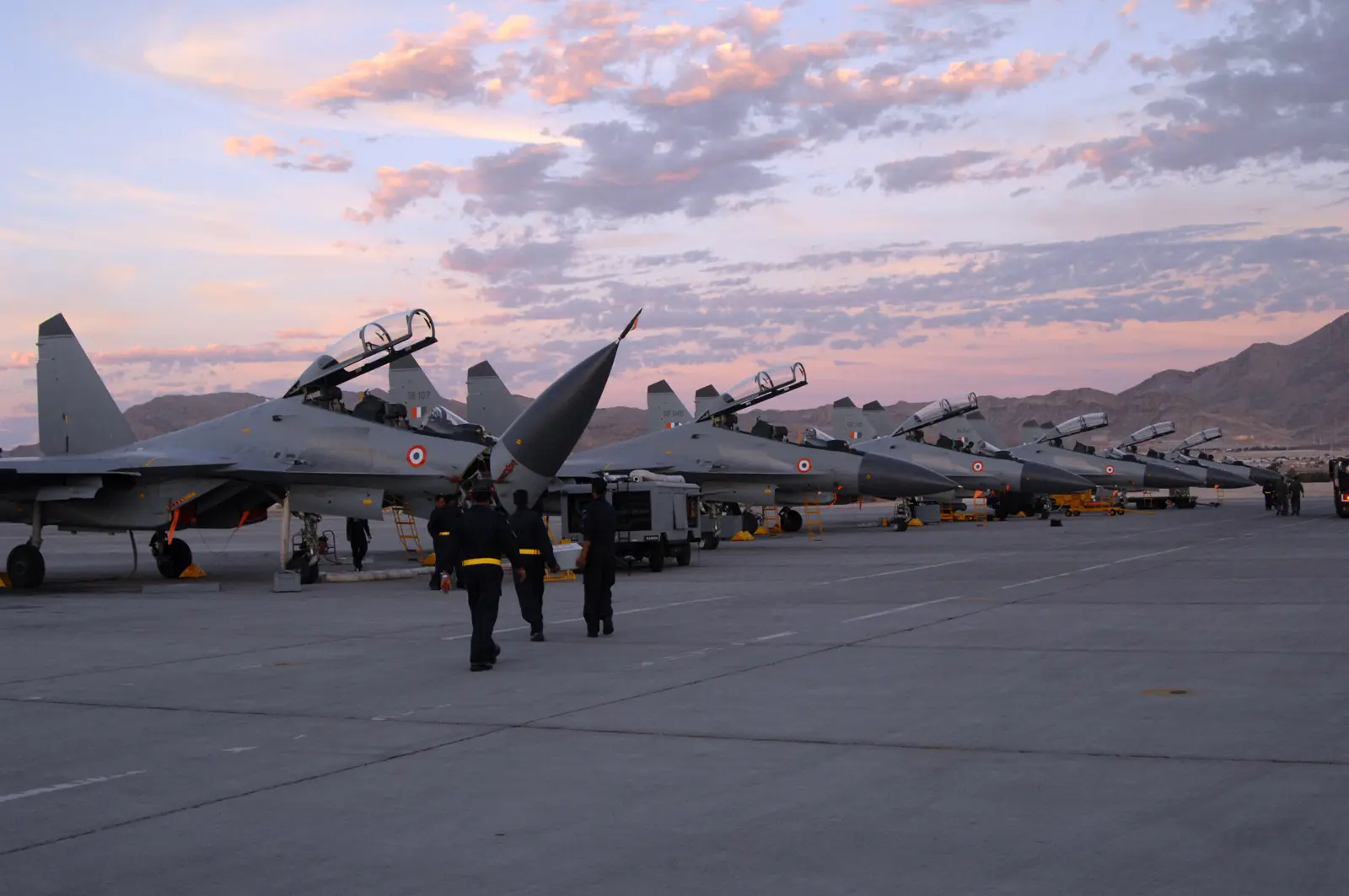
2.5-Tonne BrahMos
While the front pilot strictly focuses on flying and close-quarter dogfights, the rear officer handles long-range strike missions. The Weapon Systems Officer actively controls and fires heavy munitions, including the 2.5-tonne BrahMos supersonic cruise missile, with maximum precision.
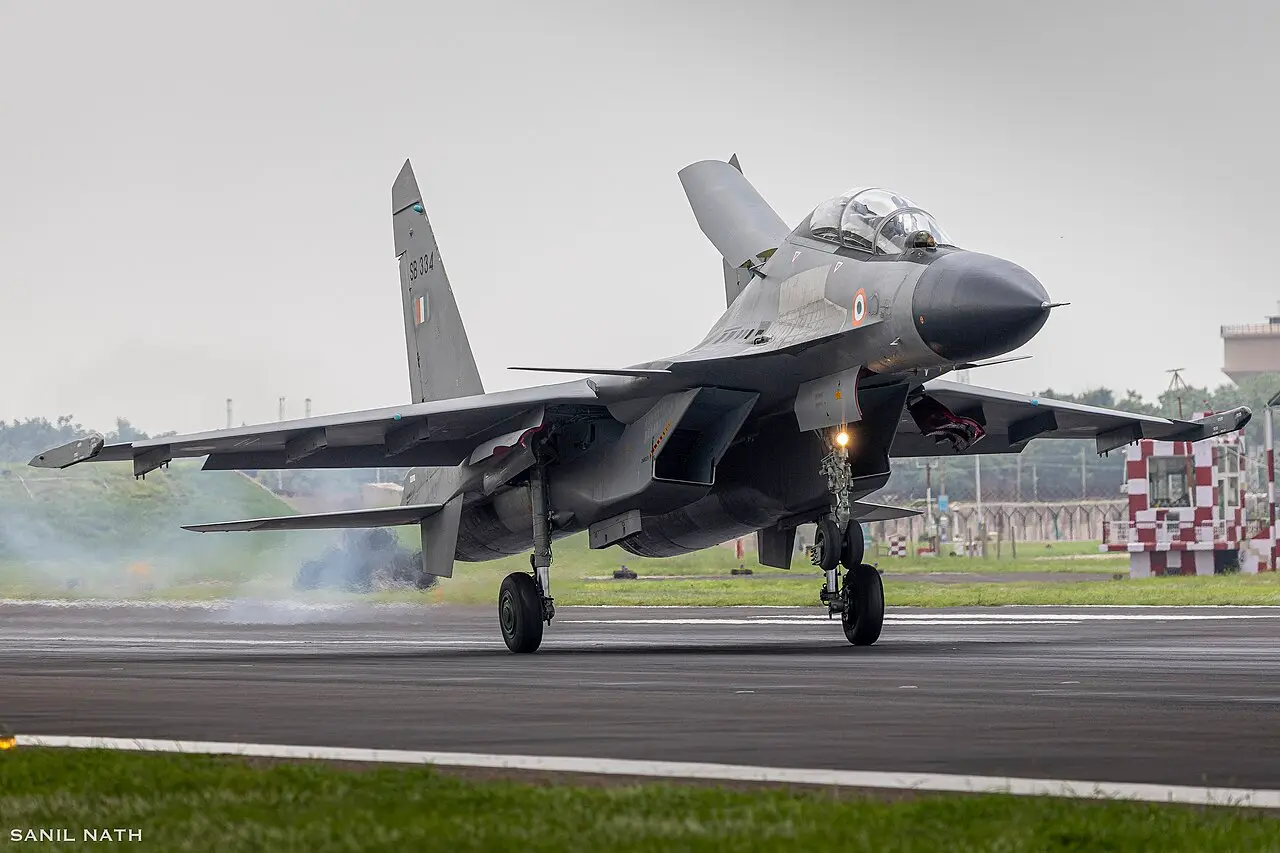
Tracking 400 Kilometres Away
The rear cockpit serves as a vital command node during intense aerial warfare. The Weapon Systems Officer actively monitors electronic warfare suites and operates the N011M Bars radar. This powerful system searches for enemy targets up to 400 kilometres away.
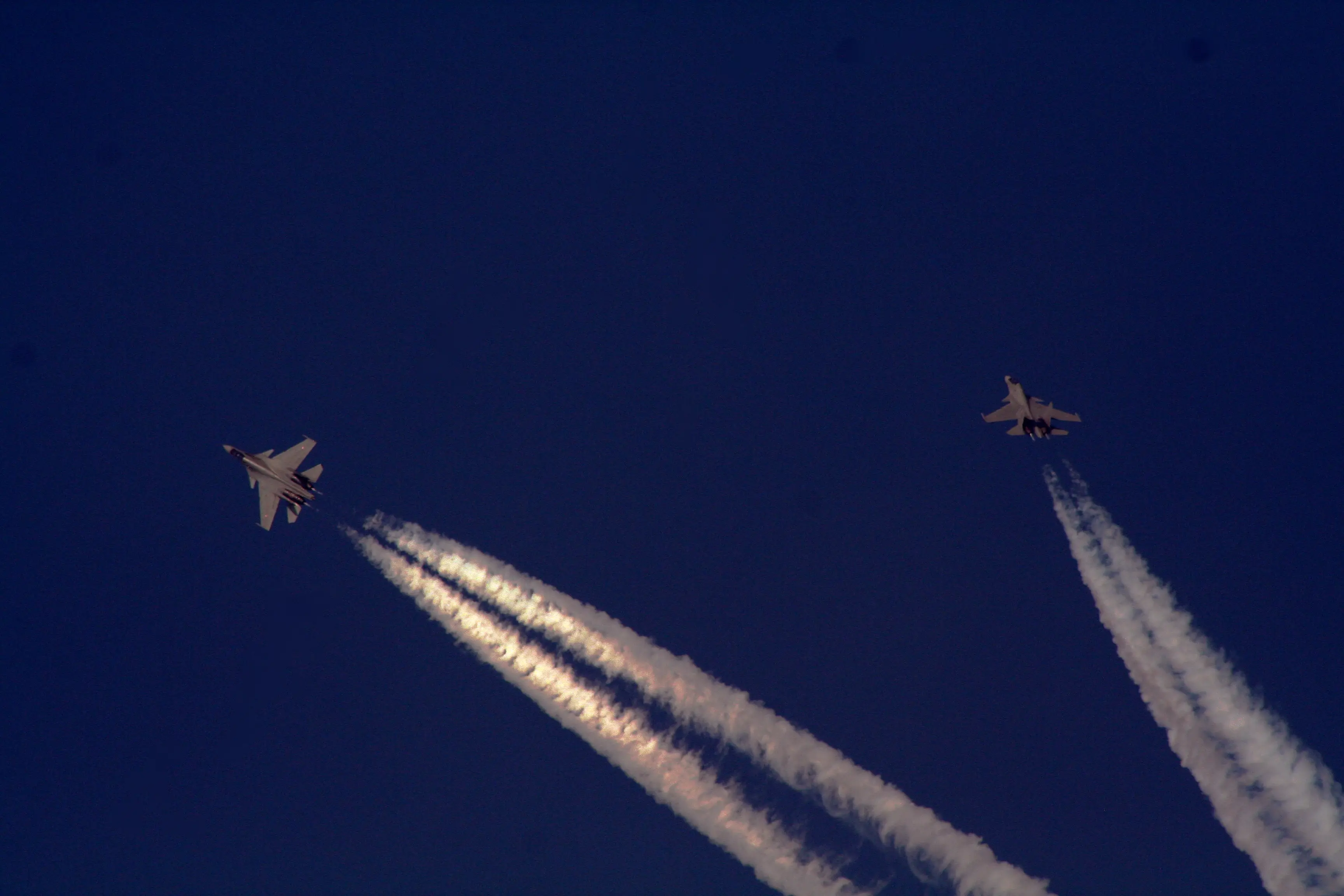
Sustaining 10-Hour Endurance
Equipped with mid-air refuelling capabilities, this heavy fighter can comfortably remain airborne for up to 10 hours. During these long-distance patrol missions, having a second officer significantly reduces pilot fatigue. This ensures that the aircraft maintains high operational efficiency throughout its journey.
Using 2 Flight Controls
The advanced aircraft features a highly practical dual flight control system for both crew members. If the primary pilot becomes exhausted or injured during an extended combat mission, the rear Weapon Systems Officer can seamlessly take over and fly the jet safely.
)
)
)
)
)