&imwidth=800&imheight=600&format=webp&quality=medium "World is not ready for its next big disaster, scientist warns - 'Nobody’s watching...'")
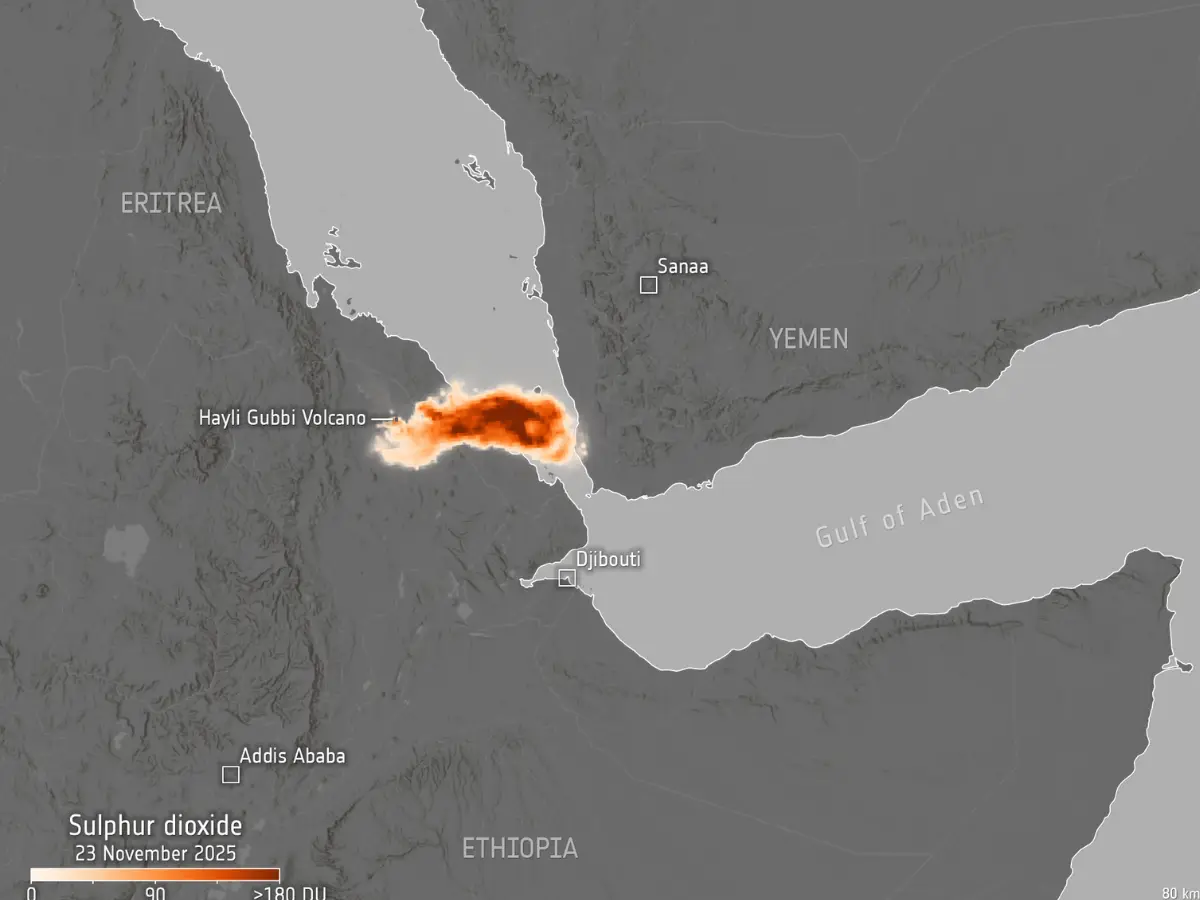
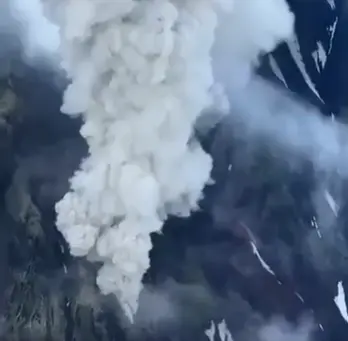
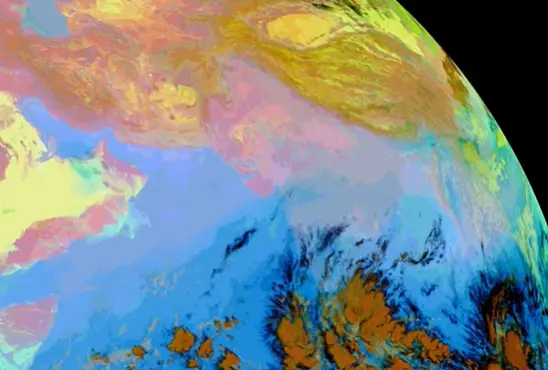
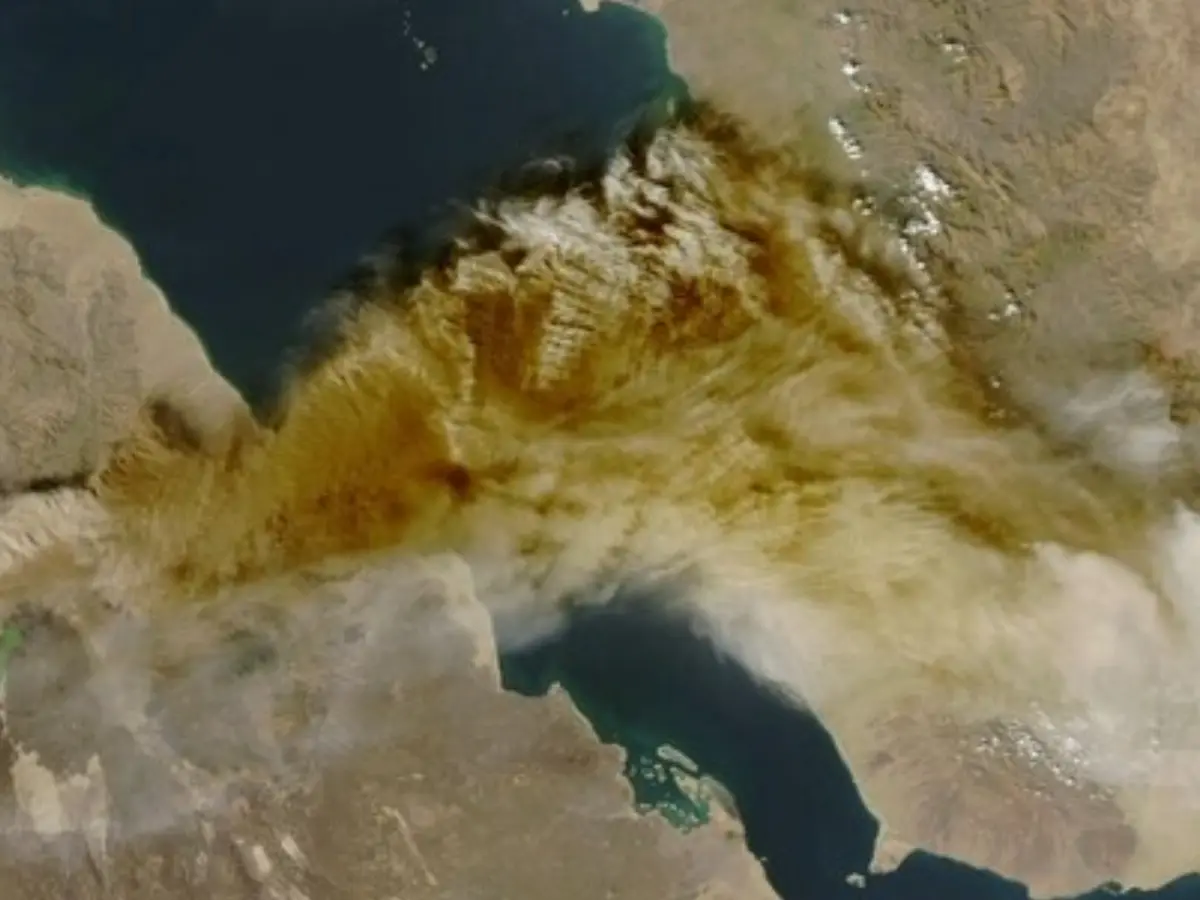
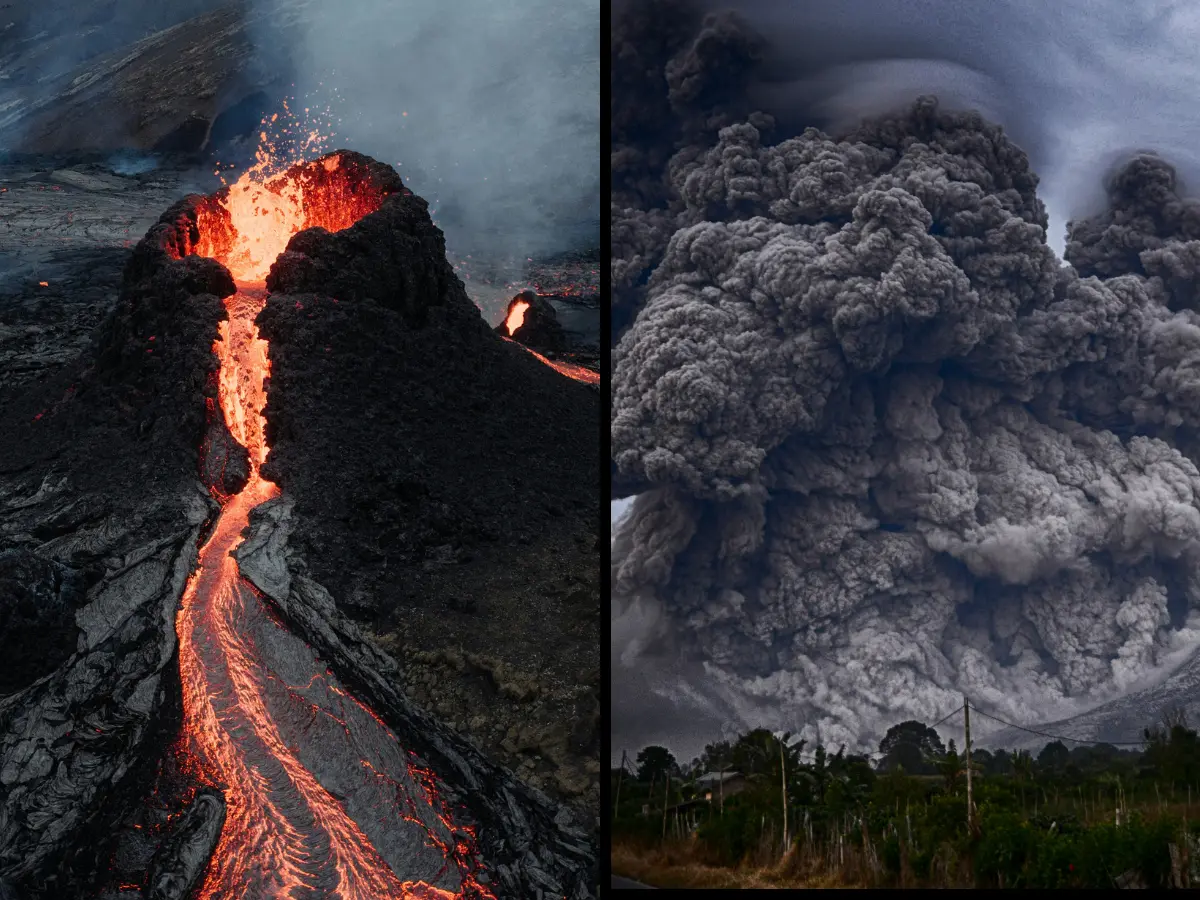
The Ethiopian volcano that erupted after nearly 12,000 years is a warning sign that the world is not ready to handle such a sudden natural event. While authorities look at active volcanoes, such as Mount Etna in Sicily or Yellowstone in the US, one that has been silent for a long time will cause the next global volcanic disaster, Mike Cassidy wrote in a paper published by The Conversation. He wrote that these "hidden" volcanoes erupt more often than most people realise. The Hayli Gubbi volcano in the Afar region of northern Ethiopia is an example of such an event. It erupted on November 23 after 11,700 years, and for the first time in the Holocene epoch, that is, since the end of the last ice age. It sent an ash cloud measuring 45,000 feet high, which drifted northeastward into northern India.
Cassidy gives another example, that of the Mexican volcano El Chichón, which erupted in 1982 after being dormant for centuries. It wasn't a famous volcano, and so wasn't being monitored. Hot rock, gas and ash filled rivers and destroyed buildings, killing over 2,000 people and displacing 20,000. It also triggered a major change in climate as the sulphur formed reflective particles in the upper atmosphere. The northern hemisphere cooled, and the African monsoon shifted southwards, causing extreme drought, Cassidy wrote.

Only a few popular volcanoes are monitored, leaving a major gap
He claims that "fewer than half of active volcanoes are monitored, and scientific research still disproportionately focuses on the well-known few." He added, "There are more published studies on one volcano (Mount Etna) than on all the 160 volcanoes of Indonesia, Philippines and Vanuatu combined." Focusing attention on only a few known volcanic eruptions, such as the recent Iceland events, forms a "dangerous pattern," Cassidy warns. Sudden large volcanic eruptions can trigger famines, disease outbreaks and major social upheaval, but "scientists still lack a global system to anticipate or manage these future risks." He further warns that three-quarters of large eruptions come from volcanoes that have been quiet for at least 100 years. Cassidy pushed for proactive action and preparedness instead of reacting after an eruption.
Trending Stories
)
Dharmendra Pradhan's 1997 paper leak protest surfaces amid calls for resignation
)
Trump announces 200% tariff on generic drugs: Here's what it means for 'Pharmacy of the World' India
)
He predicted COVID-19 and 2008 economic crisis, was labeled fearmonger. Now he has another dire warning
&im=FitAndFill=(700,400))
Meet top 5 batters with most runs in India vs Zimbabwe T20Is
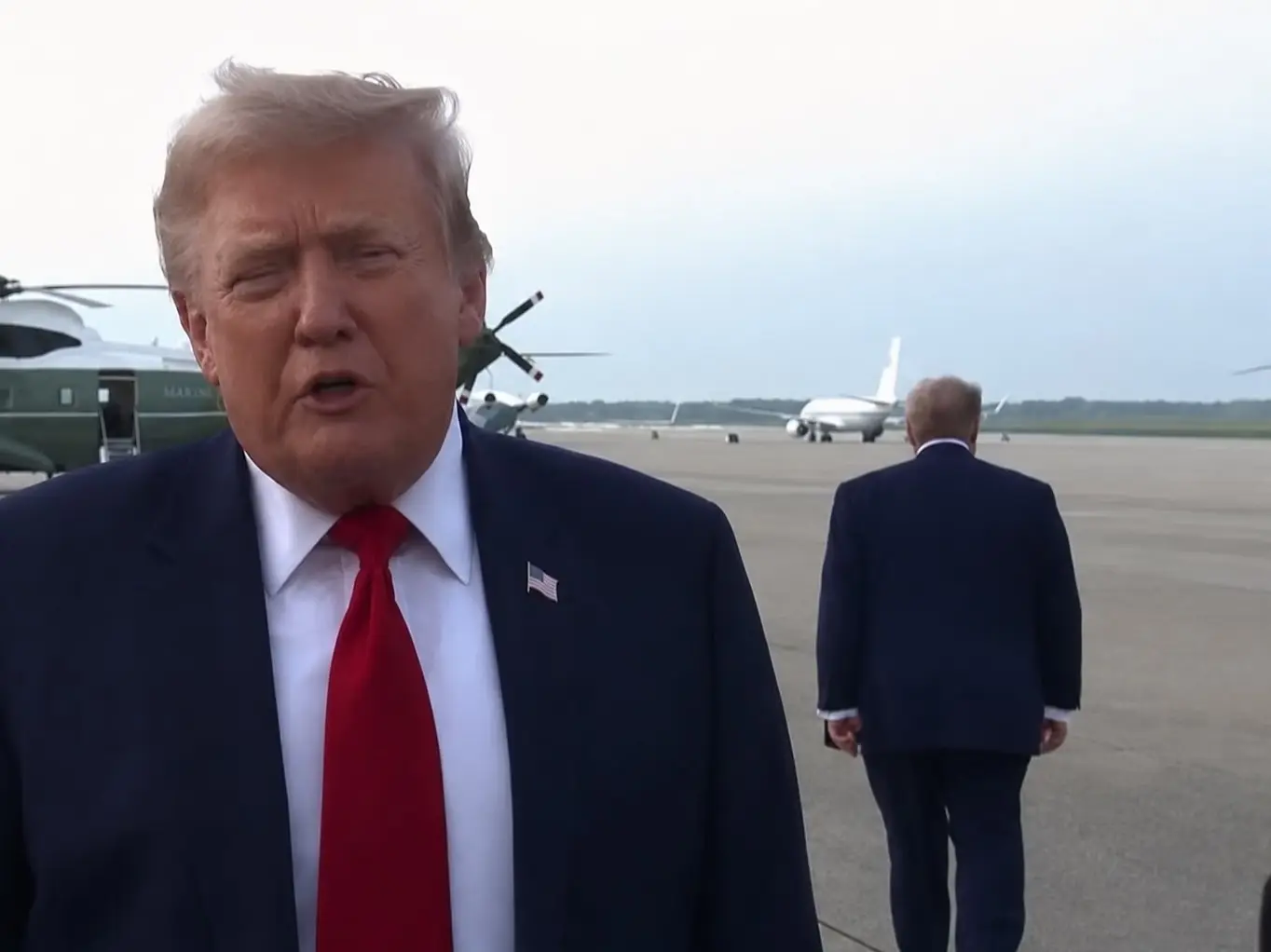)
'Is that a back-up Trump?' Mysterious look-alike standing behind Donald Trump baffles netizens
)
US-Iran war cost hits $37.5 billion as Hegseth seeks $67 billion more for Pentagon
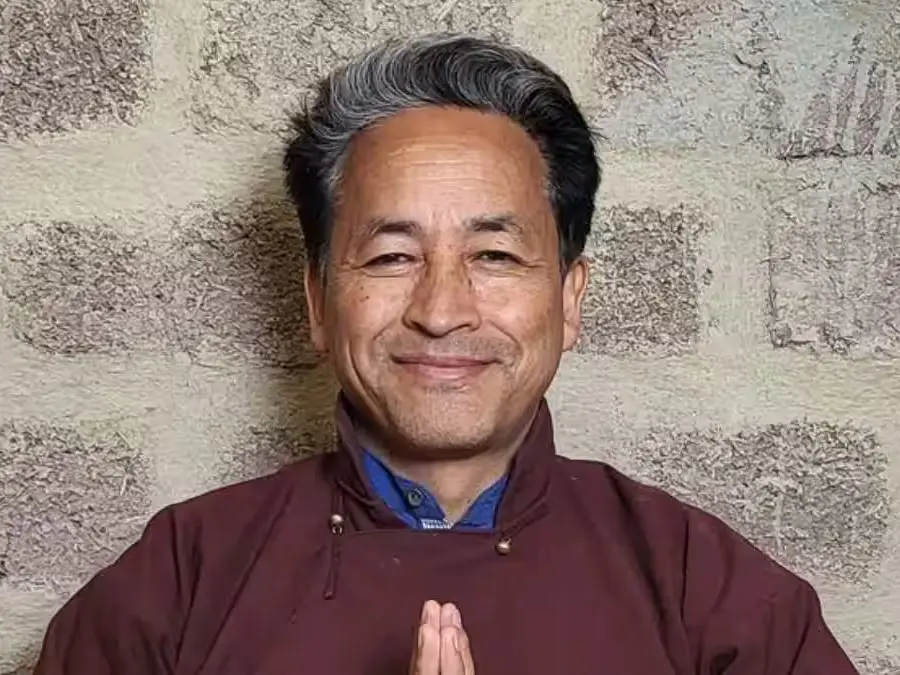)
Sonam Wangchuk's connection with George Soros and Ford Foundation explained!
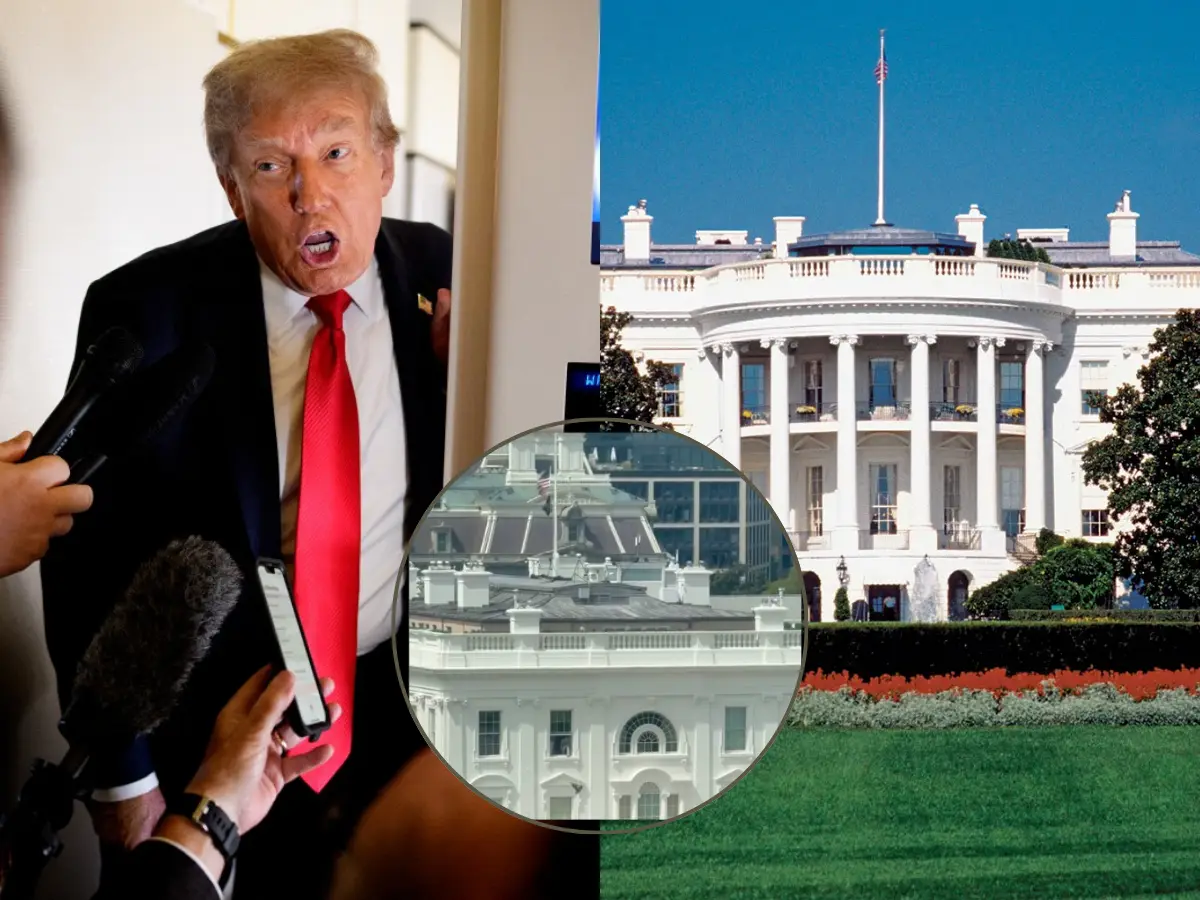)
Trump blames AI for viral video of mystery objects thrown from White House window, WH says ‘maintenance’. Who's lying?
)
UP BTech gold medalist dies by suicide after failing in nearly 50 govt job attempts, leaves note for father
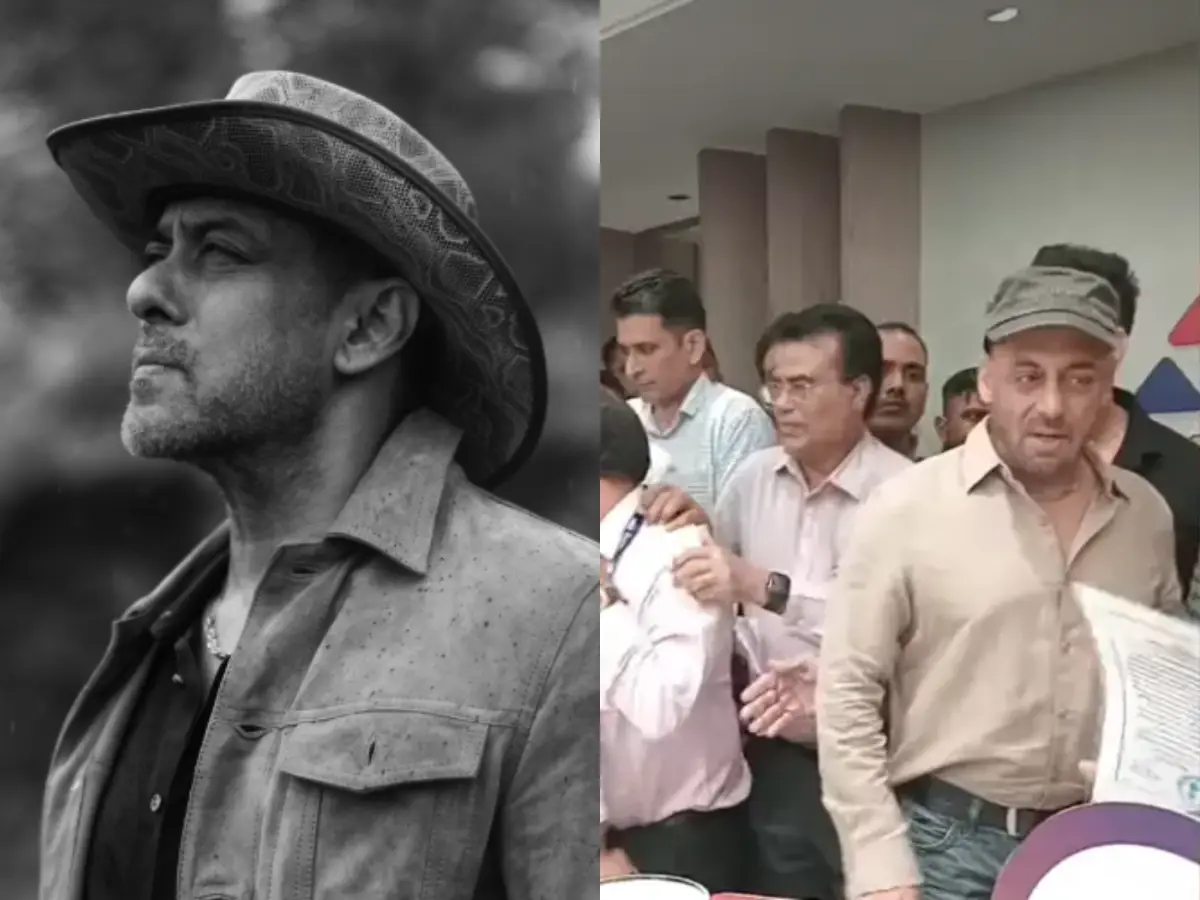)
Salman Khan breaks silence on health concerns after viral Mumbai appearance
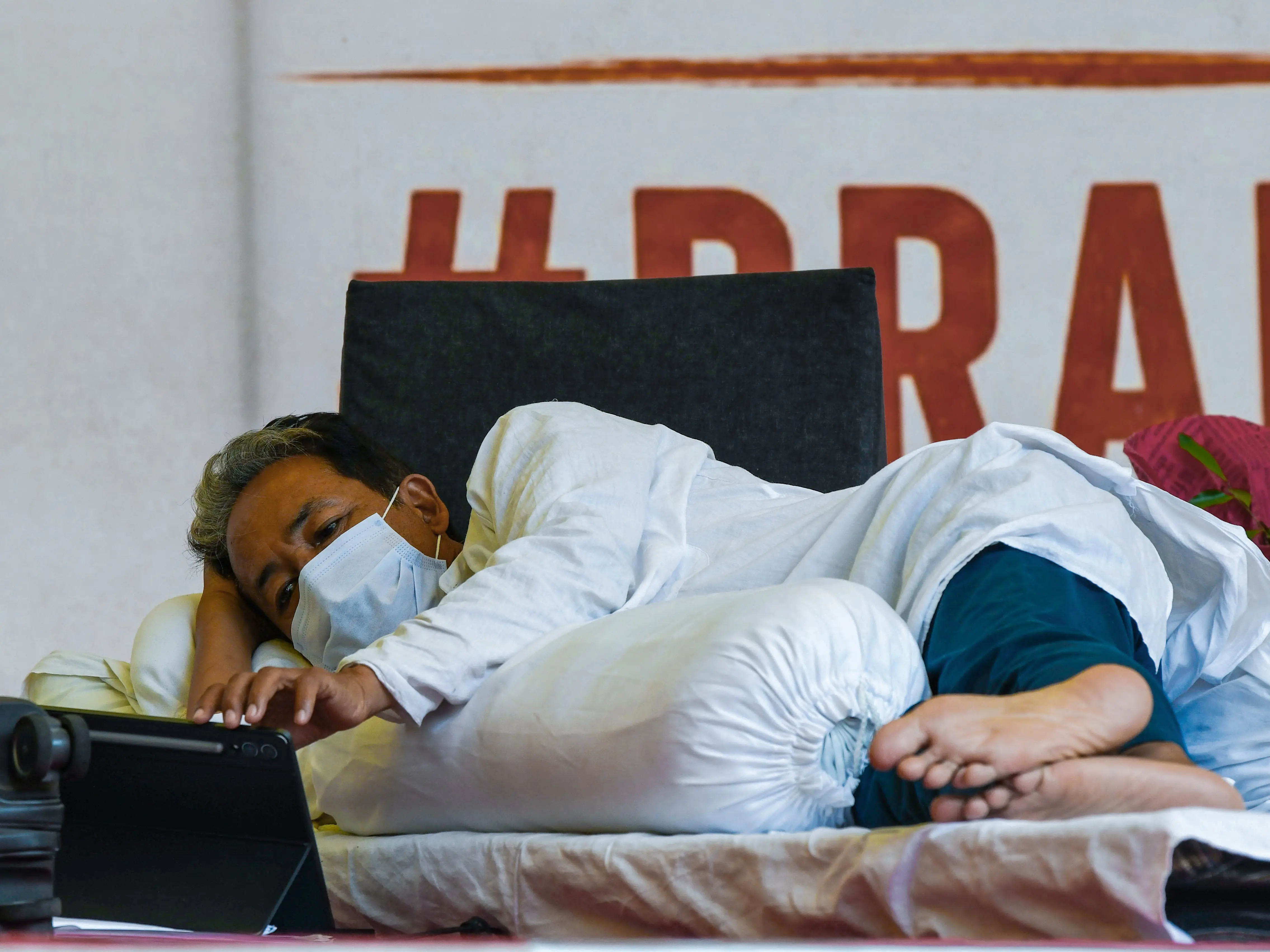)
'George Soros playbook': Understanding the foreign funding network around Sonam Wangchuk
)
FBI arrests alleged $547mn medicare fraud fugitive after 3-year global manhunt
&im=FitAndFill=(700,400))
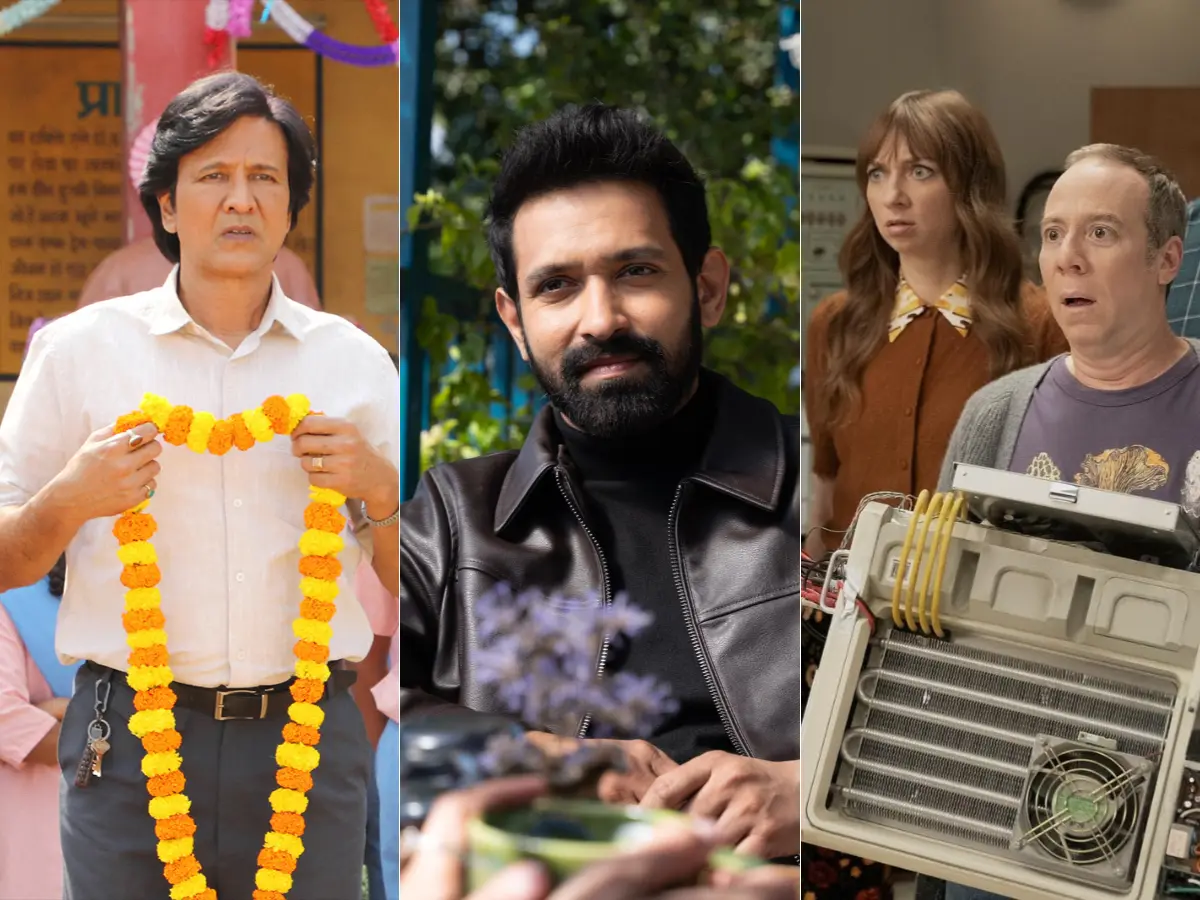
New OTT releases this week (July 20-26, 2026): Musafir Cafe, Adarsh Baal Vidyalaya, 72 Hours- 5 new titles coming on Netflix, Prime Video and more
)
IND vs ZIM, 1st T20I: When and where to watch live streaming in India?
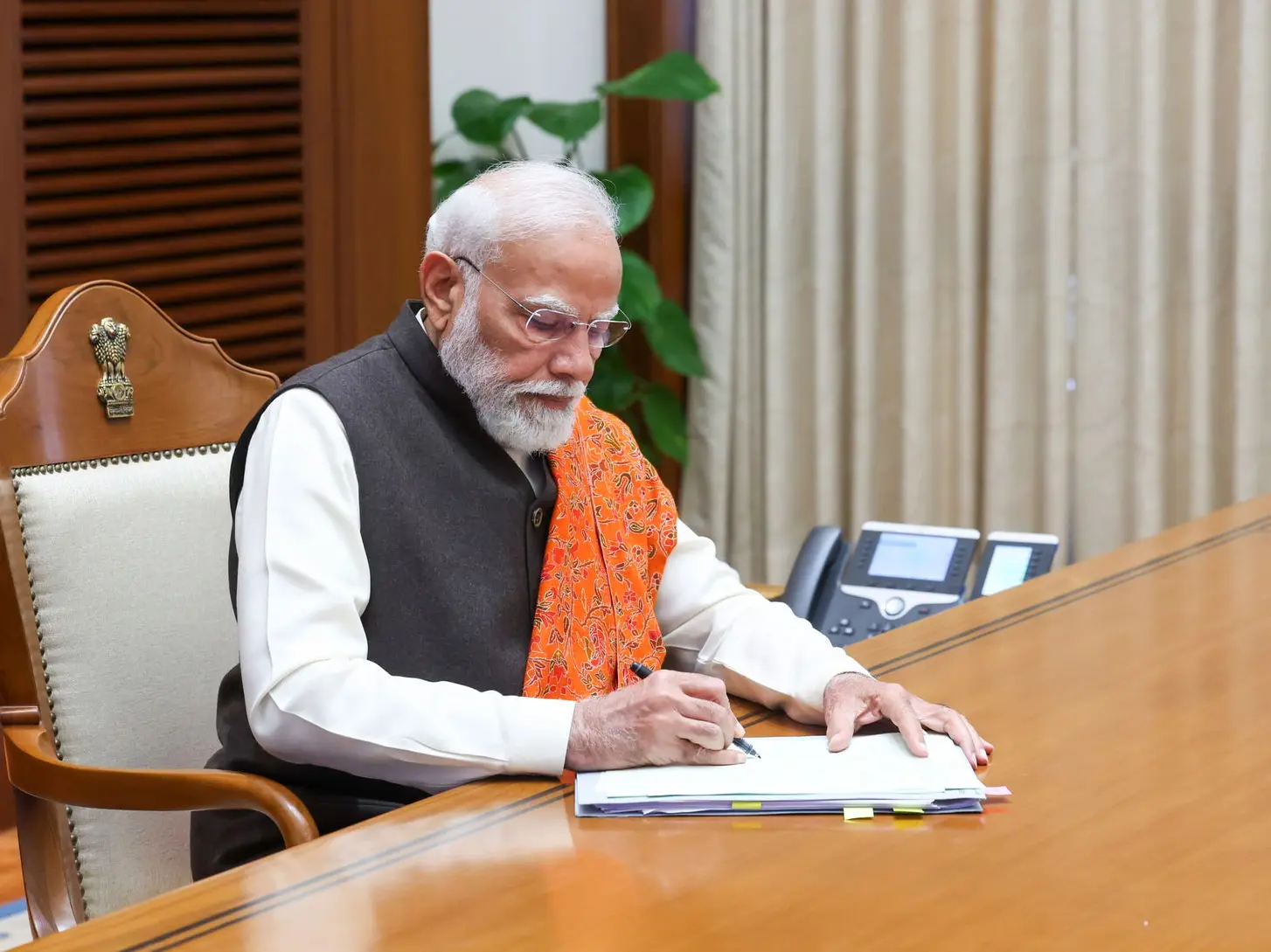)
'We acted immediately...': Indian PM Modi breaks silence on paper leaks as NEET protest, calls for Education Minister's resignation grows
)
Kaylee Hottle was unconscious: Shocking details from first responders revealed after teen star's death
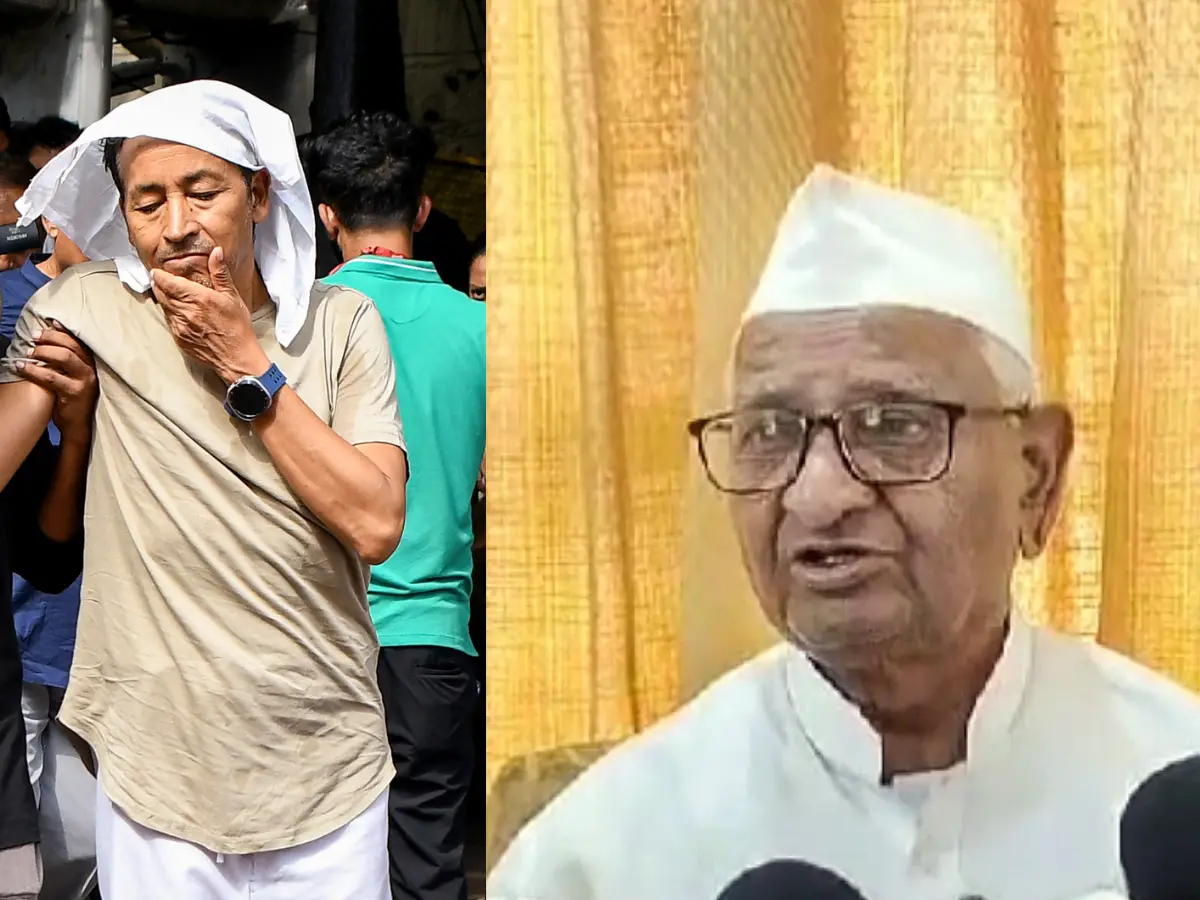)
'What is wrong...': Anna Hazare breaks silence on Sonam Wangchuk's protest, makes an appeal to Centre
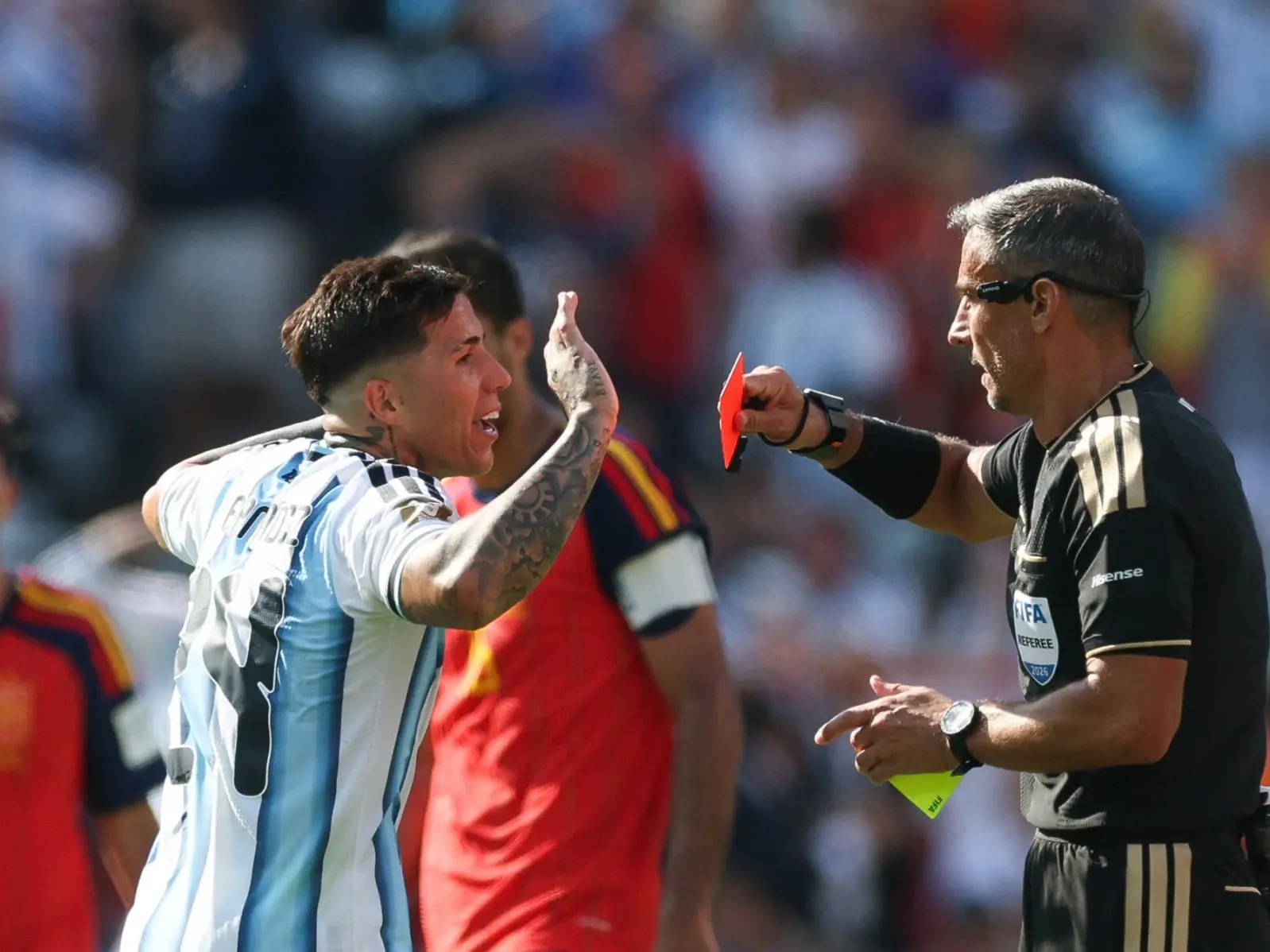)
FIFA 2026 | 'I am truly sorry': Argentina's Enzo Fernandez, who get red card in final, reacts to loss
&im=FitAndFill=(700,400))
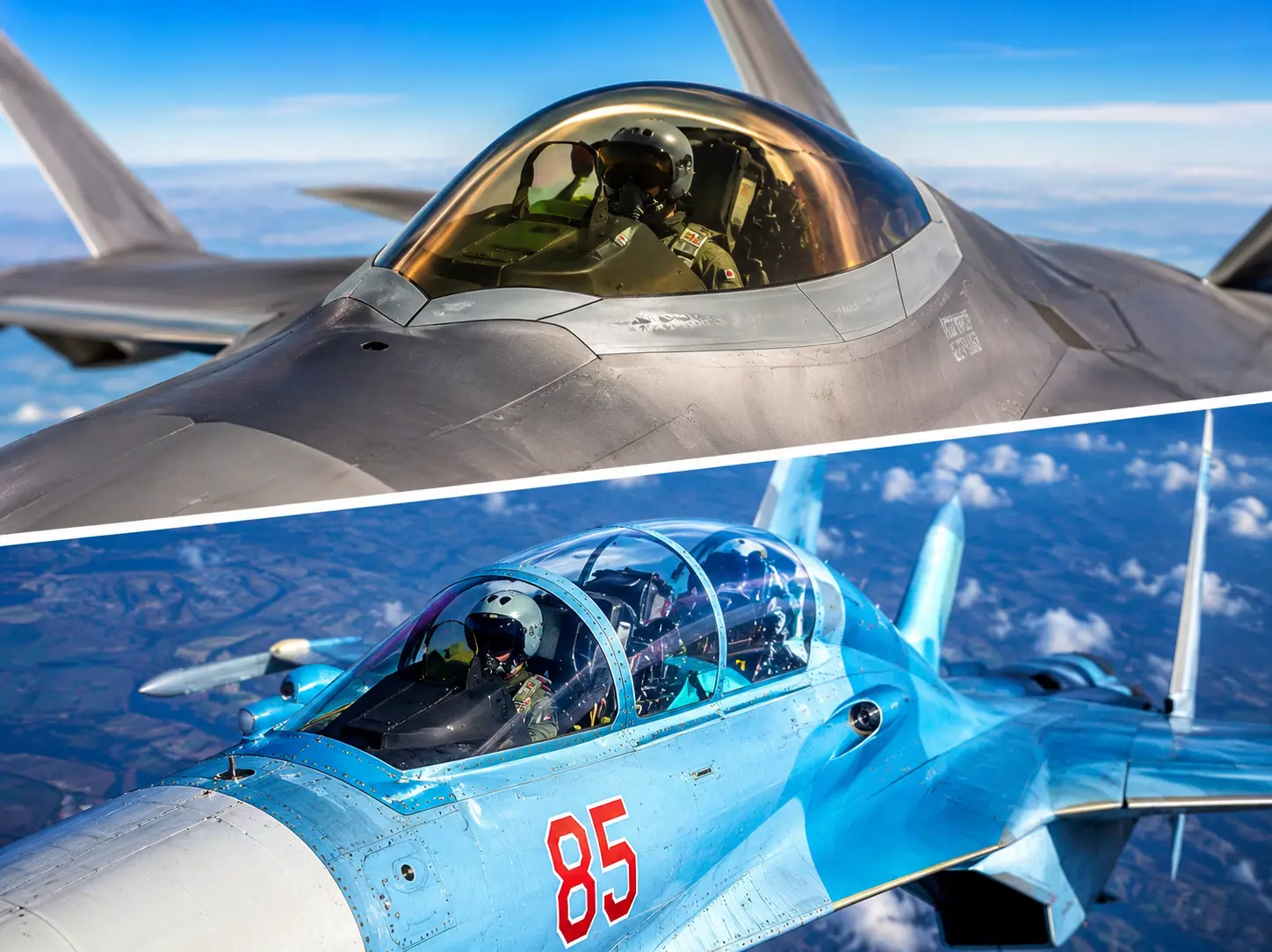
Why US fighter jets use seamless bubble canopies compared to Russian jets
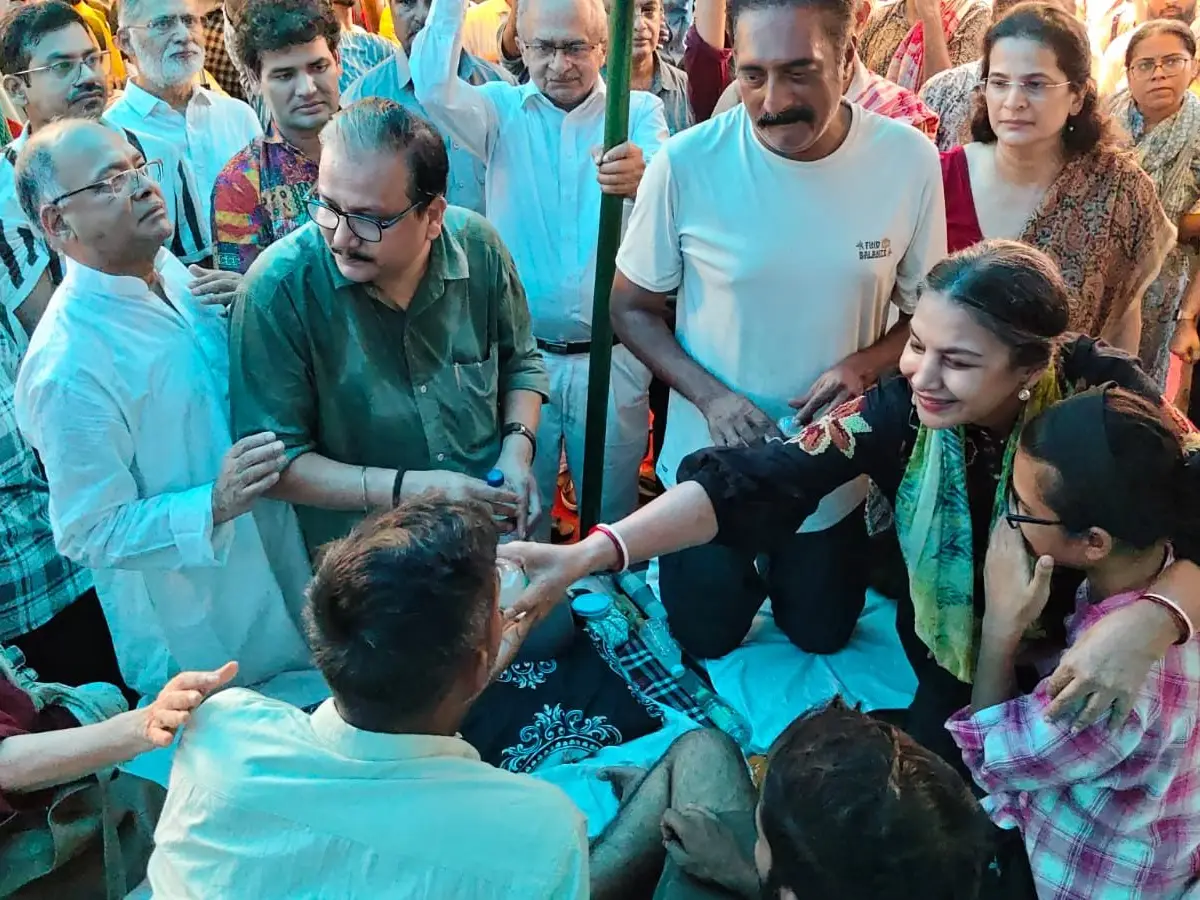)
Student union leaders call off hunger strike at Jantar Mantar after civil society appeal, but protest continues
&im=FitAndFill=(700,400))
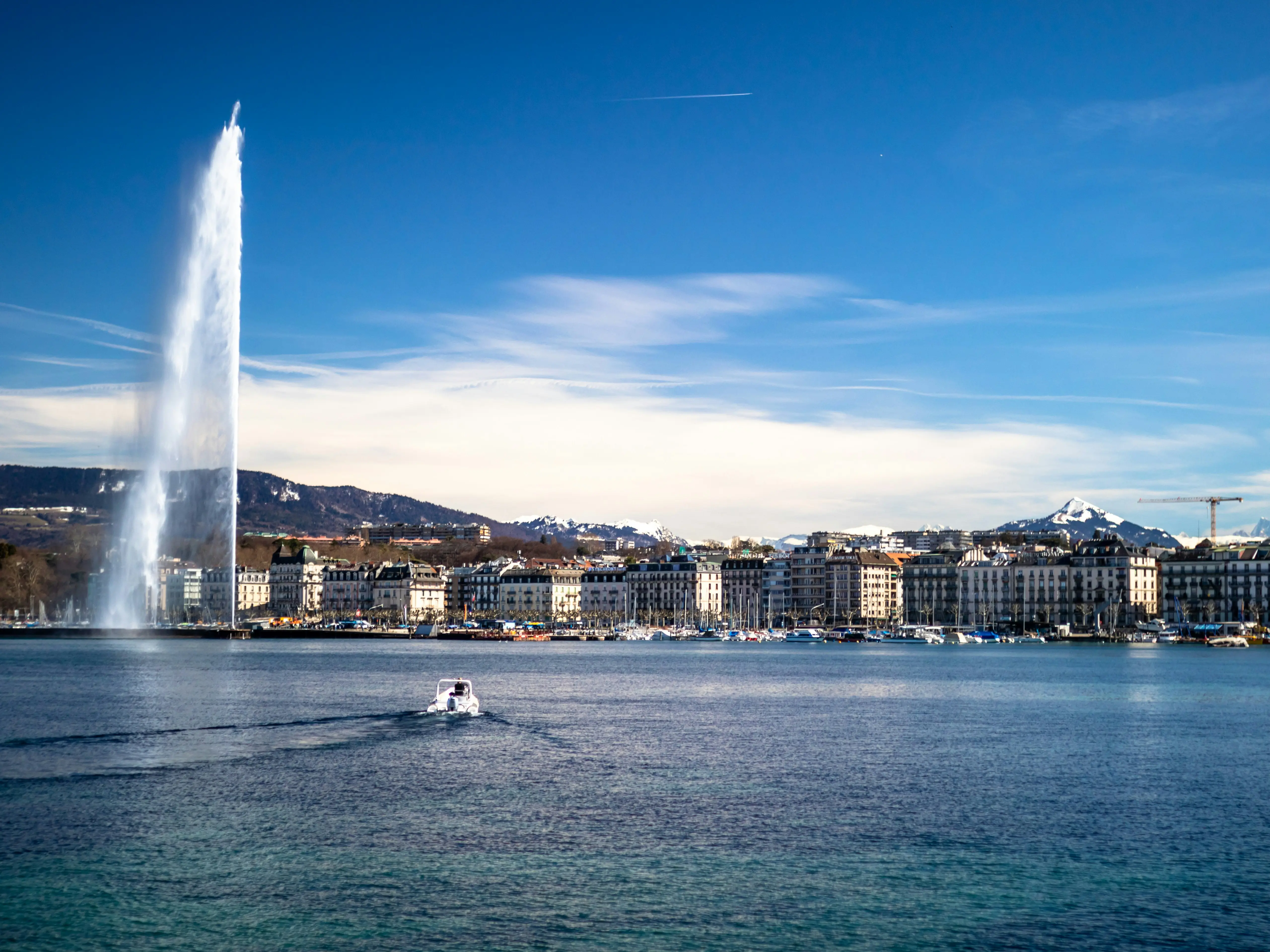
World's top 7 most liveable cities in 2026 — Check where India and Pakistan stand
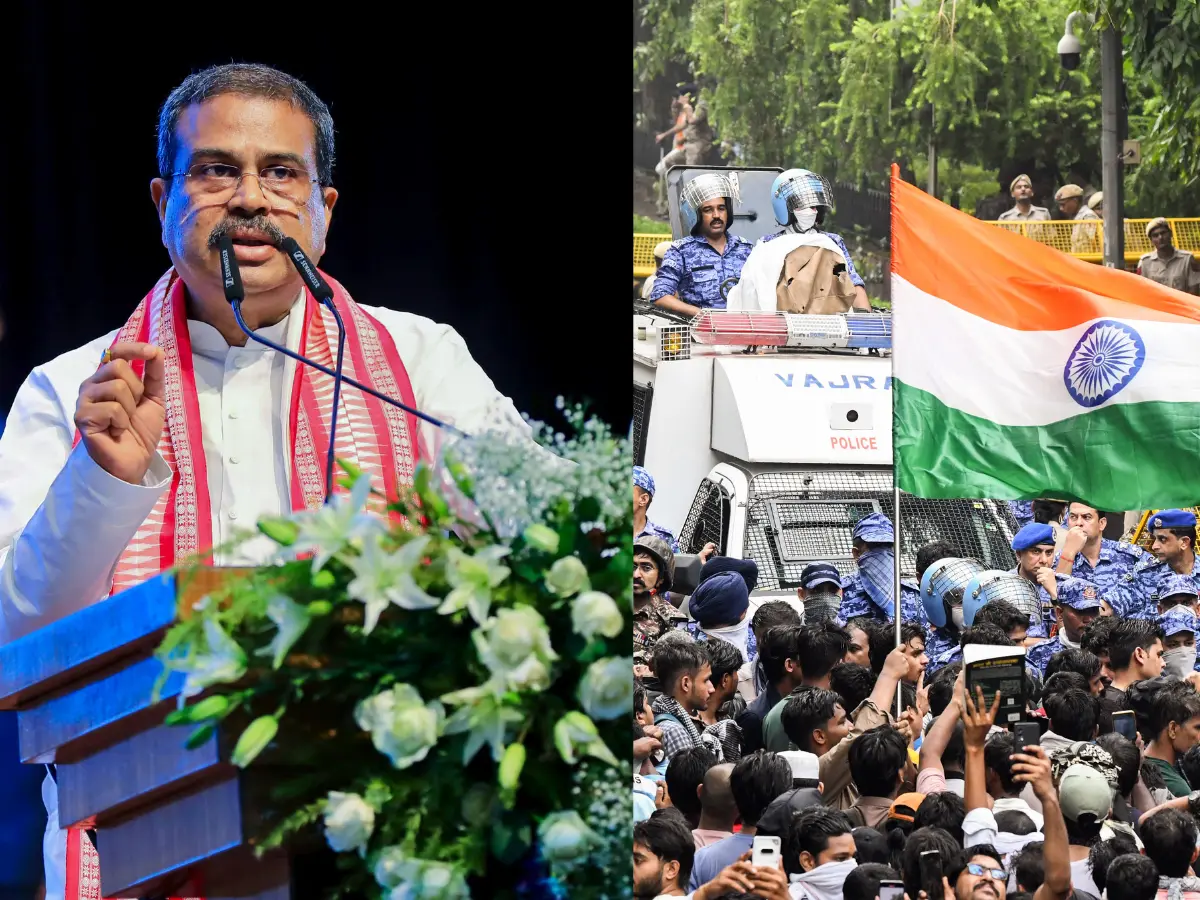)
'Guru is the...': Indian Education Minister Dharmendra Pradhan shares message on education amid calls for his resignation
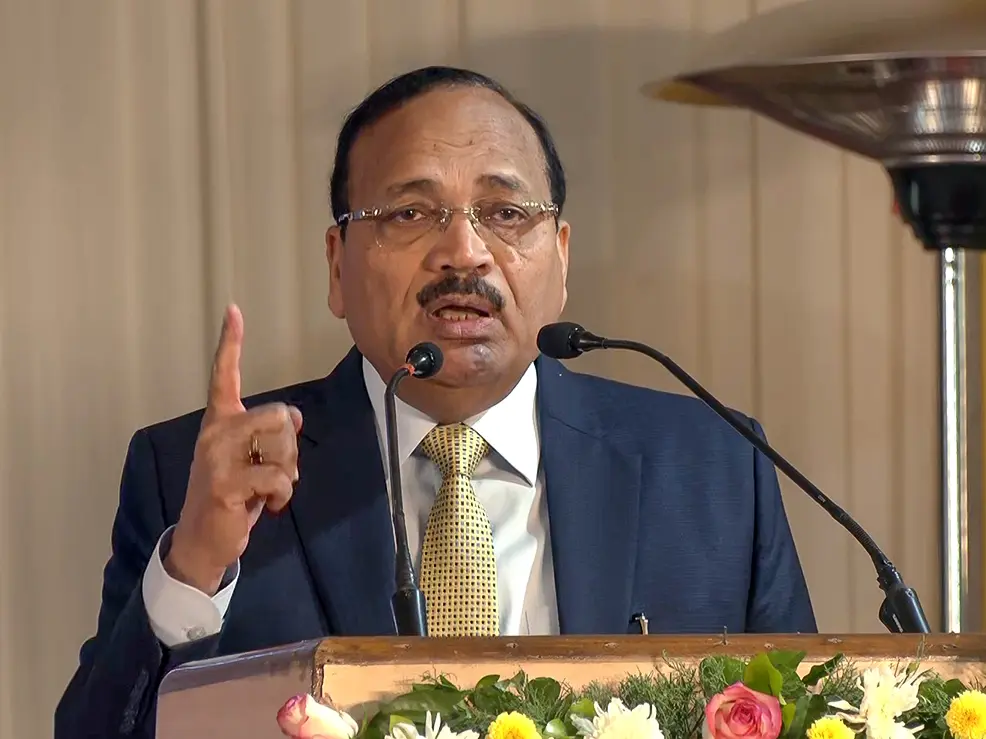)
'Don't waste...': CJI Surya Kant breaks silence on Delhi police brutality against protesting students
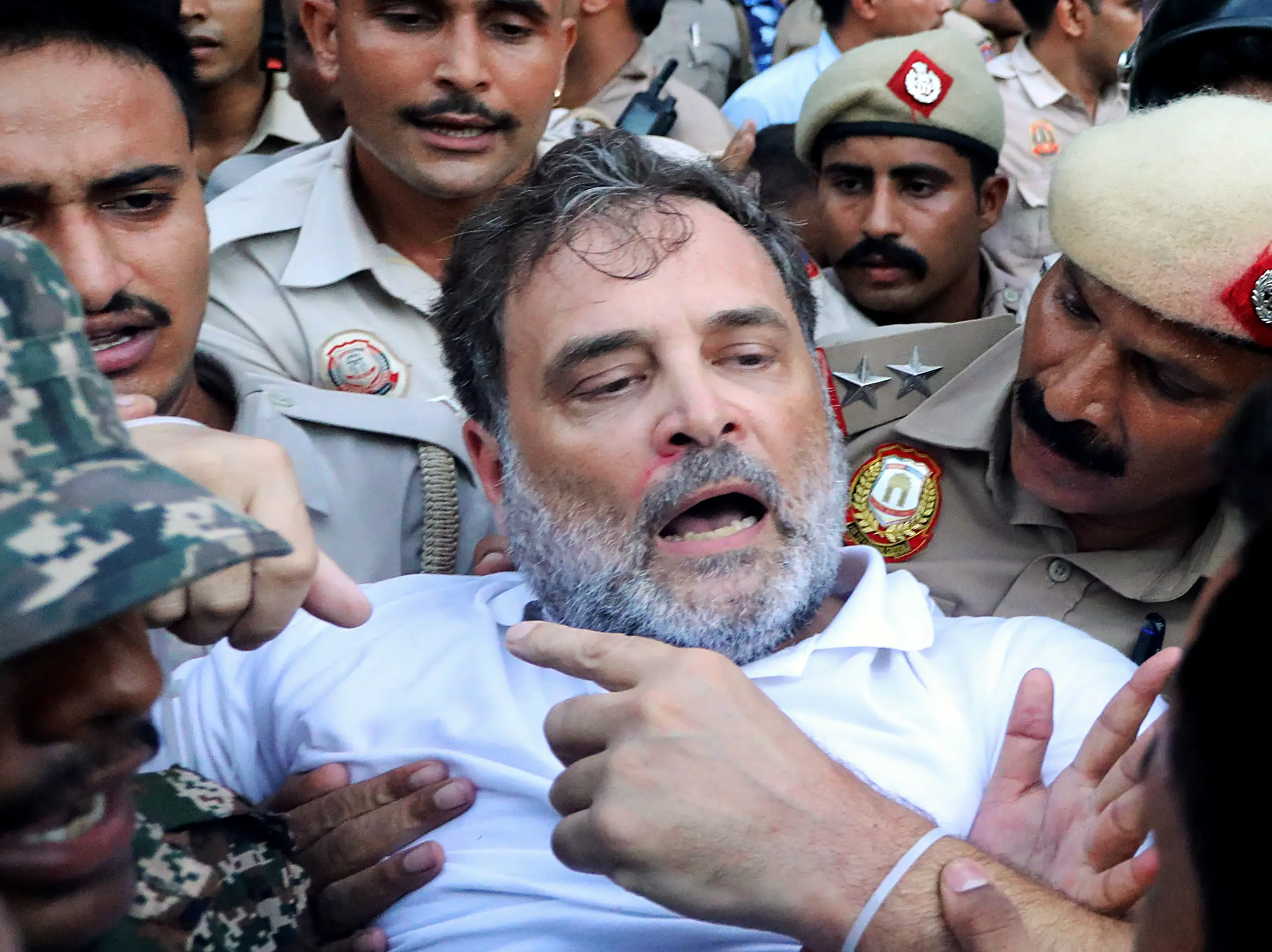)
'This should not happen in a democracy': Shashi Tharoor slams detention of Rahul Gandhi, Priyanka Gandhi after protest outside PM Modi's residence
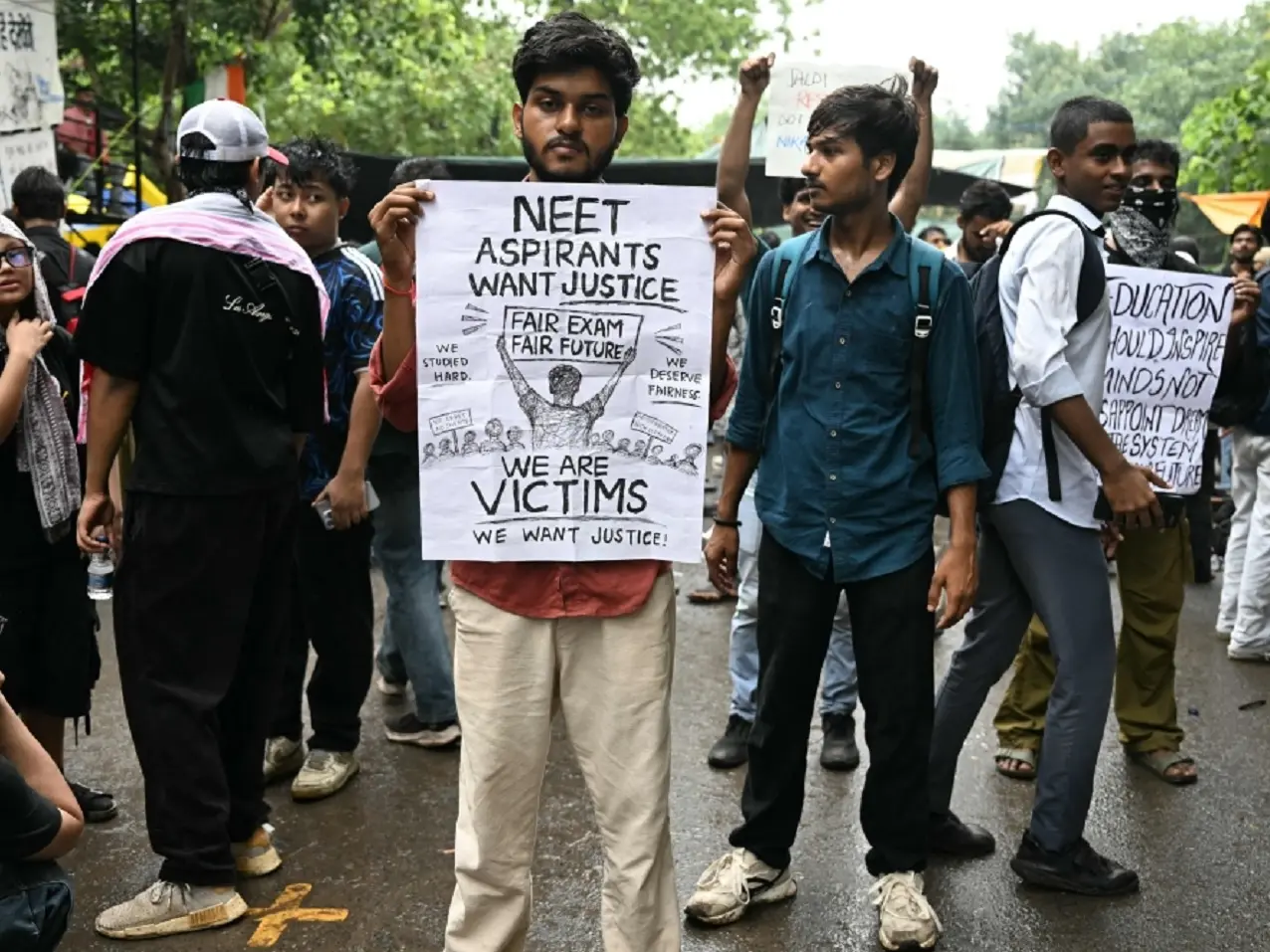)
Maharashtra Bandh call on July 23: What all you need to know
&im=FitAndFill=(700,400))
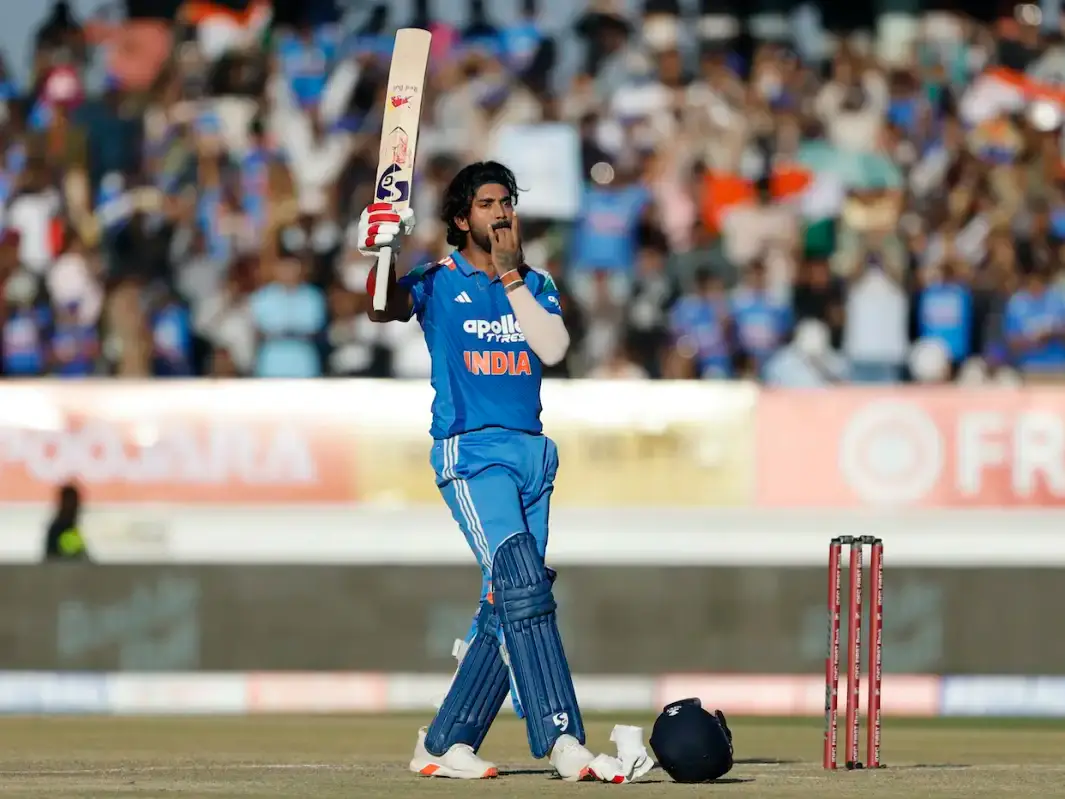
Meet top 5 Indian batters with most T20I runs against Zimbabwe